
1,000+ MILITARY FAMILY RECORDS BREACHED, 200+ MILITARY SITES AT RISK!
WASHINGTON — November 28, 2026 — A reported cyberattack against one of the United States Air Force's most important cloud computing platforms has raised significant questions about the security of America's military information infrastructure, placing renewed attention on the protection of personnel records, defense logistics and sensitive operational data.
The incident involves Cloud One, an enterprise computing environment developed to support the modernization of military information systems. The platform allows defense organizations to manage applications and digital resources that previously relied on separate computing environments.
Three people familiar with the incident told Reuters that hackers had penetrated the platform. The report has prompted concerns about the potential exposure of sensitive information extending well beyond conventional administrative records.
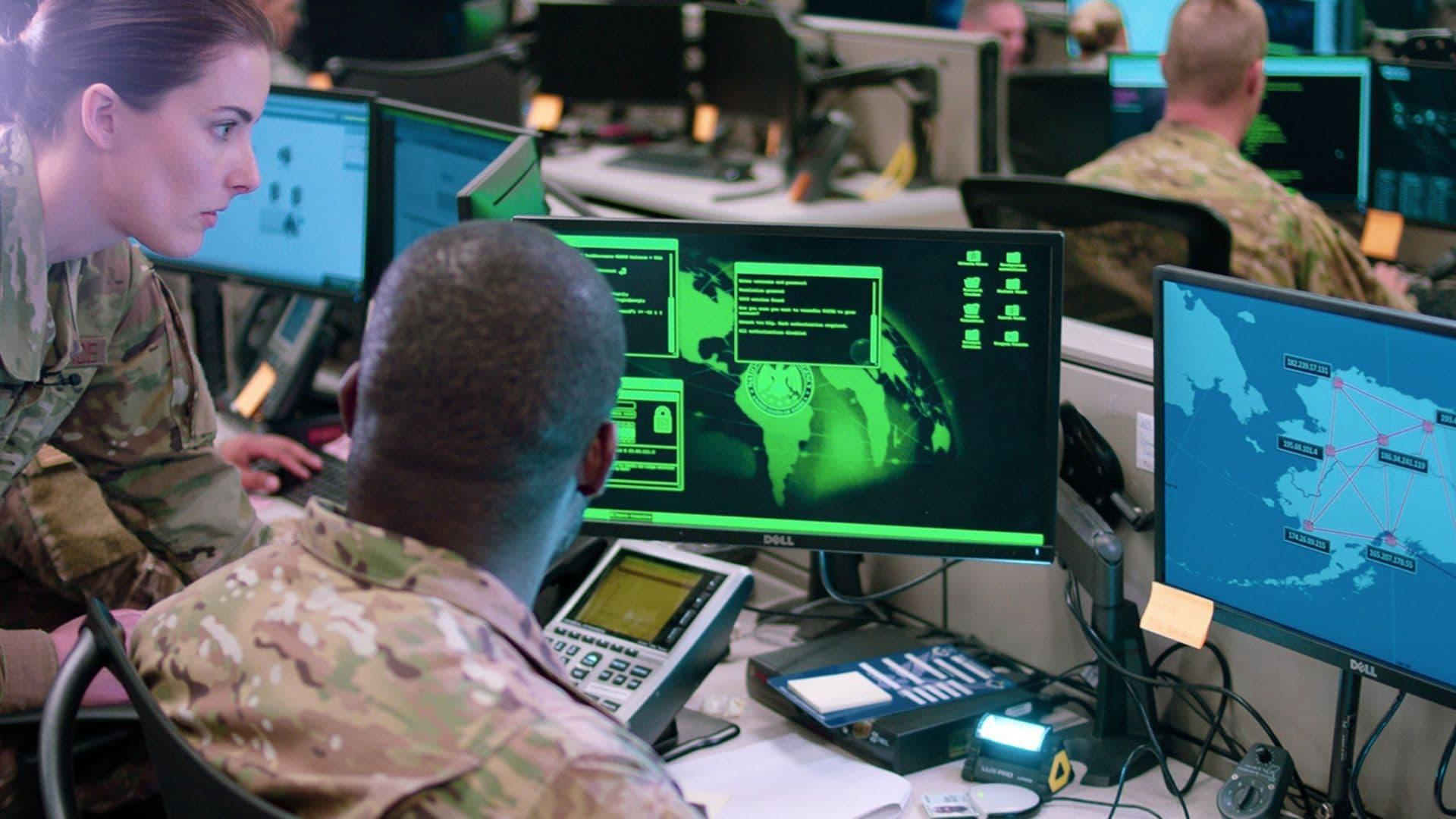
For decades, the United States military relied on numerous independently managed computer networks to support administrative responsibilities, logistics and operational planning. As technology advanced, defense organizations increasingly adopted cloud computing to improve efficiency, reduce infrastructure costs and allow authorized personnel to access digital resources more effectively.
Cloud One emerged as an important component of that transformation. Introduced in 2017, the platform provides computing services for applications supporting various Department of Defense responsibilities, ranging from personnel administration to military maintenance and logistics.
The advantages of cloud computing are substantial. Military organizations can introduce software more efficiently, coordinate information between authorized users and manage large quantities of data without maintaining separate physical infrastructure for every application.
However, the increasing importance of shared computing environments also creates significant security responsibilities. A cyberattack involving a major platform may require investigators to examine numerous applications before determining which systems were affected.
Unlike a conventional theft involving physical documents, a digital intrusion may leave information in its original location while allowing unauthorized individuals to access or potentially copy it. Detecting such activity requires specialized monitoring and forensic analysis.
The Cloud One incident consequently represents an important test of the military's ability to protect sensitive information while continuing its technological modernization.
The scale of Cloud One helps explain why the reported intrusion has attracted considerable attention within the defense community. In September 2024, the Air Force announced that the platform had reached an important milestone with the integration of its 150th application. Its continued expansion has made it an increasingly significant component of the military's information technology infrastructure.
Rather than serving a single department or military installation, Cloud One provides services supporting organizations across the broader defense establishment. These applications may perform administrative functions, manage resources or support responsibilities associated with military readiness.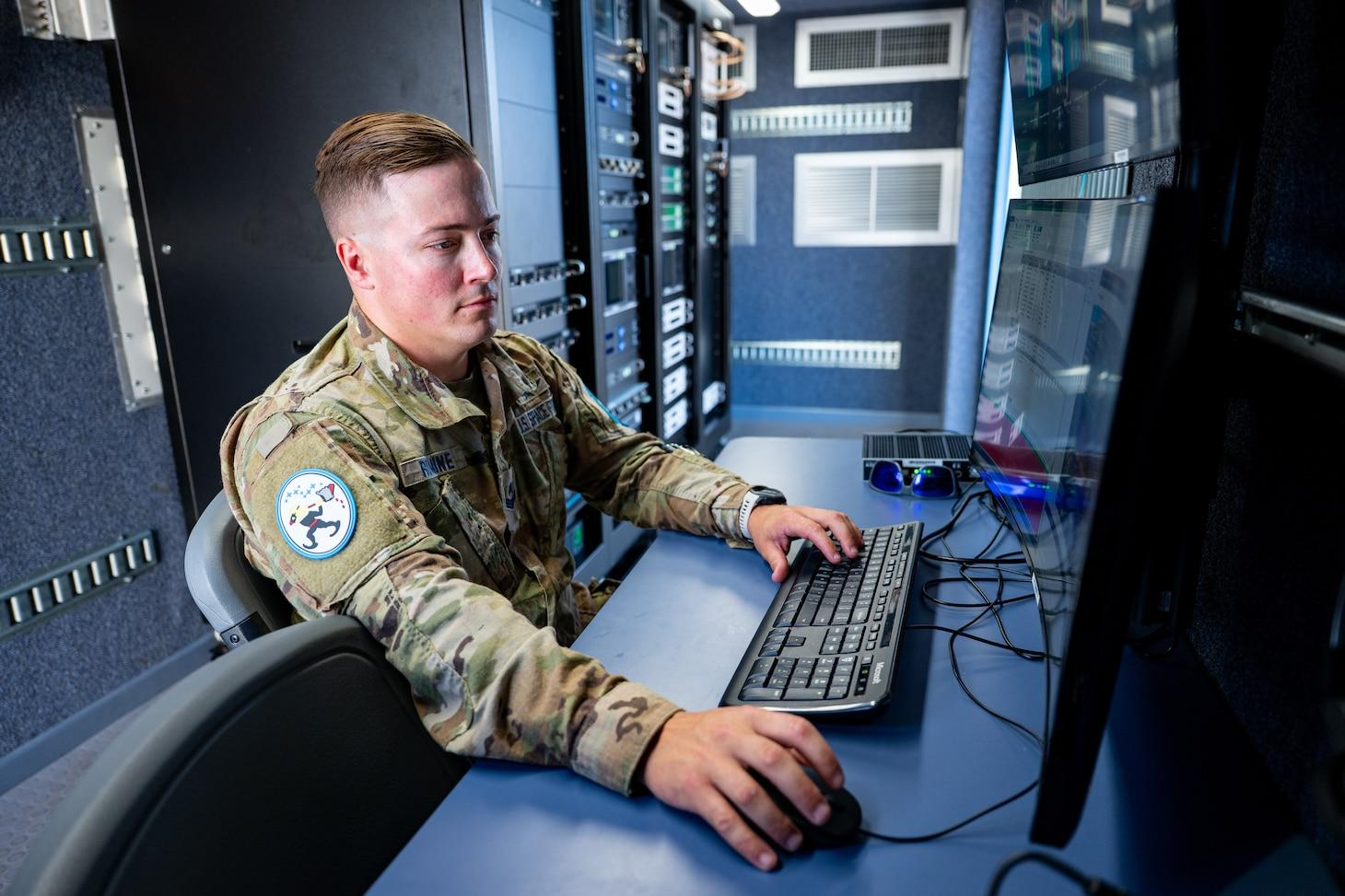
Investigators must determine the boundaries of the intrusion before assessing its broader consequences.
Military personnel and their families regularly provide personal information to government institutions responsible for healthcare, housing, financial benefits and other administrative services. These records may contain information required to establish eligibility for programs supporting active-duty personnel, veterans and their dependents.
Protecting this information represents a significant responsibility for the Department of Defense. Unlike ordinary consumer records, military personnel information can contain details connected to an individual's government employment and professional responsibilities.
If unauthorized individuals obtain sensitive personal information, affected households could face identity theft, financial fraud and deceptive communications. The consequences may continue long after the original security incident has been addressed because certain personal identifiers cannot easily be changed.
Military families may also encounter additional difficulties because of frequent relocations, overseas assignments and extended periods of separation. Managing financial accounts and responding to suspicious activity can become particularly complicated when a family member is deployed.
The Cloud One incident follows another major cybersecurity breach involving military personnel information. In September 2026, reports revealed that unauthorized individuals had gained access to a file-sharing system associated with the Defense Manpower Data Center.
According to reporting by Time and Stars and Stripes, the separate incident exposed information associated with approximately 2.76 million living individuals and 294,000 deceased individuals. The affected population included people connected to the Department of Defense and its administrative systems.
The earlier incident illustrates the potential scale of a government data breach when extensive personnel databases are involved. Information maintained by military administrative organizations can remain sensitive even after an individual retires or leaves government service.
For military families, the incidents nevertheless highlight the continuing importance of protecting personal information throughout the government's digital infrastructure.
The investigation into Cloud One could have implications extending beyond personal records. Based on publicly documented descriptions of the platform's functions, five broad categories of information warrant particular attention during the military's security assessment.
The first category involves information supporting personnel management and administrative responsibilities. Military organizations rely on digital systems to process employment information, assignments, benefits and other records necessary for maintaining a large workforce.
If an investigation establishes that unauthorized individuals accessed personnel data, the military would need to determine which records were affected and whether individuals require notification or assistance.
The potential consequences would depend on the nature of the information involved. An incident affecting limited administrative records could present different risks from one exposing extensive personal identifiers or financial information.
Military aviation depends on extensive maintenance operations involving trained specialists, replacement equipment and detailed technical documentation. Digital applications help organizations coordinate inspections, maintenance schedules and administrative requirements associated with aircraft operations.
The potential exposure of maintenance-related information raises concerns because aircraft readiness represents an important component of national defense.
The investigation will need to determine whether information supporting aviation maintenance remained protected and whether the incident affected the reliability of relevant services.
Modern military operations depend on the transportation and distribution of equipment, replacement components and other essential resources. Digital logistics systems help defense organizations coordinate these responsibilities across geographically dispersed facilities.
Interruptions to such systems could create administrative difficulties even when physical supplies remain available. Personnel may need to rely on alternative procedures while affected applications undergo security assessments.
The potential consequences of unauthorized access would depend on the type and sensitivity of the records involved. Protecting the confidentiality, accuracy and availability of logistics information remains an important responsibility for military organizations.
Reuters identified an ammunition management application among the systems supported by Cloud One. Public reporting indicates that the application operates across more than 200 Air Force locations worldwide.
The presence of such an application explains why investigators are concerned about the potential implications of the intrusion beyond conventional personnel records.
There has been no public confirmation that weapons inventories were altered, physical equipment was compromised or military installations lost operational control as a result of the intrusion.
The final category involves digital services supporting military coordination and decision-making. Defense organizations increasingly depend on information technology to organize resources, maintain communications and support authorized operational responsibilities.
The reliability of these services is particularly important because interruptions can create difficulties for personnel responsible for coordinating complex activities.
The reported cyberattack comes during a significant transition in the management and modernization of Cloud One.
On March 11, 2026, American technology contractor Leidos announced a $454.9 million contract intended to modernize the Air Force's cloud computing operations. The project includes cooperation with major commercial cloud service providers and is intended to improve security, automation and the efficiency of military information technology services.
The modernization initiative reflects the government's continuing efforts to maintain secure computing infrastructure while adapting to changing technological requirements.
Leidos has stated that the program is intended to improve the deployment of digital capabilities and simplify the management of complex cloud environments.
Following reports of the intrusion, attention has turned toward the effectiveness of existing security arrangements and the relationship between ongoing modernization efforts and the protection of military information.
A cybersecurity incident can affect an organization in several different ways. Unauthorized access to confidential information represents one category of harm, while interruptions to essential computing services represent another.
Organizations responding to a suspected intrusion may temporarily restrict access to affected applications, review security permissions or suspend certain administrative functions while determining whether systems remain trustworthy.
Although these measures can reduce the potential for further damage, they may also create temporary operational difficulties for authorized personnel.
Federal News Network reported that remediation efforts following the Cloud One discovery disrupted certain functions requiring administrative access. The publication also reported that the timing, duration and identity of those responsible for the intrusion remained unclear.
Federal News Network
Such disruptions demonstrate why restoring normal service after a cybersecurity incident involves more than confirming that unauthorized activity has stopped. Organizations must also establish that their applications and information remain reliable before resuming ordinary operations.
The United States maintains specialized military organizations responsible for cybersecurity and the protection of defense information systems. Their responsibilities include identifying threats, supporting incident investigations and helping military organizations recover from digital disruptions.
Reuters reported that U.S. Cyber Command had been called upon to assist in assessing the potential damage associated with the Cloud One intrusion.
Defense News
A comprehensive cybersecurity investigation can require substantial coordination between government organizations, contractors and technology providers. Specialists may need to examine historical records and determine whether sensitive information was affected before establishing the scope of an incident.
Military authorities also face the responsibility of balancing public transparency against the need to protect information relevant to national security. Certain investigative details may remain restricted while officials evaluate potential consequences.
For affected personnel and their families, public confidence will depend partly on whether authorities provide clear information about confirmed exposure and available assistance.
The reported intrusion has renewed attention to personal cybersecurity practices among service members and their dependents. Government organizations responding to confirmed personal information breaches may provide notifications, identity monitoring services or other forms of assistance.
Families receiving unexpected communications about military benefits, financial accounts or personal records should verify those messages through established government channels. Cybersecurity incidents can create opportunities for fraudulent communications that falsely claim to originate from official institutions.
The reported Cloud One intrusion is significant because of the platform's extensive responsibilities across the American defense establishment. Its support for personnel administration, logistics and operational applications establishes why investigators must examine the incident carefully.
Similarly, no publicly released assessment reviewed for this report confirms that more than 1,000 military family records were stolen in this particular incident.
The coming phase of the investigation will therefore focus on establishing the actual scope of the breach, restoring affected services and determining whether additional protections are necessary.
For the United States Air Force, the incident underscores a central challenge of modern military readiness: protecting the digital infrastructure upon which an increasingly technology-dependent defense establishment relies.
Comments (0)
Loading comments...
May You Like

EAST COAST MEGASTORM—2 MILLION HOUSES DAMAGED, 5 MILLION AT RISK OF BLACKOUTS, WATER FAILURES!

EAST COAST CATASTROPHE — $20 BILLION AT STAKE, 5 MILLION AT RISK OF LOSING POWER, WATER AND HEAT!

U.S. REPORTEDLY STRIKES OIL TANKER NEAR IRAN — COULD GAS PRICES SURGE?

Latest Posts









Popular Posts



