
10,000 CIA AND U.S. SPY RECORDS LEAKED—3 INTELLIGENCE AGENCIES ORDER EMERGENCY REVIEWS!
WASHINGTON — November 26, 2026 — The Central Intelligence Agency and at least two other American intelligence agencies have been affected by a cybersecurity breach involving a system used to collect and analyze information from publicly available sources. The incident has raised questions about the extent of the compromised records and whether foreign adversaries could gain insight into American intelligence activities abroad.
The intrusion, first reported by The New York Times on November 24, affected the CIA, the Office of the Director of National Intelligence and the National Geospatial-Intelligence Agency, according to individuals familiar with the investigation. The compromised network was used to develop intelligence assessments from unclassified information, including publicly accessible and commercially available material.
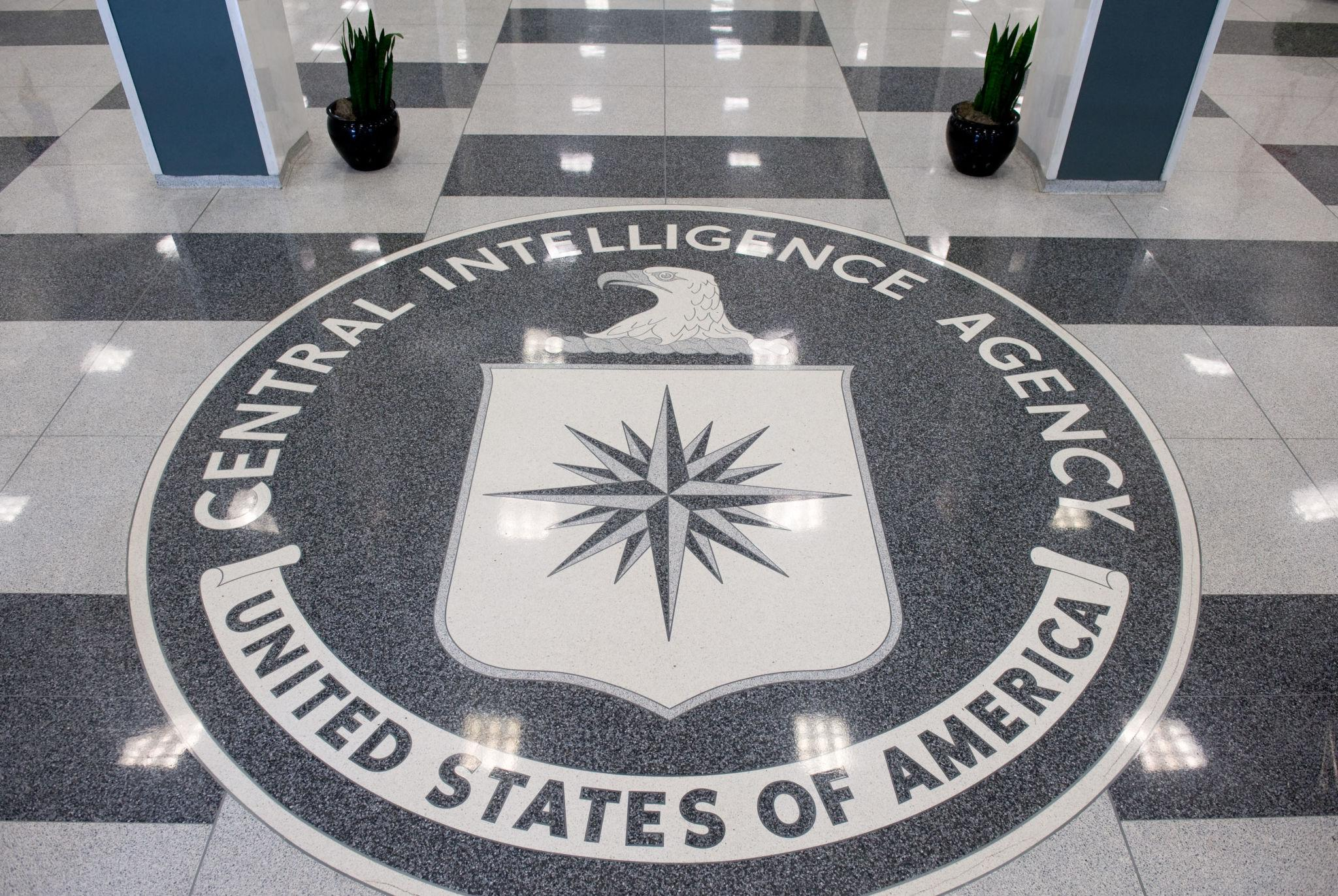
The reported involvement of three major intelligence organizations makes the incident particularly significant because each performs a different function within the American national security apparatus. Together, they contribute to the collection, coordination and interpretation of information concerning international developments and potential threats to the United States.
The CIA specializes in gathering and analyzing foreign intelligence. The Office of the Director of National Intelligence coordinates activities across the broader intelligence community, while the National Geospatial-Intelligence Agency specializes in geographical information, satellite imagery and other forms of geospatial intelligence.
Determining which organizations maintained information within the affected environment, and what categories of records were accessible, would be essential to understanding the breach's broader significance.
Records associated with intelligence analysis could potentially contain references to foreign governments, regional security developments, commercial satellite observations, international organizations and subjects selected for further examination. Their significance would depend on the context in which the information was collected and the conclusions analysts were attempting to develop.
Claims that 10,000 intelligence records were exposed, including information about overseas assignments, would represent a major development if supported by authenticated documents. However, neither the number of affected records nor the presence of specific overseas personnel assignments has been established in the published reports.
Such information may include international news coverage, government publications, commercial satellite imagery, social media content and publicly available economic data. Individual pieces of information may be accessible to ordinary members of the public, but their aggregation can provide a much more comprehensive picture of international events.
An intelligence organization studying a particular region may combine numerous sources to identify political changes, economic disruptions or emerging security concerns. The resulting analytical work can become sensitive because it reflects the organization's priorities, even when the underlying material is publicly available.
The compromised system reportedly supported this type of work rather than classified communications or covert operational databases.
The possibility that an intelligence breach could reveal overseas assignments is particularly concerning because information about personnel, locations and official responsibilities can carry significant security implications.
Even apparently ordinary administrative information can become sensitive when combined with other records. References to particular departments, research subjects or geographical regions may provide insight into an organization's activities without identifying a specific covert operation.
A comprehensive damage assessment would need to determine whether the affected information included only externally sourced material or additional administrative and analytical records. Investigators would also need to establish whether any personal information was accessed and whether protective measures for affected individuals were necessary.
No authenticated list of overseas CIA assignments has been released in connection with the incident.
One of the most closely examined aspects of the breach concerns the possible involvement of an artificial intelligence cybersecurity tool known as ARTEX. Individuals familiar with the matter told news organizations that the technology was believed to have been used during the intrusion.
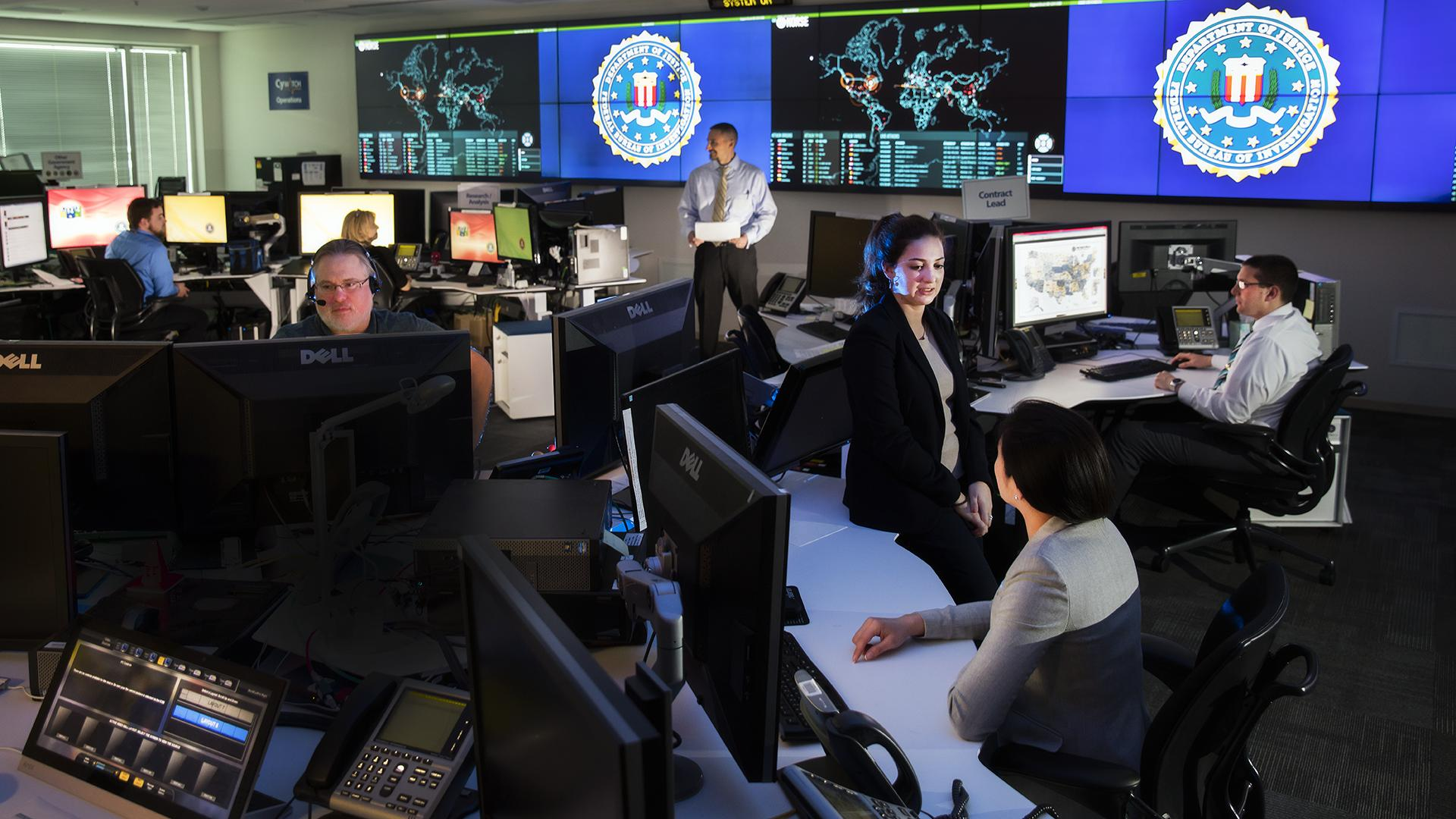 On November 13, the FBI issued a cybersecurity advisory describing the growing misuse of ARTEX by malicious actors. The advisory identified the technology as an AI-driven platform originally associated with cybersecurity testing that had subsequently been adapted for unauthorized activities.
According to the FBI, malicious campaigns involving the technology had affected organizations across numerous industries, including government, finance, defense, healthcare and telecommunications.
The agency warned that AI-assisted technologies could accelerate cyberattacks and enable malicious actors to conduct operations on a larger scale. The advisory encouraged organizations to strengthen defensive monitoring and reduce their exposure to unauthorized access.
The FBI's warning preceded public reporting of the intelligence agency intrusion by 11 days. Its publication demonstrates that federal authorities were already monitoring the wider threat associated with the technology before the CIA incident became public.
Cybersecurity attribution requires evidence connecting an intrusion to particular individuals, organizations or government authorities. That process can be complicated by incomplete records and the international nature of digital infrastructure.
A formal attribution to a foreign government would carry considerably broader diplomatic and national security implications than an intrusion conducted by independent criminal hackers.
 Unclassified analytical material can reveal which international developments receive government attention. It may also provide context about institutional interests, research priorities and the relationship between different intelligence organizations.
Cybersecurity specialists interviewed by CyberScoop highlighted the importance of how intelligence agencies use publicly available information. Ben Bernstein, a cybersecurity adviser at Huntress, explained that the value of compromised information could lie in understanding what government analysts are examining.
“Calling this ‘unclassified’ doesn’t make it harmless,” Bernstein said.
The distinction helps explain why cybersecurity professionals may treat an intrusion into an unclassified intelligence environment seriously, even when the most highly protected government systems remain unaffected.
Following a cybersecurity breach, determining the scope of unauthorized access is generally among the most important responsibilities facing investigators. Security specialists must establish which information was affected, whether the intrusion has been contained and whether additional protective actions are necessary.
A comprehensive review would distinguish between information that could theoretically have been accessed and information demonstrably obtained by unauthorized individuals. The difference can substantially affect conclusions concerning the severity of the incident.
For intelligence agencies, such an assessment may also consider whether compromised information creates privacy concerns for personnel or undermines ongoing analytical work. Where risks are identified, organizations can evaluate appropriate protective measures and changes to their security practices.
The intelligence agency breach emerged during a period of heightened concern about the security of American government technology systems.
The FBI's National Crime Information Center, a nationwide criminal information database used by law enforcement agencies, was also recently affected by an apparent intrusion. Separate reporting identified cybersecurity incidents involving the Department of Agriculture and the Treasury Department's Financial Crimes Enforcement Network.
The incidents underscore the importance of protecting different categories of government information. Criminal justice databases, financial intelligence systems and national security analysis networks perform distinct functions and may require different responses when their security is compromised.
 Recent disruptions involving federal computer systems have also highlighted the importance of distinguishing malicious activity from ordinary technical failures. Computer networks may become unavailable because of maintenance problems, software errors, equipment failures or deliberate attacks.
The National Security Agency recently experienced an interruption affecting its classified communications network. However, authorities attributed that disruption to technical maintenance rather than a confirmed cyberattack.
Reuters reported that federal agencies have experienced several cybersecurity incidents and technology disruptions, contributing to increased concern about government infrastructure.
Determining the cause of each incident independently is essential. Combining separate events without supporting evidence could create an inaccurate impression of a coordinated attack against the entire federal government.
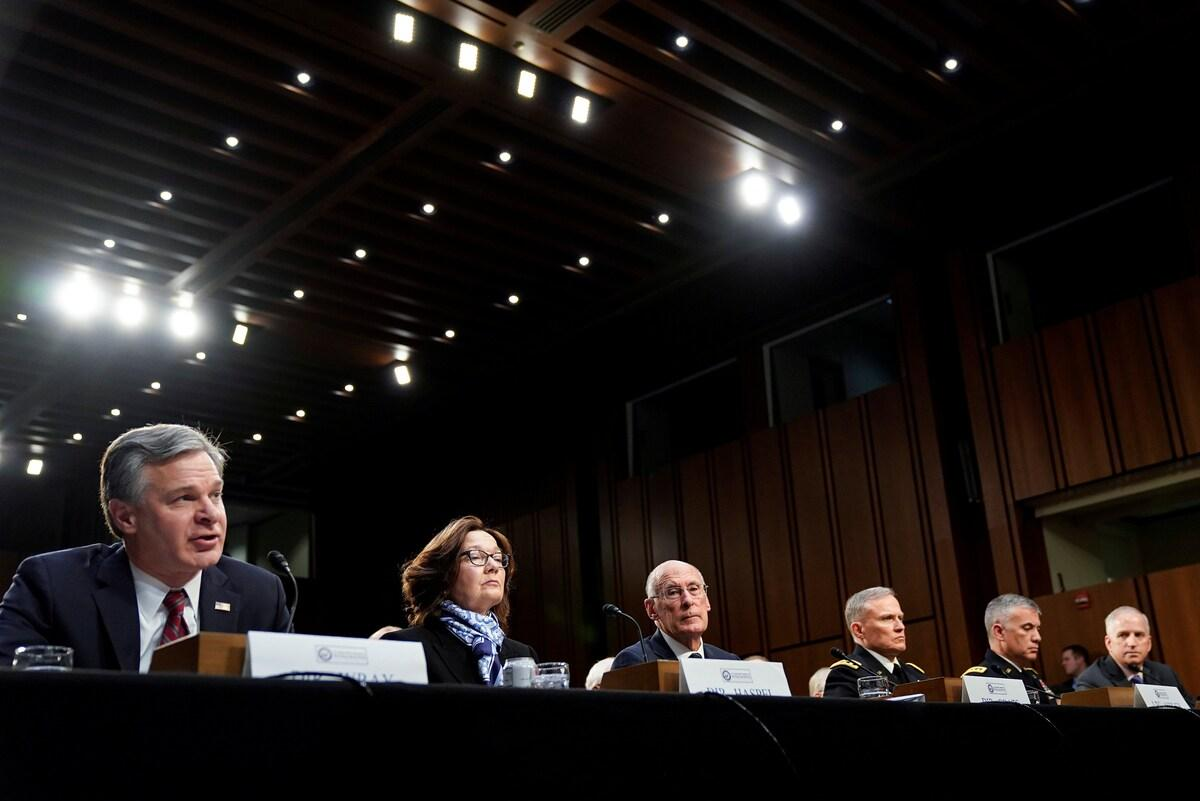
Cybersecurity incidents involving intelligence agencies may attract congressional oversight because lawmakers have responsibilities concerning national security funding, intelligence activities and the protection of government information.
A congressional examination could address whether existing security requirements were sufficient, whether previously identified concerns received appropriate attention and how federal agencies coordinate their responses to incidents involving shared infrastructure.
Lawmakers may also seek information about the government's ability to respond to emerging AI-assisted threats. The FBI's November advisory provides evidence that malicious use of artificial intelligence tools had already become a recognized concern across several industries.
Any congressional inquiry into this particular breach would need to balance public accountability with the legitimate protection of sensitive national security information. Certain findings could remain restricted if their publication would create additional risks.
The United States maintains intelligence relationships with numerous allied governments. Those relationships depend in part on confidence that sensitive information will receive appropriate protection when it is shared.
A cybersecurity incident involving American intelligence infrastructure could therefore raise questions extending beyond the organizations directly affected. Partner governments may have an interest in determining whether shared information was present in the compromised environment and whether any additional safeguards are necessary.
However, the implications would depend heavily on the contents of the affected material. An incident confined to publicly available information would have substantially different consequences from one involving confidential communications between allied governments.
A complete accounting would distinguish between records stored within the system, records exposed to unauthorized access and information conclusively removed from the network. Each category represents a different measure of the incident's scope.
The strongest available evidence instead establishes an intrusion involving an unclassified intelligence analysis environment used by major American national security organizations.
The next significant development could come from a formal damage assessment identifying the categories of information affected and determining whether additional security measures are required.
For the American intelligence community, the central question is no longer simply whether an unauthorized intrusion occurred. It is whether the exposed information could provide foreign adversaries with meaningful insight into U.S. intelligence activities, and what federal authorities can establish about the incident before making that determination.
Comments (0)
Loading comments...
May You Like

PACIFICA PIER IN CALIFORNIA COLLAPSE REVEALS MASSIVE CRACK BENEATH THE OCEANs!

NINE MONTHS PREGNANT DURING FORT HOOD ATTACK: SURVIVOR DENIED ACCESS TO EXECUTION
IOWA MILITARY EMERGENCY: 50 TONS OF UNSTABLE SUSPECTED BIOWEAPON WASTE FOUND AFTER 5-TON BLAST!










Popular Posts




