
113 locations targeted today
113 Ports, One Global Protest: Dockworkers Challenge the Movement of Military Cargo
Images are editorial illustrations, not photographs of the October 30, 2026 events.
On October 30, 2026, port workers and maritime unions staged coordinated strikes and demonstrations spanning a network of 113 ports in 22 countries. The international mobilization opposed the use of commercial ports for arms shipments while drawing attention to the dangers and economic pressures confronting workers whose livelihoods depend on global shipping.
The international campaign was backed by more than 25 unions and involved a mixture of full-day walkouts, shorter stoppages, rallies and solidarity actions. The headline figure of 113 refers to the campaign's reported international reach; it does not mean every port shut down completely or experienced the same degree of disruption.
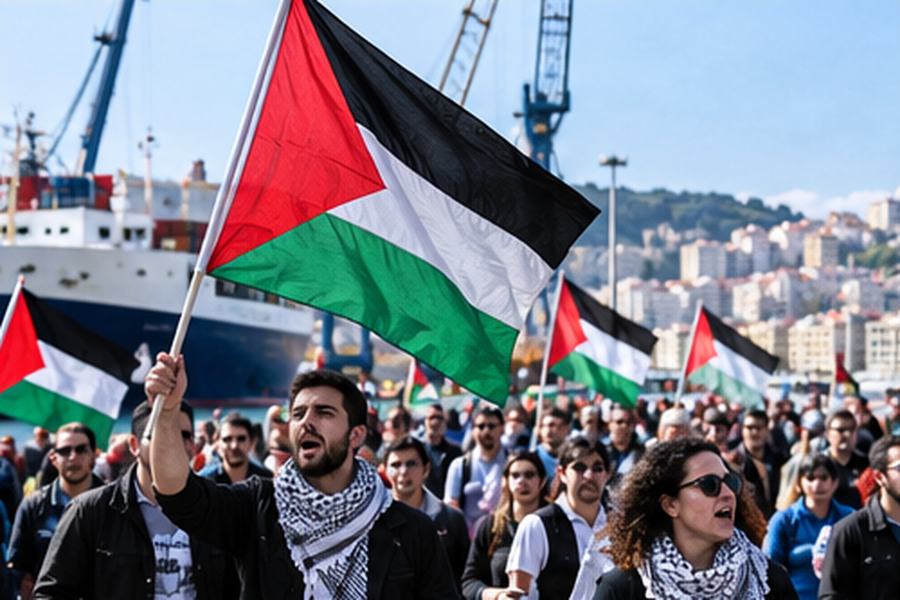
Protesters rallied around the message that civilian ports should not become transit points for the machinery of war. Organizers tied that demand to weapons transfers associated with Israel and Gaza, as well as to wider armed conflicts affecting commercial shipping routes and the people working aboard vessels.
The effort built on cooperation among unions from Italy, France, Greece, Spain, Türkiye and Morocco, and broadened to other parts of Europe, Asia, Africa and the Americas. While communist and socialist groups supported several events, the coalition included trade unions and other organizations with different political perspectives and priorities.
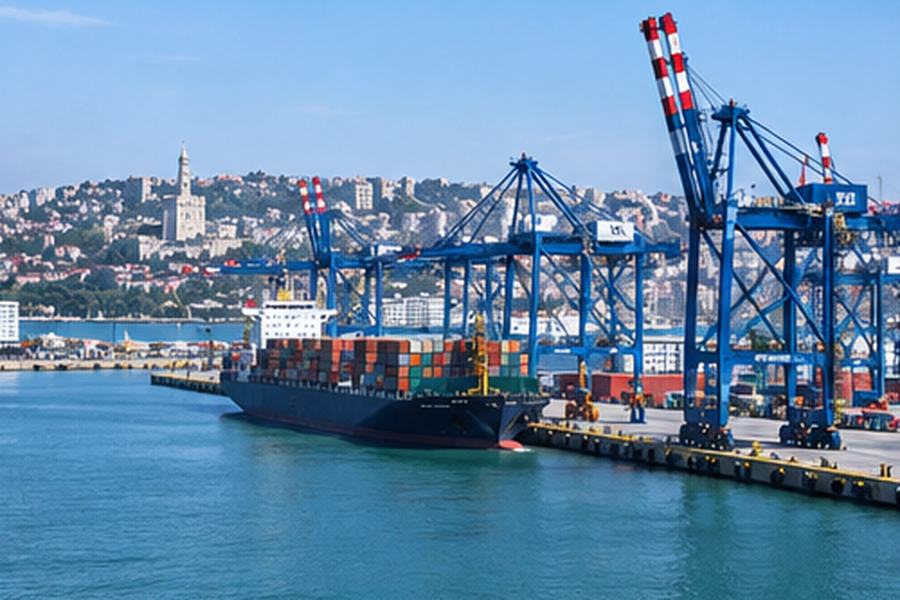
Greece's port of Piraeus offered one of the clearest examples of a concrete operational effect. Roughly 3,000 dockworkers and seafarers took part in the walkout, according to reporting from the scene, and ferry services to Greek islands were interrupted alongside port cargo handling.
The shutdown of ferries highlighted a reality often missing from international headlines: industrial action at a major port can affect commuters and travelers as well as cargo companies. For island communities, a delayed ferry can be far more immediate than the political dispute that prompted the strike.
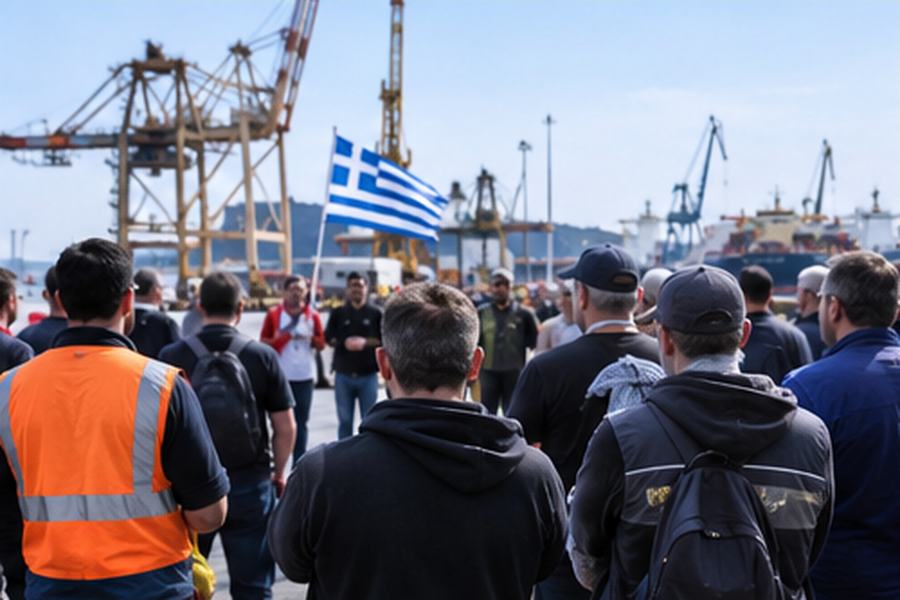
Italy saw a broader day of labor unrest. The grassroots union USB called a general strike, with demonstrations reported in more than 40 cities. Protesters raised concerns about wages, living costs, military spending and the treatment of workers, alongside criticism of the transportation of military goods.
In Genoa, the city's port became a focal point for a large march that reportedly brought thousands of participants into the port area. The demonstration underscored the ability of local dockworker campaigns to attract students, activists and other workers beyond the maritime industry itself.
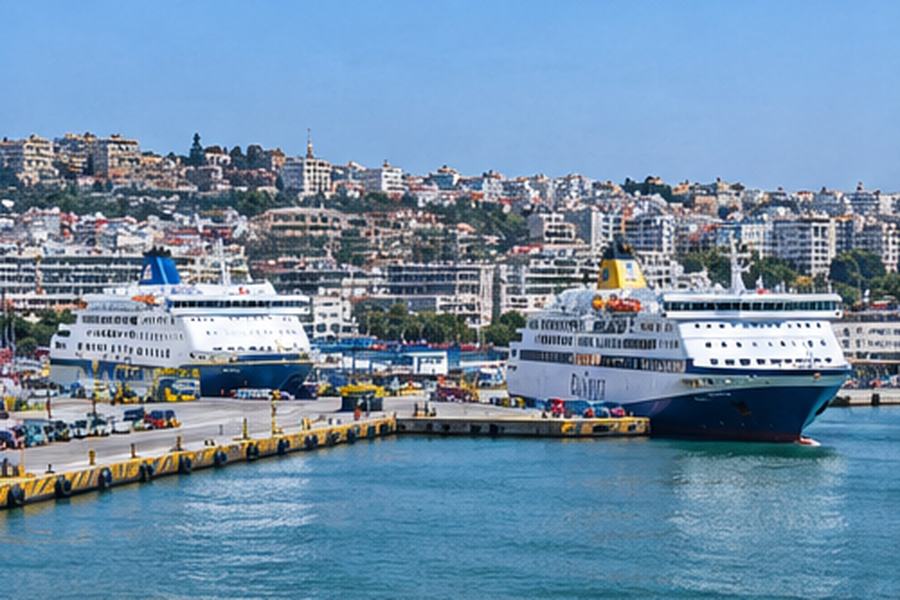
Other European hubs featured in the coordinated action, including ports in France and Spain. Some unions called 24-hour strikes, while others opted for shorter walkouts or public rallies. Those differences mattered: a protest at a gate and a full terminal stoppage can have very different effects on traffic and freight schedules.
The demands were not exclusively geopolitical. Workers also sought improved pay, safer conditions and better medical support for crews traveling through conflict zones. Maritime unions argued that seafarers face risks from attacks, instability and long voyages through waters affected by military operations.
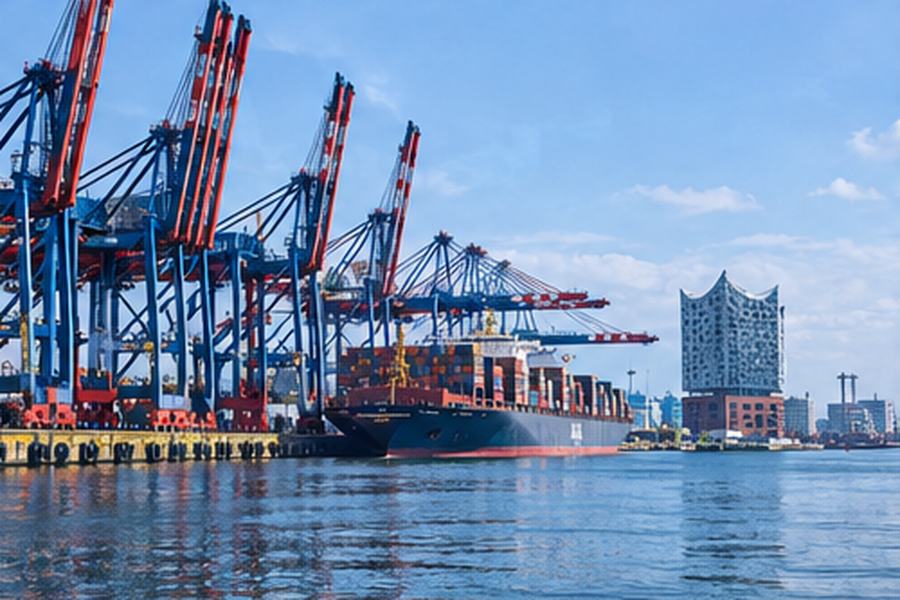
Union representatives pointed to casualties among seafarers in the Gulf and Black Sea as evidence that the consequences of war extend into civilian shipping. Workers said that risks to life, uncertainty for families and the disruption of essential supplies should be part of any debate about maritime security.
The Palestinian cause was another prominent theme. Labor organizers objected to the movement of arms and military equipment they believe could sustain fighting in Gaza, and Palestinian groups expressed support for workers refusing to participate in certain weapons-related logistics.
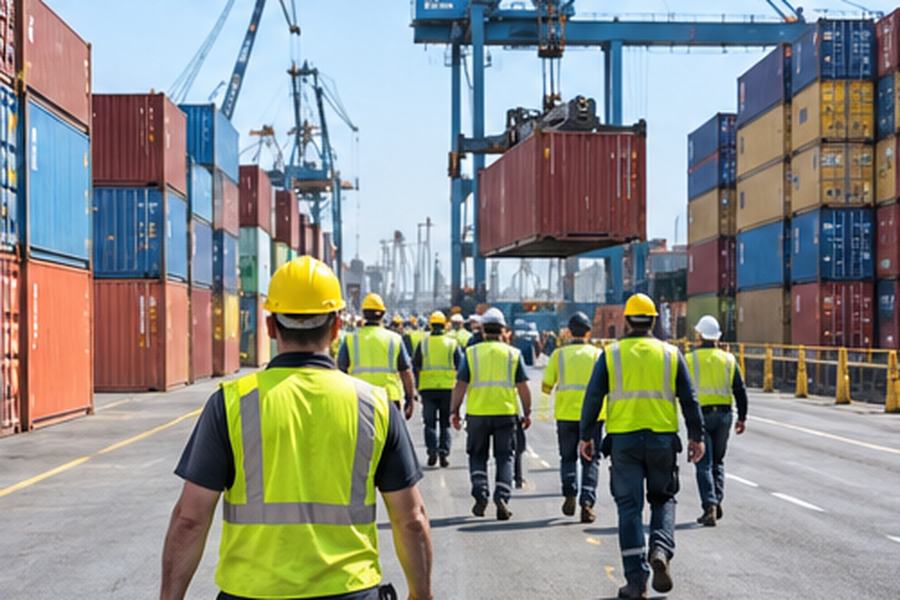
This solidarity did not turn every demonstration into a protest with the same agenda. Some participants focused on stopping military cargo, some emphasized opposition to war in general, and others used the occasion to demand economic reforms and improvements in working conditions.
Political commentary about the mobilization nevertheless drew intense attention to the involvement of communist and left-wing organizations. Those groups were among the campaign's supporters, but describing the entire day solely as a communist operation would obscure the role of labor unions and the distinct interests of participating maritime workers.
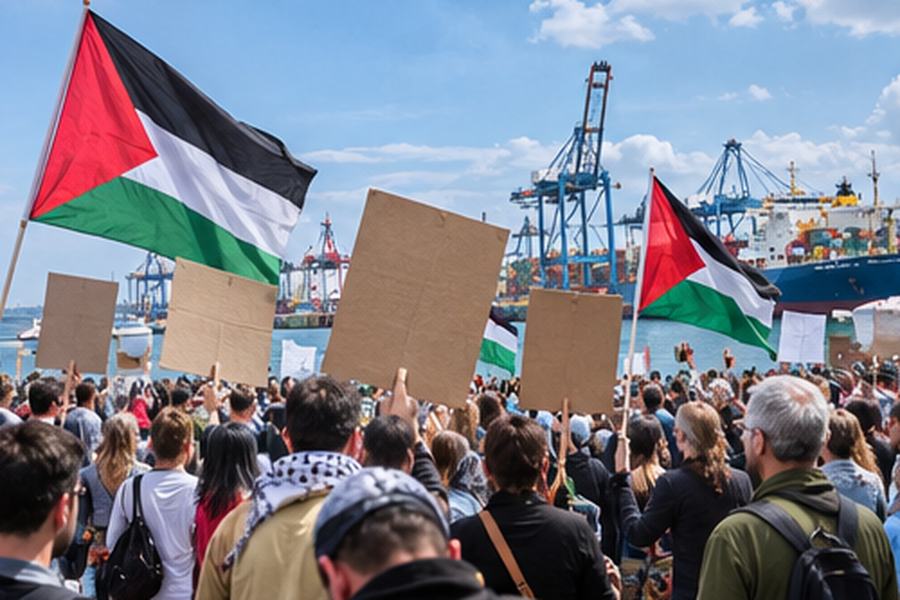
The global economy depends on the uninterrupted movement of container ships, tankers and ferries. Even brief delays at busy terminals can force schedule changes, increase the strain on logistics networks and leave businesses seeking alternative routes for time-sensitive cargo.
Organizers circulated large estimates of the value and volume of cargo potentially affected by the walkouts. Those projections were not independently confirmed in full, and they should be distinguished from measured financial losses or the actual number of containers delayed.
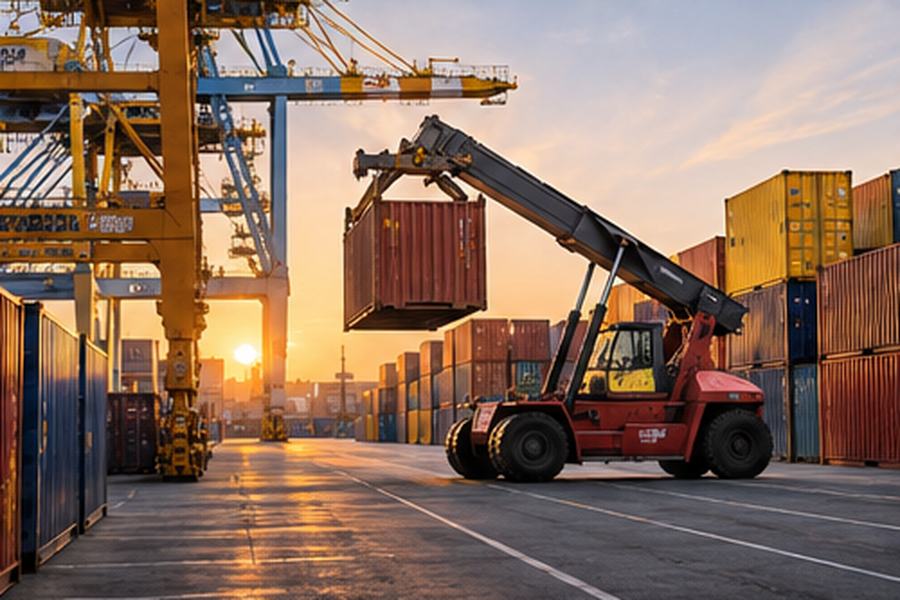
Shipping analysts expected the worldwide consequences to be limited rather than a complete breakdown of international trade, although localized congestion or delays could still occur. The actual effects depended on how many workers stopped, for how long, and whether terminals could resume operations quickly.
The protests also raised questions about rights and responsibilities at vital infrastructure. Workers have a recognized role in collective bargaining and lawful industrial action, while ports, shipping firms and public authorities must manage safety, contractual commitments and the continuity of essential services.
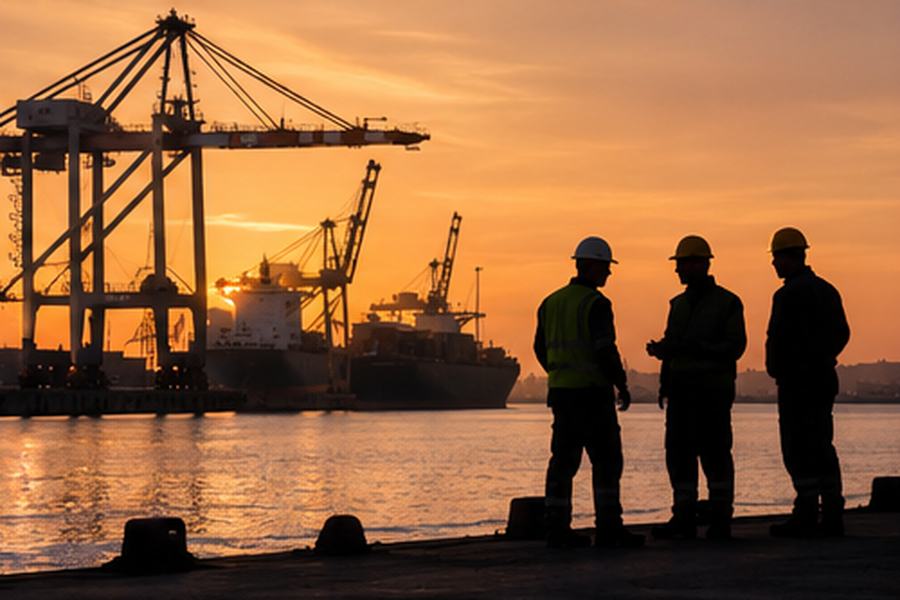
For the unions involved, the most significant result may be the demonstration of cross-border cooperation. Coordinating action in many countries requires relationships among workers whose employers, labor laws and local conditions can differ sharply.
The October 30 mobilization showed how wars and foreign-policy disputes can reach directly into commercial transportation. Whether the protests lead to lasting restrictions on military cargo or broader changes in maritime labor practices remains uncertain, but the day placed port workers at the center of an international political and economic debate.
Comments (0)
Loading comments...
May You Like

CAIRO INFERNO — CAR CARRYING SENIOR U.S. OFFICIAL SLAMS INTO FUEL TANKER, 31 DEAD, 21 INJURED!

BANGCHAK REFINERY IN THAILAND SHUT DOWN, U.S. OIL PRICES JUMP 10%!

IOWA ENVIRONMENTAL DISASTER: 5-TON WASTE BLAST DISPLACES 3,000 FAMILIES!

Latest Posts







Popular Posts





