
2 DEAD. 7 NAMES. ONE DATE MARKED TOMORROW!
Two Dead in Crossbow Case as Secret Notebook Reveals Seven Names and a Date Marked Tomorrow
RAVENBROOK, Pennsylvania — November 23, 2026 — Two people have been found dead in a fictional Pennsylvania town after a crossbow attack, and investigators have discovered a notebook containing seven names, a series of handwritten dates and a final entry that appears to identify someone as the next intended target.
The notebook was recovered during a search of an abandoned workshop on the outskirts of Ravenbrook, a small community surrounded by wooded roads and former industrial properties.
It was a date written beside the seventh name: November 24, 2026 — tomorrow.
The discovery transformed what detectives initially considered a double homicide into a race to identify the people named in the notebook and determine whether another attack had already been planned.
But the investigation soon revealed a problem.
Several names appeared to belong to people who had no obvious connection to one another.
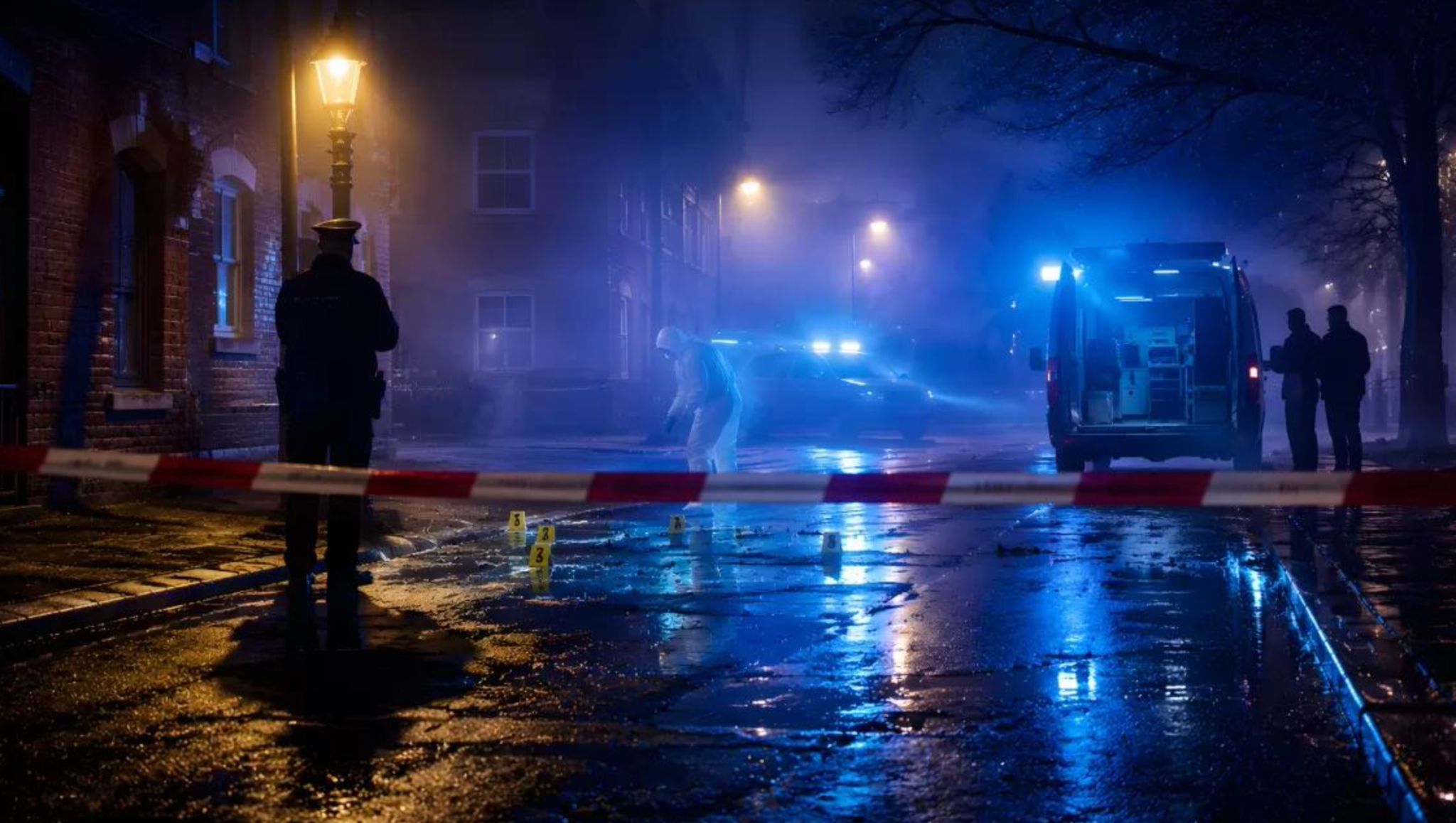
The first call reached emergency dispatch shortly after 6:40 a.m.
A neighbor reported that the front door of a two-story house on Willow Creek Road had been left open overnight.
The caller said a vehicle was still parked outside, although its owner was expected to have left for work hours earlier.
Officers arrived to find the house silent.
Inside, they discovered two adults who had suffered fatal injuries.
The victims were identified in the story as Daniel Mercer, 42, and Rebecca Hale, 39.
Both were residents of Ravenbrook.
Investigators found evidence suggesting that at least one attacker had entered the property before dawn.
A damaged window frame indicated a possible point of entry.
A broken lamp lay near the staircase.
There were signs of a struggle in the living room.
But detectives quickly noticed something unusual.
Several valuable items remained untouched.
Wallets, electronics and jewelry were still inside the house.
Nothing immediately suggested a conventional burglary.
The medical examiner's preliminary assessment indicated that the victims had suffered injuries consistent with crossbow bolts.
Investigators recovered two projectiles from the scene.
Both appeared to have been fired from a high-powered hunting crossbow.
The weapon itself was missing.
The choice of weapon complicated the investigation.
That raised the possibility that an attacker could have approached the house without attracting immediate attention.
The recovered bolts were submitted for forensic examination.
Investigators hoped to identify manufacturing characteristics, damage patterns or trace evidence.
They also examined the surrounding property for footprints and tire impressions.
A security camera across the street had captured a vehicle passing shortly before 5 a.m.
Its license plate was obscured by darkness.
Mercer worked as an electrical contractor.
Hale was employed at a regional medical office.
Friends described them as private people who rarely attracted attention.
Neither had a publicly known history of violent disputes.
Investigators reviewed their employment records, financial activity and recent communications.
They found no immediate explanation for why both had been targeted.
The two had known each other for several years.
Their relationship had recently become more serious, according to people familiar with their lives.
Detectives initially considered whether the attack involved a personal grievance.
But that theory became less convincing after officers discovered evidence suggesting the victims might have been selected for reasons unrelated to their current relationship.
A receipt recovered from Mercer's vehicle contained the handwritten number seven.
At first, detectives assumed it was meaningless.
Later, the same number appeared in a notebook found several miles away.
The workshop stood beside an old service road near Ravenbrook's northern boundary.
It had once been used for repairing agricultural equipment.
The building had been vacant for more than a decade.
Its windows were boarded up.
The front entrance was secured with a rusted chain.
Investigators searched the property after receiving information about a vehicle seen near the building on the night of the killings.
Inside, they found discarded packaging, empty water bottles and evidence that someone had recently occupied the space.
A folding chair faced a small wooden table.
An extension cord ran from a portable battery.
Several maps were pinned to a wall.
One map showed Ravenbrook and the surrounding county.
Seven pages carried names written in carefully spaced capital letters.
Each name was accompanied by a date.
The first two dates matched the period in which Mercer and Hale were believed to have died.
The remaining entries appeared to refer to future days.
Detectives found no explanation for how the names had been selected.
There were no written accusations.
No descriptions of wrongdoing.
No apparent financial demands.
The entries consisted almost entirely of names, dates and short numerical sequences.
The seventh page was different.
Its name had been heavily scratched out.
Only a few letters remained visible beneath the damaged paper.
Beside it, written in darker ink, was a single date.
Investigators began checking the identities of the people named in the notebook.
Three names corresponded to current Ravenbrook residents.
One belonged to a former resident who had moved out of state.
Another appeared to match a person who had died several years earlier.
The sixth name was associated with a woman whose identity could not immediately be confirmed.
The seventh remained obscured.
This created an unexpected problem.
If the notebook represented a sequence of intended victims, why did it include someone already deceased?
Was the author using outdated information?
Was the list symbolic rather than literal?
Or had the detectives misunderstood what the dates represented?
The discovery forced investigators to reconsider their initial assumptions.
Investigators examined the phrase for possible references to local events.
Ravenbrook was preparing for its annual winter lighting ceremony.
The event was scheduled for the evening of November 24.
Hundreds of residents were expected to gather in the town square.
The timing appeared significant.
But detectives could not establish whether the notebook referred to the ceremony or something else entirely.
The phrase could have been a threat.
It could have described a location.
It might also have referred to an event known only to the notebook's author.
The uncertainty made the next 24 hours critical.
The notebook was not the only unusual object recovered from the workshop.
Beneath a loose floorboard, investigators discovered an envelope containing a photograph of Ravenbrook's town square.
The photograph had been taken from an elevated position.
It showed the clock tower, a row of storefronts and the entrance to a public parking garage.
A small circle had been drawn around the clock.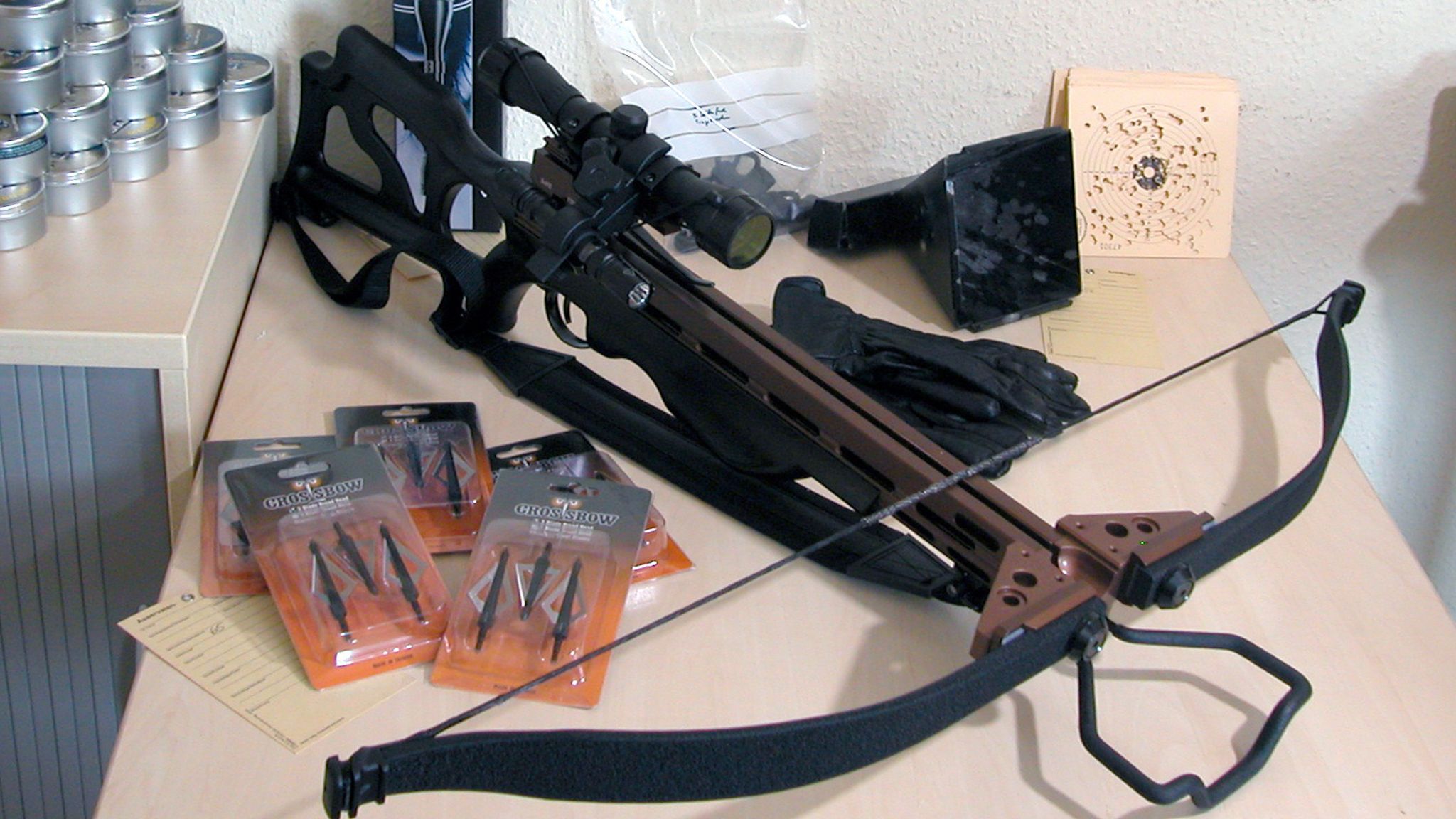
On the back of the photograph, someone had written:
“They will understand when the seventh is found.”
The message gave detectives another reason to believe the notebook was connected to the killings.
But its meaning remained unclear.
Who were “they”?
Why would identifying the seventh person explain the murders?
And why had the writer chosen to leave the photograph in a place where police might discover it?
Investigators considered whether the materials had been deliberately planted.
If so, the person responsible might have wanted to influence the direction of the investigation.
Detectives reviewed surveillance cameras around the workshop and the surrounding roads.
One camera at a nearby fuel station captured a dark vehicle entering the service road shortly after midnight.
The vehicle returned approximately 40 minutes later.
Its driver was not visible.
Another camera, mounted outside a warehouse, should have recorded the same stretch of road.
But the relevant portion of its footage was missing.
The warehouse manager said the recording system had experienced an unexplained interruption.
Technicians were asked to determine whether the failure resulted from a malfunction or deliberate interference.
The missing footage created another gap in the timeline.
Investigators could place a vehicle near the workshop.
Nor could they determine whether the notebook had been inside the building before the vehicle arrived.
The possibility that someone had recently deposited the evidence remained open.
The third name in the notebook belonged to Eleanor Price, 51, a former municipal records employee.
Price had worked for Ravenbrook's local government for nearly 20 years.
She left her position after an administrative dispute five years earlier.
When detectives contacted her, she initially said she did not recognize either murder victim.
But after investigators mentioned Mercer's name, her account changed.
Price acknowledged that she had encountered him during a public hearing concerning the demolition of an abandoned industrial site.
Hale had also attended that hearing.
The discovery established a possible connection between the victims and at least one person on the list.
Investigators began reviewing records from the meeting.
The hearing had taken place seven years earlier.
It concerned a former manufacturing facility scheduled for demolition.
The project had generated complaints about missing documents, environmental testing and the relocation of nearby residents.
Most of those complaints had never resulted in formal findings.
But one document from the hearing contained seven signatures.
The document was a petition requesting an independent review of the industrial site's demolition.
Seven residents had signed it.
Two were Mercer and Hale.
Another was Eleanor Price.
The remaining signatures matched several names found in the notebook.
The discovery offered investigators their first plausible explanation for the list.
It requested that officials preserve documents and examine possible environmental risks.
The demolition eventually proceeded.
The site was cleared.
The public controversy faded.
Investigators now had to determine whether someone connected to the project had retained a grievance.
They also needed to understand why the seventh name had been erased.
Price agreed to meet detectives at the police station.
During the interview, she appeared increasingly concerned as investigators described the notebook.
She confirmed that the seven petition signatories had received anonymous letters after the hearing.
Most contained vague warnings about interfering with the demolition.
Price said she had kept one of the letters but no longer knew where it was.
When asked whether she believed the threats were connected to the murders, she declined to answer.
Then she asked whether the police had found a photograph of the town clock.
The question surprised the investigators.
Price became visibly distressed when detectives confirmed the photograph existed.
She requested a lawyer and ended the interview.
Her reaction suggested she knew more about the notebook's symbolism.
The clock tower stood at the center of Ravenbrook's oldest public square.
It had been restored during the same year as the industrial demolition.
Municipal records showed that a private contractor had financed part of the restoration.
That contractor had also worked on the demolition project.
Investigators examined whether the overlapping contracts were relevant.
The tower contained a small maintenance room accessible through a locked stairwell.
Police searched it after discovering that the notebook photograph appeared to have been taken from a nearby rooftop.
Inside the tower, officers found no weapon.
They did, however, recover a torn page lodged behind a storage cabinet.
The paper contained a numerical sequence similar to those written in the notebook.
At the bottom was an address.
It belonged to the industrial site's former records office.
The records office was located in a single-story building beside the demolished factory grounds.
It had been closed since the site was cleared.
Investigators obtained access and searched the interior.
Most filing cabinets were empty.
Several rooms had suffered water damage.
In a rear storage area, officers discovered boxes containing old maintenance reports and correspondence.
One folder was labeled with the date of the original public hearing.
Inside were copies of the petition and several internal memoranda.
One document indicated that a safety inspection had been postponed shortly before the demolition.
Another contained a list of people who had requested access to environmental records.
The seven petition signatories appeared on that list.
Detectives began considering whether the murders were connected to information that had been concealed or disputed during the project.
As detectives reviewed the records, another problem emerged.
The woman associated with the sixth name could no longer be reached.
Her last known residence was empty.
Her vehicle was missing from its usual parking space.
They issued an alert requesting assistance locating her.
The development increased concern about the notebook.
If the names represented a sequence of attacks, another person might already have been targeted.
But police also considered less alarming explanations.
The woman could have traveled without informing neighbors.
Her absence might have been unrelated.
The detectives had no evidence of a third killing.
Still, the combination of the notebook, the date and the unexplained absence forced them to act cautiously.
Shortly before 8 p.m. on November 23, an envelope arrived at the police station.
It contained a single sheet of paper.
The message consisted of seven lines.
The first two had been crossed out.
The third contained Eleanor Price's name.
The sixth was blank.
The seventh read:
“You already know who comes next.”
The letter contained no signature.
Its origin was unknown.
Investigators submitted it for forensic examination.
They compared the handwriting with the notebook entries.
The envelope also contained a photograph.
It showed a person standing near the clock tower during a public ceremony years earlier.
The person's face had been scratched away.
On the back, someone had written the same three words found in the notebook:
The planned winter lighting ceremony presented a difficult decision for local authorities.
Canceling the event could reduce the number of people gathered in the square.
But the police had not established that the event was the intended target.
Investigators also considered whether the notebook was designed to draw officers away from another location.
The public was told that additional security measures would be introduced.
Officers reviewed access to municipal buildings and nearby rooftops.
The clock tower was closed to visitors.
The lighting ceremony was postponed while detectives continued assessing the threat.
Residents began exchanging rumors about the notebook and the murders.
Some believed the killer was targeting people connected to the demolition.
Others feared that the seven names represented a much wider campaign.
Police urged residents not to treat speculation as evidence.
The investigation still lacked a confirmed suspect.
The breakthrough came from the damaged notebook page.
Forensic specialists examined the erased writing using specialized imaging techniques.
They identified enough remaining marks to reconstruct part of the seventh name.
The result surprised detectives.
It matched the surname of Thomas Vail, a former Ravenbrook police investigator.
Vail had supervised the original inquiry into complaints surrounding the industrial demolition.
He had retired three years earlier.
Investigators initially assumed that he might be the next intended victim.
But the numerical sequence beside his name led them to another document.
It was a case reference number from the old investigation.
When detectives retrieved the file, they found that Vail had submitted an internal memorandum shortly before the case was closed.
The memorandum referred to an unidentified witness who had offered information about the demolition contracts.
That witness's identity had been withheld from the public record.
The old case file contained a sealed envelope.
Inside was the identity of the confidential witness.
It was Eleanor Price.
Her role had been more significant than investigators initially understood.
She had supplied internal records suggesting that important safety concerns had been overlooked.
Vail had interviewed her privately.
His memorandum recommended additional investigation.
The recommendation had never been carried out.
Detectives now understood why Price recognized the photograph of the clock tower.
According to the sealed file, she had met Vail there shortly before giving her statement.
The tower had served as a discreet meeting location.
But the discovery introduced a new possibility.
It might identify the investigator who knew the identity of the original witness.
The notebook could have been intended to expose an old secret rather than record a sequence of killings.
By late evening, investigators had located Vail.
He was staying with relatives outside Ravenbrook.
He agreed to speak with detectives.
During the interview, Vail acknowledged that he had received an anonymous message several weeks earlier.
It warned him that the industrial demolition case would be reopened.
The message also referred to seven people who had remained silent.
Vail said he had dismissed it as an attempt to revive a long-settled dispute.
That employee had disappeared from public view after the project ended.
Vail could not establish whether the person was still alive.
The information gave investigators a new lead.
Shortly after midnight on November 24, detectives returned to the abandoned records office.
They searched a basement storage area that had been inaccessible during the first inspection.
Behind a damaged cabinet, they discovered a metal case.
Inside were photographs, copies of old correspondence and a small digital recorder.
The recorder contained one audio file.
A man's voice described the demolition dispute and claimed that several people had concealed important documents.
The recording did not identify its speaker.
It also did not establish that the claims were true.
At the end, the voice said:
“The seventh name was never the target.”
A pause followed.
Then the speaker continued:
“It was the person who knew where the evidence was hidden.”
Investigators immediately reconsidered the notebook.
The final date might have referred not to another killing, but to the planned disclosure of evidence.
That possibility offered a new explanation for the seven names.
It also raised an even more troubling question.
If the notebook was intended to expose an old secret, why had Mercer and Hale been murdered?
The recorder's memory contained a second file.
It had been deleted but partially recovered.
The audio appeared to capture a conversation between two people discussing the industrial property.
One speaker mentioned a payment.
The other referred to documents that needed to remain hidden.
The recording was incomplete.
It did not identify either speaker with certainty.
Detectives could not determine when it had been made.
Still, the file suggested that the old demolition dispute might have involved more than administrative errors.
Investigators requested a forensic examination of the audio.
They also sought original financial and municipal records.
The recovered material gave the investigation a new direction.
The most important question remained unanswered.
Someone had used a crossbow to kill two people connected to the old petition.
The other concerned a seven-year-old dispute over records from an industrial demolition.
The notebook connected them, but it did not explain their full relationship.
The seventh entry ultimately led detectives to former investigator Thomas Vail.
His name had been obscured because the notebook apparently pointed toward his knowledge of the earlier inquiry.
The date marked November 24 may have referred to the release of evidence associated with that investigation.
But the discovery did not identify the murderer.
Nor did it establish whether the author of the notebook was trying to expose wrongdoing, threaten witnesses or manipulate the police.
Two people were dead.
Seven names had been recorded.
And one date had brought investigators back to a case that Ravenbrook believed was closed years earlier.
The final unanswered question was no longer simply who appeared next on the list.
It was who had written the list—and why two people had to die before anyone was meant to read it.
Comments (0)
Loading comments...
May You Like

IOWA MILITARY DISASTER: 5 TONS OF SUSPECTED BIOWEAPON WASTE LEAK—301+ HOSPITALIZED, 20 CRITICAL!

IOWA MILITARY EMERGENCY: 51 TONS OF UNSTABLE SUSPECTED BIOWEAPON WASTE FOUND AFTER 5-TON BLAST!

PENTAGON'S PATRIOT MISSILE DELAY — A MAJOR SETBACK FOR UKRAINE'S AIR DEFENSE?













