
2 POLISH AIRSPACE VIOLATIONS, 3 RUSSIAN MISSILES DOWNED—MOSCOW ISSUES AN ULTIMATUM TO NATO!
2 POLISH AIRSPACE VIOLATIONS, 3 RUSSIAN MISSILES DOWNED—MOSCOW ISSUES AN ULTIMATUM TO NATO!
Two separate Russian airspace violations within days have intensified tensions along NATO’s eastern border. The alliance is deploying additional surveillance capabilities to Poland as Warsaw demands stronger military protection and a coordinated response to Moscow.
WARSAW, Poland — November 25, 2026 — Poland has requested stronger NATO military protection following two separate Russian airspace violations that have heightened concerns about the potential expansion of the war in Ukraine beyond its borders.
The North Atlantic Council convened an emergency meeting on November 23, authorizing additional airborne surveillance support for Poland and considering further military deployments along the alliance’s eastern flank.
Hours after the meeting, Polish military authorities reported another Russian airspace incursion, underscoring the continuing security threat confronting NATO members bordering Ukraine.
The developments have placed Warsaw and its allies in a difficult position: responding firmly enough to deter further violations while avoiding a direct military confrontation with Russia.
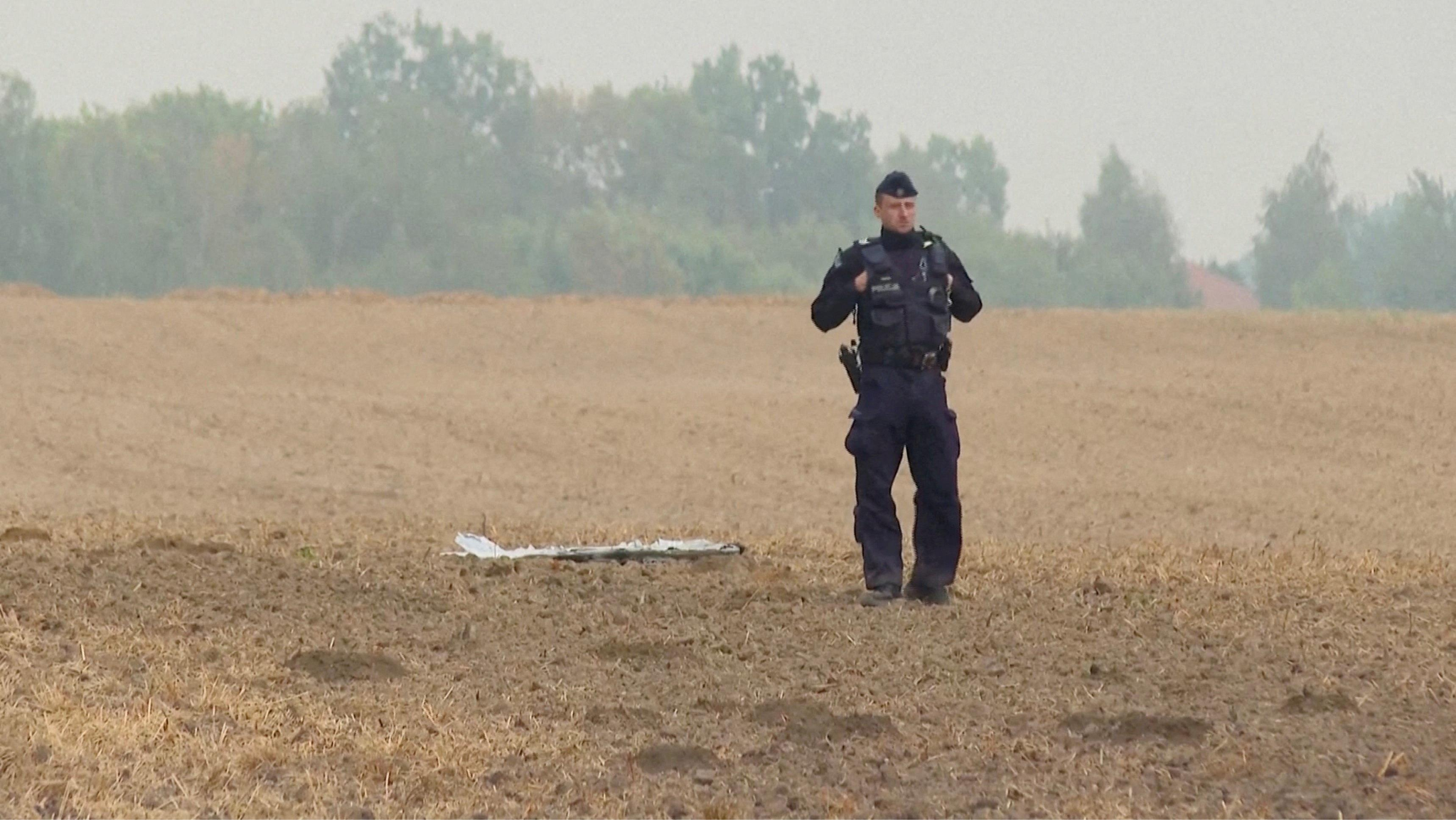
The latest security crisis began on November 20, when Polish authorities reported Russian projectiles entering the country's sovereign airspace during a major aerial offensive against neighboring Ukraine.
Investigations were opened in three locations: Nowy Lipowiec, Rudnik nad Sanem and Mołodycz.
Initial assessments identified several Russian military objects, while subsequent findings presented by Poland to NATO attributed the incident to Russian cruise missiles.
Polish Defense Minister Władysław Kosiniak-Kamysz described the violations as a provocation and called for greater involvement from NATO allies in protecting Polish territory.
Prime Minister Donald Tusk also questioned whether the incident could reasonably be explained as an accident, particularly given other military activities taking place in the region.
Despite the seriousness of the violations, authorities reported no injuries or substantial damage from the November 20 incident.
The reported evidence therefore establishes a significant breach of NATO airspace, rather than a mass-casualty attack involving more than 100 people.
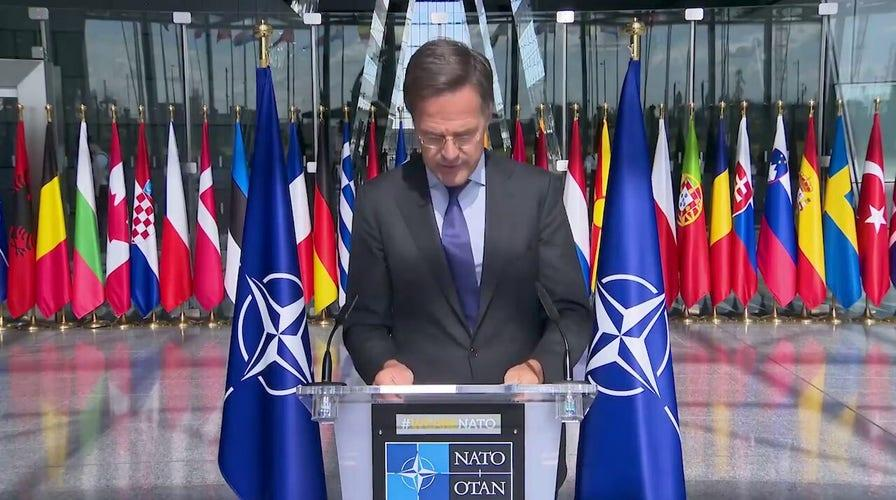
The crisis intensified on November 23 when Polish military authorities reported another incursion involving a Russian drone.
The incident occurred as Russia continued military operations against Ukrainian territory and shortly after NATO representatives had discussed the earlier violations.
For Warsaw, repeated violations present a challenge extending beyond the immediate risk posed by individual objects.
Poland formally requested an extraordinary meeting of the North Atlantic Council, NATO's principal political decision-making body.
During the November 23 meeting, Polish Deputy Defense Minister Paweł Zalewski and Military Counterintelligence Service chief Brigadier General Jarosław Stróżyk presented their government's investigative findings.
The Polish delegation called for measures to strengthen the country's defenses and discourage additional Russian incursions.
Allied representatives expressed unanimous solidarity with Poland.
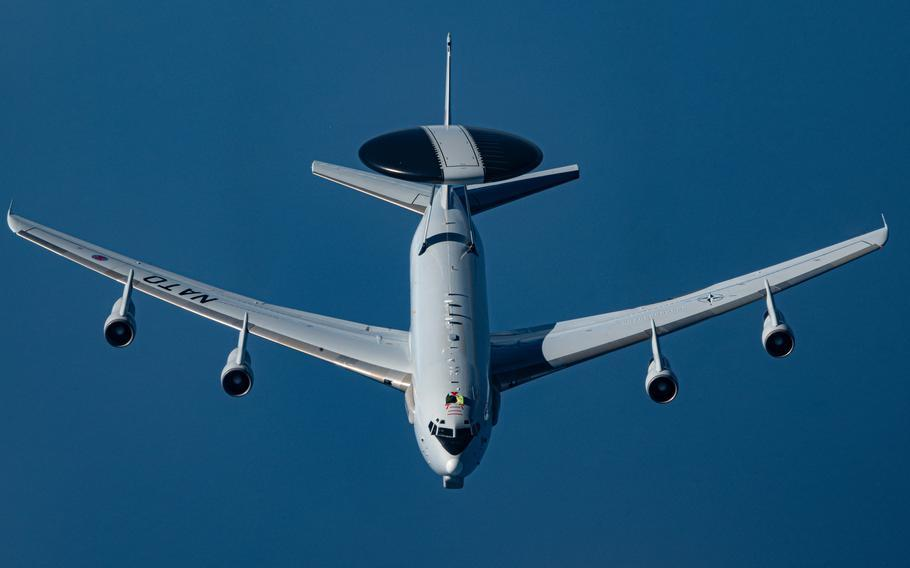
NATO subsequently assigned an airborne early-warning and surveillance aircraft to support the country. Additional capabilities remain under consideration.
The decision represents a reinforcement of NATO's defensive posture rather than authorization for offensive military operations against Russia.
Zalewski emphasized that the objective was to strengthen the alliance's ability to protect its members.
The meeting also provided an opportunity for allies to discuss how political and military pressure might discourage further escalation.
The circumstances surrounding the November 20 violations have prompted differing assessments of Russia's intentions.
Polish officials have suggested that the incident was deliberate, while NATO Secretary General Mark Rutte has emphasized the seriousness of the violations without treating the question of intent as conclusively resolved.
Of particular concern was the timing of the incident.
Poland was hosting a multinational military exercise involving countries that support Ukraine. Senior European defense officials were participating in the associated activities.
Associated Press reported that approximately 2,800 troops from 11 countries took part in the exercise, which examined preparations for a potential future European military mission in Ukraine.
Polish leaders questioned whether the airspace violations occurring during those activities could be dismissed as coincidental.
The Institute for the Study of War has assessed that the incidents may have been intended to discourage European military support for Ukraine and test NATO's willingness to respond.
That assessment represents an interpretation of Russia's strategic objectives rather than independently established evidence of a specific Kremlin order.
NATO's immediate response centers on expanding surveillance and strengthening defensive preparedness.
Airborne early-warning aircraft provide military commanders with information that can improve awareness of activity across large areas of airspace.
Their deployment can support coordination between allied forces and help authorities evaluate developing threats.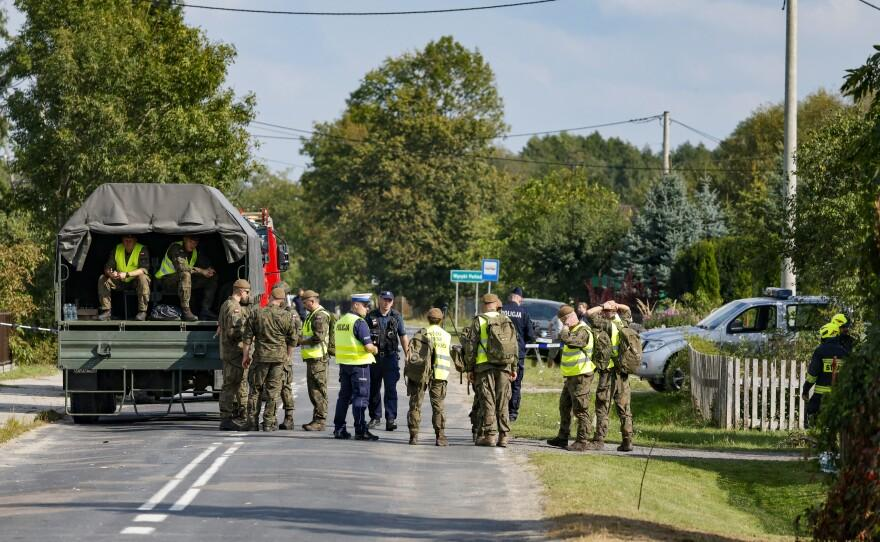
Poland has also requested additional reconnaissance resources and broader assistance with its air defense capabilities.
These measures are intended to improve the country's ability to detect and respond to future violations.
The November 23 government announcement contains no confirmation that NATO launched three warning missiles toward Russia.
Such an operation would represent a substantially different military and political development from the defensive measures publicly announced following the emergency meeting.
The United States remains a central participant in NATO's collective defense arrangements, making Washington's interpretation of the incident particularly important.
According to reporting by The Washington Post, President Donald Trump characterized the November 20 missile incident as a mistake.
That assessment contrasts with the interpretation expressed by senior Polish officials, who have suggested a deliberate provocation.
The difference illustrates the difficulty confronting NATO as it evaluates Russian military actions occurring near the alliance's borders.
Member governments may agree that their territory must be defended while maintaining different views about whether a particular incident was intentional.
Establishing intent can influence decisions about diplomatic pressure, economic restrictions and military preparedness.
 The latest incidents are part of a broader history of security concerns involving Russia and NATO's eastern members.
In September 2025, numerous Russian drones violated Polish airspace, prompting an emergency response involving several allied countries.
Poland subsequently requested consultations under Article 4 of the North Atlantic Treaty.
NATO announced Operation Eastern Sentry on September 12, 2025, to strengthen its defensive posture along the eastern flank.
The initiative was designed to improve cooperation between allied military forces and address emerging aerial threats.
Other NATO members, including Estonia, Latvia, Lithuania and Romania, have also experienced airspace violations or related security concerns.
The recurrence of such incidents has reinforced the alliance's emphasis on deterrence, preparedness and multinational coordination.
One of the most important questions surrounding the current crisis is whether repeated Russian violations could eventually trigger NATO's collective defense provisions.
Article 4 of the North Atlantic Treaty allows member countries to request consultations when they consider their security, territorial integrity or political independence threatened.
Article 5 addresses collective defense in response to an armed attack.
Under that provision, an armed attack against one or more qualifying alliance members is considered an attack against them all.
The nature of the incident, its consequences and the collective assessment of allied governments would all influence the response.
The emergency meeting requested by Poland in November 2026 has so far resulted in additional defensive support rather than the announcement of collective military action against Russia.
For residents of eastern Poland, the continuing incidents represent more than an international diplomatic dispute.
Communities located near Ukraine must contend with uncertainty created by a war taking place beyond their national border.
Local emergency services may also face additional responsibilities involving public alerts, temporary restrictions and investigations of suspicious objects.
A similar incident affecting a residential neighborhood or critical civilian infrastructure could produce a very different outcome.
Poland's efforts to obtain stronger defensive support therefore reflect concerns about preventing future harm as well as responding to events that have already occurred.
A confirmed attack resulting in more than 100 casualties inside Poland would have consequences substantially different from those associated with the current incidents.
Polish authorities would face immediate demands for emergency medical assistance, protection of affected communities and a comprehensive investigation.
NATO governments would also need to assess whether the incident constituted an armed attack under the alliance's treaty obligations.
Questions involving attribution, intent and the continuing threat would become particularly significant.
Possible responses could include additional defensive deployments, coordinated diplomatic measures and consultations concerning collective defense.
The precise outcome would depend on the circumstances and decisions of allied governments.
There is no predetermined military response that automatically follows a particular casualty figure.
The absence of an immediate public explanation leaves several questions unresolved.
Polish authorities have attributed the incursions to Russia, while NATO has assigned responsibility to Moscow.
Whether Russian officials eventually dispute those findings, characterize the incidents as accidental or provide another explanation remains to be seen.
A formal Russian response could influence whether the current crisis develops primarily into a diplomatic confrontation or leads to further military tension.
Several broad responses remain possible.
Moscow could dispute Poland's interpretation of the incidents and accuse NATO of increasing military tensions through additional deployments.
It could also seek to manage the confrontation through diplomatic communications intended to prevent further escalation.
Another possibility is that Russian military activity near NATO territory continues, prompting additional requests for defensive assistance from eastern European governments.
Each outcome would carry different consequences for relations between Moscow and the alliance.
A direct military attack against NATO territory would significantly increase the risk of collective defense consultations and broader international involvement.
Diplomatic engagement, by contrast, could provide an opportunity to clarify the circumstances of the incidents or establish measures intended to reduce the risk of repetition.
For NATO, the challenge involves balancing two fundamental responsibilities.
The first is protecting the territory and populations of its members. The second is preventing military incidents from developing into an uncontrolled confrontation between major powers.
An insufficient response could create doubts about the alliance's ability to protect its eastern members.
An unnecessarily aggressive response could increase the risk of a direct conflict extending beyond Ukraine.
The surveillance reinforcement announced this week illustrates an attempt to address both concerns.
Improved defensive preparedness can increase NATO's ability to respond to future incidents without requiring immediate offensive operations against another country.
The effectiveness of that approach will depend on whether the measures discourage further incursions and whether diplomatic channels remain functional.
Poland's government is seeking additional commitments from NATO allies as it evaluates the implications of the latest airspace violations.
The alliance's military leadership is considering whether further resources are necessary to strengthen regional security.
European governments must also assess how continuing support for Ukraine can be maintained while protecting their own populations from the consequences of the neighboring war.
For Moscow, further incidents could increase diplomatic isolation and encourage additional NATO military investment along Russia's western borders.
The immediate question is whether the latest reinforcement will deter another violation or whether Poland will face further emergencies in the coming days.
For now, NATO has chosen to strengthen its defenses rather than initiate offensive military action. Russia's eventual response, and the circumstances surrounding any future incursion, could determine whether the confrontation remains contained or develops into a substantially more dangerous European security crisis.
Comments (0)
Loading comments...
May You Like

CHICAGO DISASTER: 12 FIREFIGHTERS HOSPITALIZED, 4 CRITICAL—MYSTERY CHEMICALS FOUND IN BASEMENT!

IOWA NIGHTMARE: SECOND ARMY BLAST, 10,000 EVACUATED, 201+ HOSPITALIZED!

IRAN THREATENS SHIPS OVER HORMUZ PASSAGE AFTER CLAIMING A MINE STRIKE








Popular Posts




