
2027 VATICAN PROPHECY: POPE FRANCIS' SECRET WARNING FOR POPE LEO XIV!
Pope Francis’ Private Diary Reveals Spiritual Warnings as Leo XIV Faces Questions About His Health
VATICAN CITY — November 25, 2026 — The Vatican has published previously private writings belonging to the late Pope Francis, revealing deeply personal accounts of spiritual struggles, encounters he associated with the devil and concerns about the responsibilities of leading the Roman Catholic Church.
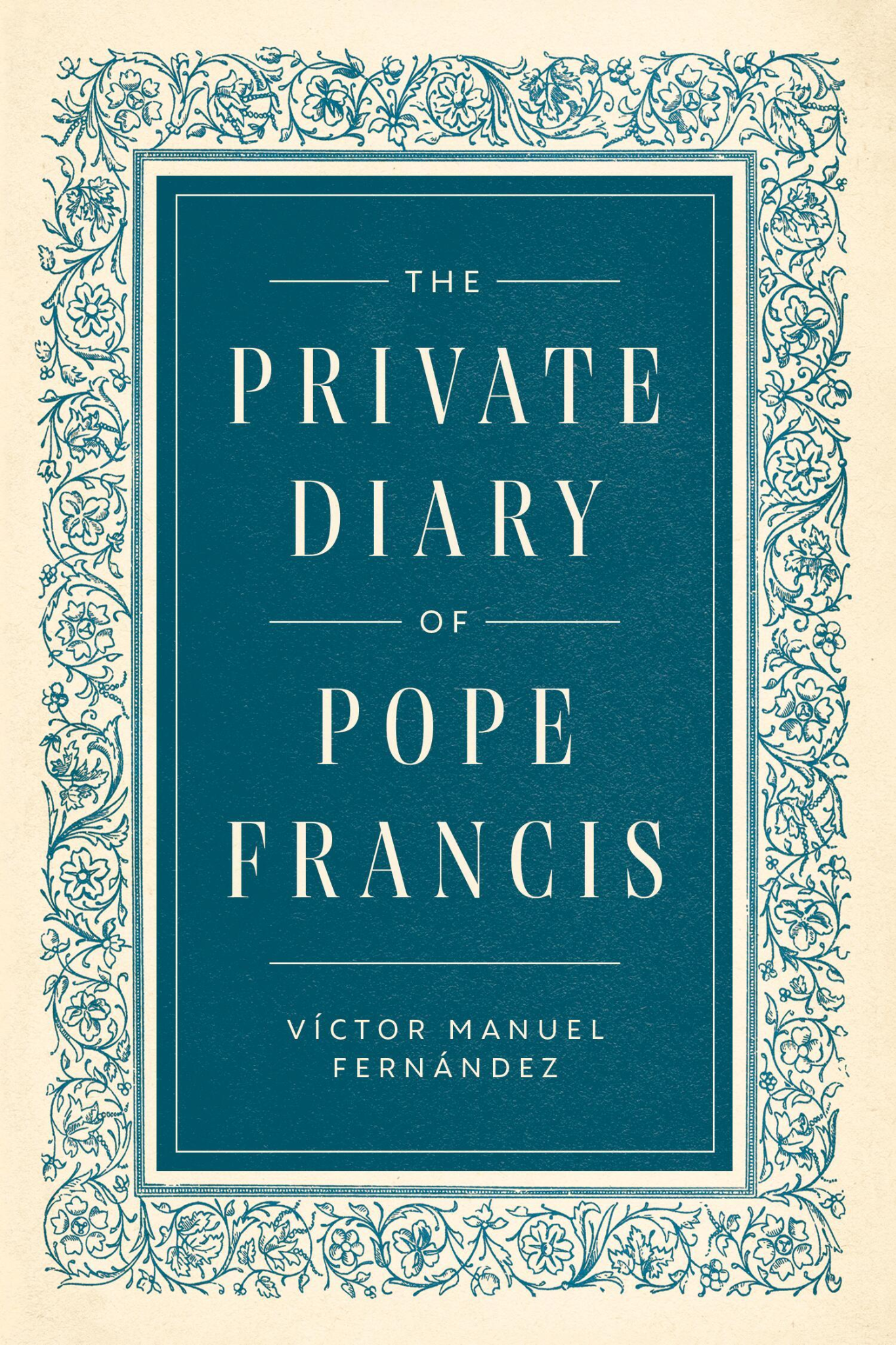
Released internationally on November 24, The Private Diary of Pope Francis presents notes written between December 1992 and August 2024, offering an unprecedented perspective on the Argentine pontiff's inner life.
The publication includes commentary from Cardinal Víctor Manuel Fernández, one of Francis' closest collaborators, and received the approval of his successor, Pope Leo XIV.
Its arrival comes during a significant period for the Vatican, as Leo XIV continues his recovery following surgery in October and prepares for international commitments in 2027.
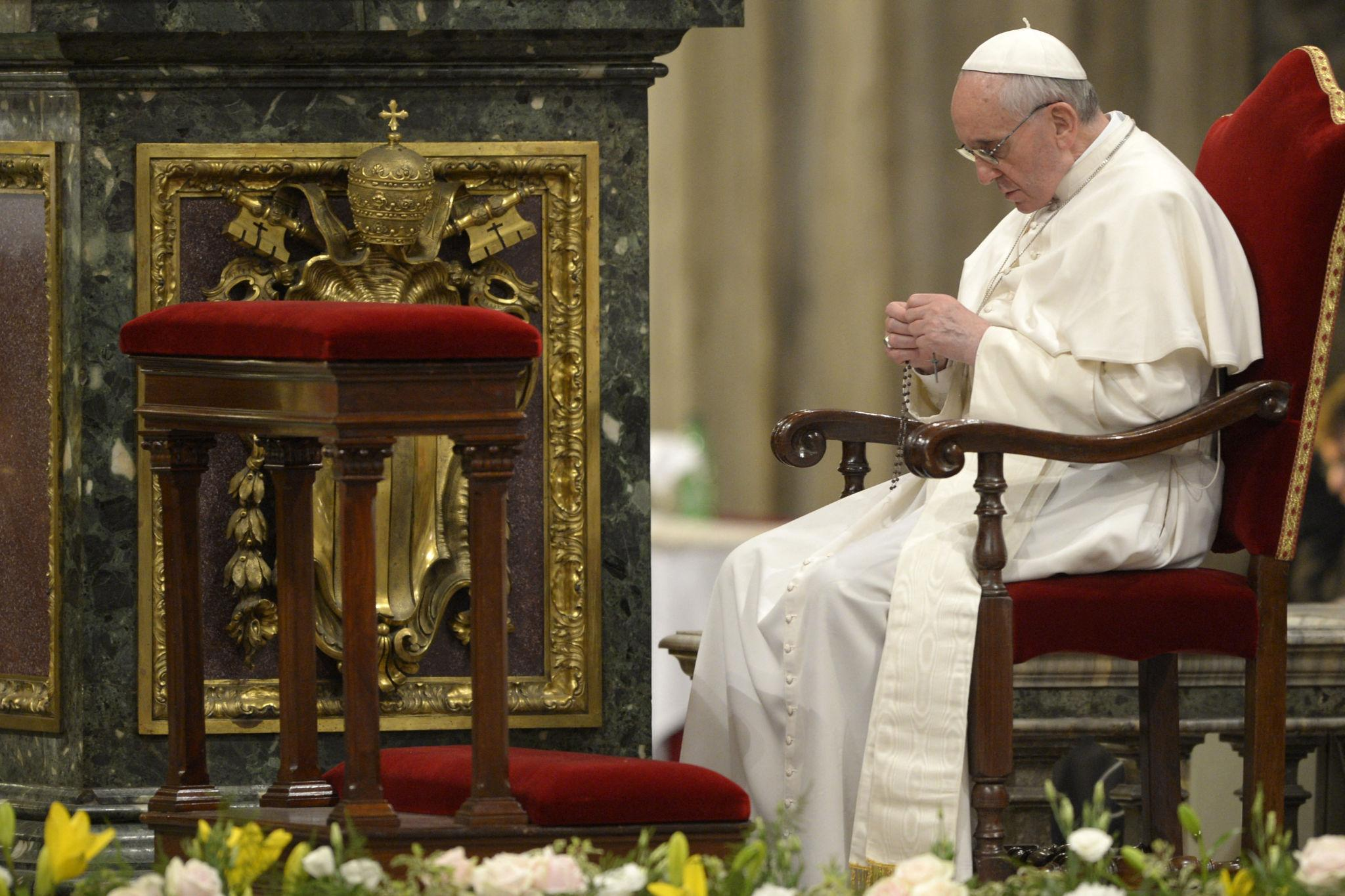
The documents published this week were never originally intended to function as a conventional autobiography.
Francis maintained personal notes throughout different stages of his religious life, beginning years before his election as pope in March 2013.
The material provides a historical record extending from his ministry in Argentina to the final period of his pontificate.
The Vatican Publishing House announced that the book would be distributed in 94 countries and published simultaneously in five languages.
For historians and religious scholars, personal writings of this kind offer a different perspective from the carefully prepared speeches, official letters and theological documents normally associated with a pope.
Public statements communicate institutional positions and religious teachings. Private reflections can reveal the personal questions behind those decisions.
The publication therefore provides an opportunity to examine how Francis understood his responsibilities, particularly during periods when the Catholic Church confronted significant internal and external challenges.
One of the most remarkable details surrounding the publication concerns how the documents reached Cardinal Fernández.
In an interview with Vatican News, Fernández recalled a private conversation with Francis at his residence in Santa Marta.
During that meeting, Francis directed his attention toward several documents and an appointment book containing personal writings.
The cardinal understood that Francis wanted material capable of benefiting readers to be made available after his death.
Following Francis' passing on April 21, 2025, Fernández became concerned about the future preservation of those documents.
He eventually raised the matter with Pope Leo XIV.
According to Fernández, the new pope located the box containing the writings within two days and sent it to him.
The decision allowed the cardinal to begin examining and organizing material that had remained outside public view for decades.
Leo also supported the inclusion of explanatory commentary to help readers understand the context of Francis' reflections.
The publication has revealed that some of Francis' most confidential reflections were recorded in an unusual system of symbols.
Fernández described portions of the original material as resembling hieroglyphics.
The existence of coded passages provides an important distinction between the original diary and the material now available to readers.
For researchers, interpreting an unfamiliar writing system would ordinarily require access to original documents, repeated examples of the symbols and sufficient contextual information to establish their meaning.
The Vatican's decision to respect the privacy of these passages means that part of Francis' personal record remains outside public examination.
The coded writings are consequently among the most mysterious elements of the diary, although no authenticated translation establishes a warning specifically concerning 2027.
Among the most personal passages published this week are descriptions of experiences Francis interpreted through the Catholic understanding of spiritual conflict.
The writings recount occasions when he believed he had encountered evil in a deeply immediate form.
Such accounts are particularly significant because they emerged from private notes rather than public sermons.
Associated Press reporting on the diary described a period during which Francis struggled with the demands of religious leadership and the danger of exercising authority without sufficient humility.
The material also indicates that Francis confronted these experiences through prayer and reliance on divine mercy.
Within Catholic spiritual tradition, descriptions of temptation and encounters with evil are often associated with questions of moral responsibility, faith and personal discernment.
These reflections offer insight into how Francis interpreted his own experiences. They do not provide an independently verifiable record of supernatural events.
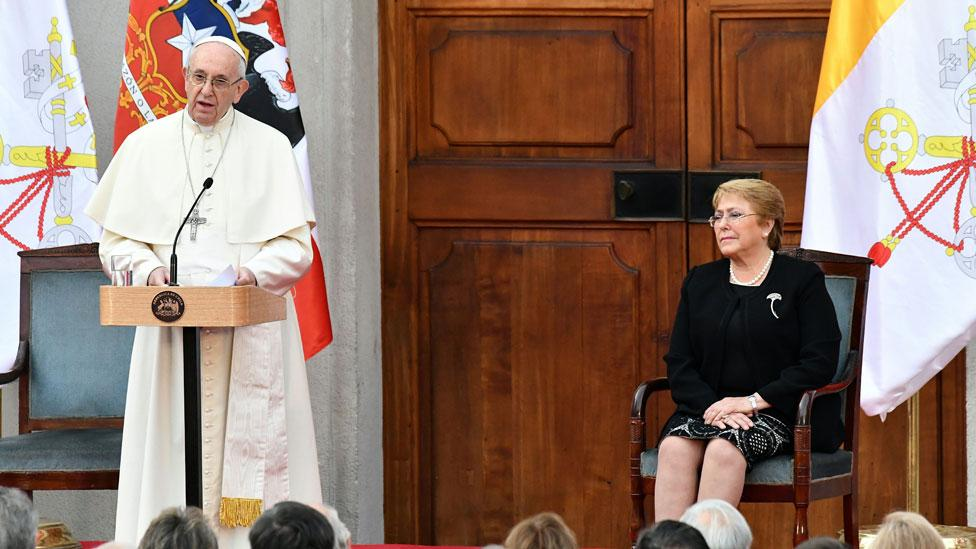
One of the historical events discussed in the newly published material concerns Francis' handling of the clergy sexual abuse scandal in Chile.
During his January 2018 visit, Francis initially defended a bishop against accusations connected to the scandal.
Questions from journalists subsequently challenged his understanding of the situation.
Francis later acknowledged that he had received misleading information. He commissioned an investigation, apologized to victims and sought accountability from Chilean church leaders.
In his diary, he associated the experience with seeing the “gates of hell.”
The expression reflected his interpretation of a crisis involving suffering, institutional failure and the responsibilities of religious authority.
The passage demonstrates that some of the diary's most dramatic spiritual descriptions were connected to identifiable events in the history of his pontificate.
For readers attempting to understand the meaning of those passages, establishing their historical context is particularly important.
A statement written during a specific crisis may represent a response to events already unfolding rather than a prediction concerning a future year.
The newly released material also describes a prolonged period of spiritual difficulty during 2021 and 2022.
Those years coincided with major responsibilities confronting Francis as the leader of an international religious institution.
The diary depicts a man examining his own weaknesses and questioning whether his decisions consistently reflected the teachings he sought to uphold.
The recurring theme of humility is particularly significant given the extraordinary authority associated with the papacy.
A pope is responsible for providing spiritual leadership to Catholics around the world while also overseeing an institution with extensive administrative, diplomatic and financial responsibilities.
Balancing those responsibilities can require difficult decisions involving competing concerns.
The published reflections suggest that Francis considered the dangers of excessive confidence in personal authority an important spiritual matter.
For the Catholic Church, these passages may offer a deeper understanding of his repeated public emphasis on mercy, service and the responsibilities of leadership.
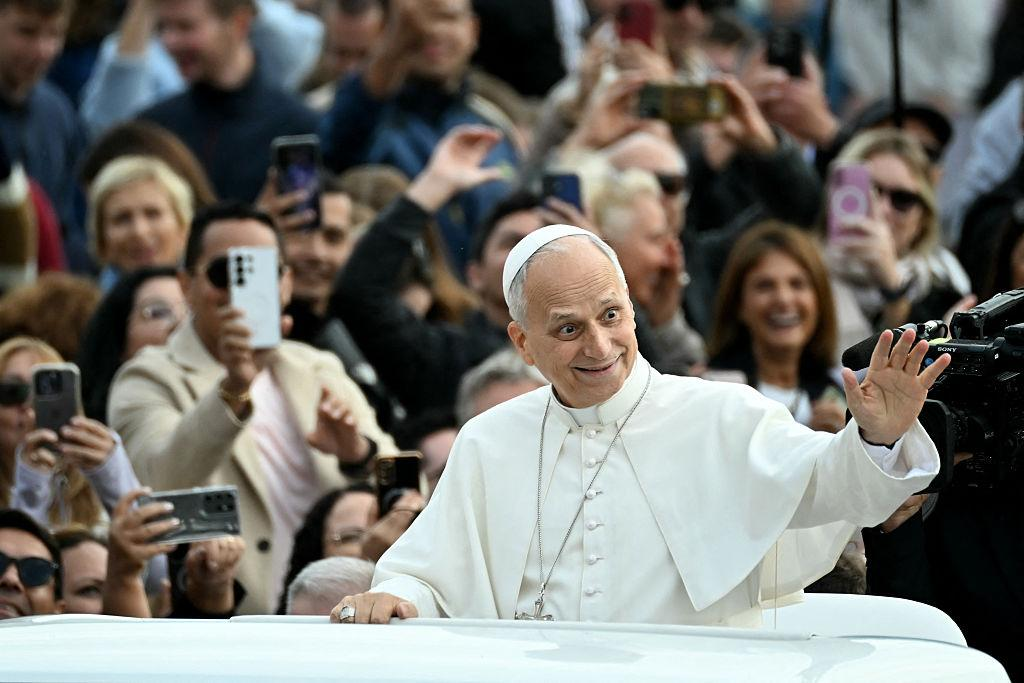
The release of Francis' diary coincides with renewed international attention to the health of his successor.
On October 26, the Holy See Press Office issued an official update concerning Leo XIV's recovery following surgery approximately two weeks earlier.
The statement confirmed that the procedure had been successful and that subsequent medical examinations indicated the condition was localized.
The Vatican also stated that no additional oncological treatment was necessary.
Leo had gradually resumed his activities while adjusting his schedule in consultation with medical professionals.
The arrangement allowed him to continue important appointments while maintaining appropriate periods of rest.
These medical disclosures provide a documented explanation for changes to his public schedule.
They also demonstrate why assessments of a pope's health should be based on official medical information rather than interpretations of facial expressions, physical movements or individual video recordings.
The Vatican's published assessment described his recovery as progressing favorably.
Another notable revelation concerns Francis' opinion of Robert Francis Prevost, the American-born cardinal who subsequently became Pope Leo XIV.
The diary includes a favorable assessment of Prevost's character and missionary service.
The passage is historically significant because it was written before Prevost became pope.
At the time, Francis knew him through his responsibilities within the Catholic Church.
Their relationship offers an important connection between the newly published writings and the current pontificate.
Nevertheless, a favorable personal assessment of a cardinal is different from a prediction that the individual would eventually become pope.
The Catholic Church elects a successor through a conclave following the death or resignation of a reigning pontiff.
The process involves decisions made by eligible cardinals under established ecclesiastical procedures.
While discussion of Francis' diary has generated questions about the future, Leo XIV has already addressed one major event scheduled for 2027.
Speaking to journalists following his recent Latin American journey, the pope said that planning for next year's international visits remained underway.
He identified World Youth Day in South Korea as the journey that had already been confirmed.
Other potential destinations remained under consideration.
The announcement provides a concrete explanation for why 2027 is an important year on the Vatican's calendar.
World Youth Day brings together young Catholics from numerous countries for religious services, meetings and cultural activities.
Hosting such an event requires extensive preparations involving church authorities, local organizers and participants traveling internationally.
For Leo XIV, it will represent an opportunity to address a younger generation of Catholics and communicate his priorities for the future of the Church.
His comments establish an actual commitment for 2027 rather than a prediction derived from Francis' private writings.
Vatican News
Throughout Christian history, personal spiritual writings have frequently attracted attention following the deaths of prominent religious figures.
Readers may search such documents for connections between earlier reflections and events that occur years later.
However, establishing a genuine prediction requires more than identifying similarities between two separate events.
A historian would ordinarily need to demonstrate that a specific statement existed before the event occurred, that its meaning can be established reliably and that subsequent interpretations have not altered its original context.
Dates, original wording and the circumstances under which a document was written are therefore important.
This is especially relevant when a historical text contains symbolic religious language.
Expressions involving darkness, suffering, renewal or divine intervention may carry theological meanings that are substantially different from literal predictions about identifiable future events.
Francis' diary belongs to a religious tradition in which spiritual reflections often focus on moral conduct and humanity's relationship with God.
Catholic teaching distinguishes between the Church's foundational revelation and personal spiritual experiences sometimes described as private revelations.
The distinction applies even when a spiritual experience is associated with a respected religious figure.
Religious discernment involves examining their relationship with established teachings and their potential significance for spiritual life.
For Catholics reading Francis' diary, this framework offers a way to approach its contents without requiring every passage to be interpreted literally.
The writings may communicate personal struggles, lessons about religious leadership and reflections on faith.
Their theological meaning can be considered separately from claims involving specific dates or predictions about another person's health.
The publication of Francis' private writings during Leo XIV's medical recovery has brought two significant Vatican developments into the same period.
For some believers, such circumstances may encourage reflection on divine providence and the continuity of religious leadership.
Others may examine the historical events independently, focusing on the documents and medical statements associated with each.
The belief that events form part of God's plan belongs to the realm of religious conviction.
Historical investigation and medical science address different questions, including when events occurred, what evidence is available and which explanations are supported by documentation.
The timing of the book's release reflects an editorial process that began after Francis' death and received his successor's approval.
Leo's recovery, meanwhile, is documented through medical updates issued by the Holy See.
Each development has its own identifiable historical context.
Francis spent an extended period in hospital during the closing months of his life.
According to his official Vatican biography, he was admitted to Rome's Gemelli Hospital in February 2025 and remained there for 38 days while receiving treatment for bilateral pneumonia.
After returning to the Vatican, he continued carrying out elements of his religious ministry.
On Easter Sunday, April 20, he appeared at St. Peter's Basilica to deliver a blessing and greet the faithful.
He died the following morning.
His death brought an end to a pontificate that had lasted more than 12 years and initiated the process that ultimately led to Leo XIV's election.
The diary now offers another means of understanding Francis' life beyond the public events through which his leadership was previously documented.
Its most enduring significance may therefore concern the relationship between religious authority, personal vulnerability and spiritual responsibility.
As the Catholic Church prepares for another year under Pope Leo XIV, the newly published diary provides a connection with the personal experiences of his predecessor.
The original coded sections remain unpublished. The available passages reveal spiritual reflections rather than an authenticated forecast of events in 2027.
Meanwhile, Leo's medical recovery continues to be addressed through official Vatican communications, and preparations for future international religious commitments are underway.
For historians, the diary offers material through which Francis' understanding of leadership and faith can be examined.
For believers, it presents a deeply personal account of a religious leader confronting human weakness while seeking spiritual guidance.
Comments (0)
Loading comments...
May You Like

AMERICA’S NEW-GENERATION AIRCRAFT CARRIERS — MILITARY MIGHT BUILT AT THE EXPENSE OF THE PEOPLE

IOWA MILITARY EMERGENCY: 51 TONS OF UNSTABLE SUSPECTED BIOWEAPON WASTE FOUND AFTER 5-TON BLAST!

PACIFICA PIER IN CALIFORNIA COLLAPSE REVEALS MASSIVE CRACK BENEATH THE OCEAN!










Popular Posts


