
44 DEAD, 200+ QUARANTINED, NOT A STOMACH BUG ON A PRINCESS CRUISES SHIP!
Caribbean Princess Outbreak Leaves 200 Sick, 44 DEAD as CDC Investigates Identified Illness During Panama Canal Voyage
FORT LAUDERDALE, Florida — November 21, 2026 — Federal health officials are investigating an outbreak of gastrointestinal illness aboard Princess Cruises' Caribbean Princess after 148 passengers and crew members reported symptoms during a 12-night voyage through the Caribbean and Panama Canal region. The cause remains unidentified as the ship approaches its scheduled return to Florida.
The U.S. Centers for Disease Control and Prevention reported 134 sick passengers and 14 sick crew members.
The ship departed Port Everglades on November 11 and is scheduled to return November 23.
The predominant symptoms were vomiting and diarrhea.
Princess Cruises notified the CDC's Vessel Sanitation Program on November 15, and the agency published its outbreak notice on November 17.
The cruise line reported enhanced cleaning and disinfection procedures, isolation of affected passengers and crew, and collection of stool specimens for testing.
The CDC is monitoring the response remotely while laboratory work continues.
The Caribbean Princess left South Florida for an itinerary that included ports in the Caribbean and Central America.
The planned route included Aruba, Colombia, Panama, Costa Rica and Grand Cayman.
The voyage combined several port visits with extended periods aboard a large passenger ship.
Thousands of travelers shared dining venues, entertainment areas, elevators and other common facilities.
During the sailing, passengers and crew began reporting gastrointestinal symptoms.
The outbreak reached the CDC's publication threshold for cruise ship illness incidents.
Princess Cruises reported the situation to federal health authorities on November 15.
By the time the CDC published its notice, 148 people had been recorded as ill.
The voyage was still underway.
The CDC reported 134 ill passengers out of 2,936 aboard.
That represents approximately 4.6% of passengers.
Among the crew, 14 of 1,132 people reported illness, or approximately 1.2%.
The combined total was 148 cases among 4,068 passengers and crew members.
That is approximately 3.6% of everyone aboard.
These figures are cumulative for the voyage.
They do not mean that all affected people were sick at the same time.
Some passengers may have recovered while others developed symptoms later.
The numbers also reflect reported cases meeting the applicable definition.
They should not be treated as a count of every person who experienced minor discomfort during the trip.
The figure of nearly 150 is not an estimate produced by journalists.
It comes from the CDC's published outbreak data.
The agency listed 134 passengers and 14 crew members.
Together, those numbers equal 148.
That is why many headlines describe the incident as affecting nearly 150 people.
The figure may change as additional reports are received.
However, the published data do not establish a higher confirmed total.
A claim that more than 200 people were affected would require additional documented cases.
The difference between a confirmed count and a larger claim is important.
An outbreak report is a snapshot of information available at a particular stage of a voyage.
It is not necessarily the final total.
Princess Cruises reported the outbreak to the CDC on November 15.
That was four days after the ship departed Fort Lauderdale.
The agency published the incident on November 17.
The report identified the vessel, voyage dates, number of people aboard and number reporting illness.
It also described the predominant symptoms and response measures.
The timing of publication does not establish that the company delayed reporting improperly.
Cruise ships operating under the CDC's jurisdiction follow defined illness reporting procedures.
The agency publishes qualifying outbreaks according to established criteria.
The November Caribbean Princess incident exceeded the passenger threshold.
That led to its inclusion in the federal outbreak record.
The primary symptoms were vomiting and diarrhea.
Both are common signs of gastrointestinal illness.
Such symptoms can result from several different pathogens.
Viruses, bacteria and other causes may produce similar clinical presentations.
The symptoms alone cannot identify the organism responsible.
That is why laboratory testing is necessary.
The CDC lists the causative agent for the Caribbean Princess outbreak as unknown.
Specimens have been collected, but the agency has not published a confirmed diagnosis.
This is a critical distinction.
An unidentified gastrointestinal outbreak is not the same as the discovery of a new virus.
The public health investigation is intended to determine the cause.
The CDC has not announced the discovery of a new virus aboard the Caribbean Princess.
The agency's outbreak notice identifies the causative agent as unknown.
That means the organism has not yet been confirmed.
Several established viruses and bacteria can cause vomiting and diarrhea.
Norovirus is a common cause of cruise ship gastrointestinal outbreaks.
However, it has not been confirmed as the cause of this November incident.
Dr. Aileen Marty, an infectious disease expert at Florida International University, told CBS News Miami that testing would help determine whether the illness involved norovirus, another virus or bacteria.
The investigation remains focused on identifying the cause rather than announcing a new disease.
Norovirus spreads easily in environments where people share facilities and frequently touch common surfaces.
It can cause vomiting, diarrhea, nausea and abdominal discomfort.
Symptoms may begin relatively quickly after exposure.
The virus can spread through contaminated food, water, surfaces or contact with infected people.
Cruise ships are one of several settings where outbreaks can occur.
Schools, healthcare facilities and other communal environments can also experience norovirus outbreaks.
But symptoms alone are not sufficient to confirm the diagnosis.
The Caribbean Princess outbreak remains under investigation.
The distinction matters because different pathogens may require different investigative conclusions.
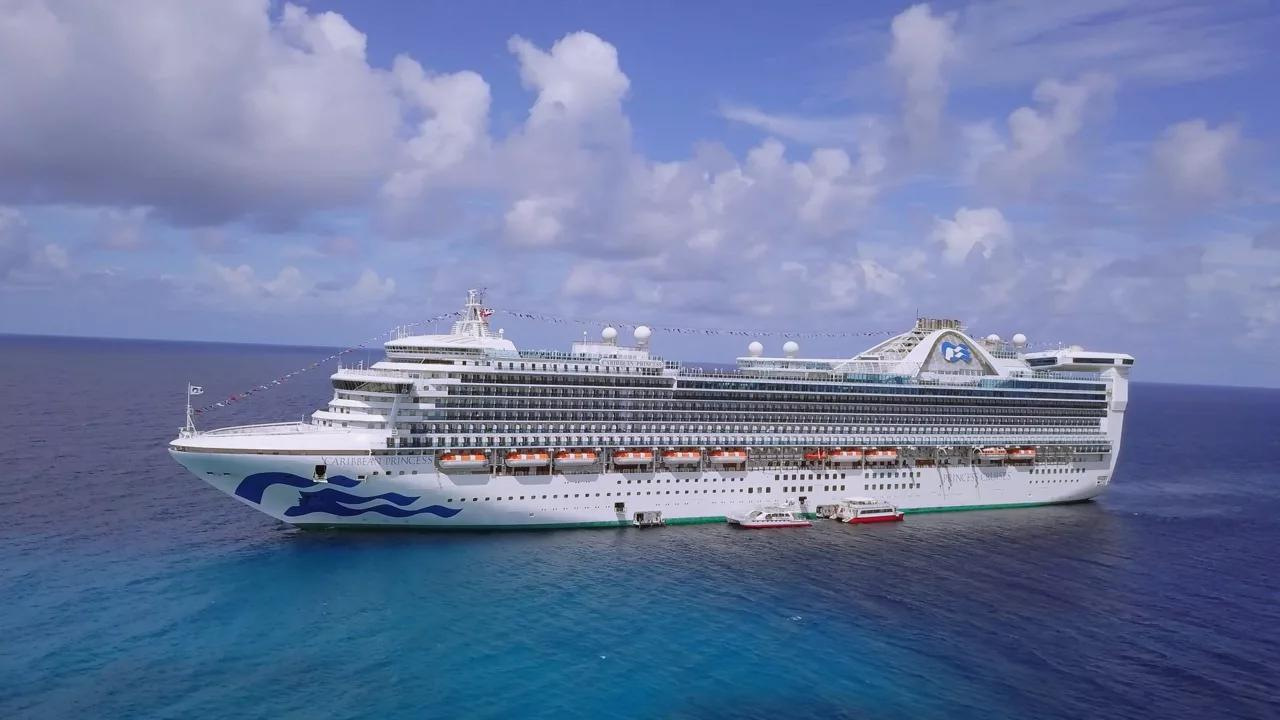
Princess Cruises reported collecting stool specimens from affected passengers and crew members.
Those samples are intended to help identify the organism responsible.
Laboratory testing may detect viral or bacterial pathogens associated with gastrointestinal illness.
Investigators can then compare the findings with the symptoms and timing of cases.
However, laboratory confirmation does not automatically reveal how every person became infected.
Determining transmission patterns may require additional information.
Health officials may examine when symptoms began and whether affected people shared particular exposures.
The CDC's current report does not identify a confirmed source.
The laboratory results remain an important next step in the investigation.
Princess Cruises reported increasing cleaning and disinfection procedures.
The company also isolated passengers and crew members who became ill.
Those measures are intended to reduce opportunities for further transmission.
The cruise line collected specimens and consulted with CDC officials.
The agency confirmed these actions in its public outbreak notice.
The company described the illnesses as generally mild.
It also emphasized that most passengers were unaffected.
Those statements reflect the cruise line's account of conditions aboard.
The CDC's independent report provides the confirmed illness counts and the response measures it is monitoring.
Isolation can help reduce the spread of gastrointestinal illness.
On a cruise ship, it may involve asking affected passengers to remain in their cabins temporarily.
Crew members who become ill may be removed from duties involving close contact with passengers.
The exact arrangements depend on the ship's procedures and public health guidance.
The CDC confirms that isolation was part of the Caribbean Princess response.
However, the agency does not report that more than 200 people were isolated.
It also does not publish a complete count of everyone who was isolated at any particular moment.
The confirmed number of reported illnesses was 148.
The number of people placed under isolation cannot be assumed to exceed that figure without additional evidence.
Enhanced cleaning is a standard response to gastrointestinal illness aboard passenger vessels.
Shared surfaces can include handrails, elevator controls, restroom fixtures and dining areas.
Cleaning removes contamination.
Disinfection using appropriate products can help reduce infectious organisms.
The effectiveness of specific procedures depends on the pathogen involved.
Because the cause of the Caribbean Princess outbreak remains unknown, broad infection-control measures are important.
The CDC says it consulted with the cruise line about sanitation procedures.
Nor has it reported that Princess Cruises deliberately failed to control the illness.
The response is continuing as the voyage approaches its scheduled end.
The CDC's Vessel Sanitation Program oversees gastrointestinal illness reporting on cruise ships operating within its jurisdiction.
When a qualifying outbreak occurs, the program can review information supplied by the vessel, including illness totals and sanitation measures.
For the Caribbean Princess, the agency says it is monitoring the response remotely.
That includes reviewing the ship's cleaning procedures and the measures used to manage reported cases.
Remote monitoring is an established form of public health oversight.
It does not establish that the ship has been abandoned by health authorities.
Nor does it mean that a team has discovered an unusually dangerous pathogen.
The CDC's published record identifies a gastrointestinal outbreak with laboratory results still pending.
One important detail in the CDC's report concerns how cases are counted.
The 148 illnesses represent reports accumulated during the voyage.
Some passengers may have become ill earlier and recovered before additional cases appeared.
Others may have developed symptoms later.
The agency explicitly distinguishes cumulative cases from the number of people sick at a particular moment.
That distinction matters when evaluating reports about isolation.
A person may be isolated while experiencing symptoms and later return to normal activities under the ship's procedures.
Consequently, the number of people isolated at one time cannot be calculated simply from the cumulative case total.
The November outbreak was not the ship's first gastrointestinal illness incident of 2026.
The CDC recorded another outbreak aboard the Caribbean Princess during a voyage from April 28 to May 11.
That earlier incident affected 145 passengers and 15 crew members.
The combined total was 160.
Unlike the current outbreak, the May incident was confirmed to involve norovirus.
The cruise line increased cleaning, isolated sick passengers and crew, and collected specimens.
The CDC also conducted an environmental assessment and outbreak investigation.
The earlier case provides relevant context because it occurred on the same vessel.
The two voyages involved different dates and travelers.
Princess Cruises has experienced additional gastrointestinal outbreaks on other vessels during 2026.
In March, the Star Princess reported 153 illnesses associated with norovirus.
During a June-to-July voyage, the Ruby Princess also experienced a norovirus outbreak.
The CDC's records identify four qualifying outbreaks involving Princess Cruises vessels during the year, including the current Caribbean Princess incident.
Those outbreaks have attracted attention because they involve the same cruise company.
But the cases occurred on different ships and voyages.
Each incident requires its own evidence concerning the pathogen, timing and possible transmission routes.
The earlier Caribbean Princess outbreak offers an example of how a cruise ship gastrointestinal investigation can develop.
In May, laboratory testing identified norovirus.
The CDC conducted an onboard environmental assessment and outbreak investigation.
The cruise line reported cleaning, disinfection, isolation and specimen collection.
Those measures resemble several of the actions reported during the November voyage.
However, the CDC has not announced an equivalent onboard field investigation for the current incident.
It is monitoring the November outbreak remotely.
The difference reflects the public record of each response.
It should not be interpreted as evidence that authorities know the November outbreak involves a more dangerous organism.
The CDC's November outbreak report contains no finding of 44 deaths aboard the Caribbean Princess.
The agency lists vomiting and diarrhea as the predominant symptoms.
Princess Cruises described the reported illnesses as generally mild.
CBS News Miami, NBC and Local 10 reported the gastrointestinal outbreak without identifying a mass-fatality incident.
A claim involving 44 deaths would require substantial independent evidence.
That could include official casualty records, statements from maritime or medical authorities, or documented emergency operations.
No such evidence appears in the reviewed reporting.
The confirmed public health incident concerns 148 reported illnesses.
The distinction is essential because illness counts and death counts describe fundamentally different outcomes.
The allegation that more than 200 people were isolated also requires careful interpretation.
The CDC confirms that sick passengers and crew members were isolated.
It does not give a total of 200 people placed under isolation.
The agency's reported illness count was 148.
There may be circumstances in which people are monitored or temporarily separated without being counted as confirmed cases.
But the available record does not establish that this occurred for more than 200 people aboard the Caribbean Princess.
Without an official isolation count or reliable supporting documentation, the larger figure cannot be treated as established.
The confirmed response remains isolation of sick people, enhanced sanitation and specimen collection.
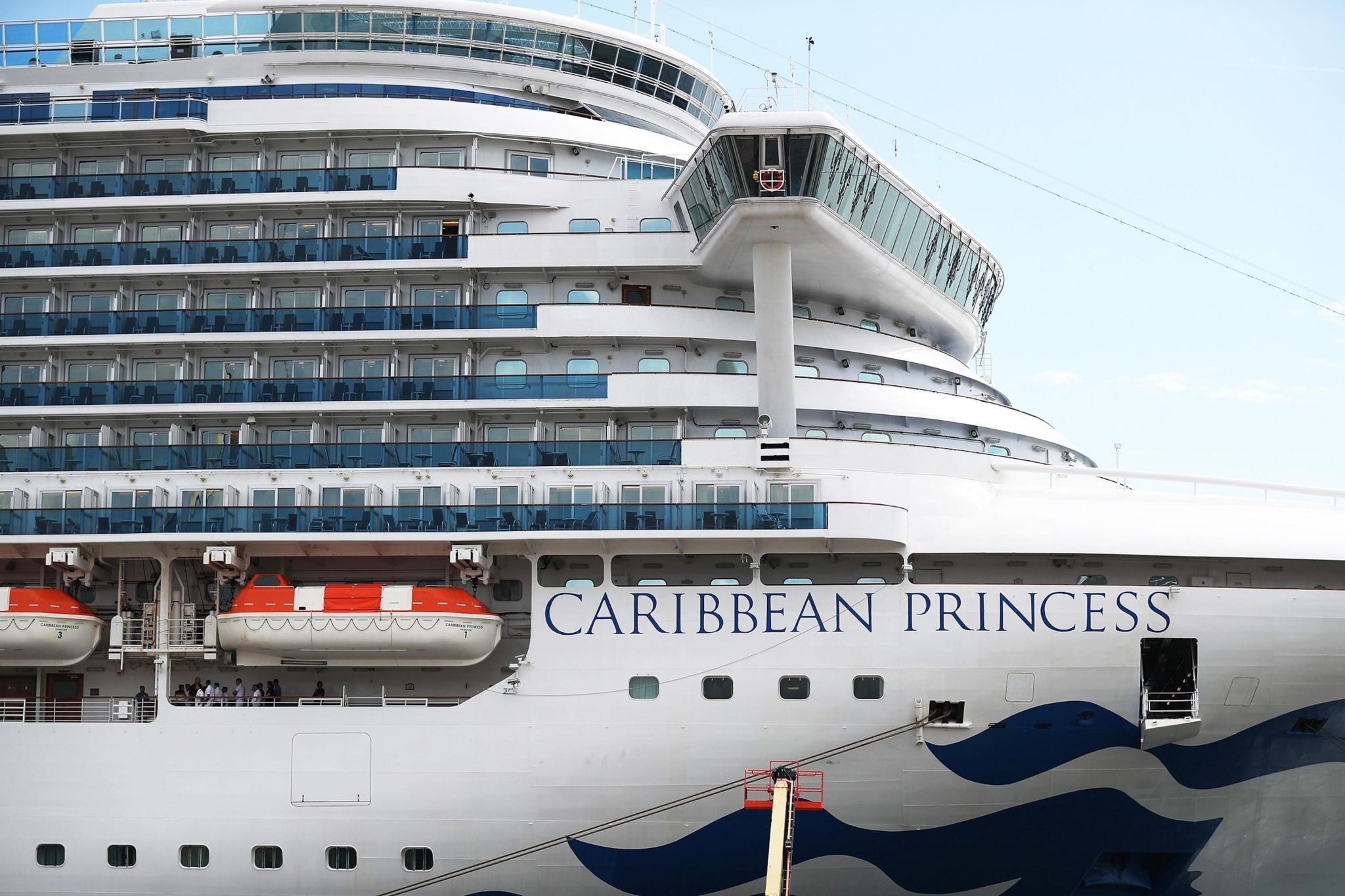
The Caribbean Princess is scheduled to return to Fort Lauderdale on Monday, November 23.
That arrival will mark the end of the current voyage.
The cruise line has not announced an early termination of the itinerary in the reports reviewed.
The CDC may receive additional illness information before the ship returns.
Laboratory results may also provide a clearer explanation of the outbreak.
Until those results are available, the causative agent remains unknown.
The final case total may differ from the figure published November 17.
Any subsequent findings will be important for understanding the outbreak's development and evaluating the effectiveness of the response.
The CDC recommends frequent handwashing to help prevent gastrointestinal illness during cruises.
Passengers who develop vomiting or diarrhea should report symptoms to the ship's medical center.
That allows medical personnel to assess their condition and helps the crew identify potential outbreaks.
Passengers should also follow instructions concerning isolation and shared facilities.
Dehydration can become a concern when vomiting or diarrhea is severe or persistent.
Medical assessment is particularly important for people experiencing serious symptoms.
These precautions apply regardless of whether the eventual diagnosis is norovirus or another pathogen.
For the Caribbean Princess, the cause remains under investigation.
The CDC's advice focuses on preventing further transmission while the ship continues its voyage.
The most important unanswered question is which organism caused the outbreak.
Laboratory testing may identify the pathogen.
Investigators may then consider the timing of illnesses and possible routes of transmission.
Another question concerns the final number of people affected before the voyage ends.
The CDC's current figure represents cases reported during the sailing, not necessarily the final total.
Health authorities may also assess the ship's response and sanitation procedures.
Those are questions grounded in the documented outbreak.
The available evidence does not establish a newly discovered virus, a mass-fatality event or a deliberate effort to conceal additional cases.
The Caribbean Princess departed Fort Lauderdale on November 11 for a 12-night voyage through the Caribbean and Panama Canal region.
Princess Cruises reported a gastrointestinal illness outbreak to the CDC on November 15.
By the agency's published update, 134 passengers and 14 crew members had reported symptoms.
The cruise line increased cleaning, isolated affected people and collected laboratory specimens.
The CDC began monitoring the response.
The ship remained scheduled to return to Florida on November 23.
Comments (0)
Loading comments...
May You Like

IRAN THREATENS SHIPS OVER HORMUZ PASSAGE AFTER CLAIMING A MINE STRIKE

THANKSGIVING CRISIS: NYC PARADE POSTPONED AFTER FBI WARNING—$900 MILLION LOST!

10,000 CIA AND U.S. SPY RECORDS LEAKED—3 INTELLIGENCE AGENCIES ORDER EMERGENCY REVIEWS!















