
5 JETBLUE PASSENGERS DEAD BEFORE REFUSING HOSPITAL CARE AT FORT LAUDERDALE AIRPORT, FLORIDA!
Five Declined Hospital Transport After JetBlue Turbulence: What Happened Before the Aircraft Landed in Florida?
FORT LAUDERDALE, Fla. — November 18, 2026 — A JetBlue flight traveling from Puerto Rico to South Florida encountered severe turbulence early Tuesday, prompting an emergency response at Fort Lauderdale-Hollywood International Airport. Five people aboard the aircraft reported injuries or required medical evaluation, raising questions about the events that unfolded during the flight.
JetBlue Flight 1717 had departed from Ponce, Puerto Rico, shortly after 5 a.m. on November 17.
According to Broward Sheriff Fire Rescue, emergency personnel received reports of multiple injuries at approximately 6:25 a.m., more than half an hour before the aircraft reached its destination.
The Airbus A320 landed safely, but the emergency response highlighted a distinction that can be overlooked during aviation incidents.
An aircraft can remain completely operational while people inside its cabin suffer potentially significant injuries.
What happened during those moments of turbulence? And what could recordings from inside the aircraft reveal about the physical forces experienced by its occupants?
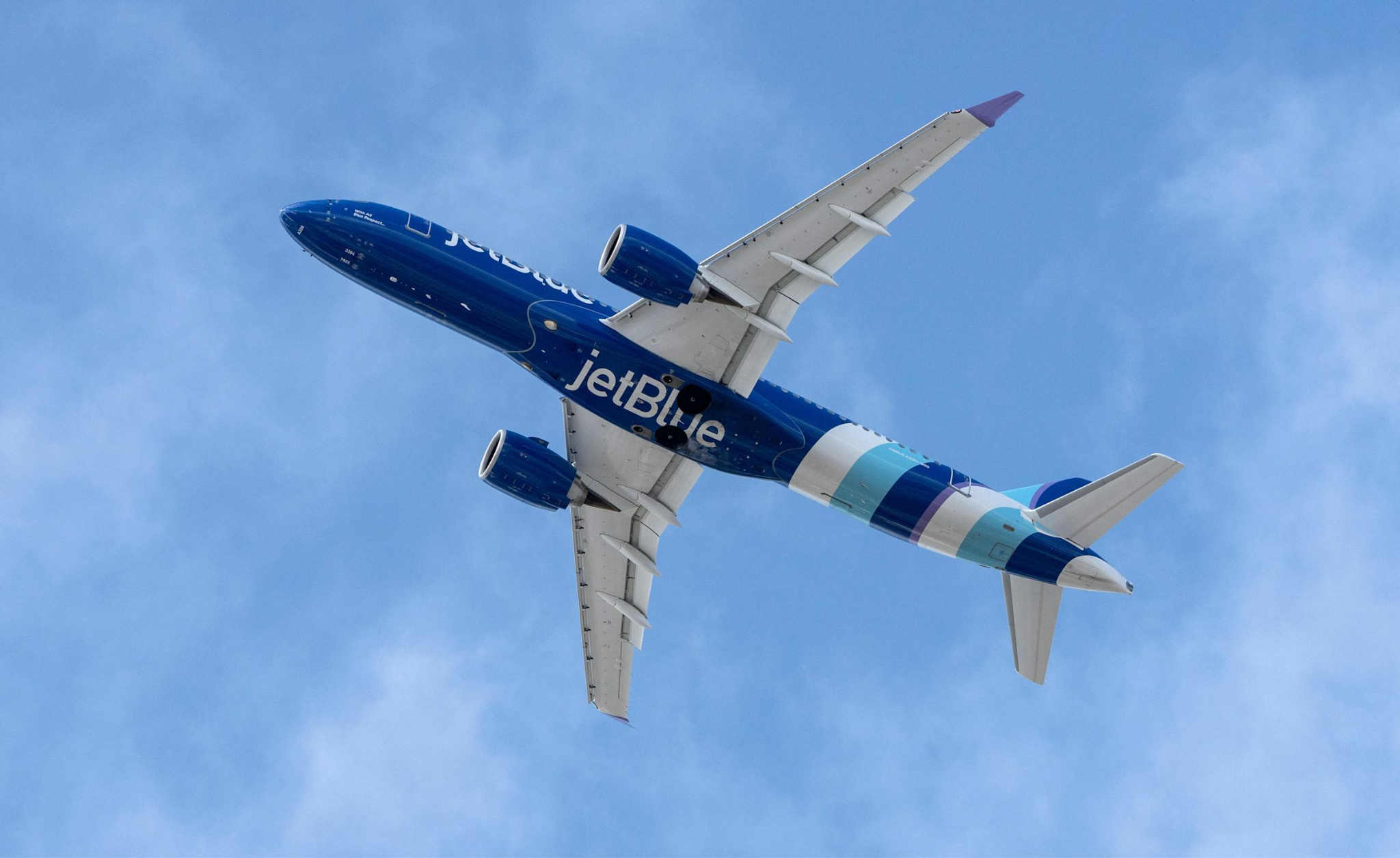
The aircraft departed Mercedita Airport in Ponce at approximately 5:01 a.m., according to flight-tracking information reviewed by AccuWeather.
Its destination was Fort Lauderdale-Hollywood International Airport, a major transportation hub serving millions of travelers across South Florida.
The journey required crossing Caribbean waters before approaching the Florida coastline.
Aviation incident reporting identified the aircraft as an Airbus A320-200 registered as N524JB.
For passengers, the early departure was part of an ordinary commercial travel schedule. For the flight crew, the journey involved monitoring atmospheric conditions and coordinating with air traffic controllers along the route.
Weather conditions across the Caribbean, however, were becoming increasingly relevant to the flight.
Thunderstorm activity had developed across portions of the surrounding region, creating conditions capable of producing substantial atmospheric disturbances.
Investigators examining the encounter would need to establish precisely where the aircraft was when the strongest turbulence occurred.
At approximately 6:25 a.m., Broward County emergency personnel were notified that an approaching aircraft was carrying people who might require medical attention.
The notification changed the preparations underway at the airport.
Rather than receiving the aircraft through an ordinary arrival procedure, airport personnel coordinated with fire rescue teams to arrange medical evaluations.
Emergency responders needed access to the aircraft as soon as it reached the terminal.
Advance notification is particularly important during aviation-related medical incidents because the condition of an injured individual may change before landing.
Flight attendants must simultaneously assist affected occupants, communicate with the pilots and maintain safety throughout the cabin.
Although the immediate turbulence may have ended, its physical consequences can remain.
Flight 1717 touched down at approximately 6:58 a.m.
The reported emergency notification had occurred around 33 minutes earlier.
That interval does not represent the duration of the turbulence. Instead, it establishes the period between emergency personnel receiving the report and the aircraft reaching the airport.
During this time, the pilots continued toward Fort Lauderdale while ground teams prepared for arrival.
The aircraft subsequently proceeded to Terminal 3.
Its safe landing established that the flight crew had completed the journey without a reported structural failure.
However, the absence of aircraft damage did not eliminate the need to establish what had happened inside the passenger compartment.
For the people requiring medical attention, the landing marked the beginning of another stage of the incident.
Meteorologists examining conditions surrounding Flight 1717 identified a potentially significant environmental factor.
Thunderstorms were active over the southeastern Bahamas, the Turks and Caicos Islands and waters north of Haiti.
According to The Weather Channel, some of those thunderstorms extended to altitudes between 45,000 and 50,000 feet.
Such systems can contain powerful vertical air currents capable of producing considerable turbulence.
Commercial aircraft frequently adjust their routes to avoid hazardous weather conditions.
Tracking information showed Flight 1717 changing direction north of the Dominican Republic.
The maneuver may have been associated with efforts to avoid storm activity, although the precise cause and location of the turbulence encounter remain undetermined.
Flight-tracking data provided another detail about the aircraft's journey.
According to AccuWeather, Flight 1717 reached a cruising altitude of approximately 36,000 feet before descending to around 23,900 feet over the Bahamas.
The difference between those recorded altitudes was approximately 12,100 feet.
However, that figure does not mean the aircraft suddenly dropped 12,100 feet during turbulence.
Commercial aircraft routinely change altitude for operational reasons, including weather avoidance and instructions from air traffic controllers.
Establishing whether an altitude change was directly associated with turbulence requires more detailed information about the aircraft's movements and the timing of the encounter.
During ordinary flight, passengers generally experience relatively stable movement.
Severe turbulence can interrupt that stability within seconds.
Sudden changes in acceleration may cause unsecured passengers to move independently of the aircraft.
People standing in the aisle can lose their balance, while belongings and service equipment may become displaced.
The Federal Aviation Administration classifies severe turbulence as conditions capable of producing substantial changes in aircraft altitude or orientation.
Inside the cabin, occupants may be forced against their restraints, and ordinary activities such as walking or serving food can become impossible.
The precise consequences depend on the intensity of the disturbance and the positions of individual passengers and crew members.
Passenger-recorded footage can provide important information about unusual events aboard commercial aircraft.
A recording might show the movement of overhead compartments, personal belongings and passengers during an atmospheric disturbance.
It might also document announcements, reactions from flight attendants and the immediate consequences of the encounter.
For aviation investigators, the timing of such movements could provide additional context when compared with aircraft data.
However, a video recording represents only the portion of the cabin visible to the camera.
It cannot independently establish the medical condition of everyone aboard.
A passenger outside the recording's field of view might sustain an injury that is not immediately visible.
A video beginning after the most significant disturbance could also provide an incomplete account of the incident.
Commercial flight attendants often spend substantial portions of their working hours standing or moving through aircraft cabins.
Their responsibilities include assisting passengers, distributing refreshments, monitoring safety conditions and responding to emergencies.
These duties can leave them particularly exposed when unexpected turbulence occurs.
A 2021 National Transportation Safety Board study examined turbulence-related accidents involving major commercial air carriers.
The study found that turbulence accounted for more than one-third of accidents in the category between 2009 and 2018.
Flight attendants were the most frequently injured occupants.
Many of the investigated incidents resulted in serious injuries without damage to the aircraft itself.
ntsb.gov
The findings demonstrate why protecting cabin occupants involves considerations separate from maintaining the structural integrity of the aircraft.
Federal aviation statistics provide additional context for the Fort Lauderdale incident.
In 2024, commercial air carriers operating under the relevant U.S. regulations recorded 23 serious turbulence-related injuries.
Twenty involved crew members, while three involved passengers.
One of the most important distinctions in evaluating turbulence-related injuries concerns the difference between visible damage and underlying medical conditions.
A person who falls or strikes a hard surface may experience bruising or immediate discomfort.
Other symptoms may develop gradually.
According to the Centers for Disease Control and Prevention, symptoms associated with concussion and mild traumatic brain injury can appear immediately or emerge hours or days later.
These may include dizziness, headaches, nausea, problems concentrating and changes in behavior.
In rare cases, complications associated with a head injury can become life-threatening.
The possibility of delayed symptoms explains why medical professionals consider both the circumstances of an injury and the patient's subsequent condition.
These are general medical risks, not diagnoses of the individuals aboard Flight 1717.
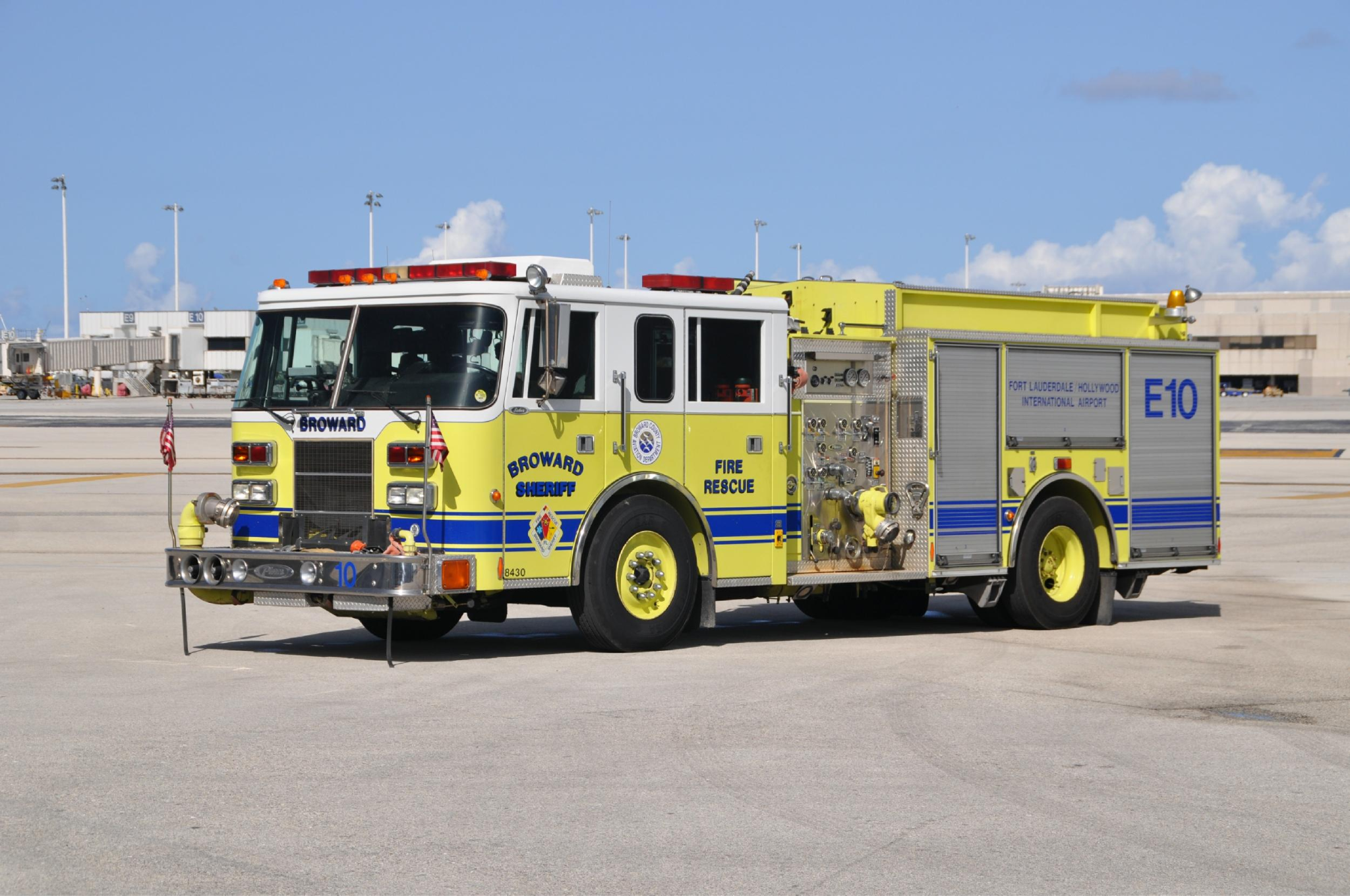
By the time Flight 1717 reached its destination, Broward Sheriff Fire Rescue personnel were positioned to evaluate its occupants.
Medical teams assessed the individuals who reported injuries or otherwise required attention.
Five people were identified during the response.
For emergency personnel, an airport evaluation can provide important initial information about an individual's condition.
However, certain medical assessments may require additional equipment and facilities available in a hospital.
The decision concerning further treatment depends on the patient's symptoms, examination findings and medical circumstances.
What happened next became one of the most widely reported details of the entire JetBlue incident.
According to Broward County officials, all five people declined transportation to nearby hospitals.
JetBlue separately confirmed that medical personnel evaluated passengers and crew members following the landing.
Nobody was transported to a hospital as part of the immediate emergency response.
The decision did not mean that emergency personnel had failed to examine them.
It also did not establish that the individuals had rejected every possible form of medical treatment.
Declining ambulance transportation and refusing all medical care are different decisions.
The reasons behind the choices made by the five individuals were not disclosed in the initial reports.
Patients may decline ambulance transportation for numerous reasons.
Some may believe their symptoms are relatively minor.
Others may prefer to arrange transportation independently or consult their own medical provider.
Personal circumstances, financial concerns and previous medical experiences can also influence decisions.
However, it would be inappropriate to assign any particular motivation to the people involved in Flight 1717 without information from those individuals.
The important medical question is whether an initial evaluation adequately reflects the severity of an injury.
Symptoms can change, particularly following an incident involving a fall or impact.
Consequently, decisions made immediately after an accident do not necessarily establish what medical assistance a person might require later.
Medical authorities identify several symptoms following head trauma that require urgent attention.
According to CDC guidance, worsening headaches, repeated vomiting, unusual behavior, increasing confusion, seizures or difficulty remaining conscious may indicate a serious complication.
These conditions require immediate emergency medical evaluation.
The guidance applies broadly to injuries involving sudden impacts or movement, including transportation accidents.
For investigators examining medical outcomes following an aviation incident, determining whether such symptoms developed would require access to individual medical records.
No such findings concerning the five people aboard Flight 1717 have been publicly presented in the reviewed reports.
The JetBlue encounter occurred against a broader history of turbulence-related injuries involving commercial aircraft.
Previous aviation investigations have documented situations in which flight attendants suffered fractures after being thrown against cabin surfaces.
Other passengers have sustained injuries requiring hospitalization after unexpected aircraft movement.
Those cases have contributed to changes in aviation procedures, weather monitoring and cabin safety recommendations.
The National Transportation Safety Board has emphasized the importance of improving communication about turbulence risks and ensuring that cabin occupants have sufficient opportunities to secure themselves.
For airlines, the challenge involves both avoiding hazardous atmospheric conditions and reducing injuries when encounters cannot be prevented.
JetBlue confirmed that Flight 1717 encountered turbulence during its journey from Puerto Rico to Fort Lauderdale.
The airline said medical personnel evaluated customers and employees after the safe landing.
“The safety of our customers and crewmembers remains our top priority,” JetBlue said in its statement reported by NBC 6 South Florida.
NBC 6 South Florida
The initial statement did not disclose individual medical diagnoses.
Nor did it contain a detailed reconstruction of the circumstances inside the cabin.
Those questions would require additional information from operational records, witnesses and medical personnel.
Despite the interest surrounding potential passenger recordings, the footage available through the reviewed news reports does not establish what happened to each of the five injured individuals.
WSVN's television coverage included aerial footage of the aircraft following its arrival in Florida.
That recording documented the aircraft after the emergency response had been arranged, rather than the moments when turbulence occurred inside its cabin.
https://www.wafb.com
No authenticated cabin recording reviewed for this article establishes that the five individuals suffered fatal injuries.
A complete account would require evidence connecting their movements during the flight with their medical conditions afterward.
As of November 18, the confirmed information concerns five people who reported injuries or required medical evaluation following the turbulence encounter.
All five declined hospital transportation at the airport.
Neither JetBlue nor Broward Sheriff Fire Rescue has confirmed that any of those five individuals subsequently died.
The reviewed reporting also does not identify a fatal medical complication or establish the subsequent health conditions of the individuals involved.
There is therefore no documented cause of death to attribute to the turbulence encounter.
The distinction is significant: An incident involving five medical evaluations has been established, but an incident involving five fatalities has not.
Flight 1717 has highlighted the risks associated with sudden atmospheric disturbances, even when a commercial aircraft completes its scheduled journey safely.
Weather observations suggest that thunderstorms may have contributed to the conditions surrounding the flight.
The emergency response established that five individuals required attention after landing.
Additional information could clarify where the turbulence occurred, the precise nature of the injuries and the operational circumstances preceding the incident.
For now, the documented sequence ends with a safe landing, five medical evaluations and five decisions to decline ambulance transportation.
Comments (0)
Loading comments...
May You Like

NYC EMERGENCY—MILLIONS FACE EVACUATION RISKS, MACY'S GIANT BALLOONS REMOVED FOR SAFETY!

IOWA ENVIRONMENTAL DISASTER: 5-TON WASTE BLAST DISPLACES 3,000 FAMILIES!










Popular Posts




