
96% REJECT TRUMP
96% REJECT TRUMP: Jack White's Explosive Attack Sparks a Political Firestorm Across America
A Mirror US reader poll recorded an overwhelming response to the musician's blistering criticism — but the striking figure needs important context.
An online poll conducted by Mirror US has put Donald Trump back at the centre of a fierce political debate after 96% of respondents agreed with musician Jack White's description of the president as the “Worst American of All Time.” The result followed Trump's remarks about Los Angeles and San Diego at a rally in Nebraska and White's angry response on social media.
The headline figure is striking: the poll received approximately 3,800 votes, with 96% answering that they agreed with White's assessment and 4% disagreeing. It quickly became a powerful talking point among Trump's critics, while also raising a basic question about what an online reader poll can — and cannot — tell us about the country.
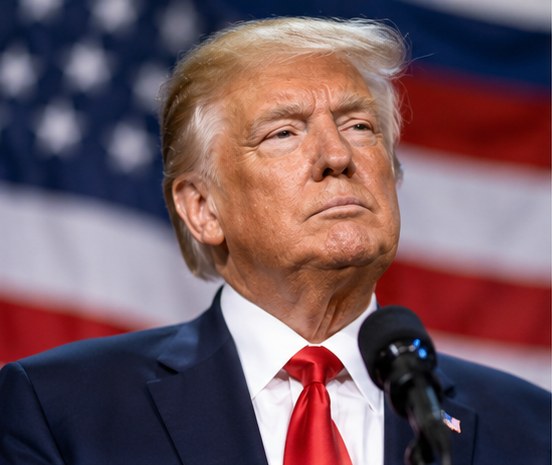
The remarks that ignited the backlash
The controversy began during a Nebraska rally on October 5, 2026, when Trump was discussing the conflict with Iran and the economic costs associated with it. He argued that higher prices could be a small price to pay for keeping the United States and the wider world safe.
During that discussion, Trump said Iran could “take out a city” and named Los Angeles and San Diego. The wording immediately drew attention because the two cities are major population centres in California, a state whose Democratic leadership has frequently clashed with his administration.
Critics interpreted the remarks as callous and alarming, arguing that no American city should be spoken about as an acceptable loss. The president's defenders offered a different reading: they said he was describing the danger of Iran acquiring the ability to strike American cities and arguing that the United States must prevent that threat.
Jack White delivers a blistering response
Jack White, the musician best known as the former frontman of the White Stripes, responded in an Instagram post on October 6. Addressing Republicans and conservatives who live in Los Angeles and San Diego, he challenged them to consider how they felt about the president's comments.
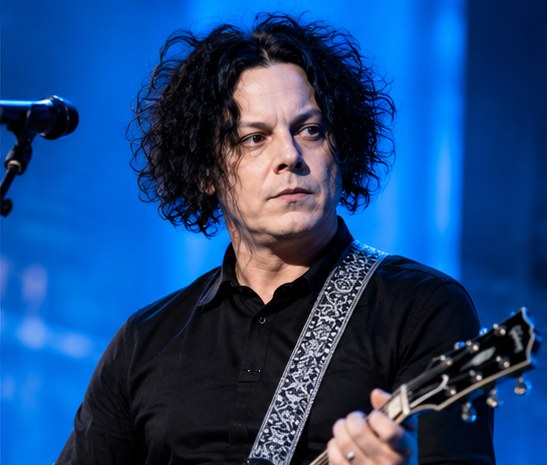
White accused Trump's supporters of excusing the remarks and criticised what he described as their loyalty to the president. He then repeated a phrase he has used in earlier criticism of Trump: “The Worst American of All Time.” The post spread well beyond music audiences and became part of the wider political argument.
White's intervention was forceful, but it was also an opinion — a celebrity's political judgment, not an independently measurable historical ranking. Its significance lay in the attention it attracted and the way it crystallised the anger felt by some of Trump's opponents.
What the 96% poll actually measured
Mirror US asked readers whether they agreed with White's description of Trump. According to the published report, approximately 3,800 people took part, and 96% selected the affirmative response while 4% disagreed.

That result should be described precisely: it represents the people who chose to participate in that particular online poll. It does not mean that 96% of all Americans, or even 96% of registered voters, hold the same view.
Open online polls are vulnerable to self-selection. People with strong feelings about a political figure may be especially motivated to vote, and the audience reached by a publication may not reflect the wider population. Without a representative sampling design, weighting and a disclosed margin of sampling error, the result cannot be treated like a conventional national opinion survey.
Why the California cities became central to the story
Los Angeles and San Diego are not incidental references in this dispute. They are two of California's largest cities, with millions of residents and substantial economic, cultural and strategic importance. The idea of either city being struck by a foreign adversary is understandably disturbing to people across the political spectrum.
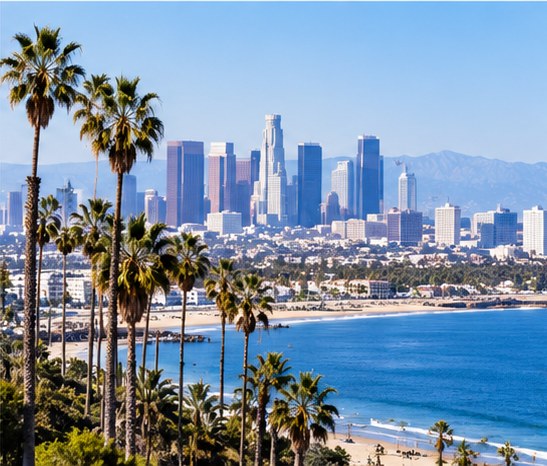
California Governor Gavin Newsom was among the prominent Democrats who criticised Trump's comments. Other local and state voices also raised concerns about the language and about the responsibility of a president when discussing threats to American communities.
The response from Trump's allies focused on context. They argued that the president was describing what Iran might be capable of doing if it were allowed to develop a nuclear threat, not expressing a wish for American cities to be attacked. That distinction is central to understanding why the same remarks produced sharply different reactions.
A country divided over the president
The dispute reflects a broader feature of contemporary American politics: the same statement can be understood as a warning by supporters and as reckless rhetoric by opponents. Trump's direct, combative style has helped him maintain a devoted political base while also generating intense criticism.
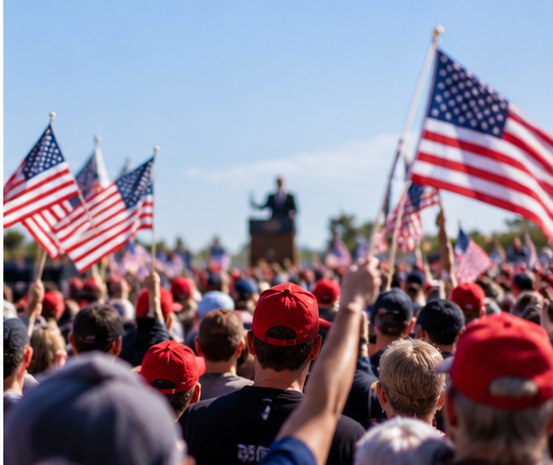
For critics, the episode reinforces concerns about the tone of presidential communication and the risks of turning national security into a political performance. For supporters, the backlash is another example of opponents interpreting Trump's words in the least charitable way and ignoring the argument he says he was making.
Neither the online poll nor the social-media reaction settles that disagreement. They show how strongly people who engage with the issue feel, but they do not provide a complete picture of the views of every American voter.
What broader polling can — and cannot — tell us
A separate YouGov survey conducted in June 2026 asked respondents to choose the worst American from a list of nine historical and contemporary figures. Trump received 34% of responses overall. The survey also found a sharp partisan divide, with 64% of Democratic respondents and 4% of Republican respondents selecting him.
Those numbers come from a different question and a different survey method, so they should not be directly compared with the Mirror US reader poll. They do, however, illustrate the depth of partisan disagreement over Trump's place in American public life.
The political argument is far from over
The latest controversy is unlikely to end the debate over Trump's leadership. It has instead added another episode to a presidency marked by intense loyalty, fierce opposition and constant arguments over the meaning and consequences of his public statements.
For Jack White, the episode was an opportunity to make his opposition unmistakable. For Trump's critics, the 96% result became a vivid expression of anger among the poll's participants. For the president's supporters, the dispute is another reminder of how sharply his words are scrutinised.
The most accurate conclusion is also the most important one: 96% of the people who voted in the Mirror US online poll agreed with White's description. That is a striking result, but it is not proof that 96% of Americans share the view. The wider question of how the country judges Trump — and how history will assess his presidency — remains contested
Comments (0)
Loading comments...
May You Like

KUWAIT DRONE ATTACK SPARKS TENSION BETWEEN ISRAEL, THE U.S AND IRAN

BANGCHAK REFINERY DISASTER IN THAILAND—120,000 BARRELS A DAY SHUT DOWN, U.S. OIL PRICES SURGE 10%!

IOWA CRISIS — 150+ WITH LEAD AND MERCURY POISONING, 69 CRITICAL!

Latest Posts








Popular Posts



