
A MAJOR BREAKTHROUGH MAY BE WITHIN REACH — BUT IRAN'S NEXT MOVE COULD CHANGE EVERYTHING
A MAJOR BREAKTHROUGH MAY BE WITHIN REACH — BUT IRAN'S NEXT MOVE COULD CHANGE EVERYTHING
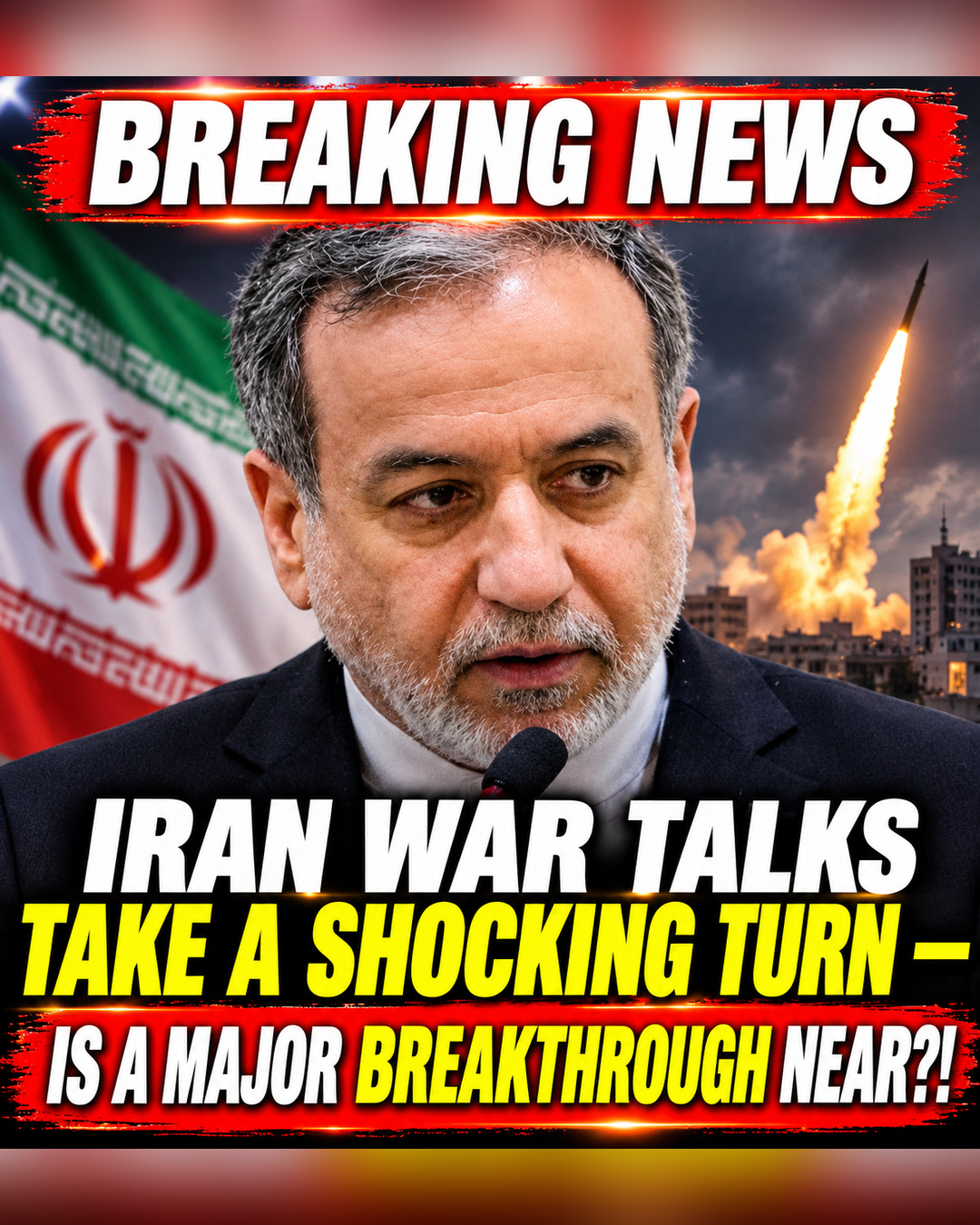
Behind the escalating confrontation between Washington and Tehran, diplomatic efforts are continuing to explore a possible path toward ending the war. Iranian negotiators are reportedly engaged in discussions aimed at bringing the conflict to a close, raising cautious hopes that months of military pressure could eventually give way to an agreement.
But the road to peace remains uncertain. The two sides face difficult questions over security guarantees, Iran's nuclear program, military operations and the future of shipping through the Strait of Hormuz. Even a promising round of talks could falter if either government concludes that the proposed terms threaten its most important interests.
The central question is whether negotiations can move quickly enough to prevent another escalation—or whether the conflict will deepen before a deal becomes possible.
IRAN'S NEGOTIATORS KEEP THE DOOR OPEN TO A DEAL
Iranian Foreign Minister Abbas Araghchi has described the ongoing consultations with Qatari mediators as progressing, while stressing that Tehran remains prepared for both diplomacy and defence. Iranian negotiators held a third consecutive day of discussions in Doha on November 1, seeking a framework that could bring the eight-month-old US-Israeli war to an end. No final agreement had been announced.
Qatar has emerged as an important intermediary, maintaining contacts with Iranian officials while coordinating communications with Washington. The approach allows both sides to explore possible terms without requiring an immediate public commitment to direct negotiations.
But the gap between the two governments remains substantial. Washington wants guarantees concerning Iran's nuclear ambitions and regional security. Tehran, meanwhile, is demanding changes to American pressure and restrictions, along with arrangements addressing the security of the Gulf.
The talks therefore represent a potential opening—not proof that a peace agreement is imminent.
THE STRAIT OF HORMUZ COULD BE THE FIRST MAJOR TEST

One of the most urgent issues under discussion is the reopening of the Strait of Hormuz. Iran's foreign minister has spoken about a proposal that could restore passage through the waterway within two days of an agreement, potentially easing one of the conflict's most damaging economic consequences.
The strait is a vital route for international oil shipments. Disruption there can affect shipping schedules, insurance costs and energy prices far beyond the Middle East. Restoring predictable passage could therefore provide an early, visible sign that negotiations are producing practical results.
However, reopening the route would require agreement on the conditions governing passage and assurances that commercial vessels would not face renewed threats. A temporary arrangement could also prove fragile if the broader conflict remains unresolved.
For negotiators, the waterway may offer an opportunity to secure an initial confidence-building measure. Whether that step can lead to a lasting settlement is a much harder question.
WASHINGTON HAS NOT RULED OUT FURTHER MILITARY ACTION

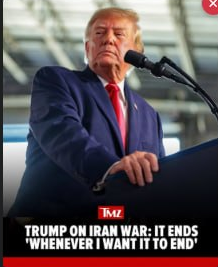
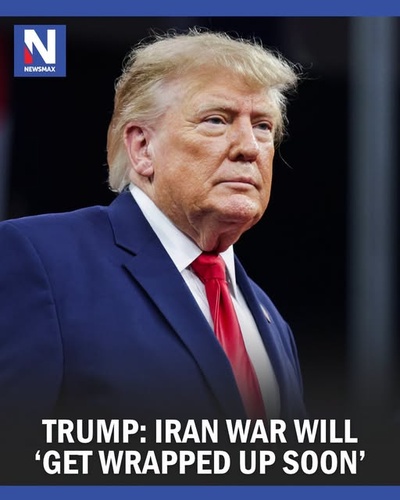
Despite the renewed diplomatic activity, the White House has kept military options open. Trump has said the negotiations are going well, but has also warned that the United States still has targets it could strike. Secretary of State Marco Rubio has said Trump has not made a final decision on whether to launch further attacks and would prefer a diplomatic resolution.
That dual message reflects the administration's attempt to combine negotiations with pressure. Washington hopes the prospect of further military action will persuade Tehran to accept terms it might otherwise reject.
But the same approach carries risks. Iranian officials have warned that renewed American attacks could trigger retaliation against US and Israeli targets across the region. Such a response could widen the conflict and make diplomacy more difficult.
The next decisions from Washington may therefore determine whether the current discussions gain momentum—or whether the region faces another cycle of threats and military action.
IRAN IS PREPARING FOR PEACE AND THE POSSIBILITY OF WAR
Iran's leadership has also signalled that it is not relying on diplomacy alone. Supreme Leader Mojtaba Khamenei has ordered the armed forces to maintain readiness, and Iranian officials have warned that any new attack could trigger an immediate response.
This posture creates a difficult backdrop for negotiations. Tehran wants its demands taken seriously, while attempting to avoid a renewed confrontation that could bring further damage to the country. Washington, meanwhile, wants to preserve pressure without triggering a wider regional war.
Military readiness does not necessarily mean a new attack is inevitable. Governments often maintain defensive preparations while negotiations continue. Nevertheless, the combination of active diplomacy and explicit threats demonstrates how little trust exists between the sides.
A single serious incident could change the calculations on both sides, particularly if leaders believe they must respond to preserve their credibility.
THE BIGGEST OBSTACLE MAY BE WHAT HAPPENS AFTER A DEAL

Even if negotiators agree on an initial pause in hostilities, a lasting settlement would require answers to several difficult questions. What restrictions would apply to Iran's nuclear programme? How would sanctions be handled? What security guarantees would each side receive? And who would monitor compliance if either government accused the other of violating the agreement?
These questions are more complicated than arranging a temporary halt to attacks. Each government must be able to present the outcome as protecting its essential interests, while accepting compromises that may be politically unpopular at home.
Regional countries also have a stake in the outcome. Gulf governments want to avoid further attacks and restore predictable energy shipments, while fearing that a failed agreement could draw them deeper into the conflict.
The negotiations will need more than encouraging statements to overcome these competing demands. They will require specific commitments, a mechanism for resolving disputes and enough confidence on both sides to prevent every new incident from becoming a reason to resume the war.
A DIPLOMATIC OPENING—BUT NO GUARANTEE OF PEACE

The latest talks in Doha have created a possible route toward de-escalation at a moment when both governments are warning that further confrontation remains possible. Qatar's mediation has kept communications moving, while discussion of reopening the Strait of Hormuz offers a potential first step toward reducing the conflict's wider economic impact.
Yet the most important milestone has not been reached: there is still no confirmed final agreement ending the war.
The coming days will test whether negotiators can turn their consultations into concrete commitments, whether Washington and Tehran can narrow their differences, and whether military restraint can be maintained while those discussions continue.
For now, Iran's negotiators are still talking, Trump is still weighing his options, and the region remains on edge.
The question is no longer simply whether the two sides are willing to negotiate. It is whether they can agree on terms before another escalation closes the door to diplomacy.
Comments (0)
Loading comments...
May You Like
DA Willis Ordered To Pay Big Fine For Violations In Trump Case

Trump Backs Bukele’s
Ilhan Omar’s Ex-Husband Makes Stunning Confession Amid Allegations He’s Her Brother




Popular Posts
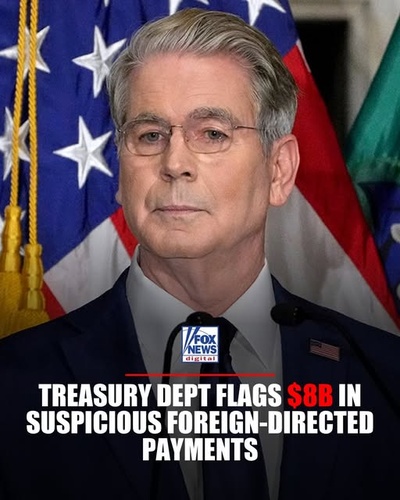
Treasury Flags $8 Billion
Nov 2, 2026
Trump Backs Bukele’s
Nov 2, 2026


Danica Patrick Accuses Democrats
Nov 2, 2026