
A MEDICAL BREAKTHROUGH IN THE U.S. — COULD A PIG KIDNEY REPLACE A HUMAN KIDNEY?
HISTORIC MEDICAL BREAKTHROUGH: WOMAN LIVES WITH A GENETICALLY MODIFIED PIG KIDNEY — COULD THIS END AMERICA'S ORGAN SHORTAGE?
UNITED STATES — NOVEMBER 26, 2026

A revolutionary medical procedure could transform the lives of millions of people suffering from kidney disease and offer new hope to patients desperately waiting for life-saving organ transplants.
The reported case of 58-year-old Molly Falco, who has reportedly lived for more than a year following a genetically modified pig kidney transplant, highlights the extraordinary potential of a pioneering medical technique known as xenotransplantation.
Scientists hope this technology could eventually provide an alternative to human donor organs and dramatically reduce transplant waiting times.
But how does a pig kidney function inside the human body, and is this groundbreaking treatment ready for widespread use?
1. Molly Falco Makes Medical History After One Year With a Pig Kidney

On November 23, 2026, Massachusetts General Brigham and biotechnology company eGenesis announced a historic achievement in transplant medicine.
Molly Falco, a 58-year-old mother of two from Lyndeborough, New Hampshire, became the first recipient of a genetically engineered pig kidney to remain independent of dialysis for more than one year.
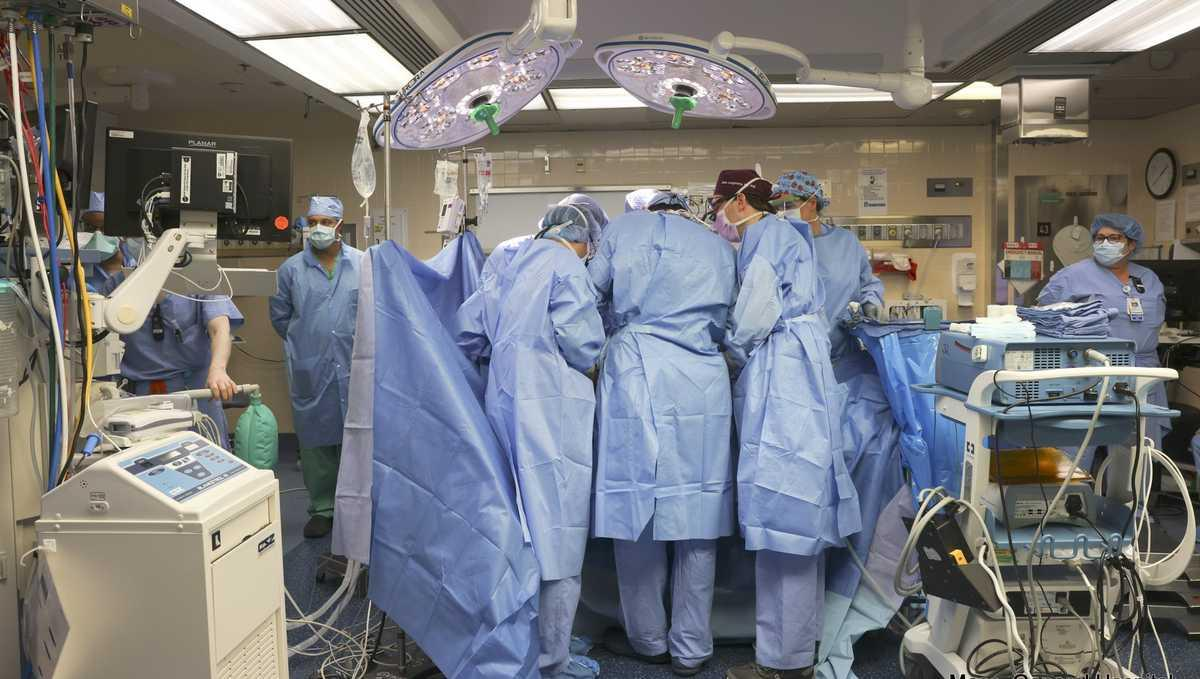
She underwent the experimental transplant on November 22, 2025, at Massachusetts General Hospital in Boston.
Her transplanted kidney continues to function, marking a major advancement in the development of animal-to-human organ transplantation.
eGenesis+1
Historic medical milestone
Patient's age
58
Years old
Time without dialysis
1+ year
Genetic modifications
69
Previous kidney function record
271
Days
Reported clinical milestones as of November 2026.
eGenesis+1
2. A Desperate Battle Against Kidney Failure

Falco had suffered from a congenital kidney condition that gradually progressed to kidney failure.
She spent approximately 11 months undergoing dialysis before receiving the experimental transplant.
Dialysis performs some of the essential functions of damaged kidneys, but regular treatment sessions can severely restrict patients' daily activities.
Faced with the possibility of waiting several more years for a suitable human donor, Falco agreed to undergo the pioneering procedure.
Today, she has regained much of the independence she previously lost.
People.com+1
3. What Is Xenotransplantation?
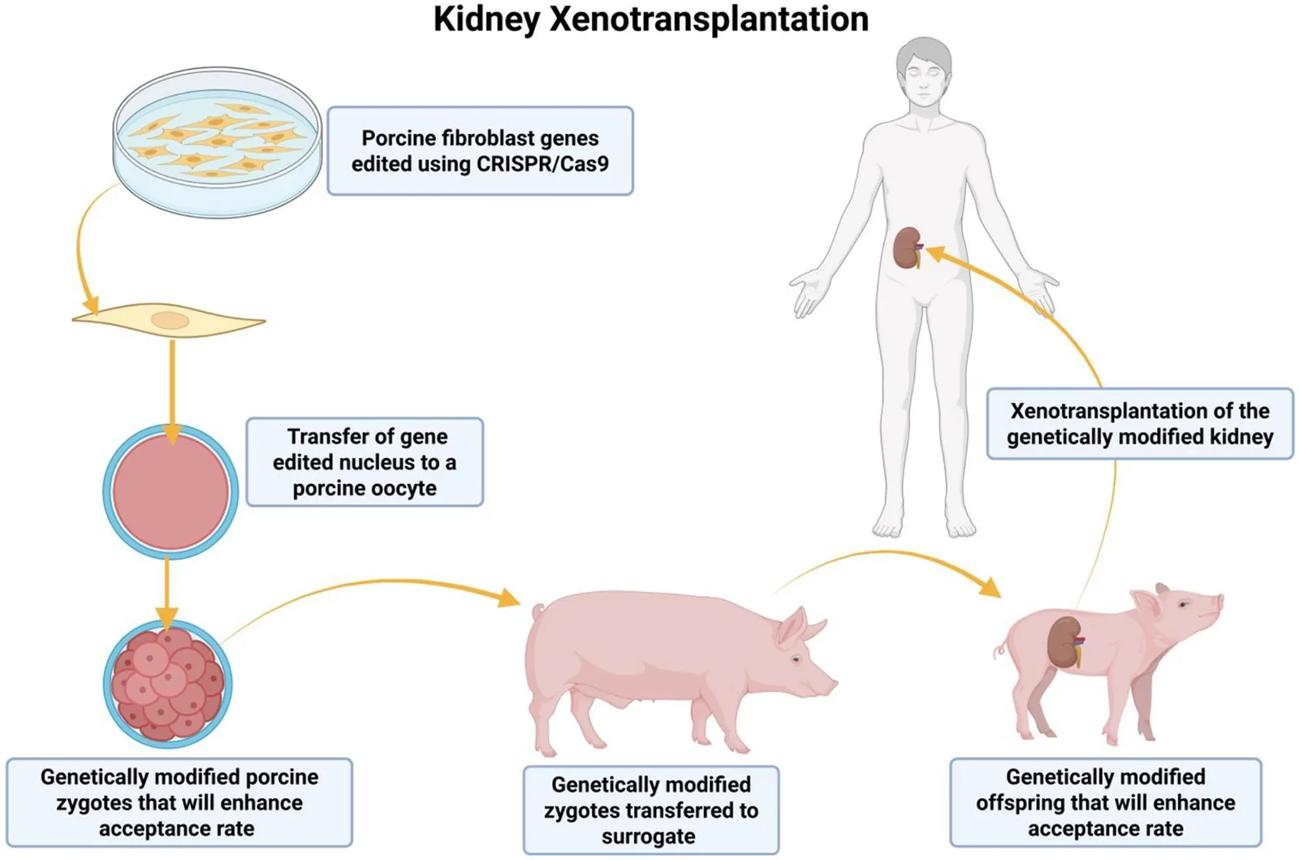
Xenotransplantation is the process of transferring living organs, tissues or cells from one species into another.
Scientists have spent decades investigating whether animal organs could provide a sustainable alternative to human donor organs.
Pigs are particularly promising candidates because their kidneys have several anatomical and physiological similarities to human kidneys.
However, transplanting an ordinary pig kidney into a human would trigger a severe immune response.
To overcome this challenge, scientists use genetic engineering to improve biological compatibility.
Simplified illustration of genetically engineered pig-to-human kidney transplantation.
4. Scientists Made 69 Genetic Modifications to the Donor Pig
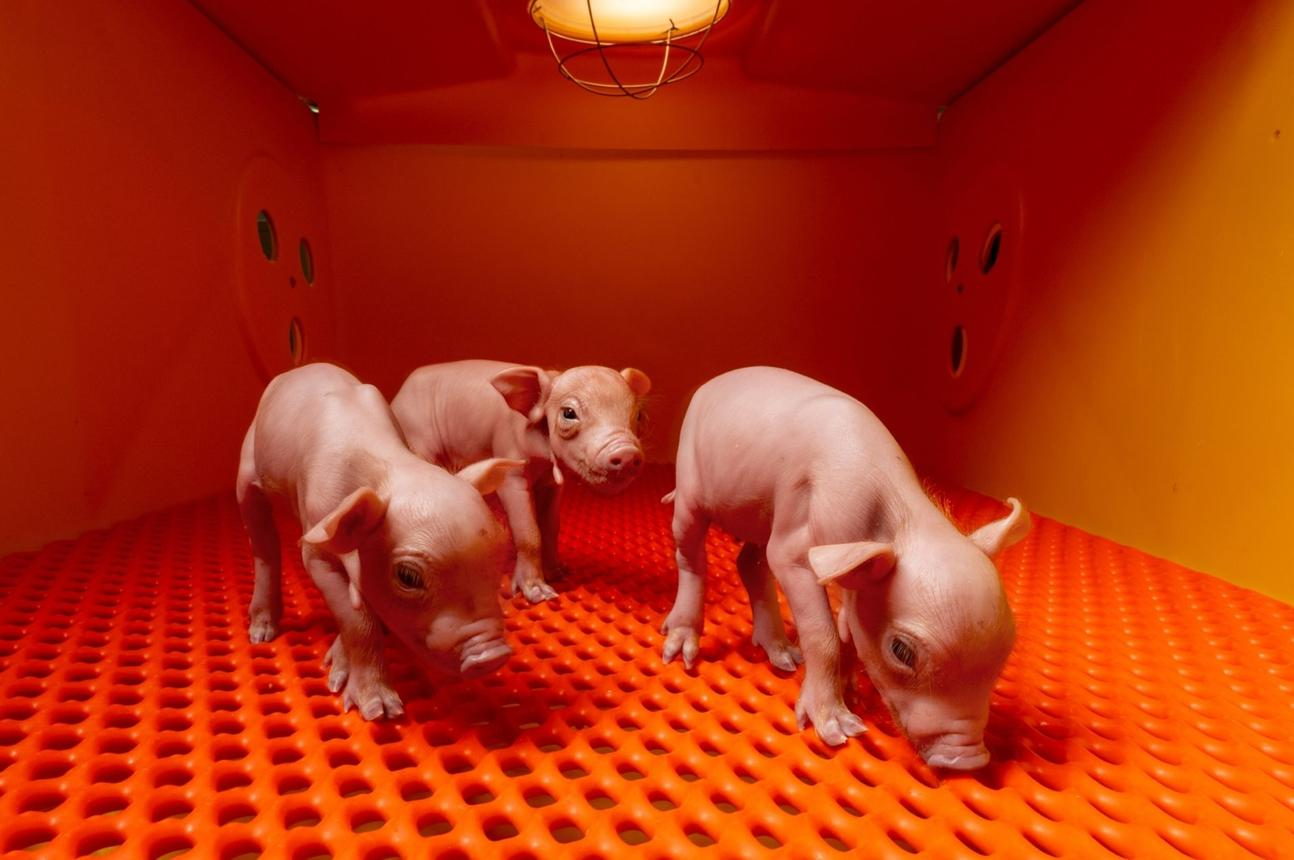
The kidney used in Falco's operation was developed by eGenesis and is known as EGEN-2784.
Scientists made 69 genetic modifications intended to improve compatibility with the human body.
How the 69 genetic modifications are distributed
59 modifications
Viral sequences inactivated
7 modifications
Human genes introduced
3 modifications
Rejection-triggering markers removed
Source: eGenesis and published reporting.
eGenesis+1
These modifications are intended to reduce organ rejection, inflammation, blood-clotting complications and the potential transmission of certain viruses.
Nevertheless, genetic engineering does not eliminate every medical risk.
5. How Has Molly Falco's Life Changed?
Before receiving her new kidney, Falco's daily life was heavily restricted by kidney disease and dialysis.
Since the operation, she has been able to resume activities such as driving, cooking and visiting friends.
She also hopes to return to skiing with her children.
However, her recovery has not been entirely free of medical challenges. She experienced early complications, continues to tire easily and takes immunosuppressive medication to prevent organ rejection.
Her last reported hospitalization was in February 2026.
SBS 뉴스+1
Her achievement is therefore not a complication-free recovery, but a remarkable period of sustained kidney function and independence from dialysis.
6. America's Growing Kidney Disease Crisis

The breakthrough comes amid a significant shortage of human donor organs across the United States.
Americans with end-stage kidney disease
825,000+
U.S. kidney transplants in 2024
Under 28,000
Figures cited in the November 23 joint announcement by eGenesis and Mass General Brigham. The figures describe different patient populations and time periods.
eGenesis
For many patients, finding a compatible human donor can take years.
A reliable supply of genetically engineered animal kidneys could potentially transform this situation by expanding the number of organs available for transplantation.
7. The Medical Milestones Leading to This Breakthrough

March 2024 — Richard Slayman
Receives a groundbreaking genetically engineered pig kidney transplant while alive. He dies approximately two months later.

2025 — Tim Andrews
His transplanted pig kidney functions for 271 days before being removed.

November 22, 2026 — Molly Falco
Reaches the unprecedented one-year milestone.
ynetglobal+1
Progress in sustained pig kidney function
Tim Andrews
271 days
Molly Falco
365+ days
Falco's transplanted kidney remains functional according to the November 23, 2026 announcement.
These individual cases demonstrate important scientific progress, although they cannot establish the average expected lifespan of a transplanted pig kidney.
8. Pig Kidneys Versus Human Donor Kidneys
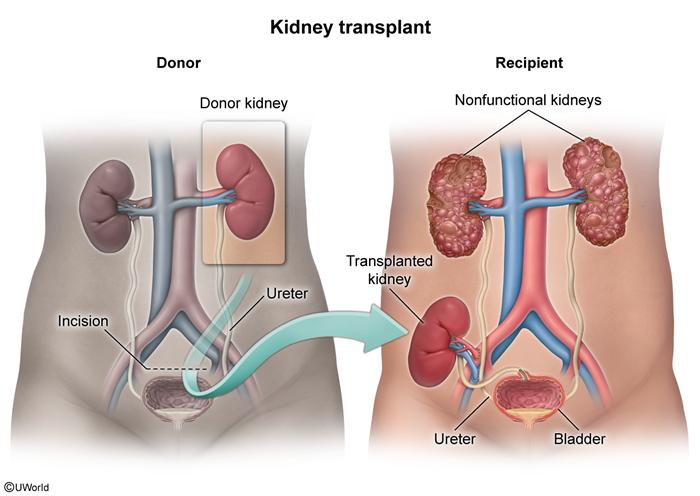
Human donor kidney
Genetically engineered pig kidney
|
Medical consideration |
Human kidney
Pig kidney
Availability
Limited
Potentially scalable
Treatment status
Established
Experimental
Immune compatibility
Requires matching
Requires genetic engineering
Long-term effectiveness
Decades of clinical evidence
Still being investigated
Rejection risk
Present
Significant research challenge
Infection risk
Present
Additional cross-species concerns
Human donor kidney transplantation remains an established treatment for suitable patients. Pig kidney transplantation is still an investigational alternative.
9. What Are the Biggest Medical Risks?
Despite the extraordinary progress, researchers must overcome several challenges before animal organ transplantation becomes widely available.
-
Organ rejection: The human immune system may attack the transplanted animal organ.
Infectious diseases: Researchers must minimize the possibility of animal-to-human disease transmission.
Medication side effects: Immunosuppressive medicines can increase susceptibility to infections and cause other adverse effects.
Long-term durability: Scientists do not yet know how long these organs can reliably function.
Ethical concerns: Animal welfare, patient consent and equitable access require careful consideration.
Falco's experience provides encouraging evidence, but larger clinical trials are necessary to evaluate long-term safety and effectiveness.
10. A Major Clinical Trial Is Expected in 2027
The next major step could begin as early as the first quarter of 2027.
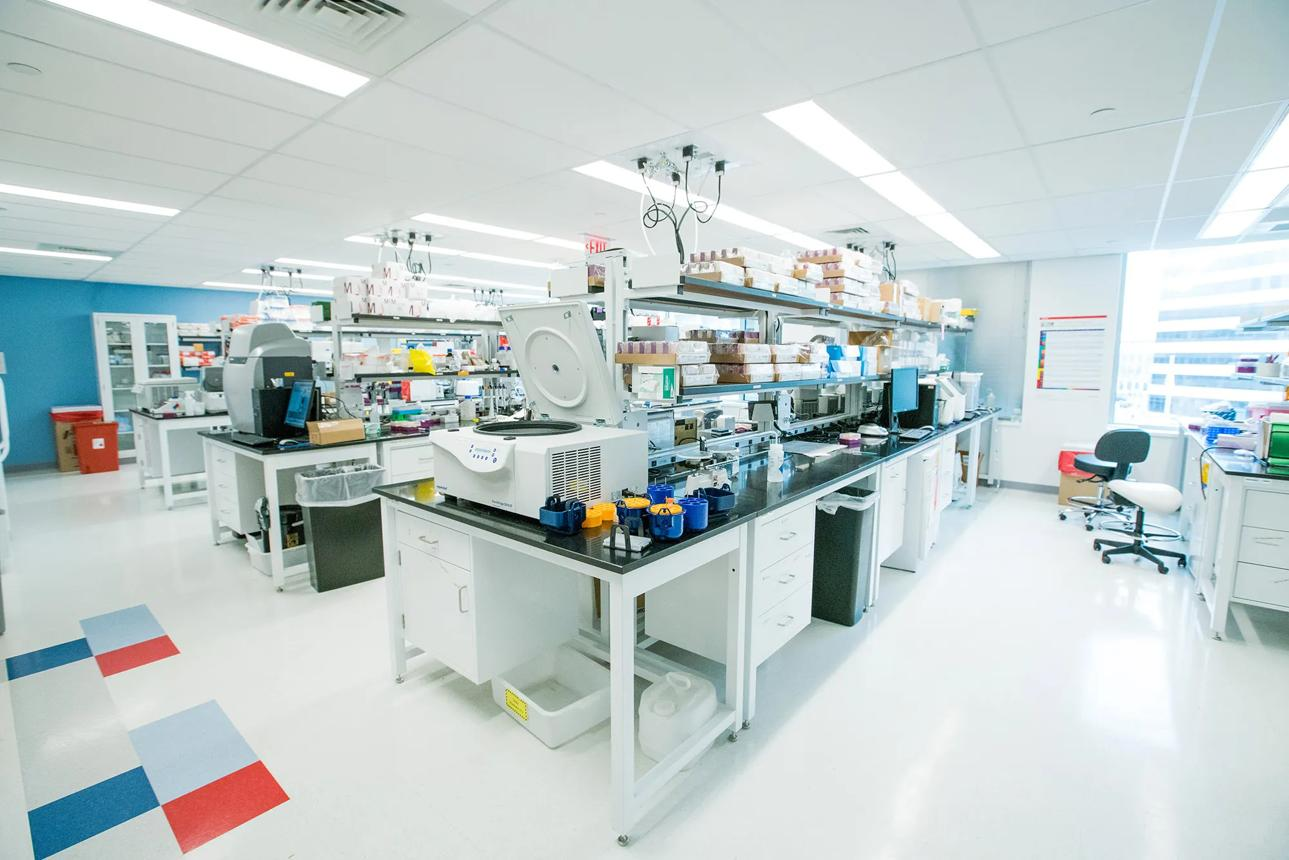
The U.S. Food and Drug Administration has cleared eGenesis to conduct a clinical trial called RESTORE, evaluating genetically engineered pig kidneys in patients with kidney failure.
RESTORE clinical trial
Planned participants
33
Participant age range
50–70
Clinical phases
1/2/3
Expected launch
Q1 2027
Planned trial details announced on November 23, 2026. FDA clearance to conduct a trial is not approval for routine clinical use.
eGenesis
Researchers will need to determine whether the encouraging results observed in individual patients can be reproduced across a larger population.
11. Could This Technology Transform the Future of Medicine?

If xenotransplantation proves sufficiently safe and effective, its implications could extend well beyond kidney disease.
Scientists are also exploring genetically engineered animal hearts and livers.
Potential future benefits include shorter transplant waiting times, reduced dependence on dialysis, increased access to life-saving organs and improved quality of life for patients with organ failure.
The technology could also provide a temporary alternative while patients wait for suitable human donor organs.
However, affordability, manufacturing capacity and regulatory approval will influence how widely such treatments become available.
12. A New Chapter in Medical History
For decades, transplant medicine has faced a fundamental obstacle: there are not enough human donor organs for everyone who needs one.
Molly Falco's experience offers new evidence that genetically engineered animal kidneys can function inside the human body for extended periods.
What once appeared to be science fiction is becoming a genuine possibility in modern medicine.
Nevertheless, scientists still have considerable work ahead before these procedures can become routine treatments.
One patient's extraordinary achievement has opened the door to a future in which the availability of donor organs might no longer determine who receives a life-saving transplant.
AMERICA, WHAT DO YOU THINK? IF GENETICALLY MODIFIED PIG ORGANS ARE PROVEN SAFE AND EFFECTIVE, WOULD YOU ACCEPT ONE TO SAVE YOUR LIFE? SHARE YOUR OPINION IN THE COMMENTS BELOW!
Comments (0)
Loading comments...
May You Like

PACIFICA PIER IN CALIFORNIA COLLAPSE REVEALS MASSIVE CRACK BENEATH THE OCEANs!

CHRIST THE REDEEMER CLOUDS MATCH POPE FRANCIS' CHILLING 2027 PROPHECY—THE FIRST SIGN APPEARS!

AMERICA’S NEW-GENERATION AIRCRAFT CARRIERS — MILITARY MIGHT BUILT AT THE EXPENSE OF THE PEOPLE









Popular Posts



