
A NEW FIONA DEATH BOMBSHELL: INVESTIGATION QUESTIONS VETERINARY CARE AND MEDICAL EQUIPMENT!
A NEW FIONA DEATH BOMBSHELL: INVESTIGATION QUESTIONS VETERINARY CARE AND MEDICAL EQUIPMENT!
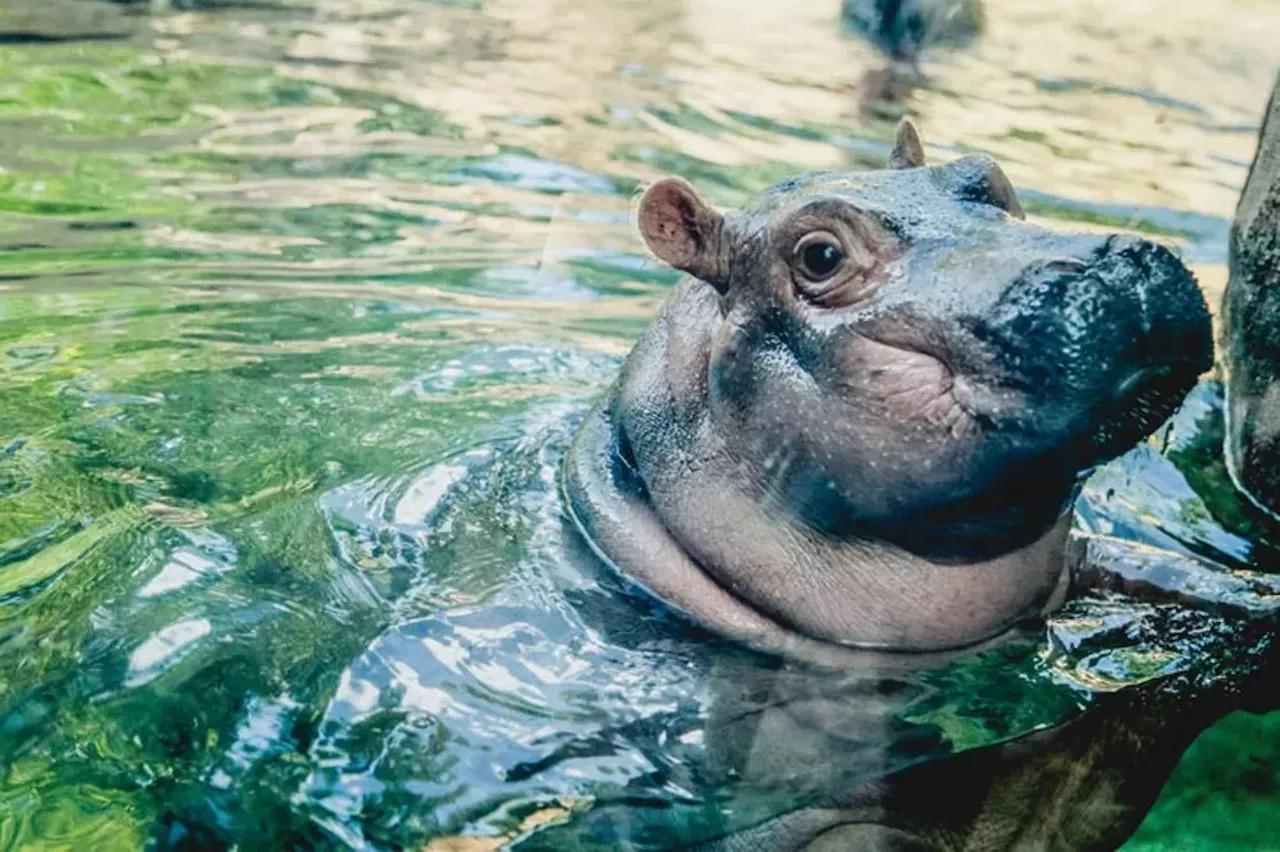
CINCINNATI, Ohio — November 24, 2026 — The death of Fiona, the nine-year-old hippopotamus whose remarkable survival following a premature birth made her an international sensation, has prompted renewed questions about the medical treatment she received at the Cincinnati Zoo & Botanical Garden during the final days of her life.
Fiona died on November 19, 11 days after swallowing a knitted hat that accidentally entered her enclosure. Although initial attention focused on how the object reached the animal, subsequent medical disclosures have provided a more detailed account of the veterinary emergency, including unsuccessful endoscopic examinations, specialized equipment borrowed from another zoo and the use of a vibration platform obtained from a horse farm.
The findings have raised broader questions about the limitations of medical technology available for treating large animals and the preparedness of zoological institutions to respond to unusual emergencies.
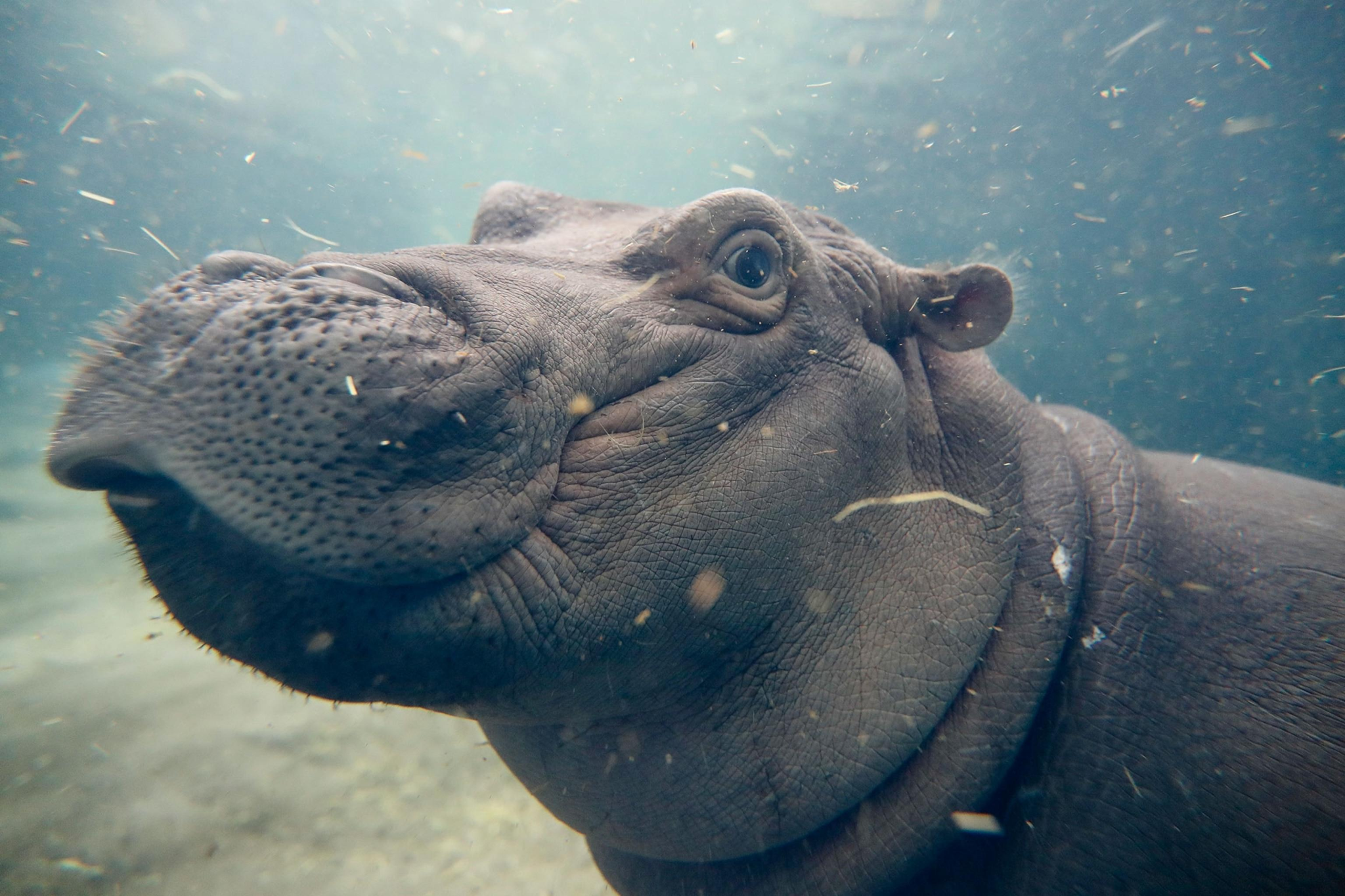
The medical emergency began on November 8 when a visitor's knitted hat entered Hippo Cove, the enclosure Fiona shared with other hippopotamuses. According to the zoo, a visitor tossed the hat into the air, where an overhead ceiling fan caught it and propelled it through an opening above the protective viewing windows.
That assessment changed as her appetite began to decline. Veterinarians started examining her condition more closely, evaluating whether the foreign material was continuing to move or had become trapped somewhere within her gastrointestinal tract.
While much of the initial coverage focused on the circumstances surrounding the swallowed hat, the zoo's subsequent medical updates revealed several important details about the equipment and procedures used during the emergency.
One of the most significant disclosures concerned a nine-foot endoscope borrowed from Columbus Zoo. The specialized instrument was used during a colonoscopy in an attempt to locate the foreign material inside Fiona's digestive tract.
A technician assisted with preparing the equipment. Despite the instrument's considerable length, the examination failed to reach the obstruction.
Veterinarians also used ultrasound technology, blood examinations, intravenous fluids and medication intended to address pain, nausea and dehydration. The need to obtain equipment from another zoological institution illustrates how unusual large-animal emergencies can require cooperation beyond the resources maintained at a single facility.
Endoscopy allows veterinary specialists to examine internal structures without making a large surgical incision. In some circumstances, it can also allow foreign objects to be retrieved directly from an animal's digestive tract.
However, the effectiveness of an endoscope depends on more than its total length. Internal anatomy, the configuration of digestive organs and the ability to maneuver the instrument safely all influence how far it can reach.
Fiona's case demonstrated the limitations of applying conventional diagnostic approaches to an unusually large animal. A hippopotamus possesses an extensive gastrointestinal system adapted to processing substantial quantities of vegetation.
The distinction between an equipment failure and an anatomical limitation is central to understanding the medical decisions made during Fiona's final days.
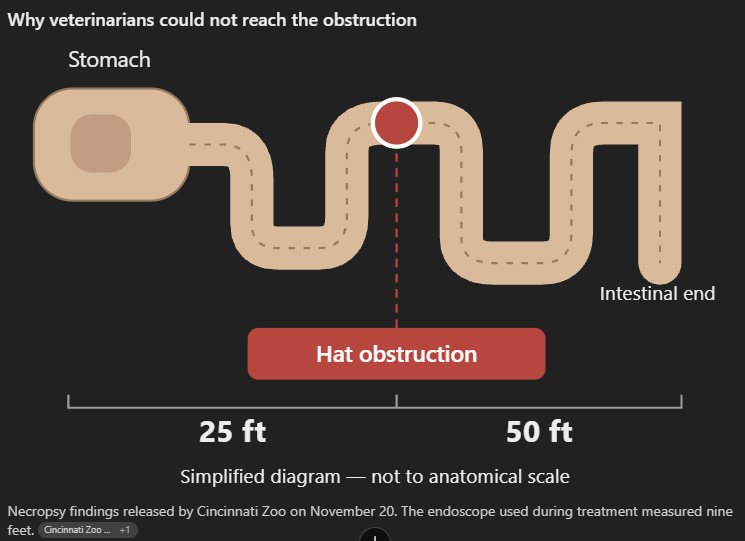
The most consequential finding emerged during the necropsy conducted after Fiona died. Veterinarians discovered that the knitted hat had traveled into the middle section of her small intestine.
According to the findings released by Cincinnati Zoo, the obstruction was approximately 25 feet beyond Fiona's final stomach compartment and another 50 feet from the end of her intestines.
Dr. Mike Wenninger said the position of the hat and Fiona's internal anatomy made minimally invasive surgical removal impossible.
The necropsy therefore provided information that was unavailable with the same degree of certainty while Fiona was still alive.
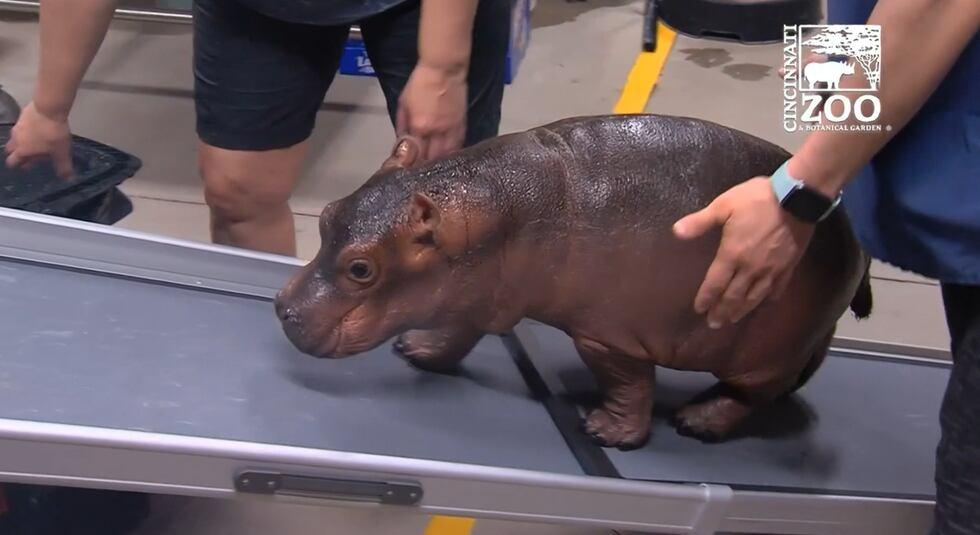
Among the more unusual treatment methods disclosed by the zoo was the use of a vibration platform. The equipment, borrowed from a horse farm, was introduced in the hope that gentle movement might assist Fiona's digestive system in passing the swallowed material.
The approach formed part of a broader supportive care strategy rather than a procedure designed to physically extract the object.
As the obstruction remained unresolved, veterinary personnel attempted to maintain Fiona's strength and hydration while encouraging normal gastrointestinal activity. The team also offered familiar foods and monitored her responses to environmental stimulation.
The use of equipment normally associated with horses demonstrates the challenges of sourcing specialized technology for species that are rarely treated outside zoological institutions.
Assessing the appropriateness of the intervention would require consideration of her condition, the alternatives available and the veterinary reasoning behind its use.
For people familiar with foreign-object removal in domestic animals, surgery might appear to be an obvious response to an intestinal blockage. However, specialists consulted during Fiona's treatment identified substantial differences between operating on a smaller animal and performing abdominal surgery on an adult hippopotamus.
Dr. Jack Kottwitz, an assistant professor at Michigan State University's College of Veterinary Medicine, explained to the Associated Press that the digestive anatomy of hippopotamuses creates considerable difficulties when locating foreign material. Their size and the complexity of anesthesia also contribute to the risks associated with major surgery.
Another specialist, Dr. Gabriella Flacke of Zoo Miami, who consulted on Fiona's case, told CNN that the characteristics of hippopotamus skin can complicate surgical healing.
These considerations extend beyond whether appropriate surgical instruments are available. They also involve whether an animal can safely undergo an operation and recover afterward.
Cincinnati Zoo ultimately determined that a major abdominal operation would carry an unacceptable risk to Fiona's survival.
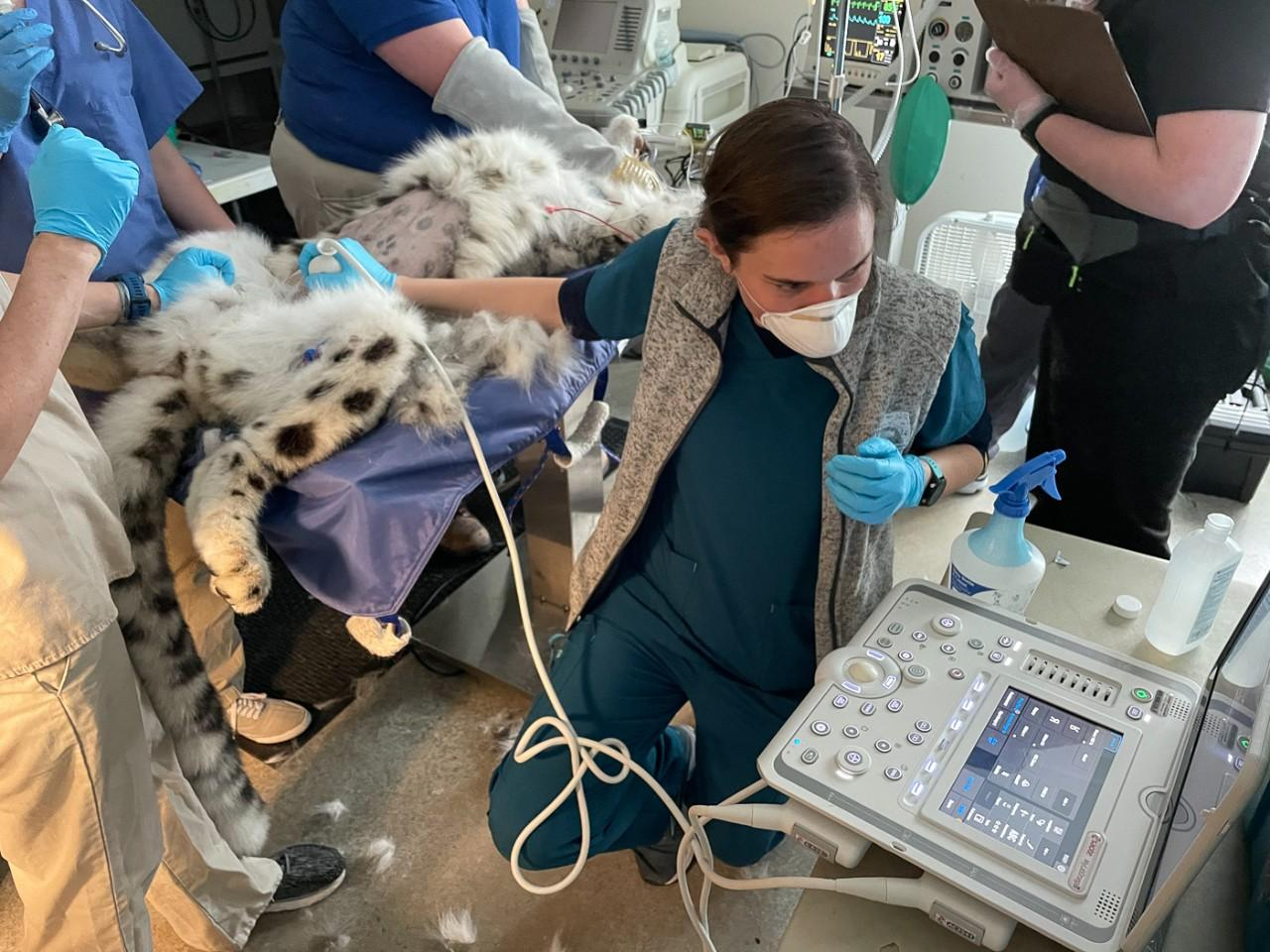
One particularly important detail in the zoo's subsequent explanation concerned the circumstances immediately preceding Fiona's death.
On November 19, blood examinations indicated that her condition was worsening. Veterinarians undertook further diagnostic procedures to determine whether the obstruction could be located and whether additional treatment remained possible.
The examinations were unsuccessful, and Fiona died during recovery from the procedure.
This aspect of the case introduces a distinction between the underlying medical emergency and the immediate circumstances surrounding her death. An animal dying during recovery from anesthesia or a diagnostic intervention does not establish that the procedure itself caused the death.
The zoo attributed the fatal outcome to the unresolved intestinal obstruction. A comprehensive independent evaluation of the treatment would require the complete medical records, including anesthesia documentation, physiological monitoring and laboratory results.
The initial public explanation of Fiona's death understandably focused on the swallowed hat because it was the event that initiated the medical emergency. However, subsequent coverage did examine the veterinary team's response.
Cincinnati Zoo also released video explanations featuring its director of animal health.
These reports demonstrate that information concerning the medical procedures was publicly available, although the level of detail differed between publications.
What remains less accessible is the complete clinical documentation necessary for an independent assessment of every treatment decision. That distinction is important when considering whether public explanations provide sufficient information to evaluate the quality of veterinary care.
 The interval between Fiona swallowing the hat and her death naturally raises questions about whether intervention at an earlier stage might have produced a different result.
The answer depends partly on information that was available to veterinarians at different stages of the emergency. A foreign object may initially move through the digestive tract without causing complete obstruction, making its eventual location difficult to predict.
According to the zoo's treatment updates, Fiona initially appeared stable before her appetite declined and her medical condition became more concerning.
An independent review could examine when the first diagnostic procedures occurred, what those examinations revealed and whether alternative interventions were medically feasible at those points.
However, the eventual discovery of the hat's location does not establish that specialists could have identified or removed it earlier. Evaluating that question requires contemporaneous medical evidence rather than relying exclusively on information obtained after death.
The circumstances surrounding Fiona's death highlight a broader challenge in veterinary medicine: providing effective emergency care for animals whose anatomy and size differ substantially from those commonly encountered in clinical practice.
Many diagnostic instruments are developed primarily for humans, domestic animals or livestock. Their application to species such as hippopotamuses, elephants and rhinoceroses may require adaptation, specialist consultation or alternative approaches.
Maintaining every conceivable piece of equipment at every zoological institution would involve substantial logistical and financial considerations. Cooperation between facilities can therefore become an important component of emergency preparedness.
Fiona's case demonstrates both the value of that cooperation and its limitations. Obtaining additional equipment can expand the available diagnostic options, but it cannot necessarily overcome the anatomical barriers preventing successful treatment.
The zoo installed protective netting above the viewing windows and removed the ceiling fans from the surrounding area. Both changes addressed the circumstances that had allowed the visitor's hat to enter the habitat.
For the remaining hippopotamuses, including Fiona's mother Bibi and younger brother Fritz, preventing foreign objects from entering the enclosure represents a particularly important protection against emergencies that may be exceptionally difficult to treat once they occur.
The available medical disclosures explain why Fiona's obstruction could not be reached and why surgery was considered too dangerous. A more comprehensive assessment could examine the timing of diagnostic examinations, the consultation process, the availability of specialized instruments and the findings recorded during each stage of treatment.
Such a review could also evaluate whether the emergency protocols used in Fiona's case offer lessons for other zoological institutions.
These questions concern institutional preparedness and the development of veterinary medicine rather than an assumption that individual employees were responsible for the outcome.
The necropsy findings established a serious anatomical obstacle that prevented the available treatments from succeeding. Determining whether any materially different approach was feasible would require specialist evaluation of the full clinical circumstances.
Fiona's life began with a medical emergency in January 2017, when she was born six weeks prematurely and weighed just 29 pounds. Her survival demonstrated the importance of specialized animal care and cooperation between medical professionals.
Nearly ten years later, another extraordinary medical emergency confronted the institution that had helped her survive.
This time, despite examinations, supportive treatment, equipment obtained from other facilities and consultations with specialists, veterinary personnel were unable to overcome the obstruction.
The contrast between those two experiences illustrates both the achievements and the limits of modern veterinary medicine.
Fiona's death cannot be fully understood simply by identifying the object she swallowed. The medical evidence also reveals the importance of anatomical limitations, diagnostic uncertainty, surgical risks and emergency preparedness.
For Cincinnati Zoo, the lasting implications extend beyond the removal of ceiling fans and installation of protective netting. The case offers an opportunity for zoological institutions to examine how unusual medical emergencies are managed and how future risks can be reduced.
Comments (0)
Loading comments...
May You Like

PENTAGON'S DECLASSIFIED UFO FILES — THE MYSTERY OF AN UNDERGROUND STORAGE PROJECT!

TRUMP'S NVIDIA STOCK DEALINGS — IS THERE ANY TRUTH TO THE $14 MILLION PROFIT CLAIM?

FIVE-STAR LUXURY RESORT FOR SENIORS — UPSCALE RETIREMENT LIVING WITHOUT THE PRICE TAG?












