
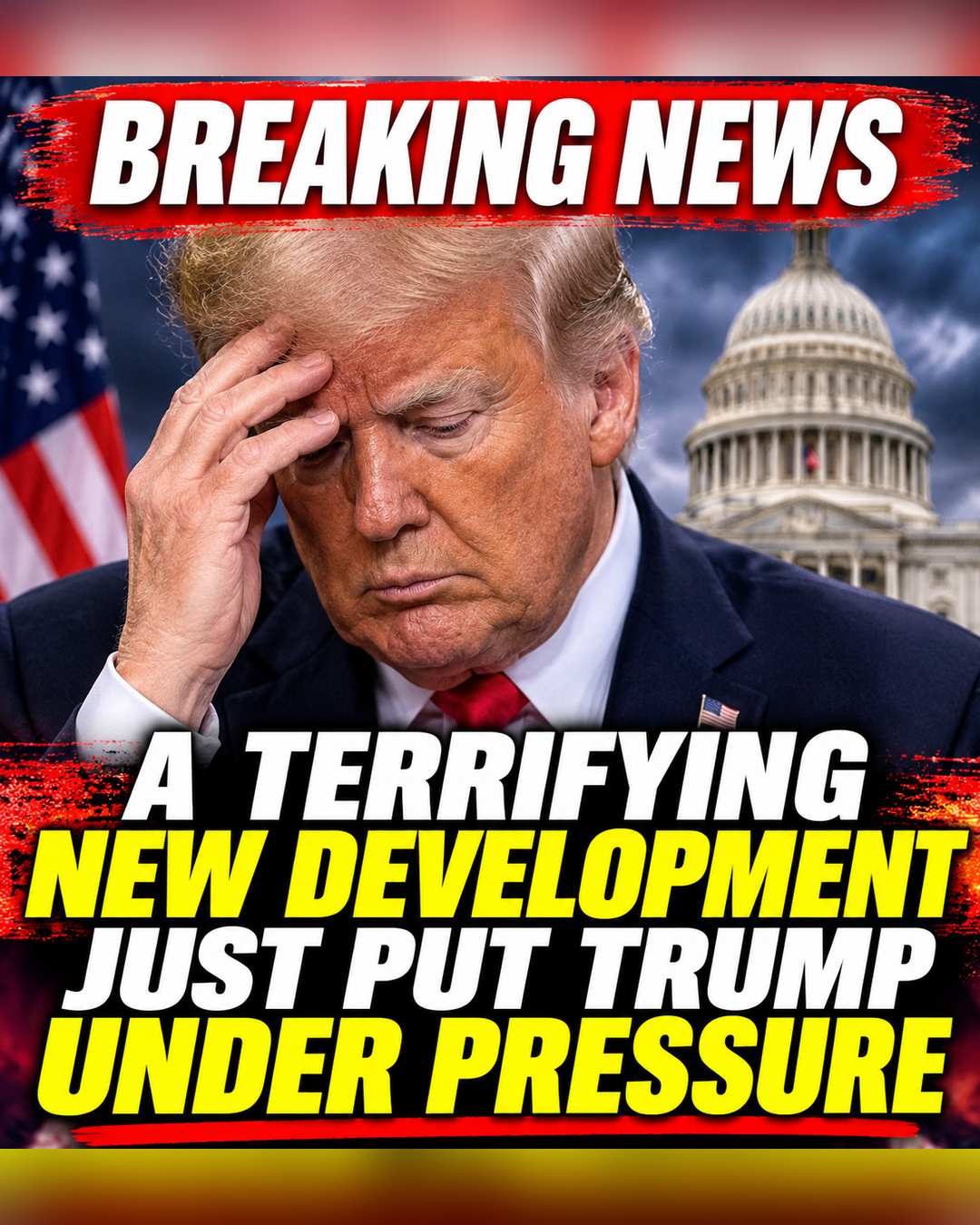
A TERRIFYING NEW DEVELOPMENT JUST PUT TRUMP UNDER PRESSURE
A TERRIFYING NEW DEVELOPMENT JUST PUT TRUMP UNDER PRESSURE
The Iran conflict is entering another tense moment as reports of oil tankers hitting mines in the Strait of Hormuz collide with Donald Trump's renewed insistence that the war could end soon. The contrast is stark: while the president projects confidence about a possible resolution, shipping incidents and unresolved negotiations continue to threaten stability across the region.
The latest developments are placing fresh pressure on the White House to show that its strategy can deliver more than promises. With energy markets watching closely and the November 3 midterm elections approaching, the consequences extend well beyond the battlefield.
TANKERS HIT AS TENSIONS AROUND HORMUZ INTENSIFY

The most alarming development is the growing danger facing commercial vessels in and around the Strait of Hormuz. Iran's Islamic Revolutionary Guard Corps Navy said two oil tankers caught fire after hitting mines while travelling along a route Tehran considers unauthorized. The claims have heightened concern over the security of one of the world's most strategically important waterways.
The situation is especially complicated because Iran and the United States disagree over which routes ships should use. Tehran has sought to restrict passage through the strait, while Washington has promoted alternative shipping arrangements. That disagreement has left commercial operators navigating an increasingly unpredictable security environment.
The incidents also raise questions about how future attacks could affect crews, shipping schedules and energy supplies. Although the full circumstances surrounding the reported tanker explosions remain unclear, the risk is already significant enough to keep governments and maritime operators on alert.
WHY THE STRAIT OF HORMUZ IS SO IMPORTANT

The Strait of Hormuz connects the Persian Gulf with the Gulf of Oman and the wider Indian Ocean. It is a critical passage for oil exports from major Gulf producers, making it one of the most sensitive points in the global energy system.
When vessels cannot travel safely through the strait, the consequences can spread quickly. Tankers may be delayed, shipping companies may divert vessels, and insurers may raise premiums to account for the heightened risk. Even without a complete closure, uncertainty can disrupt the flow of energy and place upward pressure on prices.
The consequences would extend beyond oil markets. Higher fuel and transportation costs can affect airlines, manufacturers, agricultural businesses and households. Countries dependent on imported energy could face additional economic pressure if disruptions persist.
This gives both Washington and Tehran significant leverage—but it also means that a prolonged confrontation could impose costs far beyond the two countries.
TRUMP'S CONFIDENCE FACES A SERIOUS TEST
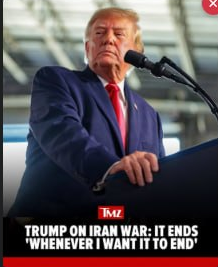
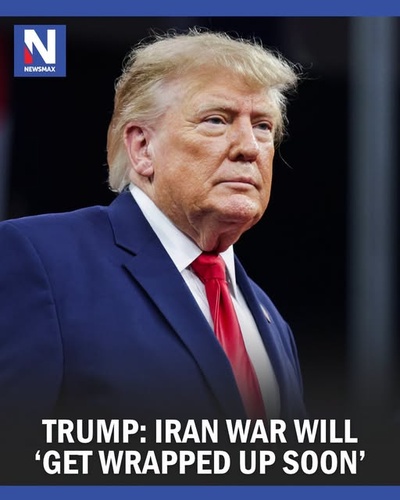
Trump has repeatedly said the war will end soon, but he has not presented a definitive agreement that would guarantee a lasting end to hostilities. His latest remarks have combined confidence about the conflict's eventual conclusion with warnings that Iran must accept a deal.
The president has also emphasized that Washington wants guarantees that Iran will never obtain a nuclear weapon. That demand remains central to the administration's position, even as discussions continue over maritime security and the future of the conflict.
The difficulty is that diplomatic optimism does not necessarily translate into an immediate reduction in military risk. Tanker incidents, competing demands and threats of renewed attacks can undermine confidence that an agreement is close.
Trump therefore faces a difficult balancing act. He must convince the public that his strategy is working while retaining enough pressure to bring Tehran to the negotiating table. If the conflict continues despite his predictions, questions about the administration's objectives and timeline are likely to grow.
DIPLOMACY IS STILL ALIVE, BUT THE GAP REMAINS WIDE

Despite the increasingly tense atmosphere, diplomatic efforts have not stopped. Iranian Foreign Minister Abbas Araghchi has said discussions with mediators are continuing over a proposal intended to reopen the Strait of Hormuz. Qatar has played a role in facilitating contacts, while other regional actors are watching for signs of progress.
The challenge is finding terms that both sides can accept. Washington wants guarantees over Iran's nuclear ambitions and safer maritime passage. Tehran wants its conditions and security concerns addressed and has warned that it will respond if the United States resumes major attacks.
A potential agreement would need to address more than the immediate movement of ships. It would also need a workable mechanism for preventing further incidents, managing disputes and ensuring that commitments are followed.
Until such arrangements are in place, the possibility of a diplomatic breakthrough will coexist with the risk of another escalation.
GLOBAL ENERGY MARKETS ARE WATCHING EVERY MOVE
Energy markets are particularly sensitive to developments in the Strait of Hormuz because traders must anticipate whether future supplies will arrive safely and on schedule. When the threat to shipping rises, prices can react to the possibility of disruption before a major shortage actually occurs.
A sustained interruption could increase the cost of transporting crude oil and refined products. Businesses might face higher fuel expenses, while governments could be forced to consider emergency measures if supply problems deepen.
Yet the direction of oil prices is not determined by security events alone. Expectations about demand, production levels, inventories and the likelihood of a diplomatic agreement also influence market movements. A credible peace deal could ease some of the pressure, while fresh attacks or a breakdown in negotiations could intensify it.
That uncertainty makes the next developments especially important for energy importers and consumers around the world.
WHAT HAPPENS NEXT COULD DETERMINE THE DIRECTION OF THE WAR

Three questions now stand out. Will Iran and the United States make enough progress through mediators to restore safer shipping? Will further attacks threaten additional commercial vessels? And will Trump continue prioritizing negotiations, or could the administration consider renewed military action if talks fail?
The answers could determine whether the region moves toward a fragile de-escalation or another round of confrontation. A successful diplomatic process would need to translate public statements into concrete commitments and safer conditions for ships travelling through the strait.
For now, the situation remains unresolved. Trump says the war could end soon, but Iran's warnings and the reported tanker incidents show that the path to an agreement remains uncertain.
The central test for Washington is whether it can turn its promise of a swift end to the conflict into a durable settlement—before another incident at sea makes the crisis even harder to contain.
Comments (0)
Loading comments...
May You Like

TRUMP'S FINAL CAMPAIGN PUSH REVEALS HOW MUCH IS AT STAKE
A MAJOR BREAKTHROUGH MAY BE WITHIN REACH — BUT IRAN'S NEXT MOVE COULD CHANGE EVERYTHING
175 House Dems Demand Trump Admin Stop Ilhan Omar Probe




Popular Posts
Treasury Flags $8 Billion
Nov 2, 2026
Trump Backs Bukele’s
Nov 2, 2026

Danica Patrick Accuses Democrats
Nov 2, 2026