
AMERICAN AIRLINES FLIGHT RETURNS TO PHOENIX AFTER CREW RECEIVES ENGINE WARNING
PHOENIX — NOV 20, 2026 — A reported emergency involving an American Airlines flight has focused attention on how pilots and air traffic controllers respond when a flight develops trouble shortly after departure.
Flight 3230 was scheduled to travel from Phoenix Sky Harbor International Airport to Portland, Oregon, a route that normally takes passengers across several states before reaching the Pacific Northwest.
An aviation report describing the incident raises questions about the information available to the crew, the response by other pilots and the steps taken to bring the aircraft back.
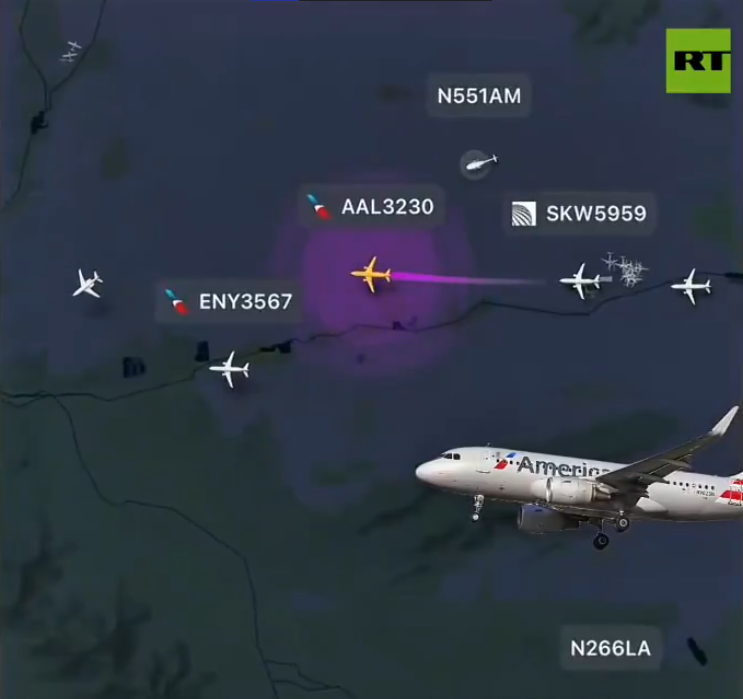
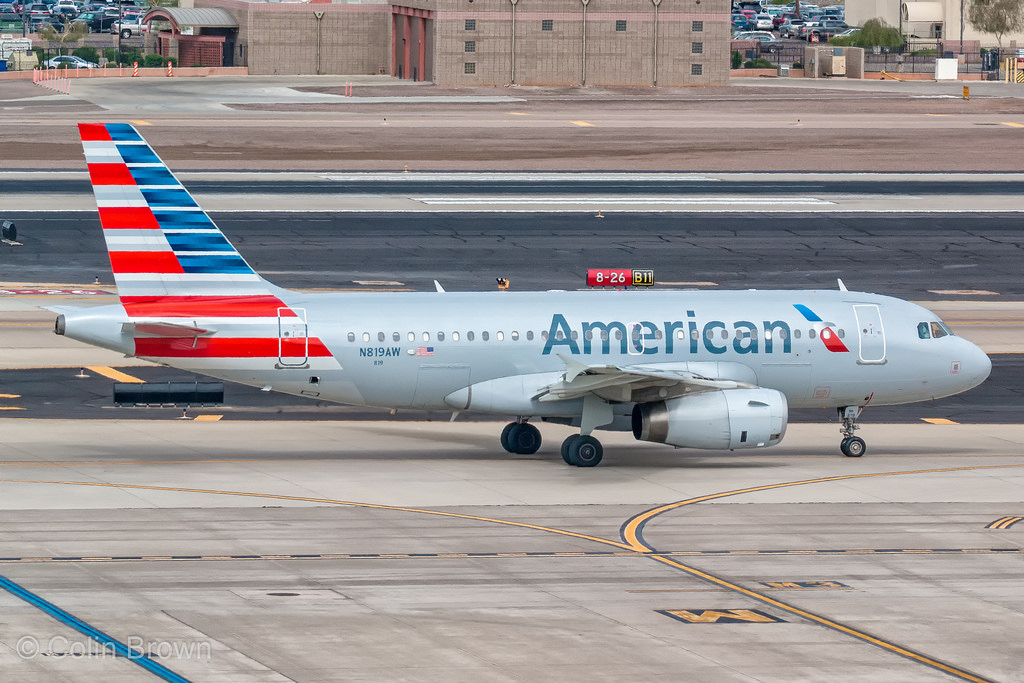
The aircraft involved was described as an Airbus A319, a twin-engine passenger jet used by American Airlines on domestic routes, including flights operating from its Phoenix hub.
A flight number identifies a scheduled service but does not always identify the same individual aircraft, so photographs of other A319s should not be mistaken for pictures of the jet involved.
During departures, air traffic controllers coordinate the movement of aircraft on the ground and in the air, including the transfer of flights between tower and departure frequencies.
Pilots also monitor their instruments and aircraft systems as they climb, while controllers and other flight crews may have a different view of the aircraft from outside.
That outside perspective can be useful when a condition visible behind an aircraft cannot readily be seen from the cockpit, although an observation alone does not establish what caused it.
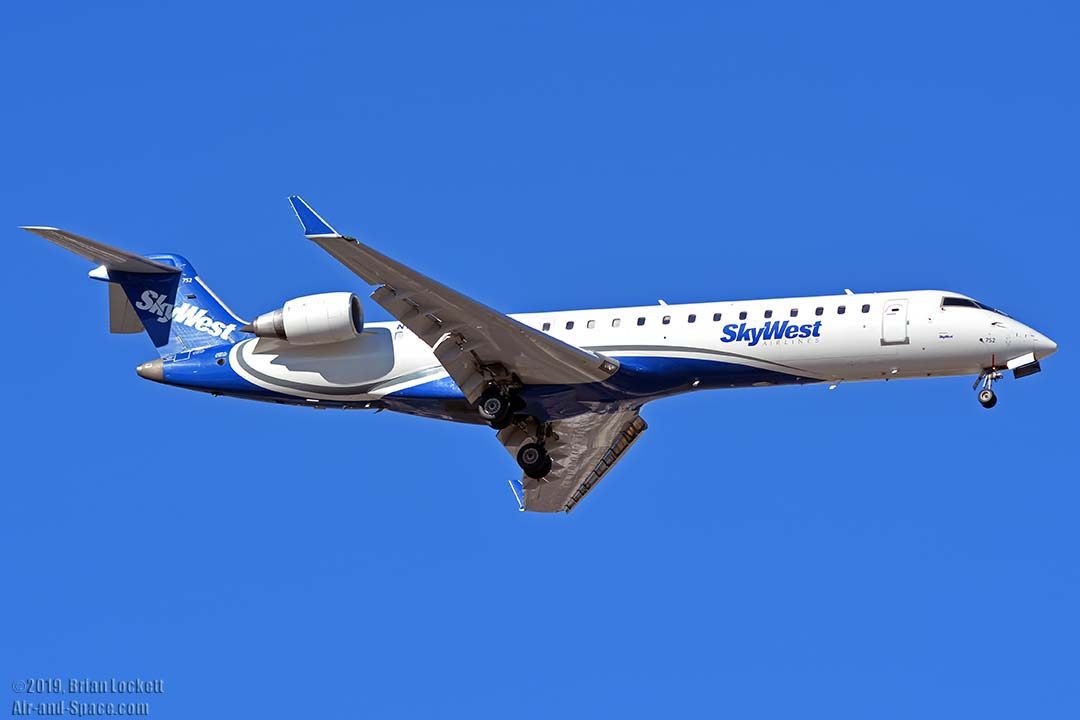
The aviation publication The Contrail reported that a SkyWest crew departing behind the American aircraft saw flames coming from one of its engines and passed along a warning.
According to the report, a controller told the American crew that the SkyWest pilots had seen flames and that the aircraft might also have been leaking something.
The possibility of a leak was part of the warning relayed to the crew, and the available account does not establish what substance, if any, was leaking.
The publication reported that the American pilots declared a Mayday, the international distress call used when an aircraft faces a serious emergency requiring immediate assistance.
An emergency declaration alerts controllers that a flight needs priority handling, allowing them to coordinate a return and communicate with other aircraft as circumstances require.
The Federal Aviation Administration describes several ways to respond when ordinary radio communication is disrupted, including attempting other frequencies and asking another aircraft to help relay messages.
Those procedures explain how a relay can work in general, but they do not establish which frequency was used or whether a relay occurred during this particular flight.
 The Contrail reported that approximately 120 people were aboard and that the flight took off at about 4:15 p.m. local time on Nov 19 before returning to Phoenix.
According to that account, the aircraft landed at approximately 4:34 p.m., less than 20 minutes after departure, rather than continuing to its planned destination in Portland.
The publication said the landing appeared normal and reported no word of injuries, while American Airlines had not publicly explained what caused the reported flames.
The available report does not independently confirm the claim that the flight lost radio contact or that the SkyWest crew relayed instructions during the return, so the precise communications sequence remains unclear.
What the published account does establish is that another crew’s reported warning reached the American pilots through a controller, after which the flight declared an emergency and returned to Phoenix.
Comments (0)
Loading comments...
May You Like

FIVE-STAR LUXURY RESORT FOR SENIORS — UPSCALE RETIREMENT LIVING WITHOUT THE PRICE TAG?

BANGCHAK REFINERY IN THAILAND SHUT DOWN, U.S. OIL PRICES JUMP 10%!

IOWA ENVIRONMENTAL DISASTER: 5-TON WASTE BLAST DISPLACES 3,000 FAMILIES!









Popular Posts




