
AMERICA'S ECONOMY IS GROWING — SO WHY ARE AMERICAN FAMILIES STILL STRUGGLING?
AMERICA'S ECONOMY IS GROWING, BUT AMERICAN FAMILIES ARE STILL STRUGGLING: WHERE IS THE PROSPERITY?
WASHINGTON, D.C. — NOVEMBER 28, 2026

Economic growth on paper, financial hardship in reality! While economic growth may suggest that America is becoming wealthier, many working families continue to struggle with expensive groceries, housing, healthcare and mounting household bills.
For millions of Americans, economic success is not measured by Wall Street's performance or government statistics. It is measured by whether they can afford a home, feed their children and save enough money for retirement.
Why is there such a significant disconnect between economic growth and the financial reality experienced by ordinary Americans?
1. U.S. Economic Growth Accelerates to 4.3%
According to the Bureau of Economic Analysis (BEA) report released on November 25, America's real GDP expanded at an annualized rate of 4.3% in the third quarter of 2026, revised upward from the initial estimate of 3.4%.
U.S. GDP growth — Q3 2026
4.3%
Annualized growth
U.S. GDP growth — Q2 2026
2.2%
October PCE inflation
3.8%
Federal Reserve inflation target
2.0%
0%2%4%6%Q2 2025Q3 2025Q4 2025Q1 2026Q2 2026Q3 2026
Sources: Bureau of Economic Analysis, November 25, 2026; Associated Press.
Bureau of Economic Analysis+1
These figures demonstrate genuine economic expansion. However, GDP measures national production rather than the financial well-being of every American household.
2. Inflation Continues to Destroy Purchasing Power
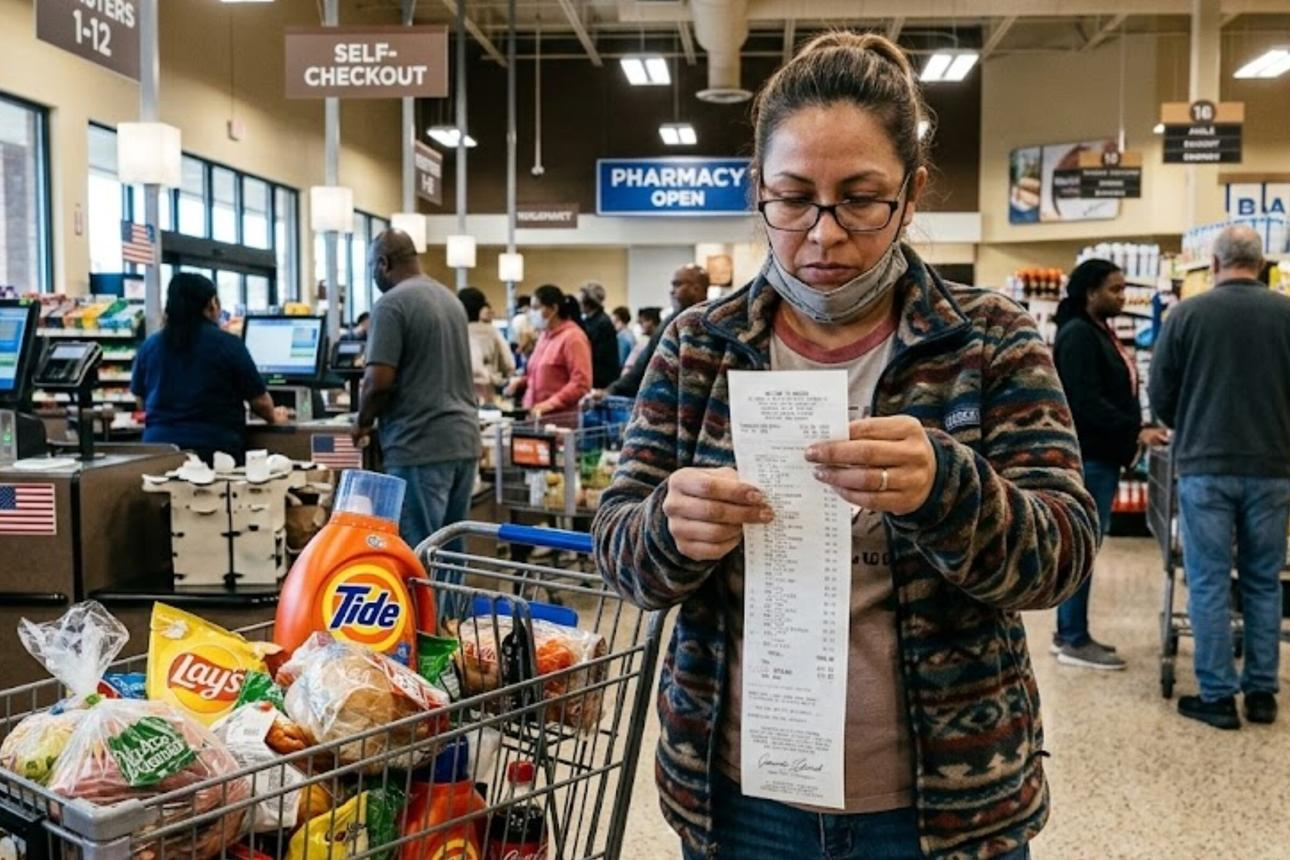
Despite strong economic growth, inflation remains significantly above the Federal Reserve's target.
The Fed's preferred inflation measure, the Personal Consumption Expenditures (PCE) price index, increased from 3.6% in September to 3.8% in October.
AP News
According to Treasury Department data, several essential expenses had already experienced significant annual price increases in September.
Annual price increases — September 2026
Energy
+20.4%
Overall CPI
+3.7%
Housing rent
+3.2%
Food
+2.5%
Source: U.S. Treasury Department, based on September 2026 inflation data.
U.S. Department of the Treasury
Even when inflation slows, prices do not necessarily return to previous levels. They simply increase more slowly.
This explains why many Americans continue to experience financial pressure long after an inflationary surge.
3. Corporate Profits Are Growing — But What About Workers?
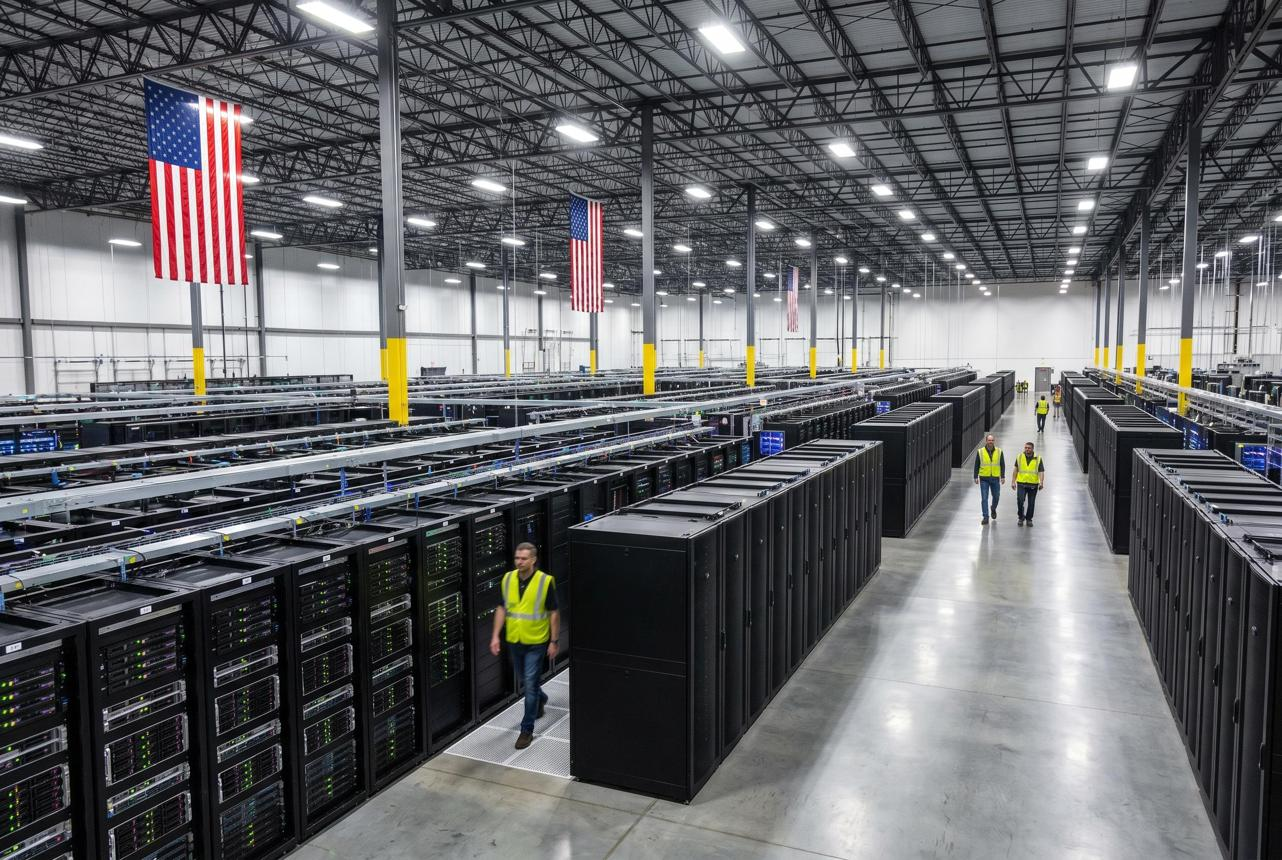
According to the BEA, corporate profits increased by $206 billion in the third quarter of 2026. Meanwhile, investment in artificial intelligence and technology infrastructure has become a major contributor to economic expansion.
Bureau of Economic Analysis+1
However, higher corporate profits do not automatically translate into proportionately higher wages.
Companies may reinvest their earnings, expand operations, distribute dividends or purchase new technology.
These activities can contribute to economic growth without immediately improving the purchasing power of ordinary workers.
4. America Is Experiencing an Increasingly Uneven Economy

Economists often use the term K-shaped economy to describe a situation in which different groups experience dramatically different financial outcomes.
Conceptual illustration of uneven economic outcomes, not measured household income data.
U.S. Bank's November 2026 economic outlook highlights this growing divergence: financially stronger households continue spending, while others face reduced purchasing power and declining financial cushions.
U.S. Bank
A booming economy can therefore coexist with significant financial hardship.
5. The American Dream of Homeownership Is Becoming More Expensive

Housing affordability remains one of the biggest obstacles to financial security.
The Federal Reserve's November Beige Book reported weakening residential real estate activity as affordability problems discouraged potential buyers. Elevated financing and construction costs also placed pressure on the housing market.
November 2026
Consider how mortgage interest rates can affect an American family purchasing a home.
How interest rates affect housing affordability
Home price
$400,000
Down payment
20%
Mortgage interest rate
7.00%
Monthly payment at 3%
$1,349
Monthly payment at 7%
$2,129
Additional annual mortgage expense compared with a 3% rate
$9,358
Illustrative 30-year fixed-rate mortgage. Excludes insurance, taxes, fees and maintenance.
Higher borrowing costs can turn the same property into a substantially greater financial burden.
6. Rising Salaries Do Not Necessarily Mean a Better Life

Imagine an American worker earning $60,000 annually who receives a 3% salary increase.
If the cost of living increases by 3.8%, that worker could effectively become poorer despite earning more money.
Are your wages keeping up with inflation?
Annual salary
$60,000
Annual salary increase
3.0%
Annual inflation
3.8%
New nominal salary
$61,800
Inflation-adjusted salary
$59,538
Change in purchasing power
-0.77%
Hypothetical example using uniform inflation, before taxes.
This is the difference between nominal income and real purchasing power.
A larger paycheck means little if it buys fewer essential goods and services.
7. American Families Are Facing Pressure From Multiple Directions
|
Household expense |
Financial challenge
Housing
Expensive rent and mortgages
Groceries
Persistently elevated prices
Transportation
Fuel, insurance and financing costs
Healthcare
Insurance premiums and medical bills
Childcare
Significant recurring expenses
Credit cards
High borrowing costs
Retirement
Reduced capacity to save
The Federal Reserve's latest Beige Book found that essential living expenses were straining household budgets and increasing demand for social assistance.
It also reported that consumers were becoming more selective about nonessential purchases.
November 2026
8. Could American Families Face Even Higher Interest Rates?
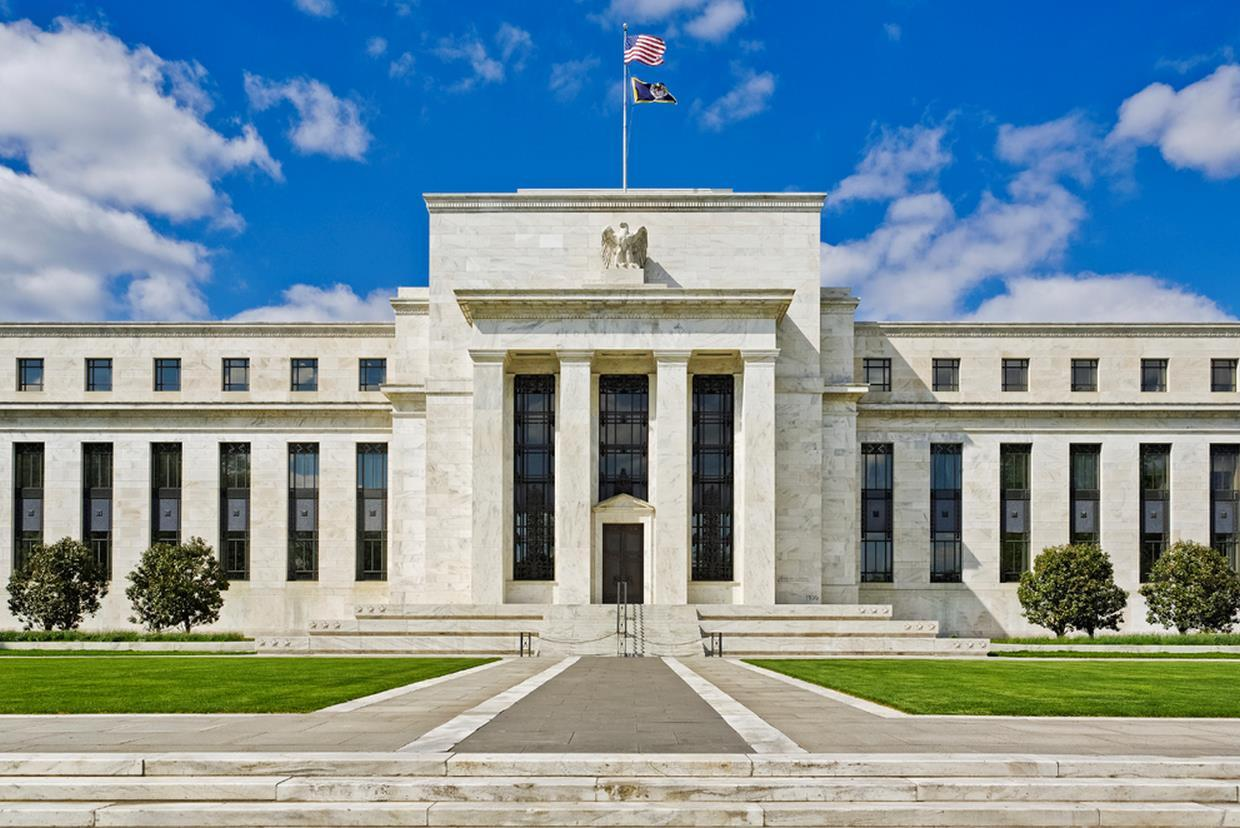
America's strong economic growth and persistent inflation have created a difficult situation for the Federal Reserve.
According to Associated Press reporting, continued inflationary pressure could encourage policymakers to consider another interest rate increase in December.
AP News
Higher interest rates could help reduce inflation over time, but they could also make mortgages, auto loans and credit card borrowing more expensive.
A December rate increase remains a possibility rather than a confirmed decision.
9. What Would Actually Improve the Lives of Ordinary Americans?
Economic growth is important, but several other indicators deserve equal attention when evaluating household prosperity.
|
Economic indicator |
Why it matters
Real wage growth
Determines household purchasing power
Housing affordability
Determines access to homeownership
Inflation
Influences everyday expenses
Household savings
Provides protection against emergencies
Employment security
Supports financial stability
Disposable income
Determines money available after taxes
Income distribution
Shows how broadly prosperity is shared
Sustainable improvements in living standards require economic gains to translate into stronger purchasing power, manageable living expenses and greater financial security.
10. A Booming Economy Does Not Guarantee a Prosperous Population
America's economy is expanding, corporate profits are growing and technological investment is accelerating.
These are meaningful economic achievements.
However, national economic success cannot tell the complete story of what individual families experience.
For many Americans, prosperity means being able to pay the mortgage, purchase groceries without financial anxiety, afford medical treatment and build savings for the future.
A growing economy is valuable. But the ultimate test of economic prosperity is whether that growth improves people's everyday lives.
AMERICA, CAN YOU REALLY CALL IT ECONOMIC PROSPERITY WHEN SO MANY HARDWORKING FAMILIES ARE STILL STRUGGLING TO AFFORD THE BASICS? ARE YOU PERSONALLY FEELING THE BENEFITS OF AMERICA'S ECONOMIC GROWTH? SHARE YOUR OPINION IN THE COMMENTS BELOW!
Comments (0)
Loading comments...
May You Like

CAIRO INFERNO — CAR CARRYING SENIOR U.S. OFFICIAL SLAMS INTO FUEL TANKER, 31 DEAD, 21 INJURED!

IRAN CLAIMS IT FIRED AT U.S. WARPLANES — WAS AN AMERICAN F-16 FORCED TO RETREAT?

I-75 THANKSGIVING NIGHTMARE — MAIL TRUCK CRASH RAISES OVERPASS COLLAPSE FEARS!














