
AMERICA'S LUCAS DRONE — A POTENTIAL GAME CHANGER IN THE SOUTH CHINA SEA?
AMERICA'S LUCAS COMBAT DRONE: COULD THIS NEW TECHNOLOGY TRANSFORM THE BALANCE OF POWER IN THE SOUTH CHINA SEA?
WASHINGTON, D.C. / MANILA — NOVEMBER 27, 2026
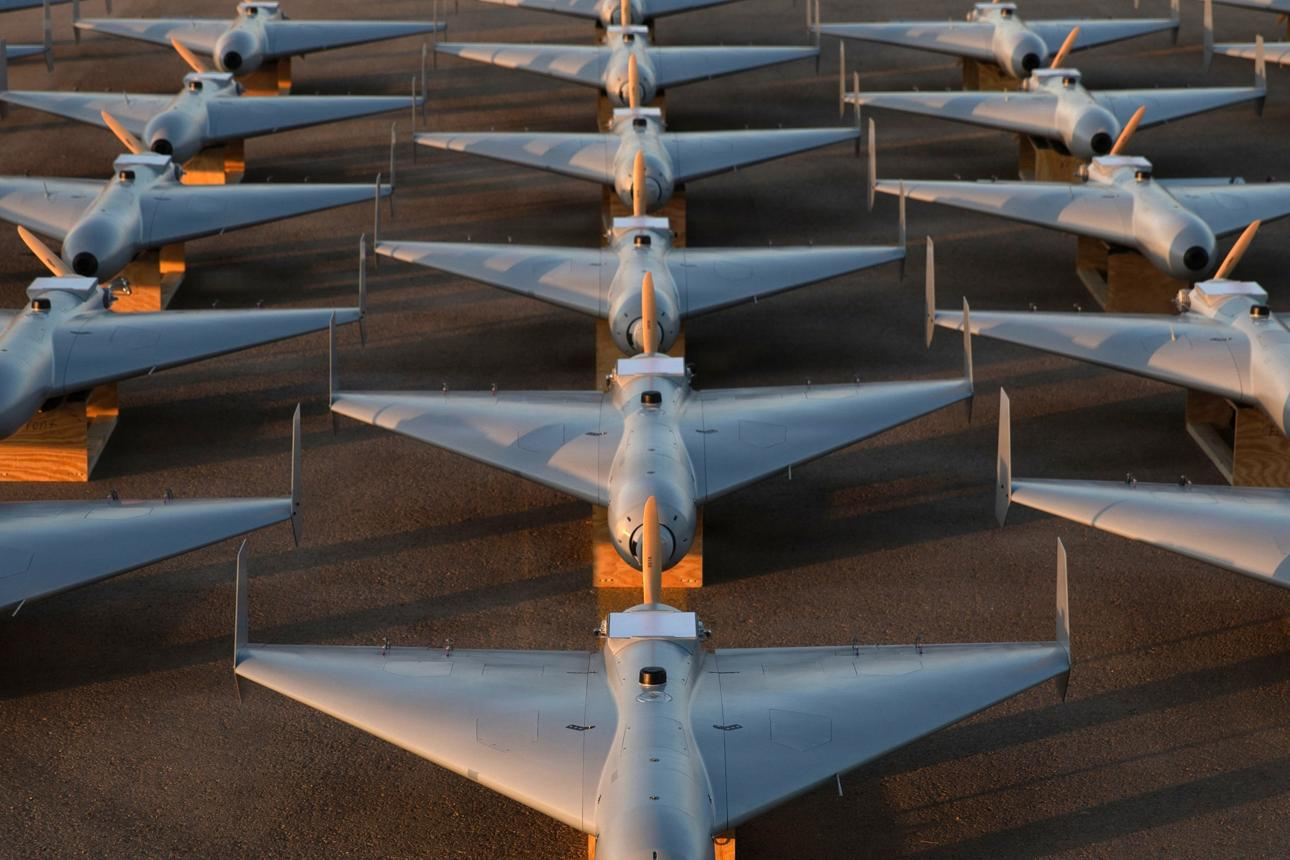
A new generation of affordable American military drones could significantly strengthen the Philippines' defense capabilities and introduce another dimension to strategic competition in the Pacific.
The U.S.-developed LUCAS drone represents a shift toward lower-cost unmanned military technology, potentially allowing countries with limited defense budgets to modernize their armed forces.
But could this technology genuinely transform the Philippines into a stronger regional military power? And how might its introduction affect tensions between Washington, Manila and Beijing?
1. The Philippines Could Acquire Hundreds of American LUCAS Drones
According to a report published by VietNamNet on November 26, the Philippines is pursuing the acquisition of hundreds of American-made LUCAS drones as part of its military modernization efforts.
The potential acquisition comes amid discussions surrounding billions of dollars in American defense assistance to Manila.
vietnam.vn
Drone designation
FLM-136 LUCAS
Country of development
🇺🇸 United States
Manufacturer
SpektreWorks
Philippine acquisition
Reported proposal
However, the latest available reporting does not establish that hundreds of these drones have already been delivered to the Philippine military.
2. What Makes the LUCAS Drone Different?
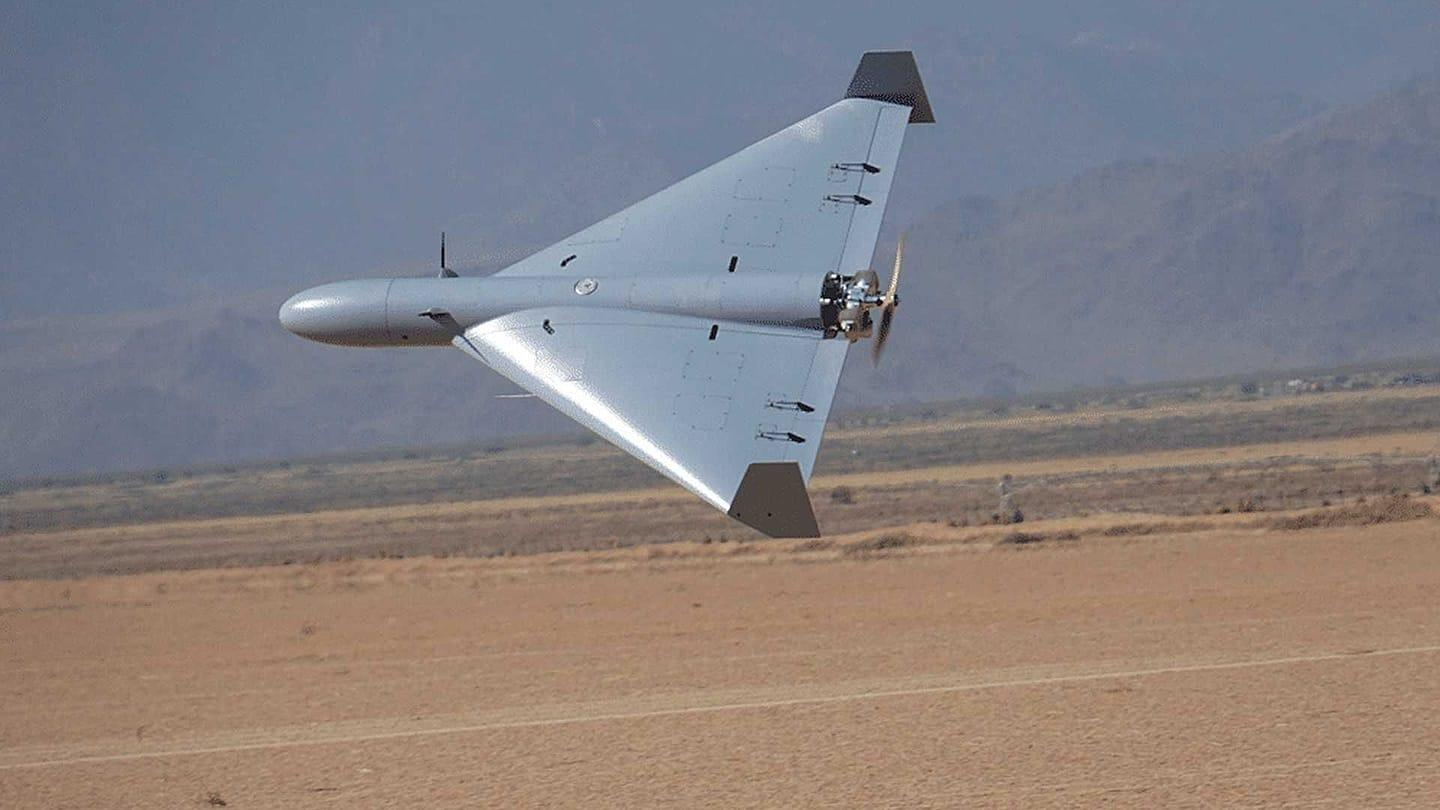
LUCAS stands for Low-Cost Uncrewed Combat Attack System.
Developed by Arizona-based SpektreWorks, the aircraft reflects a growing emphasis within the Pentagon on affordable, expendable unmanned systems rather than relying exclusively on sophisticated and expensive military platforms.
Reuters reported in March 2026 that the system's development reflects lessons learned from recent international conflicts and America's efforts to accelerate military technology procurement.
Reuters
Its principal characteristics include:
-
Uncrewed operation, reducing the need to expose pilots to danger.
Relatively inexpensive manufacturing.
Adaptable electronic architecture.
Potential for large-scale industrial production.
Lower procurement costs than many traditional military aircraft and advanced munitions.
The technology represents a broader transformation in the economics of modern warfare.
3. Why Is the South China Sea So Important?
Use two fingers to move the map
Use ctrl + scroll to zoom the map
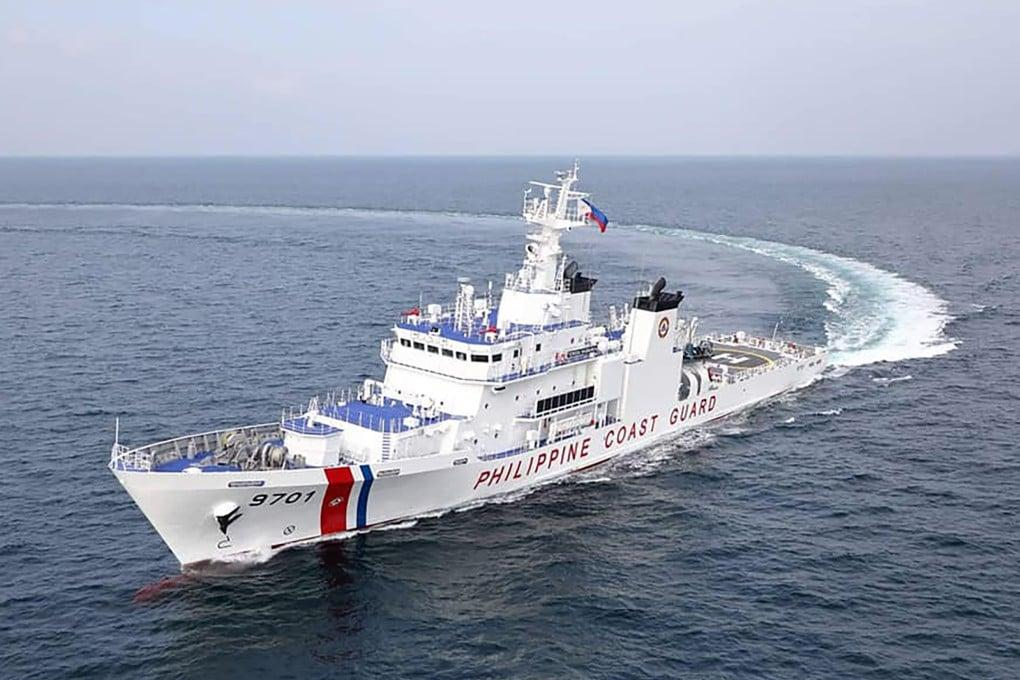
The South China Sea is one of the world's most strategically significant maritime regions.
It contains important international shipping routes, valuable fishing resources and potential offshore energy reserves.
Territorial and maritime disputes involving China, the Philippines and other regional governments have generated considerable diplomatic and security tensions.
For Manila, strengthening its maritime security capabilities is closely connected to protecting its sovereignty, economic interests and coastal communities.
4. Could LUCAS Transform the Philippines Into a Military Power?
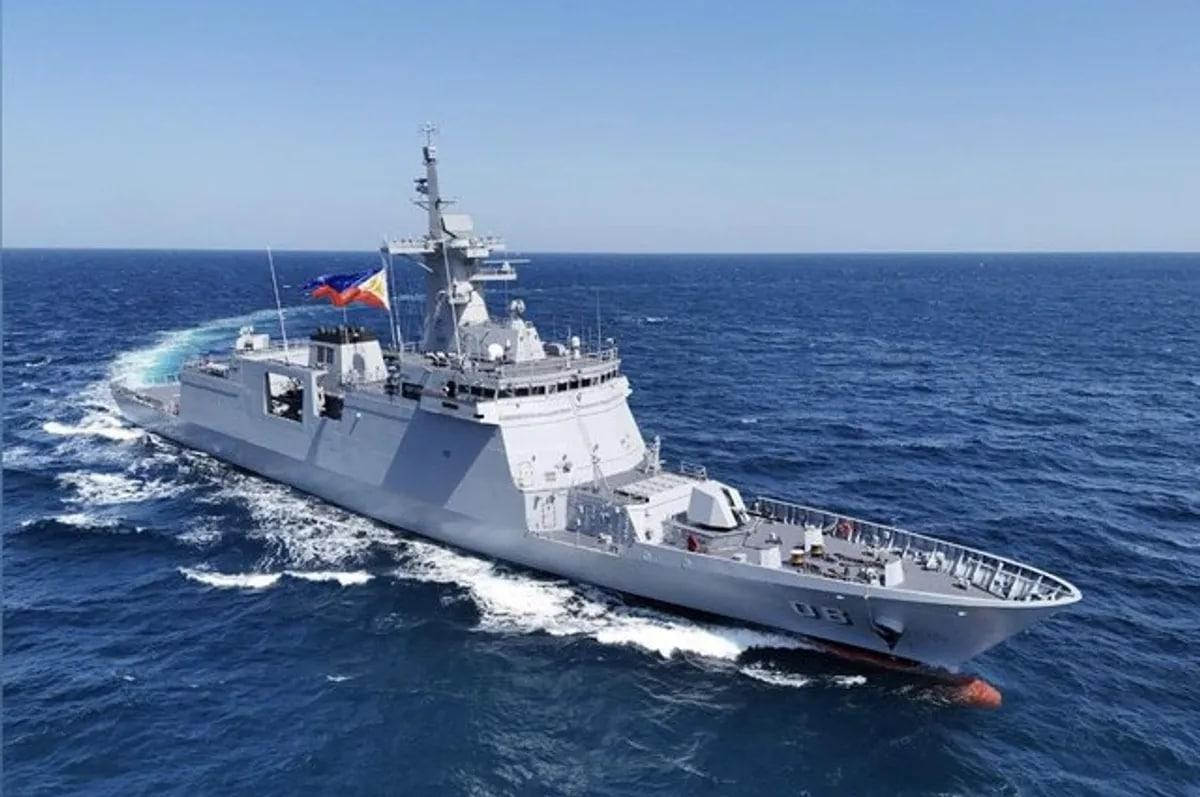
The acquisition of affordable unmanned systems could help the Philippines modernize its armed forces without relying exclusively on expensive conventional platforms.
However, military strength depends on far more than possessing a single type of advanced weapon.
|
Defense capability |
Potential significance
Unmanned technology
Additional military capabilities
Maritime surveillance
Improved situational awareness
Personnel training
Greater operational readiness
International cooperation
Access to resources and expertise
Military logistics
Long-term operational sustainability
Cybersecurity
Protection of digital infrastructure
While LUCAS could contribute to Philippine modernization, it would not automatically make the country a major military power or eliminate the substantial differences between regional armed forces.
5. Japan Is Also Strengthening Philippine Defense Capabilities

The United States is not the only country seeking closer defense cooperation with Manila.
Reuters reported on November 26 that Japan plans to provide the Philippines with radar and drone technology to strengthen coastal surveillance.
Beijing has criticized Japan's involvement, arguing that it could increase regional tensions.
The developments reflect expanding security cooperation between the Philippines, Japan and the United States.
gmanetwork.com
6. Is America's LUCAS Drone Invincible?
No military technology is invulnerable.
On November 24, Iranian authorities claimed that their air defense forces had intercepted an American LUCAS drone during operations in the Gulf region.
Anadolu Agency reported that American officials had not immediately responded to the claim. The reported interception was not independently confirmed in the available coverage.
Anadolu Ajansı+1
The incident illustrates why claims describing any single drone as an unbeatable weapon should be treated cautiously.
Reliability, environmental conditions, electronic interference and defensive technologies can all influence the effectiveness of unmanned aircraft.
7. What Does This Mean for American Taxpayers?
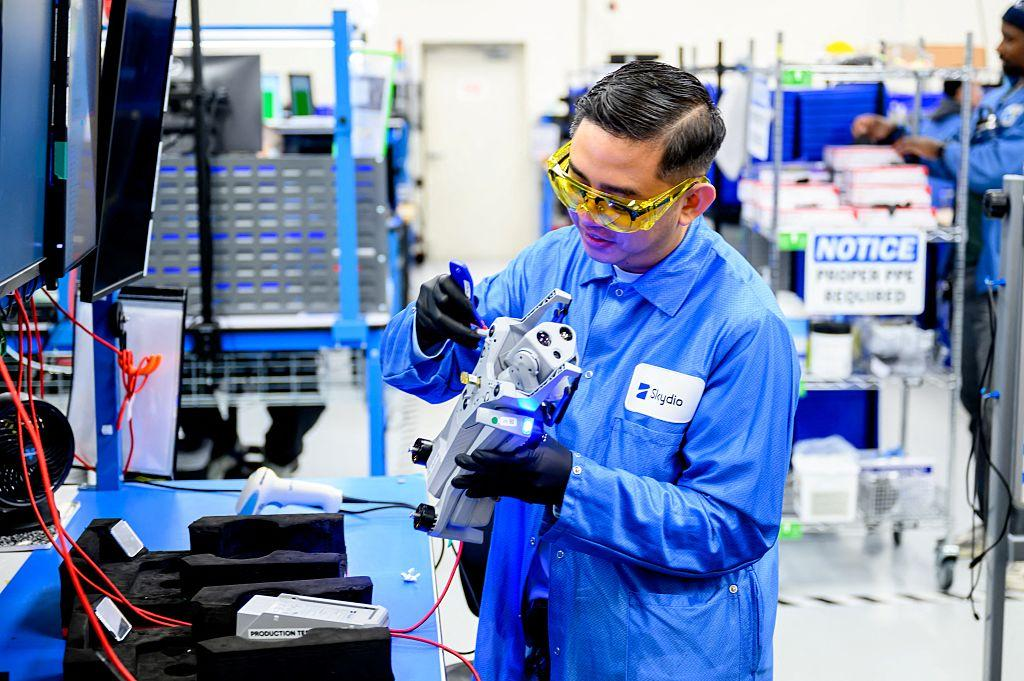
The expansion of military drone manufacturing could generate economic opportunities for America's aerospace and technology industries.
American companies could benefit from additional manufacturing contracts, engineering investment and international defense partnerships.
However, military assistance to foreign partners also raises questions about federal spending priorities.
|
Potential benefits |
Potential concerns
American manufacturing employment
Additional federal expenditure
Technological innovation
Long-term assistance commitments
Stronger international partnerships
Escalation of regional tensions
Expanded defense exports
Oversight of public spending
The financial consequences will depend on the final procurement agreements and whether purchases are financed by American assistance or Philippine government funds.
8. Could Growing Military Capabilities Increase Tensions With China?

Greater military cooperation between Washington and Manila could contribute to deterrence and strengthen Philippine confidence in its national defense.
Supporters argue that stronger defense capabilities could discourage coercion and help preserve regional stability.
Others warn that accelerating military modernization could encourage competing governments to expand their own arsenals, increasing the risks of misunderstanding and escalation.
Diplomatic communication, respect for international law and crisis-management mechanisms remain essential to preventing confrontation.
9. Three Possible Outcomes for the Pacific
Scenario 1: Stronger regional deterrence
Philippine modernization contributes to greater defensive confidence while diplomatic engagement helps prevent military conflict.
Scenario 2: Accelerating military competition
Regional governments increase defense expenditure and investment in unmanned technologies.
Scenario 3: Renewed diplomatic cooperation
Governments pursue maritime agreements and stronger crisis-management arrangements alongside military modernization.
These are possible developments, not predictions of inevitable military confrontation.
10. Has America Really Changed the Balance of Power in the Pacific?
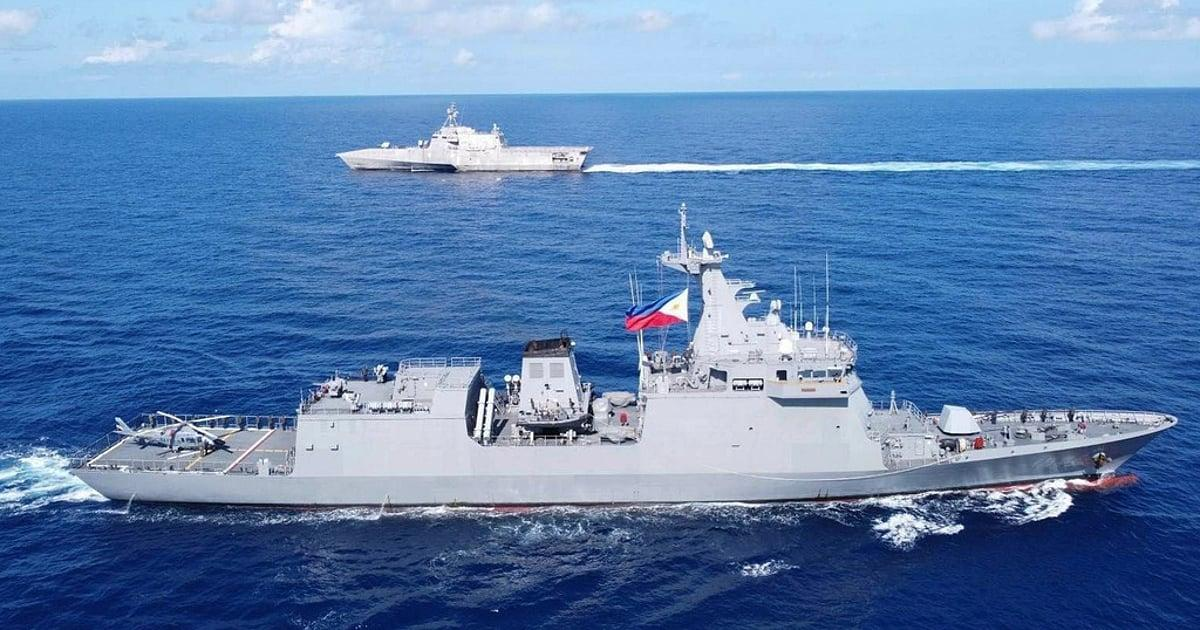
The LUCAS drone reflects a significant shift toward more affordable unmanned military technology.
For the Philippines, access to such technology could become an important component of a broader defense modernization strategy.
For the United States, closer security cooperation with Manila could strengthen its longstanding strategic relationships in the Indo-Pacific.
Nevertheless, there is currently insufficient evidence to conclude that the proposed acquisition has already transformed the regional balance of power.
America's latest drone technology could influence the future of Pacific security. But the ultimate measure of its strategic value may be whether it helps prevent conflict rather than contribute to another devastating war.
AMERICA, WHAT DO YOU THINK? COULD U.S.-MADE DRONES HELP PRESERVE PEACE AND STABILITY IN THE SOUTH CHINA SEA, OR WILL THEY CONTRIBUTE TO A NEW REGIONAL ARMS RACE? SHARE YOUR OPINION IN THE COMMENTS BELOW!
Comments (0)
Loading comments...
May You Like

IOWA MILITARY EMERGENCY: 51 TONS OF UNSTABLE SUSPECTED BIOWEAPON WASTE FOUND AFTER 5-TON BLAST!

THANKSGIVING CRISIS: NYC PARADE POSTPONED AFTER FBI WARNING—$900 MILLION LOST!

PENTAGON'S DECLASSIFIED UFO FILES — THE MYSTERY OF AN UNDERGROUND STORAGE PROJECT!













