
AMERICA’S NEW-GENERATION AIRCRAFT CARRIERS — MILITARY MIGHT BUILT AT THE EXPENSE OF THE PEOPLE
AMERICA'S $154 BILLION AIRCRAFT CARRIER AMBITIONS: MILITARY SUPERIORITY OR ANOTHER FINANCIAL BURDEN FOR TAXPAYERS?
WASHINGTON, D.C. — NOVEMBER 27, 2026
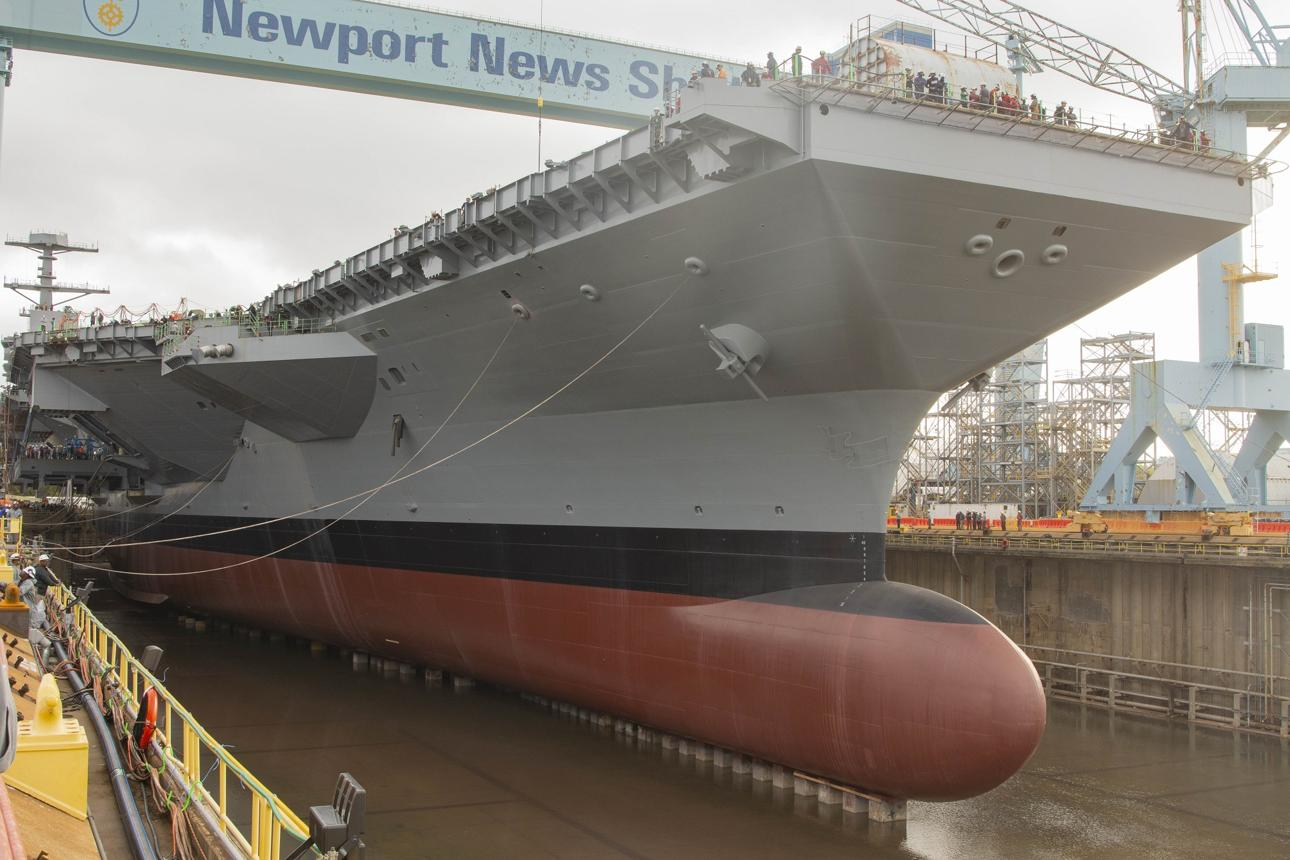
The United States is investing heavily in the next generation of aircraft carriers, with a reported $154 billion price tag raising significant questions about America's military ambitions and federal spending priorities.
The Navy's modernization efforts are intended to preserve American maritime capabilities, strengthen deterrence and maintain its ability to respond to international crises.
However, with American families facing considerable cost-of-living pressures, the enormous expense of military modernization deserves careful examination.
Will these advanced warships protect America's long-term economic and national security interests, or could their costs place additional pressure on taxpayers?
1. Washington Plans to Purchase Seven New Aircraft Carriers
According to the Congressional Budget Office (CBO) analysis of the Navy's fiscal year 2027 shipbuilding plan, the United States intends to acquire seven additional Ford-class nuclear-powered aircraft carriers between 2027 and 2056.
cbo.gov
Reported investment
$154B
Exact amount requires verification
Additional carriers planned
7
Procurement period
2027–2056
Aircraft carrier class
Gerald R. Ford
Importantly, this is a long-term shipbuilding program rather than the immediate deployment of seven new aircraft carriers.
2. Meet America's Next-Generation Supercarriers
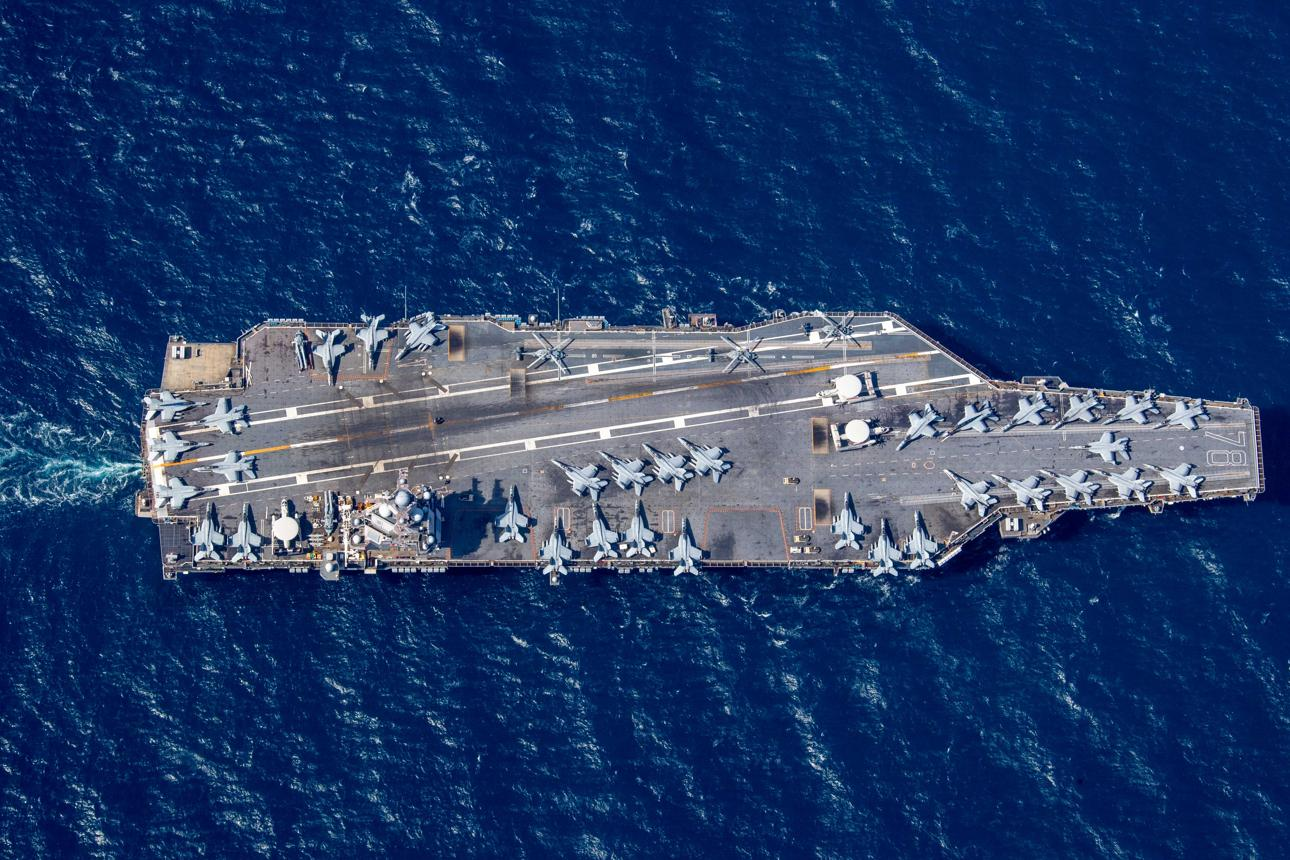
The Gerald R. Ford class represents a major modernization of America's aircraft carrier fleet, succeeding the older Nimitz class.
The new generation of warships incorporates several technological improvements:
-
Advanced nuclear propulsion.
Electromagnetic aircraft launch systems.
Modern radar and electronic systems.
Increased electrical generation capacity.
Greater automation and reduced personnel requirements.
Improved aircraft handling capabilities.
These improvements are intended to enhance operational efficiency and support future generations of naval aircraft.
3. Why Are These Aircraft Carriers So Expensive?
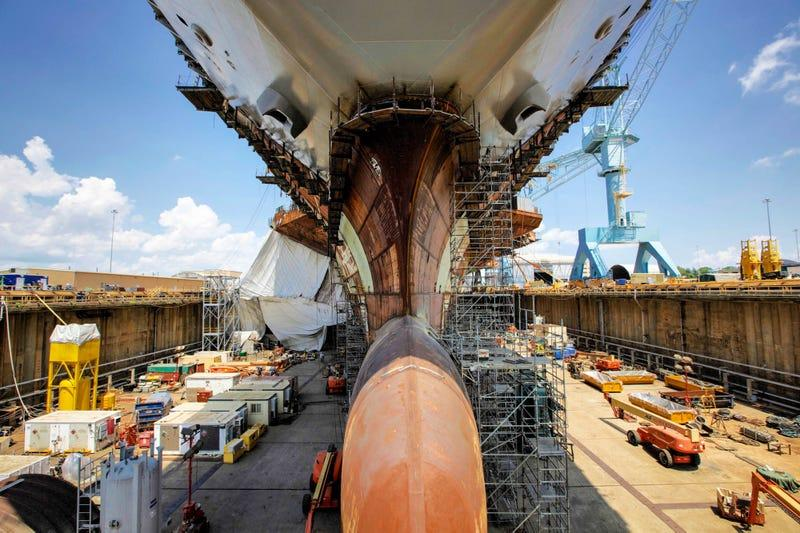
Building a nuclear-powered aircraft carrier requires years of engineering, specialized manufacturing and highly skilled labor.
The latest CBO report reveals the substantial costs associated with America's carrier modernization program.
Aircraft carrier construction costs
USS Gerald R. Ford (CVN-78)
$22.4B
John F. Kennedy (CVN-79) — Navy estimate
$18.2B
John F. Kennedy (CVN-79) — CBO estimate
$17.9B
Costs expressed in inflation-adjusted 2026 dollars. Source: Congressional Budget Office, November 2026.
cbo.gov
The first Ford-class carrier's inflation-adjusted construction cost includes substantial one-time engineering expenses. Research and development costs for the entire class are accounted for separately.
Furthermore, construction expenses represent only part of the financial commitment. Aircraft, maintenance, personnel, modernization and eventual decommissioning create additional long-term costs.
4. America's New Generation of Aircraft Carriers
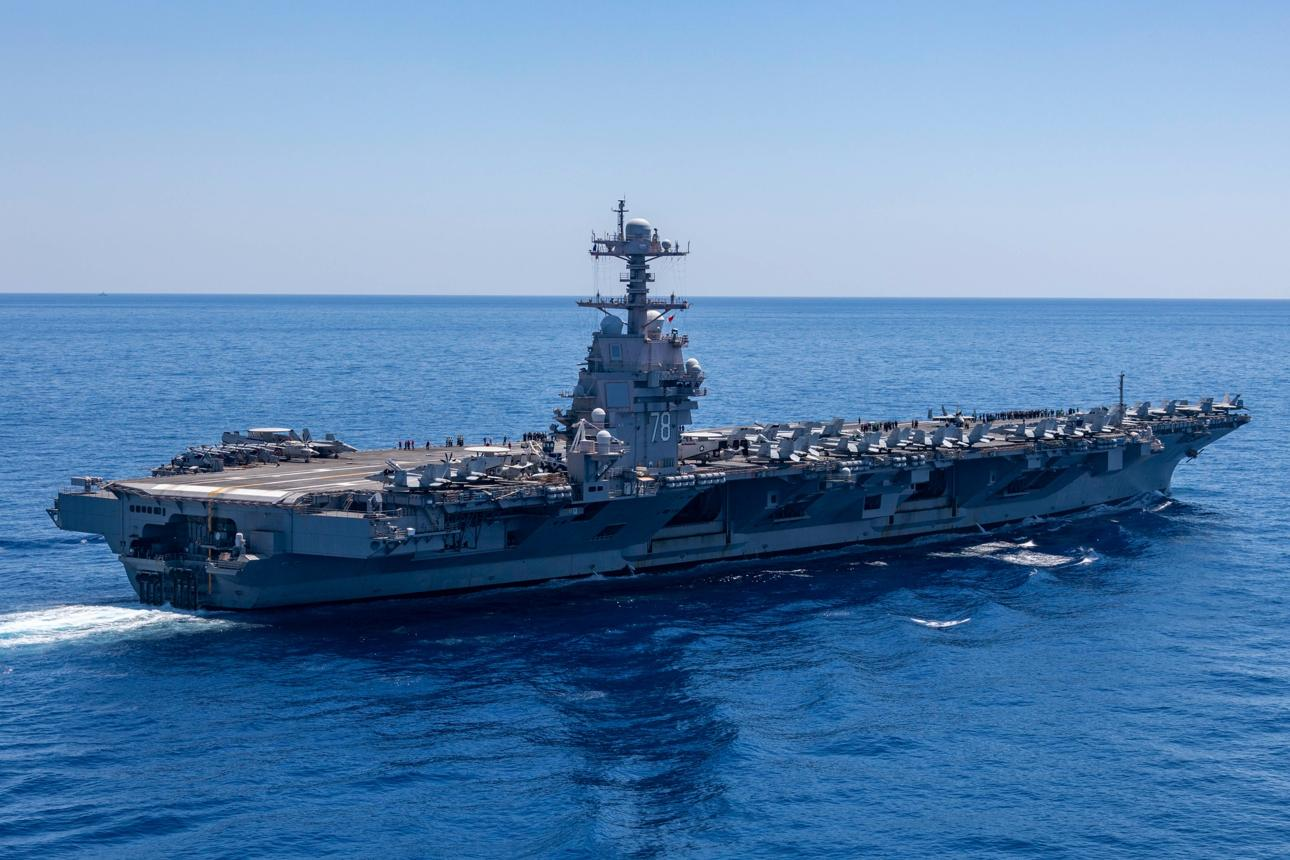
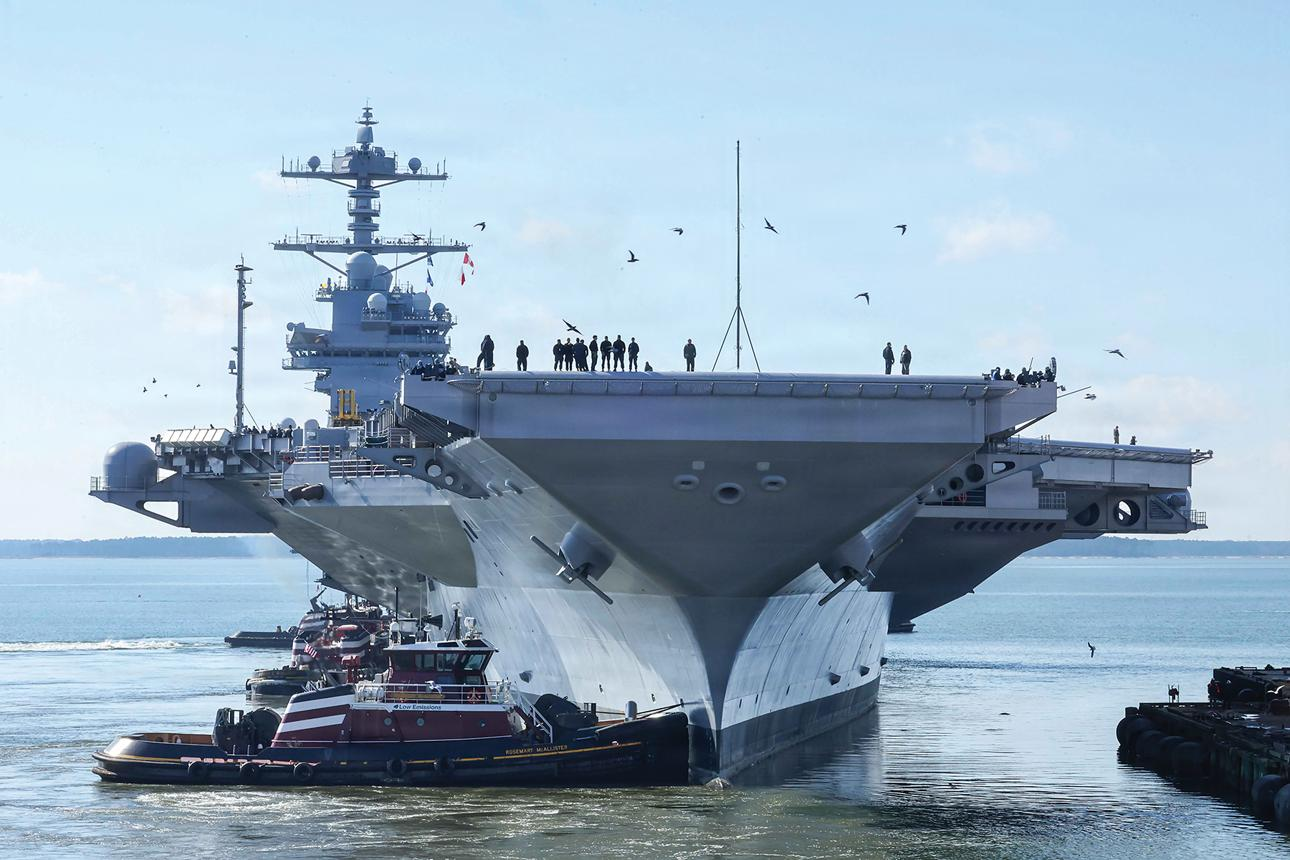
USS Gerald R. Ford (CVN-78)
The lead ship of the new generation, commissioned in 2017.
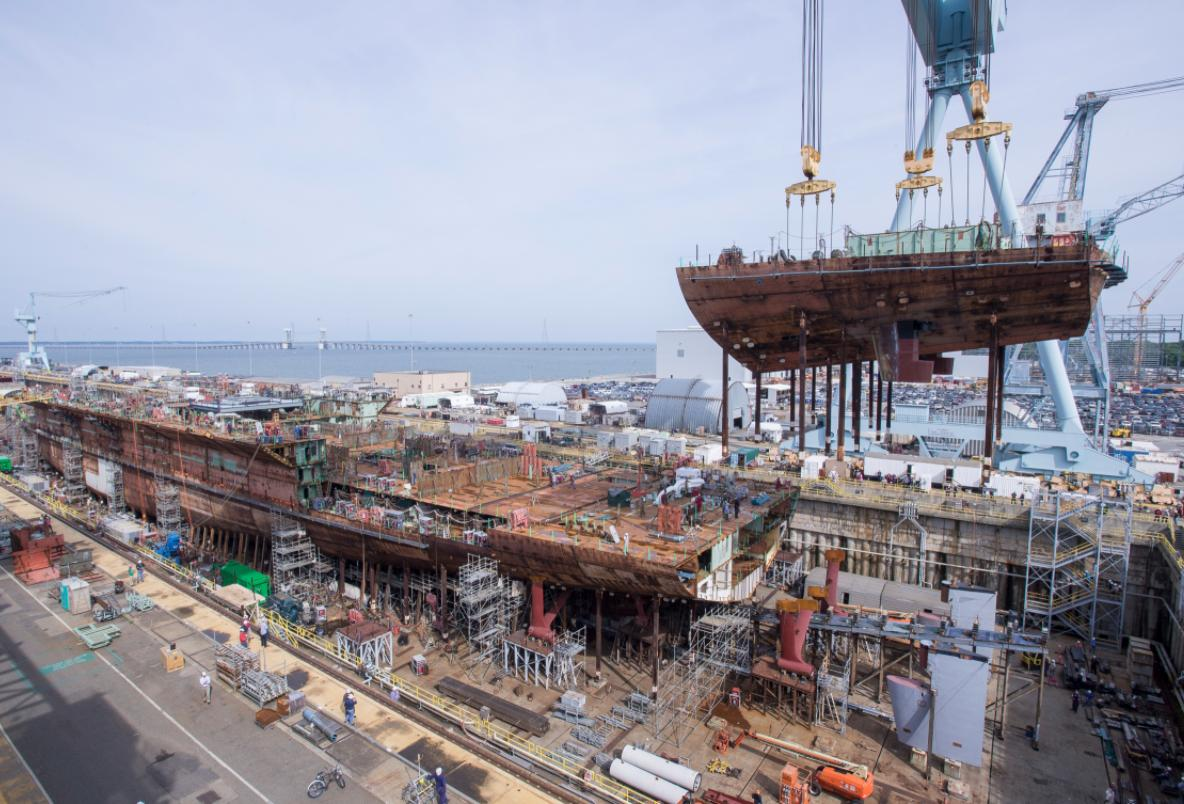
John F. Kennedy (CVN-79)
Expected to be completed in 2027, with deployment anticipated in 2028 or later, according to the CBO.
Enterprise (CVN-80)
The third aircraft carrier in the Ford class.
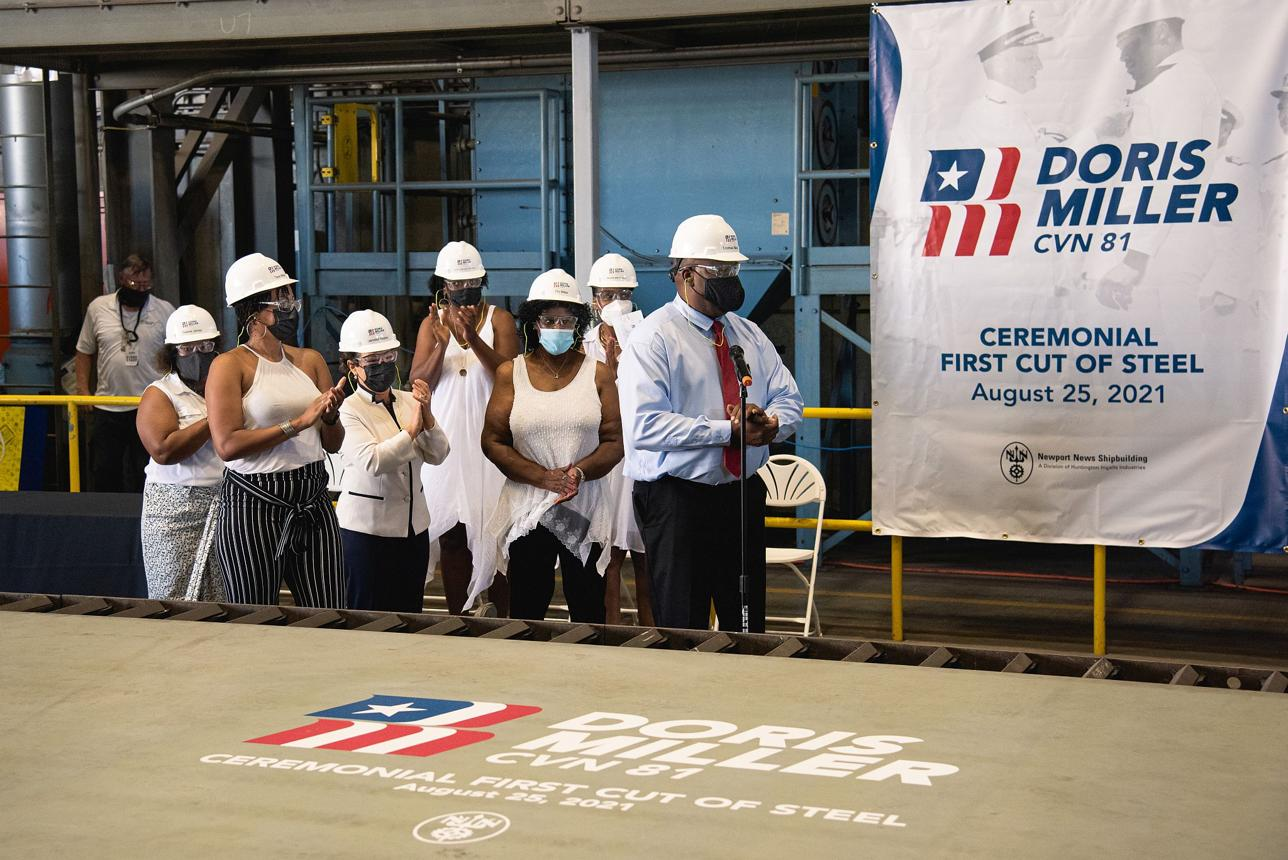
Doris Miller (CVN-81)
The fourth Ford-class carrier, named in honor of a distinguished American sailor from World War II.
The modernization program is expected to gradually replace aging aircraft carriers rather than simply increase the existing fleet by seven vessels.
5. Why Is Washington Investing So Heavily in Maritime Power?
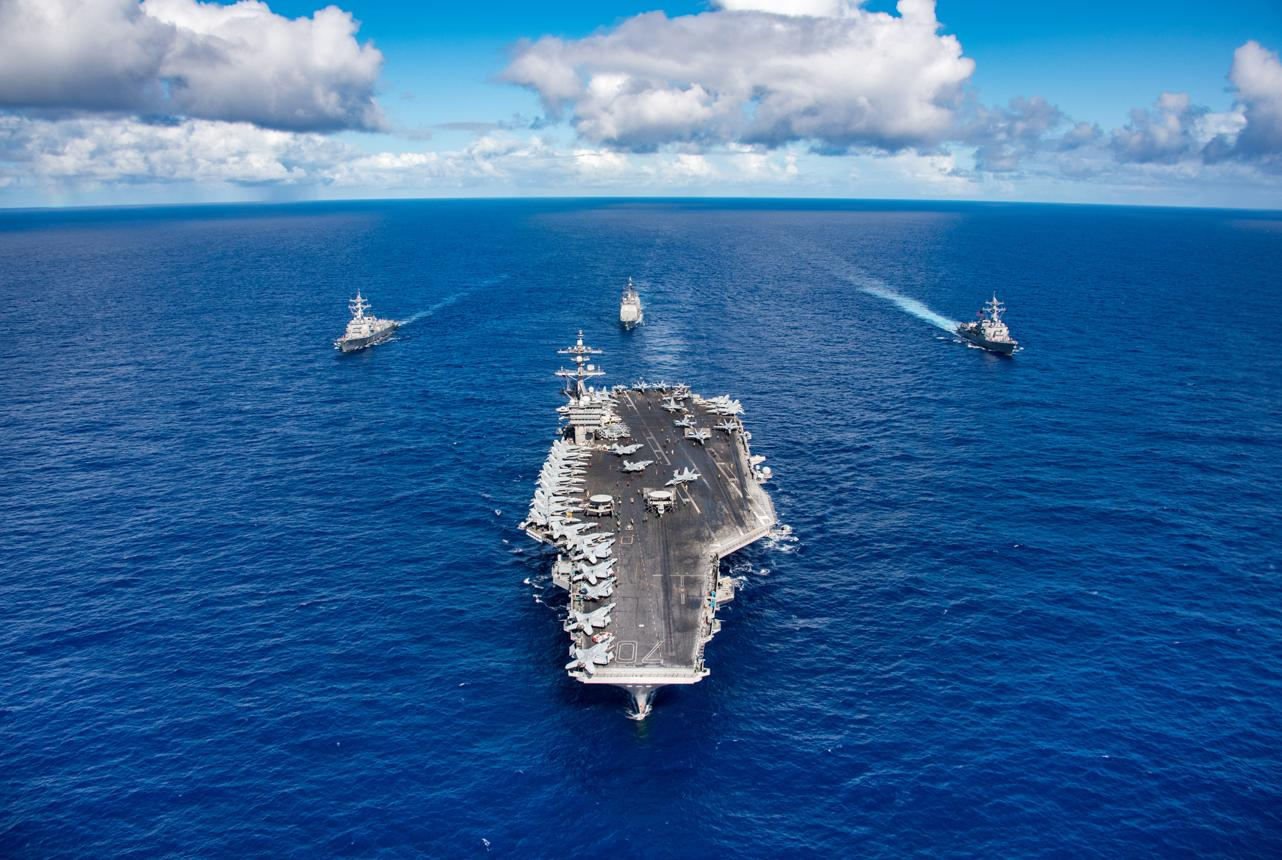
The expansion and modernization of China's naval capabilities have intensified strategic competition in the Indo-Pacific.
Aircraft carriers provide the United States with mobile aviation capabilities without requiring permanent access to foreign airfields.
Supporters of the modernization program argue that these vessels could strengthen deterrence, reassure American allies, protect international maritime interests and enable Washington to respond to emerging security crises.
However, advanced anti-ship technologies, unmanned systems and the enormous costs of maintaining carrier fleets have also generated debate about their long-term military value.
6. Could the Program Create Thousands of American Jobs?
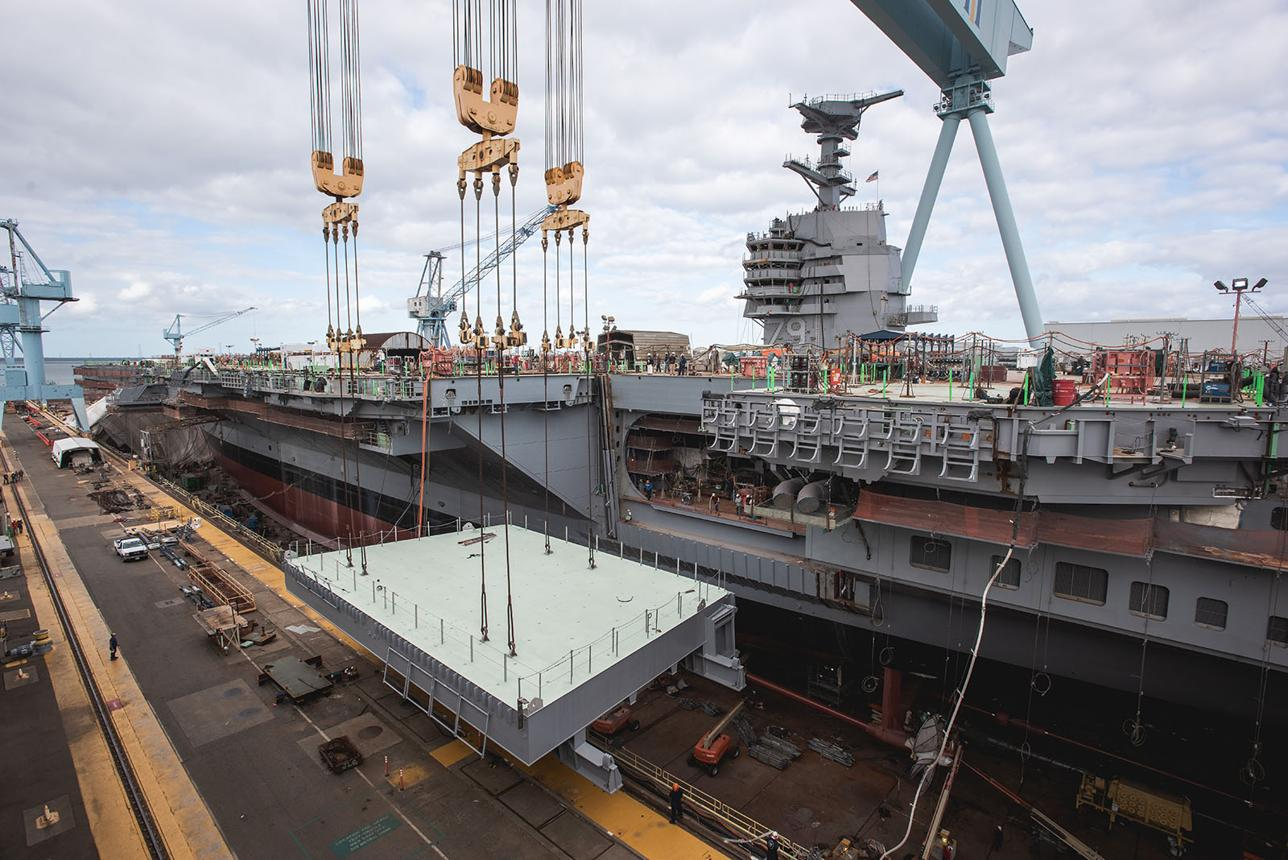
Aircraft carrier construction supports a substantial domestic industrial supply chain.
Potential economic beneficiaries include:
-
Shipbuilding and steel manufacturing.
Nuclear engineering.
Electrical and electronic equipment manufacturing.
Advanced materials production.
Software engineering and technological research.
Long-term military contracts can provide stable employment and encourage investment in specialized American manufacturing capabilities.
Nevertheless, shortages of skilled workers, rising material costs and production delays could increase the program's overall expense.
7. Could $154 Billion in Military Spending Drive Up Commodity Prices?
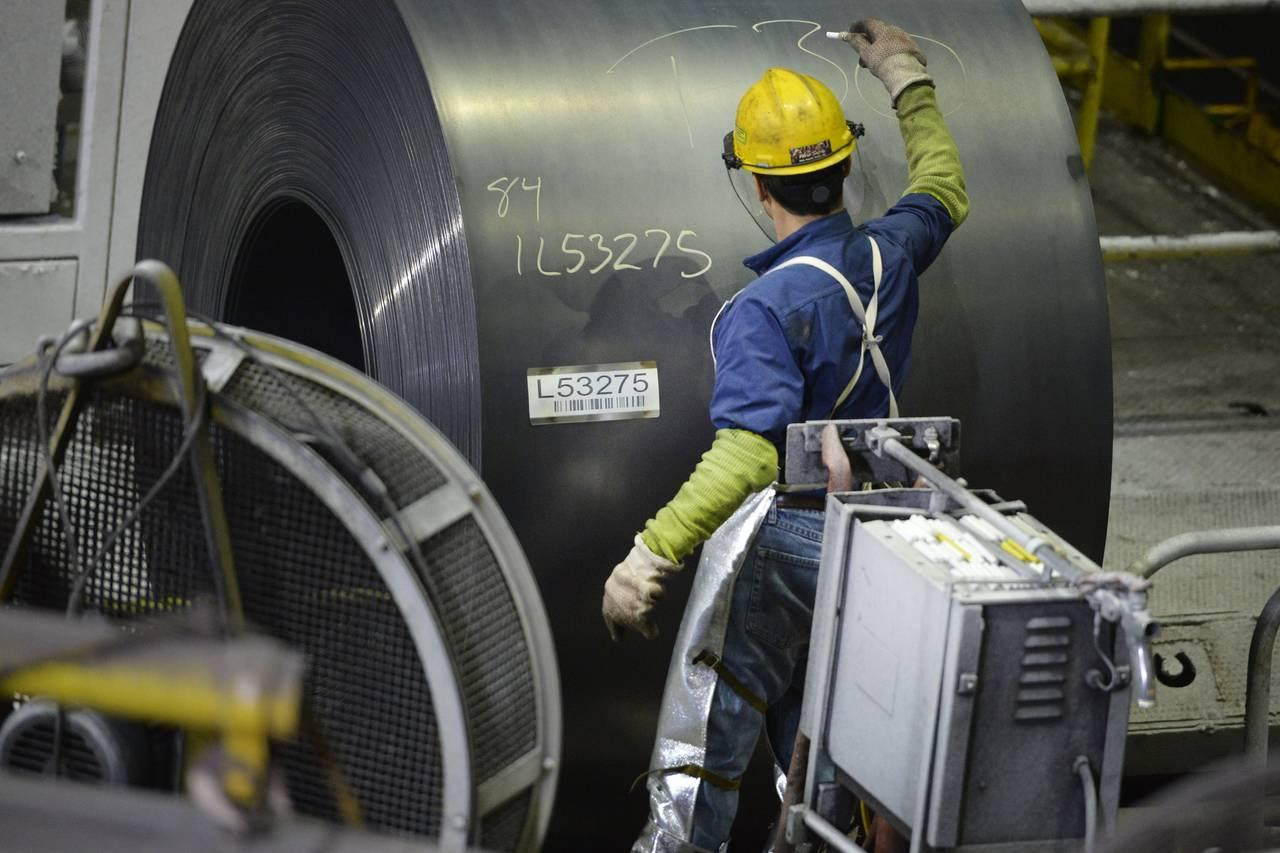
Aircraft carrier construction requires significant quantities of industrial materials, including steel, copper and specialized electronic components.
Increased military spending could place additional pressure on certain supply chains, particularly when production capacity is limited.
|
Commodity or expense |
Potential impact
Steel
Increased industrial demand
Copper
Greater demand for electrical systems
Advanced electronics
Competition for specialized components
Skilled labor
Higher manufacturing labor costs
Groceries
Limited direct connection
Gasoline
Primarily influenced by energy markets
However, there is no evidence that this aircraft carrier program alone is responsible for rising American grocery or gasoline prices.
Inflation depends on much broader economic conditions, including energy costs, monetary policy, tariffs, labor markets and government spending.
8. What Does $154 Billion Mean for American Taxpayers?
If the reported $154 billion investment were distributed evenly across the 30-year procurement period, its annual financial scale would look like this:
Total assumed investment
$154B
Average cost per year
$5.13B
Average cost per carrier
$22B
Average daily expenditure
$14.1M
Illustrative calculations based on the reported $154 billion figure, seven carriers and 30 years. These are not official annual appropriations or confirmed individual ship costs.
Federal military expenditure can be financed through government revenue or borrowing.
Additional borrowing could contribute to higher national debt and future interest expenses. However, the shipbuilding program does not automatically mean that American households will face an equivalent increase in taxes.
9. The Pentagon Faces Growing Shipbuilding Costs
The Congressional Budget Office has previously warned that America's naval modernization ambitions could require significantly greater annual expenditure.
015 T30 T45 T2020–2024 funding averageNavy 2025 plan estimateCBO 2025 plan estimate
Historical budget comparison from the CBO analysis of the Navy's 2025 shipbuilding plan, expressed in 2024 dollars. Includes shipbuilding account activities beyond carrier construction.
cbo.gov
These projections illustrate the broader financial challenge of expanding and modernizing the American naval fleet.
Cost overruns and construction delays could make maintaining that fleet increasingly expensive.
10. Military Superiority or Domestic Financial Priorities?
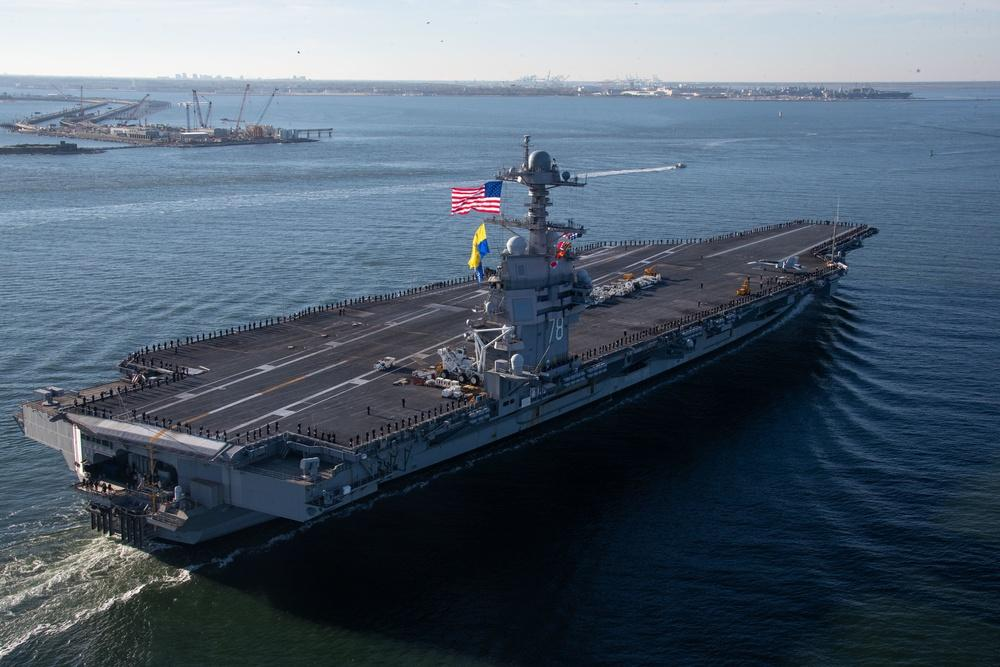
The aircraft carrier program highlights a longstanding debate over America's national spending priorities.
|
Strategic benefits |
Financial concerns
Stronger maritime deterrence
Increased federal expenditure
Domestic manufacturing jobs
Potential cost overruns
Technological advancement
Long-term maintenance expenses
Protection of security interests
Additional borrowing pressures
Modernization of aging equipment
Competition with other budget priorities
Supporters emphasize the importance of maintaining America's military capabilities in an increasingly competitive international environment.
Critics question whether such substantial investments could be more effectively allocated to other defense technologies, infrastructure, healthcare or domestic economic priorities.
11. Will America's Massive Investment Secure Its Future?
The Ford-class modernization program represents a commitment to maintaining American naval aviation capabilities for decades to come.
Its ultimate effectiveness will depend on controlling costs, delivering ships on schedule and adapting to changing military technologies.
For American taxpayers, the central question is whether the long-term national security benefits justify the enormous financial commitment.
America is investing in the future of its maritime power. But maintaining military superiority and protecting the financial interests of American families remain two important national objectives that policymakers must balance.
AMERICA, WHAT DO YOU THINK? WILL THESE NEXT-GENERATION SUPERCARRIERS STRENGTHEN OUR NATIONAL SECURITY, OR SHOULD WASHINGTON PRIORITIZE OTHER MILITARY AND DOMESTIC NEEDS? SHARE YOUR OPINION IN THE COMMENTS BELOW!
Comments (0)
Loading comments...
May You Like

TRUMP CALLED FOR KIMMEL’S FIRING—THE FCC ACTED THE VERY NEXT DAY

IOWA MILITARY EMERGENCY: 51 TONS OF UNSTABLE SUSPECTED BIOWEAPON WASTE FOUND AFTER 5-TON BLAST!

CHICAGO DISASTER: 12 FIREFIGHTERS HOSPITALIZED, 4 CRITICAL—MYSTERY CHEMICALS FOUND IN BASEMENT!









Popular Posts



