
AMERICA'S TRADE DEFICIT SURGES — WHAT DOES IT MEAN FOR AMERICAN FAMILIES?
AMERICA'S TRADE DEFICIT UNDER PRESSURE: COULD A WIDENING TRADE GAP HIT AMERICAN FAMILIES EVEN HARDER?
WASHINGTON, D.C. — NOVEMBER 28, 2026
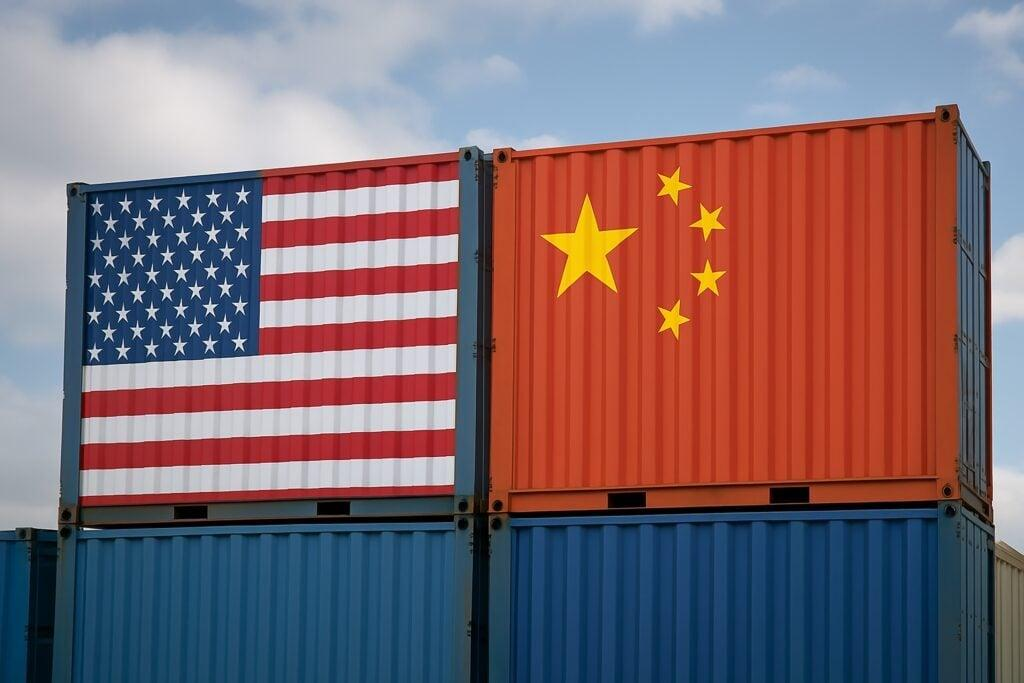
America's trade imbalance is raising fresh economic concerns! Reports of a widening U.S. goods trade deficit in October 2026 are reigniting the debate over tariffs, domestic manufacturing, foreign imports and the financial burden facing American households.
Despite Washington's efforts to strengthen domestic production, the United States continues to rely heavily on international supply chains.
But does a growing trade deficit necessarily mean America's economy is weakening? And could ordinary Americans end up paying the price?
1. America's Goods Trade Deficit Surges to $149.5 Billion
According to the U.S. Census Bureau's report released on November 27, the preliminary goods trade deficit increased by $14.4 billion in October, exceeding economists' expectations.
October 2026+1
October goods trade deficit
$149.5B
Monthly increase
+10.7%
October goods imports
$365.3B
October goods exports
$215.8B
040 T80 T120 T$160 TOct 2025Sep 2026Oct 2026
Sources: U.S. Census Bureau and Anadolu Agency, November 27, 2026. Selected monthly figures.
October 2026+1
America's monthly goods trade deficit has more than doubled compared with October last year.
2. Why Is America Importing So Much More Than It Exports?

One of the biggest drivers behind the widening trade imbalance is America's massive investment in artificial intelligence infrastructure.
American technology companies are purchasing enormous quantities of computing equipment and machinery, much of which comes from overseas.
According to Reuters, AI-related investment helped push American merchandise imports to a record high in October.
Reuters
Imports versus exports — October 2026
Imports
$365.3B
Exports
$215.8B
Goods trade deficit
$149.5B
Source: U.S. Census Bureau, preliminary October figures.
Census.gov
For every $100 worth of goods America imported in October, it exported approximately $59 worth of goods.
3. Which Industries Are Driving the Import Surge?

Capital goods
$171.4 billion
Monthly increase: 8.5%
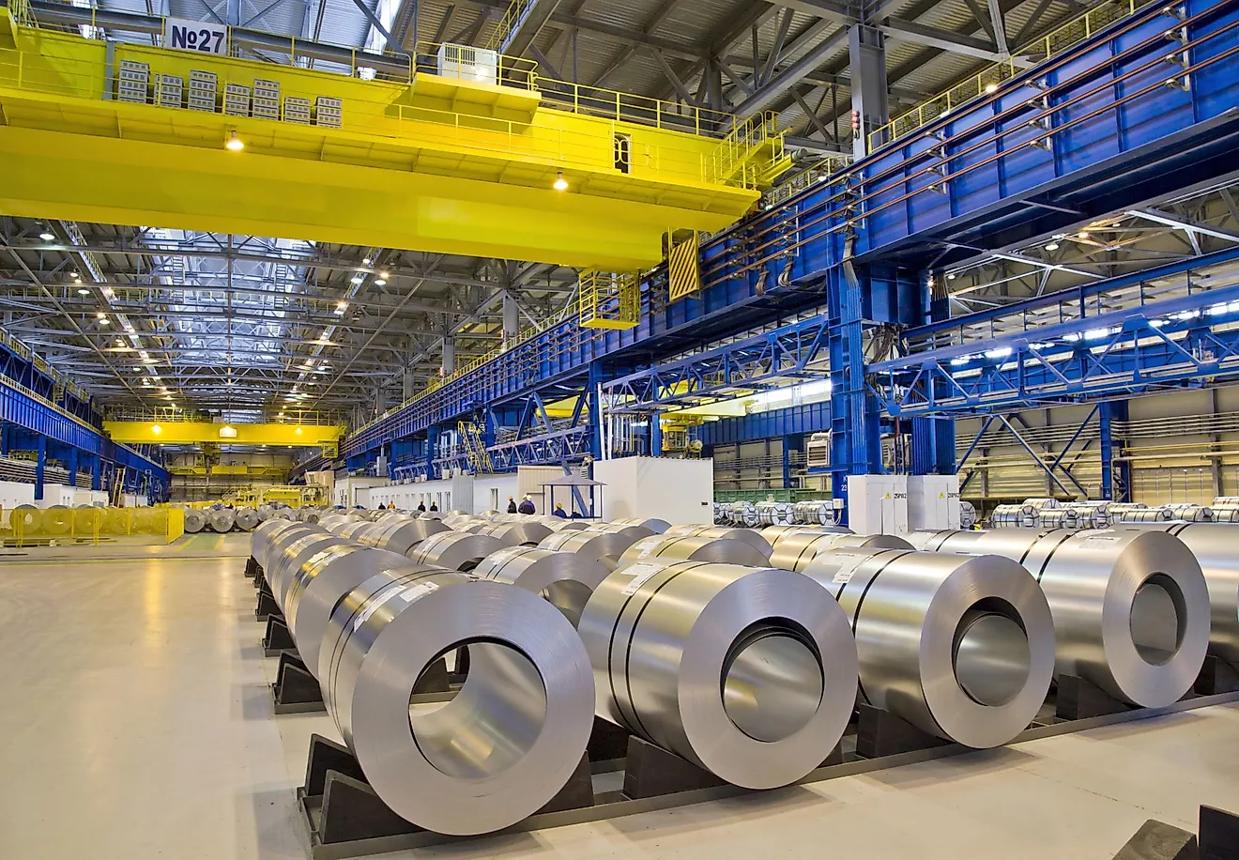
Industrial supplies
$62.7 billion
Monthly increase: 6.0%
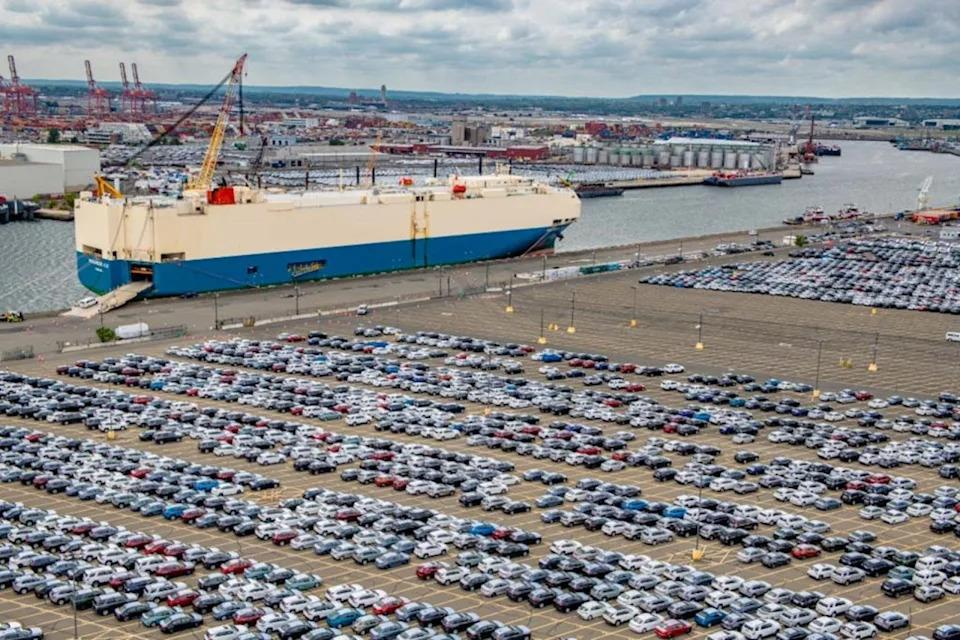
Vehicles and related products
$35.7 billion
Monthly increase: 4.1%
Anadolu Ajansı
Capital goods alone accounted for nearly 64% of the monthly increase in merchandise imports.
Digg
This suggests that business investment, rather than consumer spending alone, is contributing significantly to the widening deficit.
4. Are Trump's Tariffs Failing to Reduce the Trade Deficit?
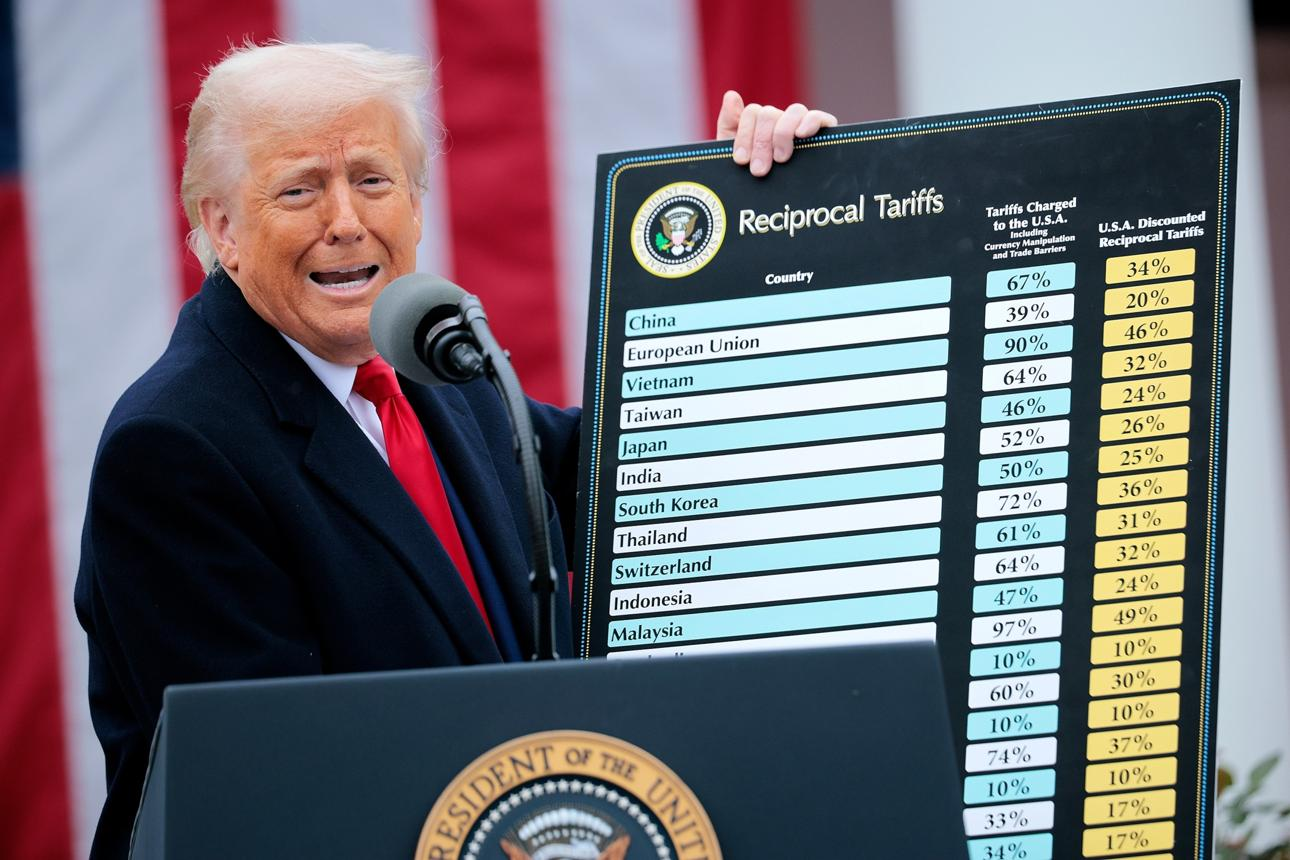
Reducing America's dependence on foreign manufacturing has been a central objective of President Donald Trump's trade agenda.
However, October's figures demonstrate that tariffs have not prevented the merchandise trade gap from expanding.
The Trump administration has also proposed additional tariffs ranging from 15% to 35% on selected imports from 14 trading partners, citing industrial overproduction and unfair competition.
AP News
Supporters argue that tariffs can protect American manufacturing and encourage businesses to relocate production to the United States.
Critics warn that higher import duties could increase business expenses, trigger foreign retaliation and place additional financial pressure on consumers.
The overall trade deficit also depends on domestic demand, exchange rates, national savings and investment — not simply tariff rates.
5. Could the Growing Trade Deficit Slow America's Economic Growth?

Reuters reported that international trade reduced third-quarter GDP growth by approximately 3.21 percentage points, although other economic activity helped the United States achieve an annualized growth rate of 4.3%.
Investing.com
Q3 real GDP growth
+4.3%
Net trade contribution
−3.21 pp
October's widening deficit could create another headwind for fourth-quarter economic growth.
Nevertheless, imported machinery can also help American businesses expand productive capacity, improve efficiency and generate future economic benefits.
A trade deficit is therefore not automatically evidence of economic weakness.
6. What Could This Mean for American Households?

For ordinary Americans, the biggest concern is how Washington's response to the trade imbalance could affect everyday living expenses.
|
Economic factor |
Potential household impact
Higher import tariffs
More expensive consumer products
Rising manufacturing costs
Higher retail prices
Foreign retaliation
Pressure on export-related jobs
Domestic manufacturing investment
Potential employment opportunities
Imported technology
Potential productivity improvements
Affordable foreign products
Greater consumer purchasing power
A widening deficit does not directly cause inflation. However, policies intended to reduce that deficit could increase prices if businesses pass additional expenses on to consumers.
7. How Much Could Additional Tariffs Cost Consumers?
Illustrative tariff cost calculator
Monthly customs value of affected imported goods
$500
Additional tariff rate
20%
Tariff cost passed on to consumers
75%
Additional monthly expense
$75.00
Additional annual expense
$900
Hypothetical calculation. Actual price increases depend on product exemptions, customs values, supplier pricing and business decisions.
For families already struggling with expensive housing, groceries and healthcare, additional price increases could make household budgets even harder to manage.
8. Does America Need to Rethink Its Economic Strategy?
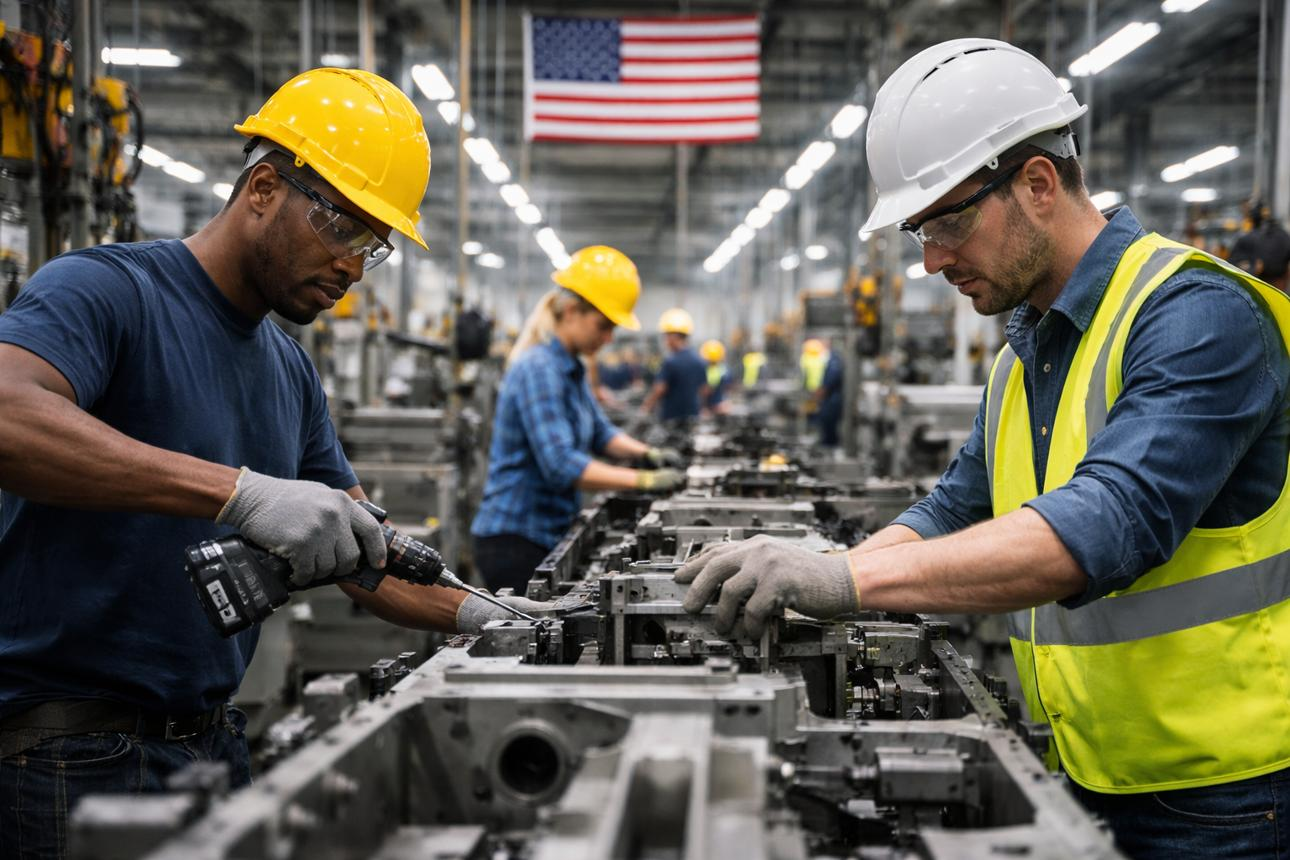
The latest trade figures highlight a fundamental challenge facing Washington: how to rebuild domestic manufacturing without making essential goods unaffordable.
Tariffs alone cannot guarantee industrial independence. Expanding American production also requires skilled workers, competitive energy prices, infrastructure, technological innovation and long-term business investment.
It is also important to remember that October's $149.5 billion figure covers goods only, not America's broader trade balance, which includes services such as financial services, software and tourism.
9. Will Ordinary Americans Ultimately Pay the Price?
America's growing merchandise trade deficit presents both challenges and opportunities.
While importing advanced equipment can strengthen the country's future technological capabilities, excessive dependence on foreign supply chains can create economic vulnerabilities.
The real measure of Washington's success will be whether its economic policies deliver better-paying jobs, affordable products and improved living standards.
AMERICA, WHAT DO YOU THINK? ARE TRUMP'S TARIFFS PROTECTING AMERICAN WORKERS, OR COULD HIS TRADE POLICIES MAKE LIFE EVEN MORE EXPENSIVE FOR HARDWORKING FAMILIES? SHARE YOUR OPINION IN THE COMMENTS BELOW!
Comments (0)
Loading comments...
May You Like

BANGCHAK REFINERY DISASTER IN THAILAND—120,000 BARRELS A DAY SHUT DOWN, U.S. OIL PRICES SURGE 10%!

CAIRO INFERNO — CAR CARRYING SENIOR U.S. OFFICIAL SLAMS INTO FUEL TANKER, 31 DEAD, 21 INJURED!

TRUMP'S BIGGEST THANKSGIVING “PARDON”? WHY IS HE BACKING NVIDIA'S JENSEN HUANG?













