
Trump Uses Inflammatory Anti-Transgender Rhetoric at Texas Rally as Senate Race Intensifies
October 29, 2026 | San Antonio, Texas, United States | U.S. Politics & Civil Rights
Trump Targets Democratic Candidate at October Rally
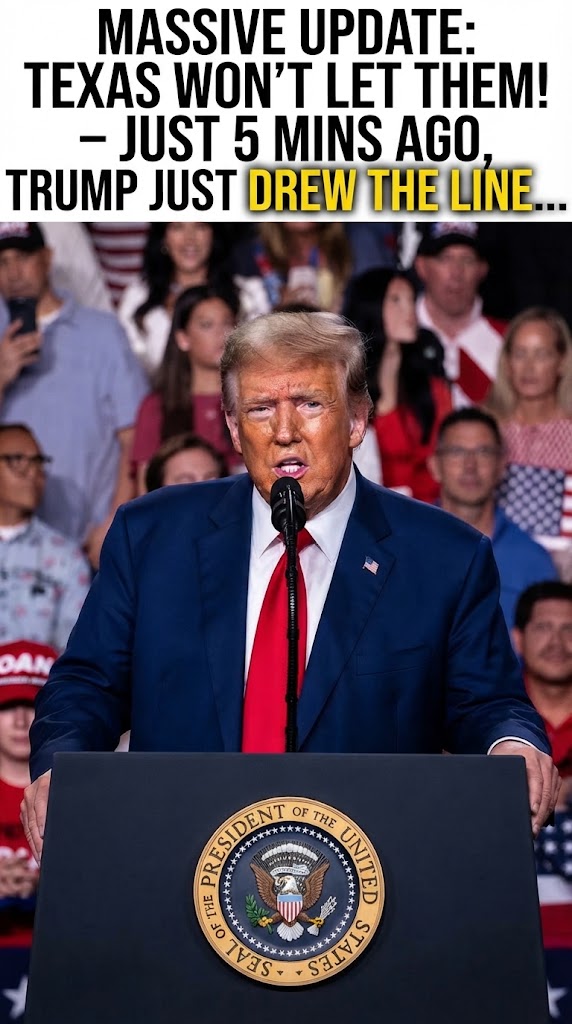
President Donald Trump used inflammatory language about transgender rights during a campaign rally in San Antonio, Texas, on October 7, 2026, attacking Democratic Senate candidate James Talarico while urging voters to support Republican Ken Paxton.
“The people of Texas are not going to let weak, gutless, self-hating, transgender-promoting freak shows destroy everything that we’ve built,” Trump said during the event. The remark was part of a broader speech criticizing Talarico’s political positions and personal views.
The speech took place as Republicans worked to defend their Senate position ahead of the November 3 midterm elections. Trump’s appearance demonstrated the national importance of the Texas contest, where his endorsement was intended to strengthen Paxton’s campaign.
Trump’s language went beyond criticism of specific legislation. By using a derogatory phrase associated with transgender rights, he framed the election as a cultural struggle over identity and traditional values, an approach that has become increasingly prominent in Republican campaigning.
The remarks prompted renewed debate over the role of transgender issues in American politics. Supporters of Trump’s position may view his comments as a forceful rejection of progressive policies, while critics argue that such language stigmatizes transgender people and distracts from substantive policy questions.
The Texas Senate Race Behind the Controversy

The rally was organized to support Paxton’s bid for a seat in the U.S. Senate. Trump praised the Texas attorney general and urged the audience to vote against Talarico, repeatedly portraying the Democratic candidate as incompatible with the state’s conservative political culture.
Talarico, a Texas state representative and former public-school teacher, has built his political identity around progressive policy positions and his interpretation of Christian teachings. His views on transgender inclusion, immigration, and the relationship between religion and government have become targets of Republican criticism.
Trump used the rally to characterize Talarico as a threat to Texas traditions. He argued that electing the Democrat would undermine policies and cultural values that many conservative voters consider essential to the state’s identity.
The contest has drawn national attention because control of the Senate affects legislation, federal appointments, government oversight, and the administration’s ability to advance its agenda. Consequently, both parties have treated competitive Senate races as important tests of political strength.
Trump’s participation also reflected the importance of presidential campaigning in mobilizing Republican voters. His appearances can attract national media attention, encourage turnout among supporters, and place local candidates within the wider political debate surrounding his administration.
Transgender Rights at the Center of the Debate

Transgender rights have become a recurring issue in American elections, particularly in disputes over school policies, youth healthcare, sports participation, and parental authority. Texas has been a significant battleground for these debates, with state leaders supporting restrictions that they say protect children and preserve fairness.
Republican politicians generally argue that policies restricting certain gender-related medical treatments for minors and regulating participation in women’s sports are necessary safeguards. These positions appeal to voters who believe that biological sex should determine particular rules in education, healthcare, and athletics.
Democrats and LGBTQ rights advocates counter that broad restrictions can harm transgender people, interfere with families’ medical decisions, and undermine equal treatment. They argue that laws should reflect reliable evidence and avoid treating an entire group as a threat.
Talarico’s support for transgender people has made him a focal point of this disagreement. Trump repeatedly used the candidate’s views to mobilize conservative voters, presenting the election as a choice between traditional social values and progressive approaches to gender identity.
However, the president’s rhetoric should be distinguished from the underlying policy debate. Criticism of a candidate’s proposals is part of democratic politics, but derogatory language about a broader group can deepen social hostility without clarifying the practical effects of any particular law.
Political Messaging and Its Consequences
Trump’s remarks illustrate how campaign speeches can combine policy criticism with emotionally charged language. Such rhetoric may strengthen enthusiasm among supporters who believe their cultural values are under pressure, while alienating voters who consider the language unnecessarily hostile.
The controversy also raises questions about how transgender people are represented in national political discussions. When political figures characterize their opponents through sweeping insults, the debate can shift away from legislation and toward personal attacks on people whose lives are directly affected by the policies under discussion.
For Republicans, transgender-related issues have become part of a broader effort to emphasize parental rights, religious liberty, and conservative social values. Democrats have sought to counter that message by emphasizing inclusion, individual rights, and the potential consequences of restrictive laws.
The political effect of Trump’s comments remains difficult to isolate. A single rally cannot establish whether voters will change their preferences, and the election will also be shaped by economic concerns, healthcare costs, immigration, candidate credibility, and turnout.
What the Remarks Mean Ahead of Election Day
With the November 3 midterms approaching, the Texas Senate race provides a prominent example of how cultural issues can dominate campaign messaging. Trump’s endorsement gives Paxton access to a powerful national political figure, but it also ties the candidate more closely to the president’s rhetoric and governing record.
For Talarico, the challenge is to defend his positions while persuading voters that his broader agenda addresses practical concerns facing Texans. That includes questions about household expenses, public education, healthcare, employment, and the role of government in people’s lives.
For Paxton, the task is to convert conservative enthusiasm and Trump’s support into votes. The campaign’s emphasis on cultural issues may help mobilize the Republican base, although voters may ultimately prioritize other matters when deciding which candidate to support.
The dispute is part of a larger national argument about the boundaries of political speech, the rights of transgender people, and the role government should play in regulating gender-related policies. Those disagreements are unlikely to disappear after the election.
Ultimately, Trump’s October 7 remarks were a campaign attack on Talarico and the positions he represents. They reveal the intensity of the cultural debate surrounding the Texas Senate race, but they do not, by themselves, resolve the substantive questions about transgender rights or predict the election’s outcome.
Comments (0)
Loading comments...
May You Like

WWE BRONSON REED DEAD AT 38, STIMULANTS DETECTED, $10M INSURANCE PAYOUT FROZEN!

WWE BRONSON REED—STAR COLLAPSES AT COMPANY EVENT, FATAL DRUG REACTION SUSPECTED!

STAR DIED AT 38, $10M LIFE INSURANCE INCREASED JUST 30 DAYS BEFORE WWE BRONSON REED'S DEATH!










Popular Posts


