
BANGCHAK REFINERY DISASTER IN THAILAND—120,000 BARRELS A DAY SHUT DOWN, U.S. OIL PRICES SURGE 10%!
BANGKOK — November 27, 2026 — A major fire at Thailand's Bangchak oil refinery has forced the shutdown of a facility capable of processing 120,000 barrels of crude oil per day, adding another source of uncertainty to international energy markets just weeks before millions of American families prepare for Christmas travel.
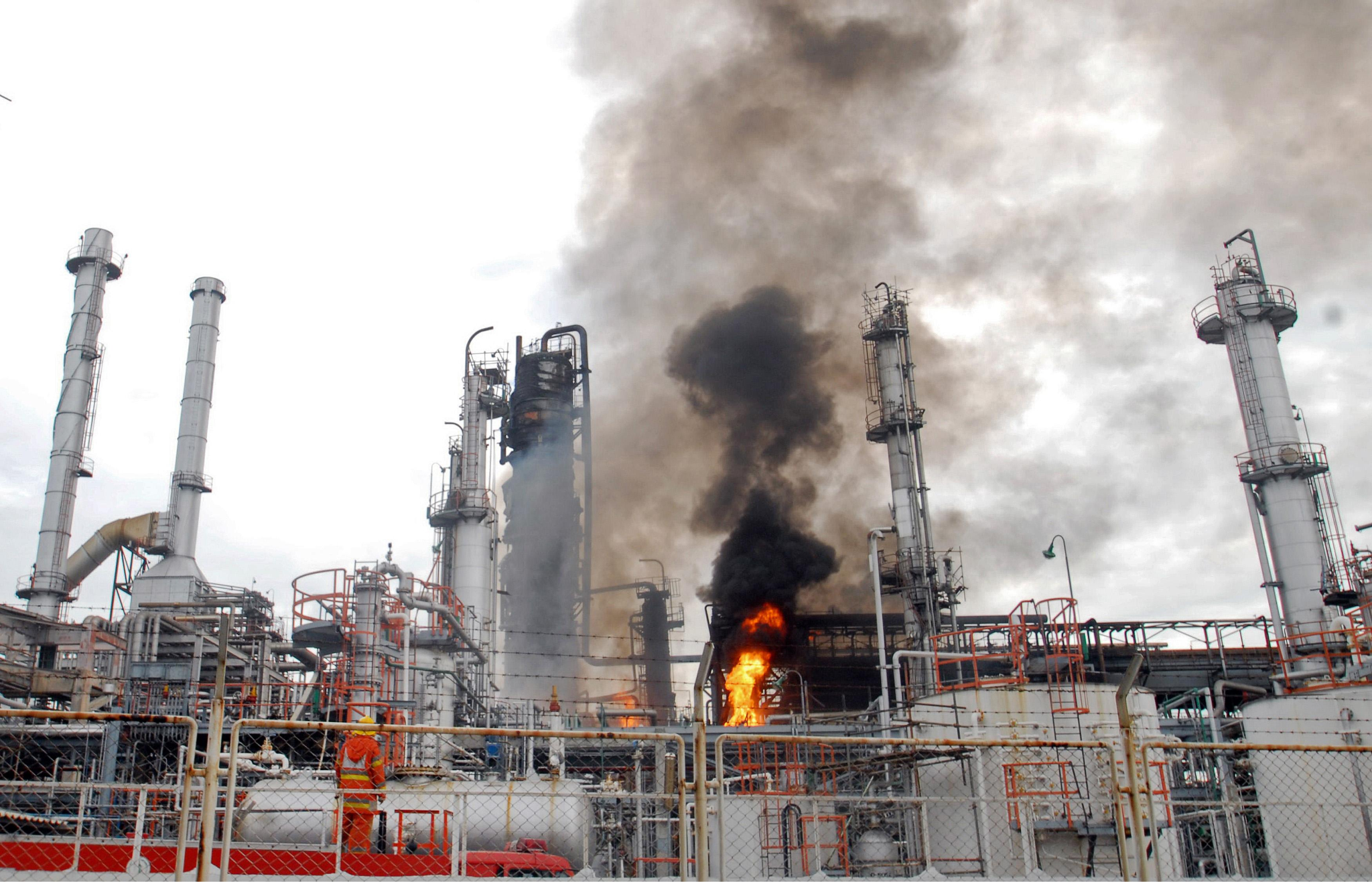
The industrial emergency sent thick black smoke above Bangkok on Thursday, prompting an immediate response from firefighters, medical personnel and government authorities. While emergency crews extinguished the blaze, the suspension of refinery operations introduced a potentially longer-lasting challenge involving petroleum production, international fuel supplies and transportation costs.
Bangchak Corporation confirmed that production had been suspended throughout its Phra Khanong facility following the incident. Reuters and the Associated Press reported that nine people were injured, while authorities began investigating the cause of the fire and evaluating the damage.
The incident comes at a sensitive moment for global energy markets. International petroleum supplies are already facing uncertainty associated with geopolitical tensions, shipping disruptions and constraints on refining capacity. An additional interruption could complicate efforts to maintain stable fuel prices during one of America's busiest holiday travel periods.
For American households, the most consequential question concerns how these developments could affect the amount of money families spend on gasoline, transportation and other essential expenses before Christmas.
The Bangchak refinery is an important component of Thailand's domestic energy infrastructure. Located within Bangkok's urban area, the facility processes crude oil into petroleum products used by motorists, transportation companies, industrial businesses and other consumers.
Thursday's fire broke out during the afternoon, creating an immediate emergency for workers and surrounding communities. Although firefighters brought the situation under control relatively quickly, industrial authorities ordered the refinery's four production units to remain closed while safety inspections were conducted.
The duration of the shutdown could ultimately determine its significance for international fuel markets. Restoring production at a refinery involves more than extinguishing a fire. Engineers must examine processing equipment, inspect pipelines, evaluate electrical systems and determine whether individual units can operate safely.
Even facilities that escape extensive structural damage may require considerable testing before returning to normal production. If specialized equipment needs replacement, the recovery period could become longer, depending on the availability of components and regulatory approvals.
Bangchak has also pledged medical assistance and compensation for those affected by the incident. The company's financial exposure will depend on repair expenses, interrupted operations and applicable insurance coverage.
While the immediate emergency remains primarily a Thai industrial and public safety matter, energy traders are monitoring whether the interruption could contribute to broader shortages of finished petroleum products.
A refinery capable of processing 120,000 barrels of crude oil daily represents a substantial industrial operation. Bangchak's affected facility accounts for approximately 40% of the company's combined maximum refining capacity, making its suspension an important development for Thailand's petroleum industry.
If the refinery remains completely inactive for seven days, approximately 840,000 barrels of maximum potential processing capacity would be unavailable. A two-week shutdown would increase that figure to 1.68 million barrels, while a month-long interruption would represent approximately 3.6 million barrels.
Nevertheless, the longer a refinery remains inactive, the more important these alternative arrangements become. Suppliers must balance existing inventories against consumer demand while determining whether additional petroleum products can be obtained at commercially reasonable prices.
The shutdown is especially relevant to markets for gasoline, diesel and aviation fuel. Each product serves a different economic sector, meaning a prolonged interruption could have consequences extending from private motorists to commercial transportation and international aviation.
For Thailand, the immediate challenge involves maintaining domestic fuel availability. For international markets, the question is whether additional demand for replacement supplies could contribute to higher wholesale petroleum prices.
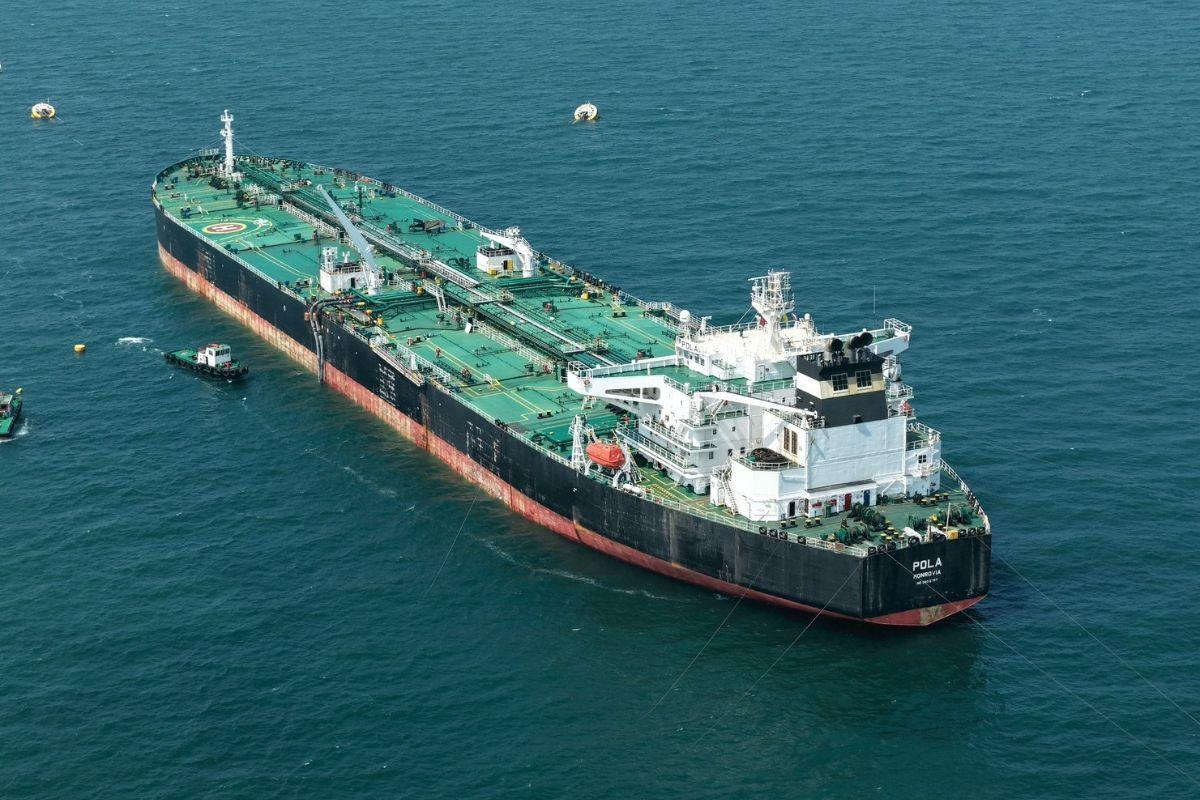 The United States produces substantial quantities of crude oil and operates one of the world's largest petroleum refining industries. However, domestic energy production does not completely isolate American consumers from developments in international markets.
Petroleum products are traded across national boundaries, with suppliers responding to differences in prices, demand and availability. When production declines in one region, buyers may seek replacement supplies from refineries elsewhere.
Following the Bangchak shutdown, Thai fuel distributors could require additional supplies from regional producers. Singapore, South Korea and India are among the important petroleum trading and refining centers that could help accommodate changing demand across Asian markets.
If available supplies become more limited, international buyers may compete for the same shipments. Higher overseas prices could also encourage American suppliers to increase exports, depending on production levels, contractual obligations and transportation costs.
This interconnected system explains why disruptions occurring thousands of miles from the United States can become relevant to American fuel markets. However, the magnitude of any impact depends on whether other producers can compensate for the interrupted production.
The Bangkok refinery emergency occurred amid renewed concerns over energy infrastructure and shipping security in the Middle East. Developments involving Saudi Arabian oil infrastructure and vessels operating near the Strait of Hormuz contributed to uncertainty among international petroleum traders.
The Strait of Hormuz remains an important transportation corridor connecting major Middle Eastern energy producers with international customers. Interruptions affecting this route can influence expectations about the availability and transportation costs of crude oil.
Reuters reported on November 27 that petroleum markets were on course to end three consecutive weeks of declining prices. Alongside concerns about Middle Eastern supplies, industrial fires disrupted refinery operations in both Thailand and Venezuela.
The combination of these developments is significant because global energy markets must respond to several potential disruptions simultaneously. While an individual refinery shutdown might be manageable, multiple interruptions occurring during the same period could reduce the industry's flexibility.
Shipping costs, insurance expenses and competition for available petroleum products may also become more important if supply uncertainty persists through December.
American motorists entered the Thanksgiving holiday following several weeks of declining gasoline prices. Data released by the American Automobile Association showed that the national average for regular gasoline had fallen to $3.72 per gallon on November 19, representing an 18-cent decline from the previous week.
Earlier in November, the national average had exceeded $4 per gallon. The subsequent decline provided some financial relief for households preparing for holiday journeys and seasonal expenses.
The reduction reflected changing crude oil prices and seasonal market conditions. Gasoline consumption generally faces different demand patterns during winter than during the summer driving season, while refineries adjust their production strategies to accommodate demand for various petroleum products.
However, international supply disruptions could complicate that downward trend. Rising crude oil prices, declining fuel inventories or additional refinery closures could place renewed pressure on wholesale gasoline markets.
The weeks between Thanksgiving and Christmas will therefore provide an important indication of whether recent improvements in American fuel affordability can continue despite growing international energy uncertainty.
The U.S. Energy Information Administration identifies crude oil as the largest individual component of retail gasoline prices. However, the amount motorists pay at the pump also includes refining expenses, distribution costs, marketing margins and government taxes.
Refinery interruptions also create a different economic problem from disruptions affecting oil-producing facilities. When a refinery closes, its consumption of crude oil declines while its production of finished petroleum products also falls.
Under certain conditions, gasoline and diesel prices could increase even if crude oil prices remain relatively stable. Alternatively, sufficient inventories and replacement production could limit the effect of a refinery shutdown on consumer prices.
These differences are particularly important when evaluating the Bangchak incident. The closure directly affects refining capacity, but its influence on American gasoline prices depends on broader developments throughout international petroleum markets.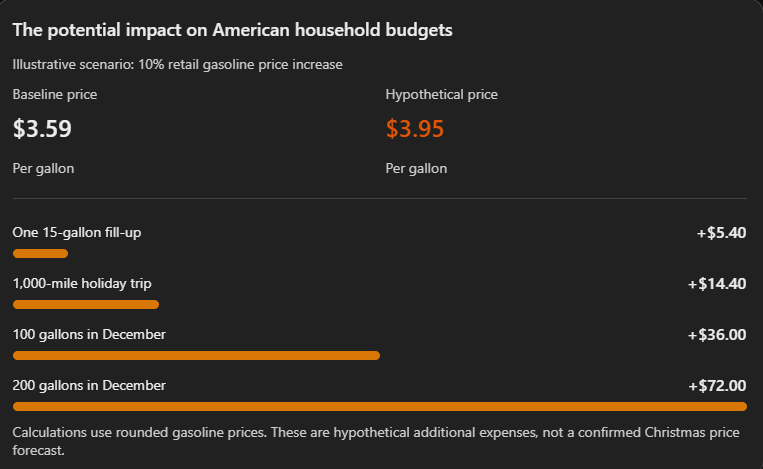
California remains particularly sensitive to disruptions affecting petroleum production and distribution. The state requires specialized gasoline formulations, while its geographical separation from major refining centers can make obtaining replacement supplies more expensive.
Washington, Oregon and Hawaii also face geographical and transportation considerations that distinguish their petroleum markets from those in the central and southern United States.
According to the Energy Information Administration, limited access to alternative supplies has historically contributed to significant price fluctuations during West Coast refinery interruptions. International imports can provide additional supplies, but transportation expenses and delivery times may limit their immediate effectiveness.
Texas and Louisiana benefit from proximity to major refining facilities along the Gulf Coast. Nevertheless, their petroleum markets remain connected to international demand and global crude oil prices.
These regional characteristics mean that a broader increase in international fuel costs could produce substantially different financial consequences for American households depending on where they live.
Although gasoline prices receive considerable attention during holiday travel periods, diesel fuel plays an equally important role in the American economy. Commercial trucks transport groceries, clothing, electronics, Christmas decorations and other merchandise between distribution centers and retail businesses.
When diesel prices increase, transportation companies may experience higher operating expenses. Depending on existing contracts and competitive conditions, some businesses may pass a portion of those additional expenses to customers through freight charges or fuel surcharges.
December presents particular logistical challenges because retailers must accommodate holiday shopping demand while transportation networks contend with winter weather and increased delivery volumes.
Additional fuel expenses could therefore affect more than motorists traveling to visit relatives. Businesses that rely on transportation services may also experience financial pressure, particularly if higher diesel prices persist for several weeks.
A sustained combination of higher petroleum prices, transportation disruptions and constrained inventories would present a more significant economic concern.
The first major indication of changing international market conditions came during trading on Friday, November 27. Reuters reported that Brent crude futures had climbed to $97.71 per barrel, an increase of approximately 1.2% at the time of reporting.
West Texas Intermediate, the principal American crude oil benchmark, reached $86.27 per barrel. That represented an increase of $2.59, or 3.1%, compared with Wednesday's closing price. There was no Thursday settlement because of the Thanksgiving holiday.
The increase reflected broader concerns involving international supply security, including developments in the Middle East. The Bangchak shutdown was one of several industrial disruptions reported during the same period.
A further increase of that magnitude would take WTI crude from $86.27 to approximately $94.90 per barrel. Whether the market approaches that level before Christmas will depend on developments affecting global petroleum supplies, demand and investor expectations.
Using a national gasoline price of approximately $3.59 per gallon, based on AAA's November 25 figures, a hypothetical 10% increase in retail gasoline prices would raise the average cost to approximately $3.95 per gallon.
For a driver purchasing 15 gallons of gasoline, the cost of filling a vehicle would increase from approximately $53.85 to $59.25. Although an additional $5.40 per visit may appear relatively modest, repeated purchases throughout December could produce a more noticeable impact on household budgets.
A household purchasing 100 gallons of gasoline before Christmas would spend approximately $36 more under the same scenario. A family operating multiple vehicles and consuming 200 gallons would face approximately $72 in additional expenses.
Long-distance holiday journeys would also become more expensive. A family traveling 1,000 miles in a vehicle averaging 25 miles per gallon would require approximately 40 gallons of gasoline. Under a 10% retail price increase, the trip's fuel expenses would rise by about $14.40.
For households living in areas where gasoline already costs $5 per gallon, an equivalent percentage increase would bring prices to $5.50. A 100-gallon consumption period would consequently cost an additional $50.
The potential impact on American household budgets
Illustrative scenario: 10% retail gasoline price increase
Baseline price
$3.59
Per gallon
Hypothetical price
$3.95
Per gallon
One 15-gallon fill-up
+$5.40
1,000-mile holiday trip
+$14.40
100 gallons in December
+$36.00
200 gallons in December
+$72.00
Calculations use rounded gasoline prices. These are hypothetical additional expenses, not a confirmed Christmas price forecast.
The financial burden would vary considerably between households. Families with lengthy daily commutes, multiple vehicles or extensive Christmas travel arrangements would generally experience greater additional expenses than households consuming relatively little gasoline.
The duration of Bangchak's refinery shutdown remains an important factor in determining the incident's wider economic significance. A relatively rapid recovery could reduce pressure on regional petroleum supplies, particularly if alternative production and existing inventories remain sufficient.
A prolonged shutdown extending into December could become more consequential if other international refining facilities also encounter operational problems. Further disruptions involving Middle Eastern oil infrastructure or maritime transportation could add additional pressure.
For American consumers, the most important indicators will include crude oil prices, domestic gasoline inventories, refinery operating rates and weekly retail fuel price reports.
The immediate consequences of the Bangkok incident remain concentrated in Thailand, where authorities must address worker injuries, industrial safety and domestic fuel production. Its broader economic consequences will depend on how effectively international petroleum markets compensate for the interruption.
As Christmas approaches, American families face a renewed period of uncertainty over energy costs. A 10% increase in retail gasoline prices could add tens of dollars to household fuel expenses, but whether that scenario materializes will depend on developments across the global energy industry rather than the Bangchak refinery alone.
Comments (0)
Loading comments...
May You Like

TRUMP CALLS GDP FIGURE “FAKE” AFTER GOVERNMENT’S SCHEDULED REVISION

TOLEDO I-75 TRUCK CRASH — POTENTIAL BRIDGE COLLAPSE AND MILLIONS IN DAMAGE!

Latest Posts









Popular Posts



