Barack Obama Condemns Trump-Era Political Conduct as Controversy Over Michelle Obama Resurfaces

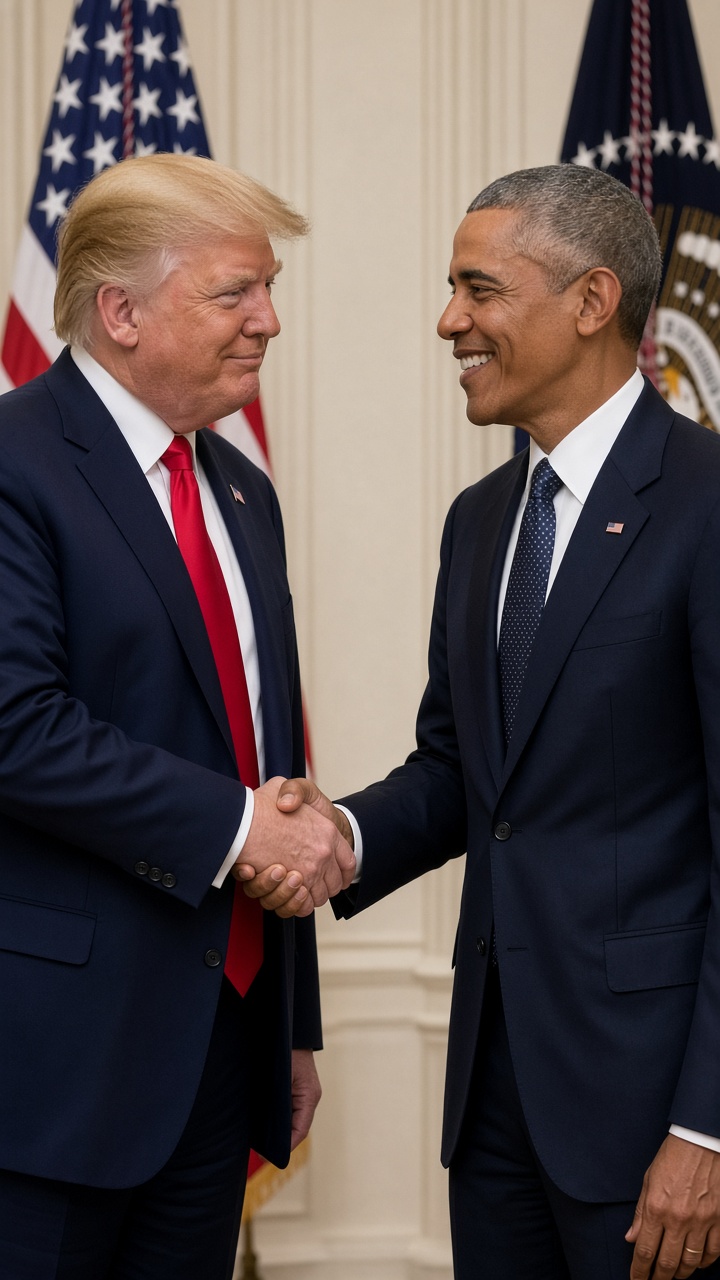
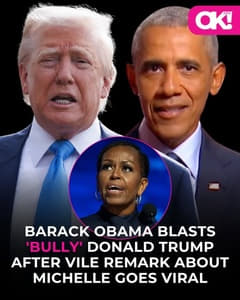
The viral graphic claims that former U.S. President Barack Obama has blasted Donald Trump following a vile remark about former first lady Michelle Obama. The underlying controversy is real, but the headline needs important context: the widely reported incident involved a racist video shared on Trump's social media account in February 2026, not a newly verified insult or a newly confirmed statement matching the graphic's wording.
Article
The political rivalry between Donald Trump and Barack Obama has once again drawn attention to the standards of conduct expected from America’s most powerful public figures. At the center of the controversy is Michelle Obama, whose public profile and role in American political life have made her a frequent subject of political commentary.
In February 2026, a video shared on Trump’s Truth Social account sparked widespread outrage after a brief segment depicted Barack and Michelle Obama with their faces superimposed on the bodies of apes. The footage appeared near the end of a longer video promoting false claims about the 2020 presidential election.
The imagery prompted immediate criticism because portraying Black people as apes has a long and deeply racist history. Critics argued that the depiction was not simply an offensive political joke but a reference to a dehumanizing stereotype used against Black people for generations.
The backlash extended beyond Democratic politicians and Obama supporters. Several Republicans also criticized the post, demonstrating how the controversy crossed party lines and raised questions about basic standards of political communication.

Trump said he had not watched the entire video before it was shared and claimed he had not seen the segment featuring the Obamas. He condemned the offensive portion but declined to apologize, maintaining that he had not intentionally shared the material.
The White House initially defended the post as an internet meme before it was removed. Officials subsequently attributed the publication to a staff member who had posted it erroneously. The deletion did not immediately end the public debate.
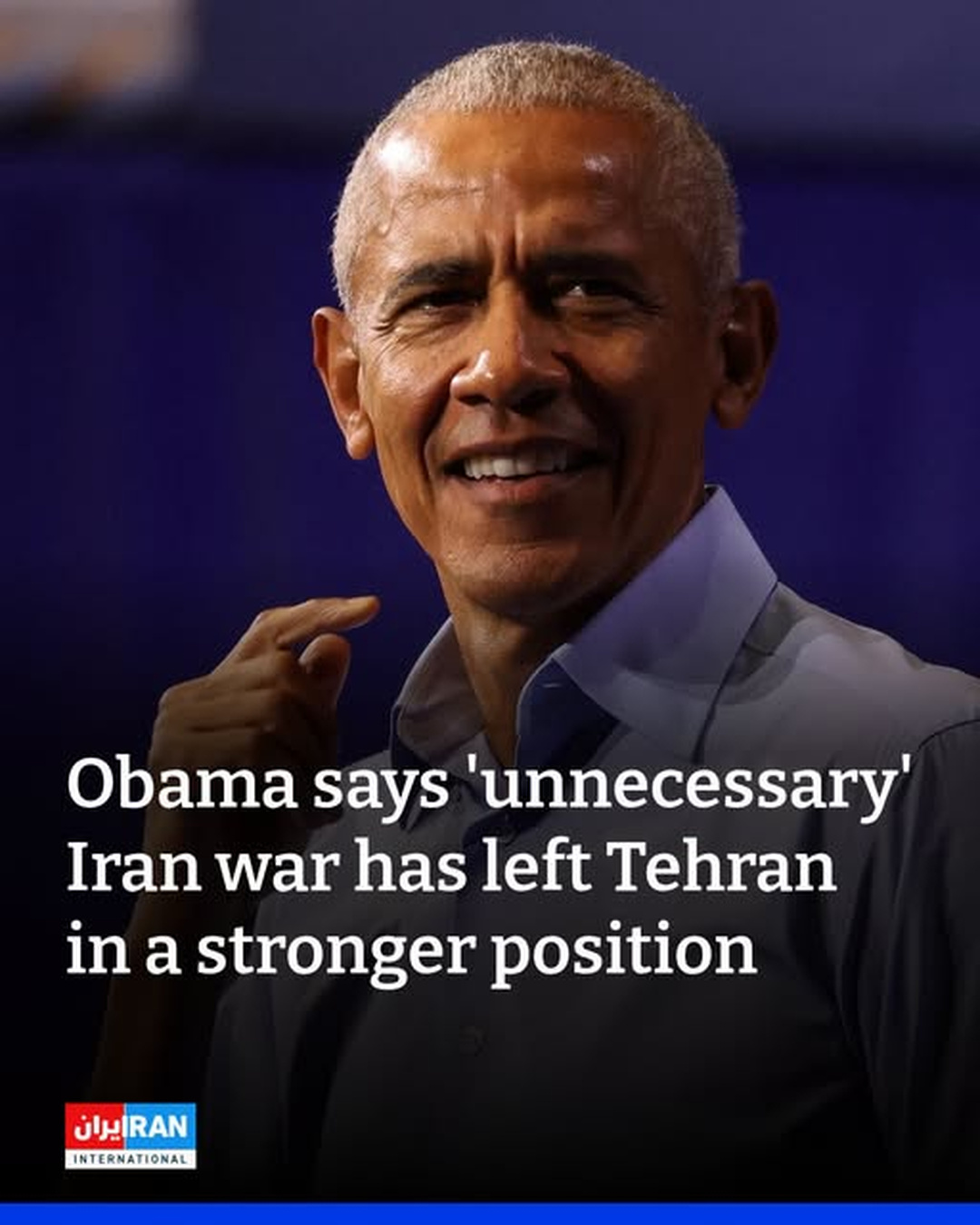
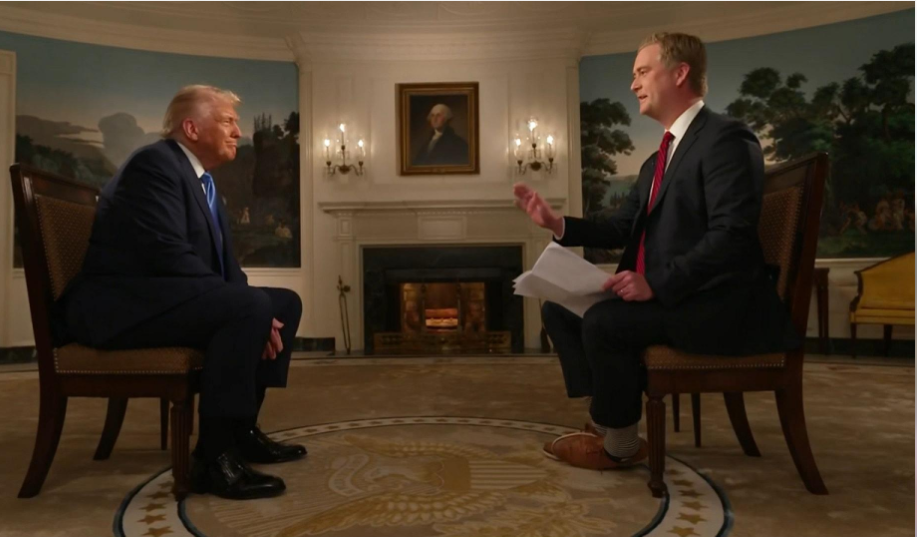
Barack Obama addressed the controversy in an interview published in February. Although he did not focus solely on Trump by name, he criticized what he described as a decline in the decorum and respect that should guide public officials.
Obama also said that most Americans found such behavior deeply troubling. His comments reflected a broader concern that political discourse had become increasingly shaped by provocation, online spectacle and a diminished sense of accountability.
The former president's response was notable for its emphasis on public standards rather than a prolonged personal exchange. Instead of turning the incident into a direct social-media confrontation, Obama used the interview to discuss the wider consequences of degrading political rhetoric.
Michelle Obama has long maintained a public identity of her own, shaped by her work on education, health, community initiatives and civic engagement. As former first lady, she has also become an influential voice in discussions about leadership, representation and the treatment of women in public life.
The incident renewed debate about the responsibilities that accompany a president's social-media presence. Posts from a sitting president can reach millions of people within minutes, and even material later deleted can continue circulating through screenshots, reposts and viral headlines.
It also highlighted the challenge of distinguishing intent from impact. Trump's explanation that he had not seen the entire video addressed how the post was shared, but critics argued that public figures must take responsibility for material published through their official or personal accounts.
The episode became another example of how online political content can quickly overshadow policy debates. Rather than focusing on legislation or economic priorities, the public conversation turned toward racism, presidential judgment and the boundaries of acceptable political humor.
For Trump's critics, the controversy reinforced concerns about the tone of his political leadership. Supporters, meanwhile, have often argued that disputes over memes and social-media posts are amplified by opponents to damage his reputation. That divide has made shared standards of accountability difficult to establish.
Obama's intervention carried particular weight because he was not merely commenting as a former officeholder. As the first Black president of the United States, he has often been a central figure in national discussions about race, political representation and the persistence of racist imagery.

The controversy also underscored the distinction between criticism of a political opponent and attacks that invoke racial stereotypes. Political leaders regularly disagree sharply over policies and records, but critics argue that racialized imagery crosses a different line by drawing on a history of dehumanization.
Viral graphics can further complicate the story by combining a real event with exaggerated headlines. The claim that Obama “blasts” Trump may summarize the general direction of his criticism, but it should not be mistaken for a verified quotation or proof that he made a new statement in response to a separate remark about Michelle Obama.
The timing matters as well. Because the incident took place in February 2026, posts presenting it as breaking news should be treated cautiously unless they provide evidence of a fresh development. Recycled images can make an old controversy appear to have just occurred.
The larger question is whether public figures can restore a measure of restraint to an increasingly combative political environment. Calls for accountability are likely to continue as politicians, journalists and voters debate how much responsibility leaders bear for the content shared through their accounts.

For now, the dispute remains a vivid illustration of the power of social media to turn a brief clip into a national controversy. It also serves as a reminder that sensational headlines may capture attention while leaving out crucial details about what was said, when it happened and how the people involved actually responded.
The broader lesson extends beyond the personal rivalry between Trump and Obama. In a political climate driven by viral content, verifying the original material and its context is essential before accepting claims about what a public figure said or did.
Related images
Comments (0)
Loading comments...
May You Like
“I DON’T KNOW OF A GREATER CRIMINAL IN HISTORY” — HARRISON FORD’S FIERY ATTACK ON TRUMP
Latest Posts

Popular Posts