Barack Obama in Disbelief? Newly Released White House Photos
Barack Obama in Disbelief? Newly Released White House Photos Revisit a Historic Presidential Transition
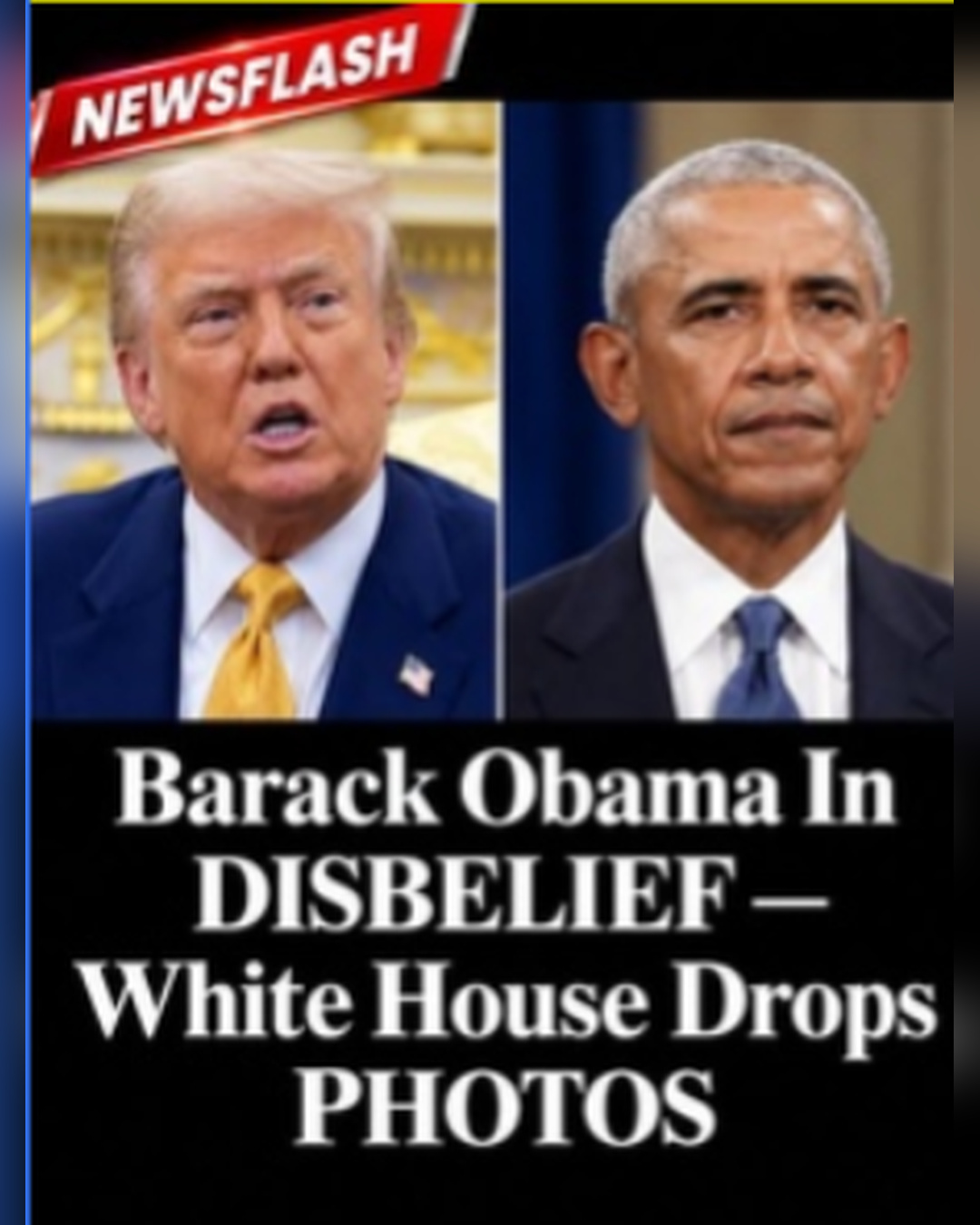
The headline’s claim that Barack Obama was “in disbelief” is not established by the available reporting. The confirmed story is that newly surfaced photographs offer a closer look at the transition from Obama to Donald Trump on January 20, 2017. The images came from the Barack Obama Presidential Library’s archival collection, rather than a surprise photo release by the current White House.


The newly available images are drawing renewed attention to one of the most closely watched presidential handovers in modern American politics, when the Obama administration prepared to leave the White House.
The photographs document January 20, 2017, a day that brought an extraordinary change in leadership as Trump prepared to become the 45th president of the United States.
The collection includes images of Obama making a final visit to the Oval Office, offering a rare glimpse of the outgoing president inside the office before departing for the inauguration ceremony.
Other photographs show Obama and Michelle Obama welcoming Trump and Melania Trump to the White House, continuing a long-standing tradition of presidential courtesy during the transfer of power.
The meeting took place amid intense public interest in the relationship between the two presidents, whose political approaches and campaign messages had frequently placed them on opposite sides of national debates.
The photographs also capture an inaugural tea hosted by the Obamas for the incoming presidential couple, a customary gathering intended to mark the transition between administrations.
Although such meetings are usually brief, they carry symbolic importance because they demonstrate the peaceful transfer of executive authority, a central tradition of the American constitutional system.
Several images reportedly show the Obamas saying goodbye to staff members who had worked in the White House residence and helped maintain the daily operations of the executive mansion.
These personal moments offer a different perspective from the highly choreographed public ceremonies, where presidents, family members, officials, and guests gather before television cameras and international media.
The archive became available through a Freedom of Information Act process, which sought photographs and video recorded inside the White House on the final day of Obama's presidency.
According to the presidential library's description, the collection contains 701 photographs. Of those, 700 were released in full, while one photograph was withheld from public access.
The material also includes four video clips, adding moving images to the photographic record of the day's meetings, departures, and preparations surrounding the inauguration.
The release does not, by itself, establish that Obama was shocked or disbelieving. Expressions captured in individual photographs can be difficult to interpret without the surrounding conversation or circumstances.
Still, candid archival images often attract attention because they reveal ordinary interactions behind events that audiences usually see through formal speeches, televised ceremonies, and carefully selected official photographs.
The transition followed a deeply contentious 2016 presidential campaign, during which Trump defeated Democratic nominee Hillary Clinton and promised significant changes to the direction of the federal government.
Obama had served two terms as president, from 2009 to 2017, making the January 2017 ceremony the conclusion of eight years in the White House.
Trump's arrival marked a major political shift, bringing a new administration with different priorities on immigration, trade, healthcare, regulation, and America's role in international affairs.
Photographs from that day have continued to interest historians and political observers because they preserve details of a transition that was both ceremonial and consequential for the country's future.
The images may also prompt renewed discussion about the personal relationships among political leaders, although photographs alone cannot reliably reveal private feelings, disagreements, or conversations that took place outside the camera's view.
For researchers, presidential archives provide valuable primary material that can be compared with contemporary news reports, official schedules, video recordings, and other historical documents to reconstruct important events.
Ultimately, the newly circulated photographs offer a closer look at a pivotal day in American political history. Their significance lies in the moments they document, rather than unverified claims about Obama's reaction.
Comments (0)
Loading comments...
May You Like
Obama Is Back on the Political Front Line-Barack Obama stuns nation with announcement

The Obamas’ Entertainment Move: What Their New Animated Series Really Reveals

Latest Posts




Popular Posts

Trump’s administration is threatening Europe
Oct 20, 2026
Trump Impeachment Debate Intensifies
Oct 20, 2026