
BESSENT MOVES TO MILITARY BASE AS IRANIAN THREATS ALARM U.S. OFFICIALS
WASHINGTON — NOV 20, 2026 — A change in living arrangements for Treasury Secretary Scott Bessent has drawn attention to the security concerns facing senior American officials as the United States remains in conflict with Iran.
Reports of the move have raised questions about the risks associated with Bessent’s role, the administration’s economic campaign and the measures used to protect officials away from their offices.
Other members of President Donald Trump’s Cabinet also live in military housing, but the circumstances surrounding each official’s arrangements are not necessarily the same.
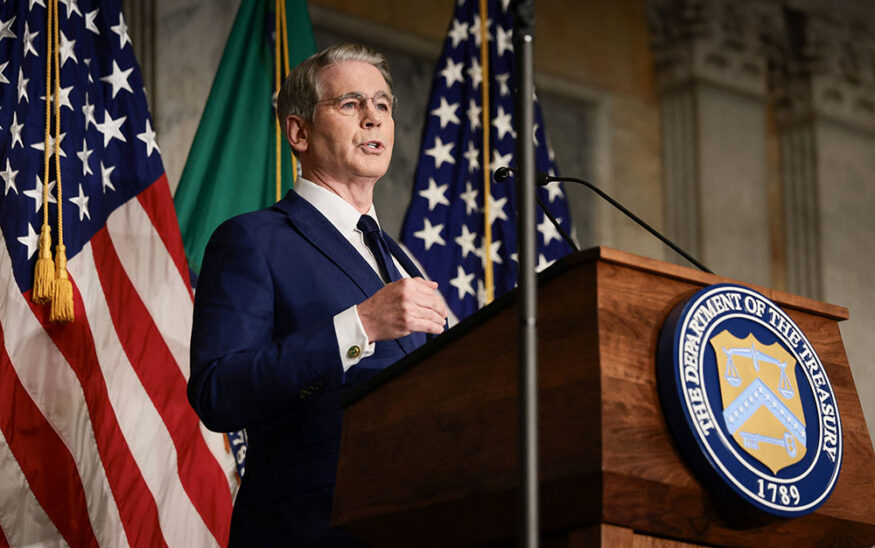
The Treasury Department plays a central role in the administration’s financial pressure campaign, using sanctions and other restrictions to target economic activity connected to Iran.
Bessent has publicly promoted a strategy aimed at restricting Tehran’s access to international financial networks and pressuring foreign businesses that maintain economic ties with the country.
The campaign has unfolded alongside the U.S. and Israeli military conflict with Iran, which began in February and has repeatedly affected American personnel and regional partners.
Administration officials have described economic pressure as a way to influence Iranian decisions while the president considers the future of military operations and diplomatic contacts.
Treasury sanctions can restrict transactions with designated entities and discourage outside businesses from dealings that might expose them to penalties under U.S. rules.
Such measures are a significant part of Washington’s policy, although their economic effects and their ability to change another government’s decisions remain subjects of debate, including their potential impact on ordinary people who depend on imported goods and services in countries affected by sanctions.
U.S. intelligence officials have warned that Iran has increased efforts to target American government personnel in the Middle East and elsewhere during the conflict, according to an unclassified assessment sent to senior officials and later described by news organizations.

The State Department has adjusted staffing at some diplomatic posts in the region, reflecting security concerns that extend beyond Washington and involve different groups of personnel.
Public reporting has also identified Secretary of State Marco Rubio and Defense Secretary Pete Hegseth as officials who live on military installations.
Those reports do not establish that every official moved at the same time, faced the same threat or received the same assessment from security agencies.
Their housing arrangements should therefore be considered separately from the reported circumstances involving the Treasury secretary and the decision to relocate him.
News organizations reported on Nov 11 that Bessent had moved from his Washington-area home to a military base after threats to his life attributed to Iran.
A person familiar with the matter told reporters that security concerns had increased after a published photograph made it possible to identify the location of his home.
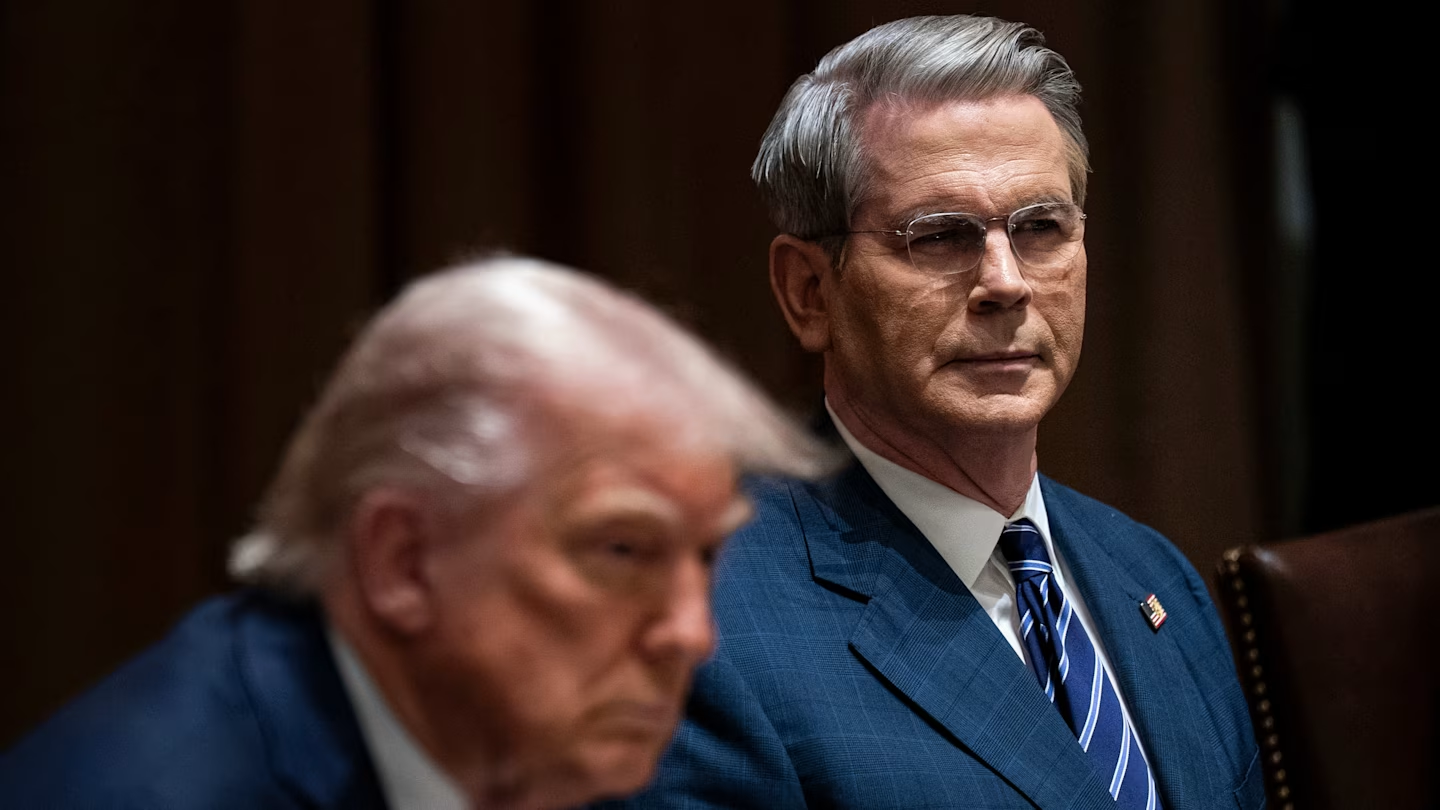
Bessent later confirmed that he had moved and said threats attributed to Iran would not deter him from continuing the administration’s economic pressure campaign.
Iranian Foreign Ministry spokesman Esmaeil Baqaei rejected the allegation that Iran had threatened Bessent, disputing the account presented by American officials and news reports.
The publicly reported explanation is therefore a combination of alleged Iran-linked threats and concerns about exposure of Bessent’s residence, not evidence of a separately established hidden source.
The details and severity of the reported threats have not been fully disclosed, and no public finding identified in the available reporting establishes another actor as the reason for the move.
Comments (0)
Loading comments...
May You Like

THANKSGIVING NIGHTMARE: OVER 1M BLACKOUTS, NEARLY 2M WATER ALERTS!

IOWA ENVIRONMENTAL DISASTER: 5-TON WASTE BLAST DISPLACES 3,000 FAMILIES!

CARIBBEAN PRINCESS: 5,000+ ABOARD, UNKNOWN VIRUS—CHINESE PASSENGER IS FIRST KNOWN CASE!













