
Biden’s Stunning Admission About His Age and Debate Performance: The Speech That Shook the 2024 Election
Biden’s Stunning Admission About His Age and Debate Performance: The Speech That Shook the 2024 Election
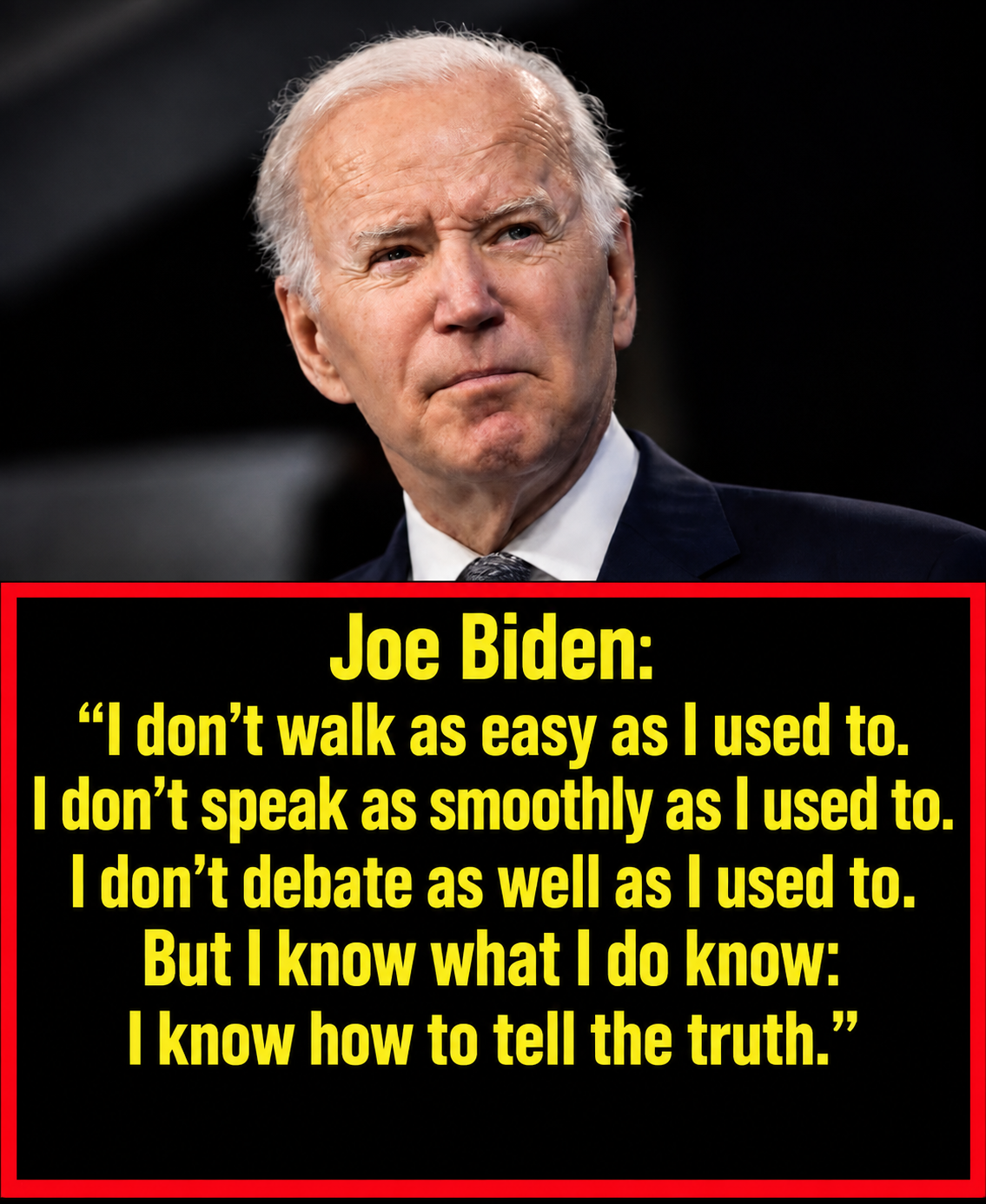
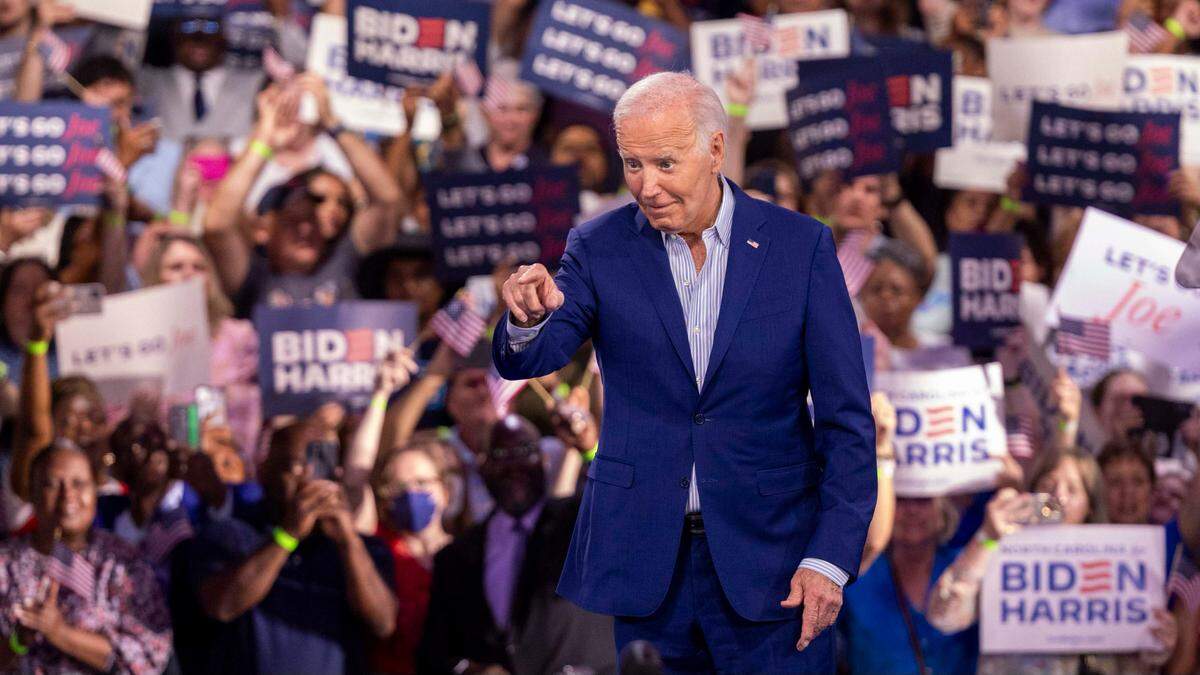
Joe Biden delivered one of the most revealing speeches of his presidency on June 28, 2024, openly acknowledging that age had changed the way he walked, spoke and debated. But his message to supporters in Raleigh, North Carolina, was that those limitations did not erase his experience or his sense of right and wrong.
The remarks came less than a day after a nationally televised presidential debate against Donald Trump. Biden’s halting delivery, occasional unfinished thoughts and raspy voice had alarmed Democrats who hoped the encounter would reassure voters about his fitness for another four years.
At the North Carolina State Fairgrounds, Biden tried to reverse that impression. Before a cheering audience, he adopted a more forceful tone and addressed the question that had suddenly become central to his reelection campaign: whether an 81-year-old president could still perform the demands of the office.
Rather than pretending nothing had happened, Biden acknowledged his performance directly. He said he was no longer a young man and described changes in his physical movement, speaking style and debating ability. He then insisted that he still knew how to tell the truth.
The statement resonated because it mixed vulnerability with defiance. Political leaders rarely make such candid public admissions about declining abilities, especially while asking voters to entrust them with another presidential term.

Biden also argued that experience, judgment and the ability to distinguish right from wrong mattered more than a polished television performance. He emphasized his governing record and his belief that he could still do the job.
The Raleigh crowd responded enthusiastically, but the political crisis was larger than one rally. The debate had raised questions among donors, elected Democrats, strategists and ordinary voters about the party’s path to victory in November.
For Biden’s supporters, the speech was a reminder of his resilience. They saw a politician who had survived personal tragedies and repeated setbacks and who believed that determination was a qualification for leadership.
For his critics, the same speech reinforced an uncomfortable concern: a president should not have to explain so publicly why changes in his walking, speech and debate performance did not prevent him from serving effectively.
Trump and his allies seized on the debate as evidence that Biden lacked the stamina required for the presidency. Biden countered by portraying the election as a contest over honesty, democratic institutions and the future direction of the country.
The exchange reflected a broader problem in modern presidential politics. Television debates reward speed, confidence and short answers, while governing also requires negotiation, institutional knowledge, judgment and sustained decision-making.
None of those distinctions meant voters had to disregard Biden’s debate performance. A candidate’s ability to communicate under pressure is itself a meaningful part of public leadership, particularly during national emergencies.
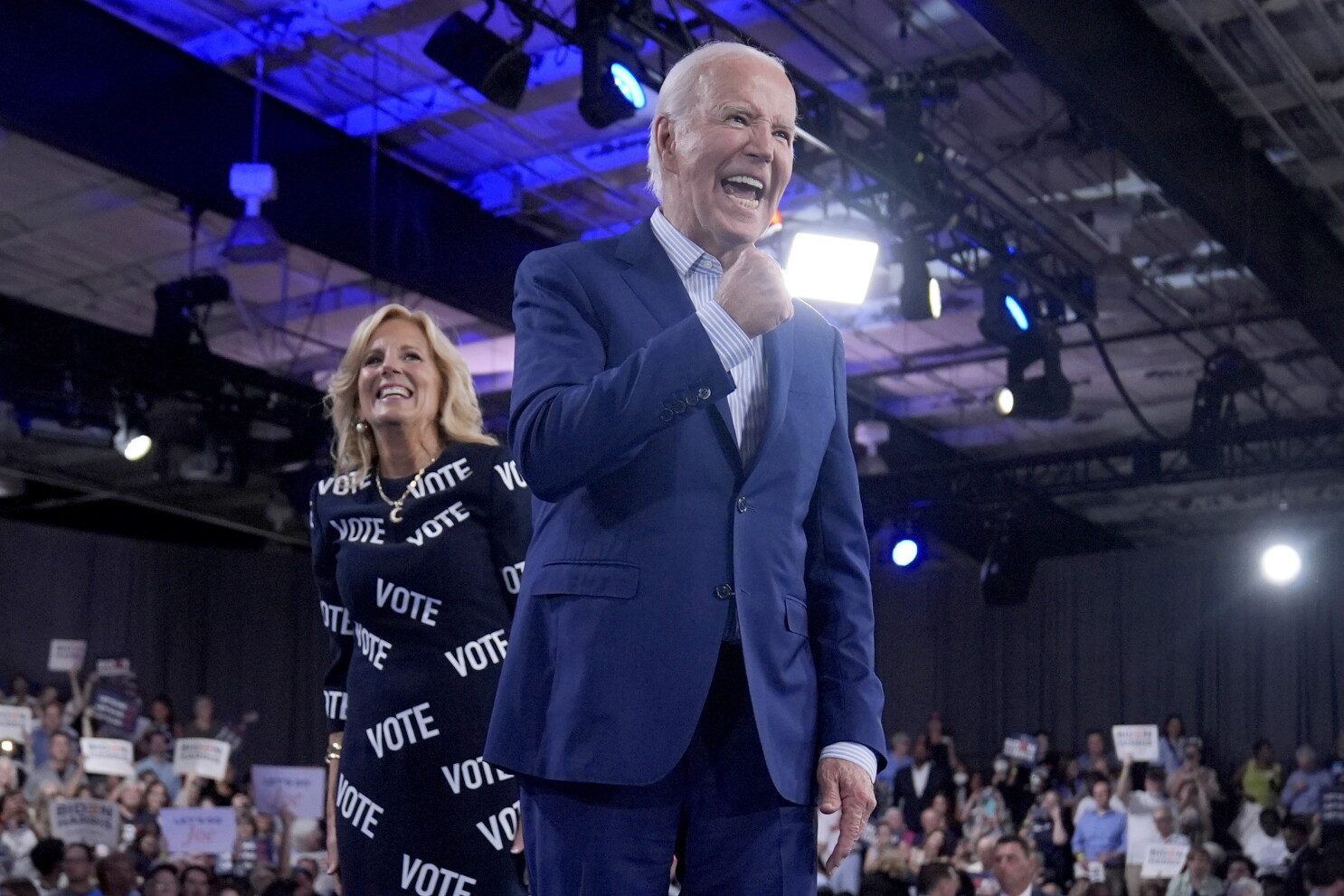
First Lady Jill Biden stood by her husband at the Raleigh event, defending his record and character. Her appearance highlighted the campaign’s effort to project unity as doubts intensified within Democratic circles.
North Carolina was a consequential setting for the speech. The state had narrowly favored Trump in 2020, and Democrats viewed it as a possible opportunity to expand their electoral map in 2024.
The contrast between Biden’s troubled debate appearance and his more energetic rally performance quickly became a subject of national analysis. Some allies viewed the event as reassuring, while others questioned why the two performances had differed so sharply.
The argument about truthfulness was also a direct political challenge to Trump. Biden sought to redirect attention from his presentation to the accuracy of claims made during the debate and to the candidates’ competing visions for the country.
Yet the controversy did not disappear. In the following weeks, mounting concerns about Biden’s ability to win another term reshaped Democratic discussions about the nomination and the risks of continuing his campaign.
On July 21, 2024, Biden announced that he would withdraw from the presidential race and endorsed Vice President Kamala Harris. That decision gave the Raleigh speech a different place in history: it became part of the final chapter of his reelection effort.
Viewed from 2026, the moment illustrates how quickly a campaign can be transformed by a single debate. Biden’s words were not a new medical diagnosis or proof of any particular condition; they were his own public acknowledgment of aging and his argument for continued confidence.
The speech ultimately posed a question larger than one politician: how should Americans weigh age, communication, character and governing performance when judging a president? Biden’s answer emphasized truth and experience, while the political response showed that voters and party leaders also demanded visible reassurance.
Comments (0)
Loading comments...
May You Like

ANTISEMITIC THREAT CONCERNS IN NEW YORK — HAVE WE LEARNED NOTHING FROM HISTORY?

AMERICA'S TRADE DEFICIT SURGES — WHAT DOES IT MEAN FOR AMERICAN FAMILIES?













