Bill Clinton Mocks Trump’s Rose Garden Redesign as ‘Liberace’s Bathroom’
Bill Clinton Mocks Trump’s Rose Garden Redesign as ‘Liberace’s Bathroom’
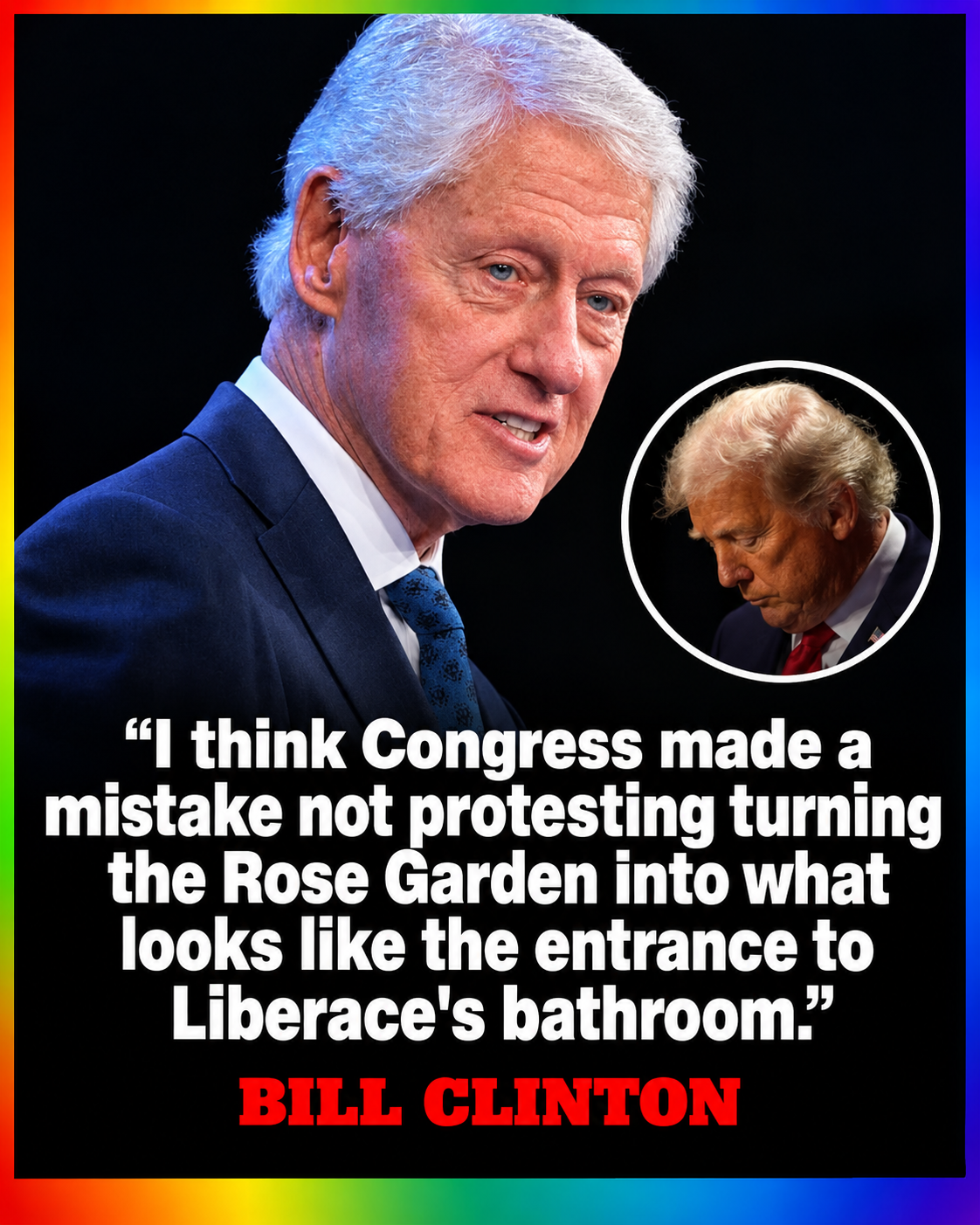
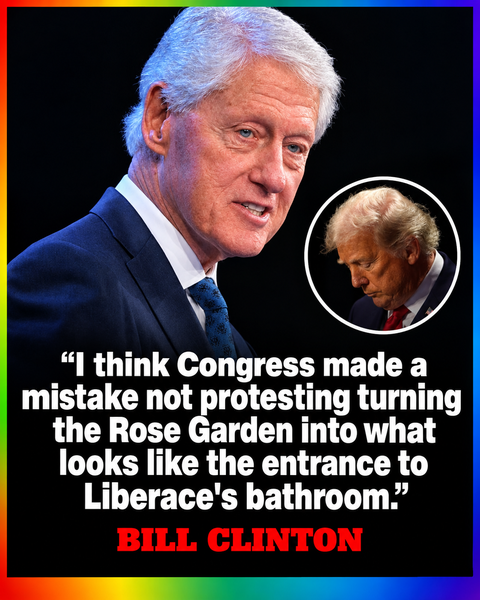
Former President Bill Clinton has joined the growing chorus of critics of Donald Trump’s White House renovations, delivering a sharp joke about the redesigned Rose Garden and arguing that Congress should have objected to the changes.
Speaking at a Democratic campaign event in Hollywood, Florida, Clinton said he thought lawmakers had made a mistake by not protesting the transformation of the Rose Garden into something resembling “the entrance to Liberace’s bathroom.” The remark drew laughter and quickly spread online.
The comparison was aimed at the garden’s new look: a paved outdoor area with white stone and striped umbrellas, rather than the familiar lawn that had long served as a backdrop for presidential announcements and ceremonies.
Trump’s renovation replaced much of the Rose Garden’s grass with a hard surface during 2025. The president defended the change as practical, saying the lawn could become wet and difficult for people wearing high heels during outdoor events. He has also praised the new pale stone as matching the White House.
For Clinton, however, the issue was not simply a matter of taste. His comment about Congress suggested that elected representatives should have spoken up about changes to a historically significant part of the presidential grounds.
The Rose Garden has been associated with White House ceremonies for more than a century. It became a prominent venue for speeches, press conferences, bill signings and diplomatic events, making its appearance and use a matter of public symbolism as well as landscape design.
One of its best-known diplomatic moments came in 1994, when Clinton hosted Israeli Prime Minister Yitzhak Rabin and Jordan’s King Hussein during events connected to the Washington Declaration. The setting has also been used by presidents of both parties to make major announcements.
Clinton’s criticism came during a campaign appearance supporting David Jolly, the Democratic candidate for Florida governor. He used Trump’s construction projects to criticize Republican rival Byron Donalds for backing the president’s agenda, connecting the White House makeover to a broader argument about political priorities.

Clinton said he was not opposed in principle to creating a larger dining space. His objection was to the scale and justification of the wider construction plans, including a proposed ballroom and a monumental arch that Trump has promoted as part of his vision for Washington.
The ballroom project has become one of the most controversial elements of Trump’s second-term building program. Critics have questioned its cost, the demolition of the White House East Wing to make way for it, and whether the project’s scale is appropriate for the historic complex.
Trump and his allies have presented the changes as improvements that will leave a lasting legacy. They argue that presidents have long made alterations to the White House and that the executive residence must remain functional for official events and modern security needs.
Opponents counter that the White House is not an ordinary private property. It is both a working government complex and a national historic landmark, so major alterations can raise questions about preservation, public oversight, funding and the appropriate role of presidential taste.
Clinton’s joke invokes Liberace, the flamboyant entertainer known for sparkling costumes, ornate stage sets and lavish interiors. The reference was designed to make a point about extravagance, not to offer a technical assessment of the patio’s architecture.
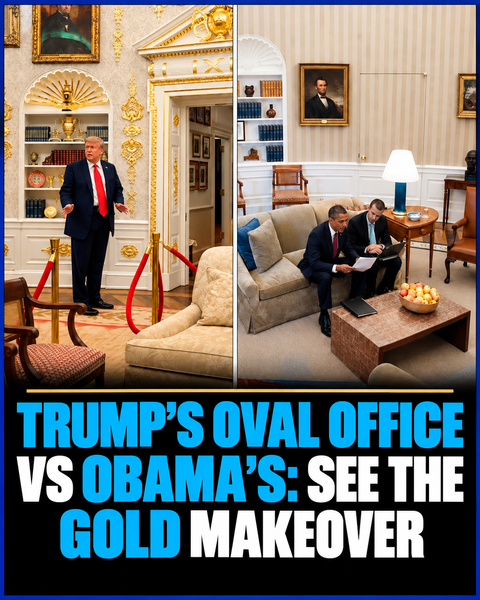
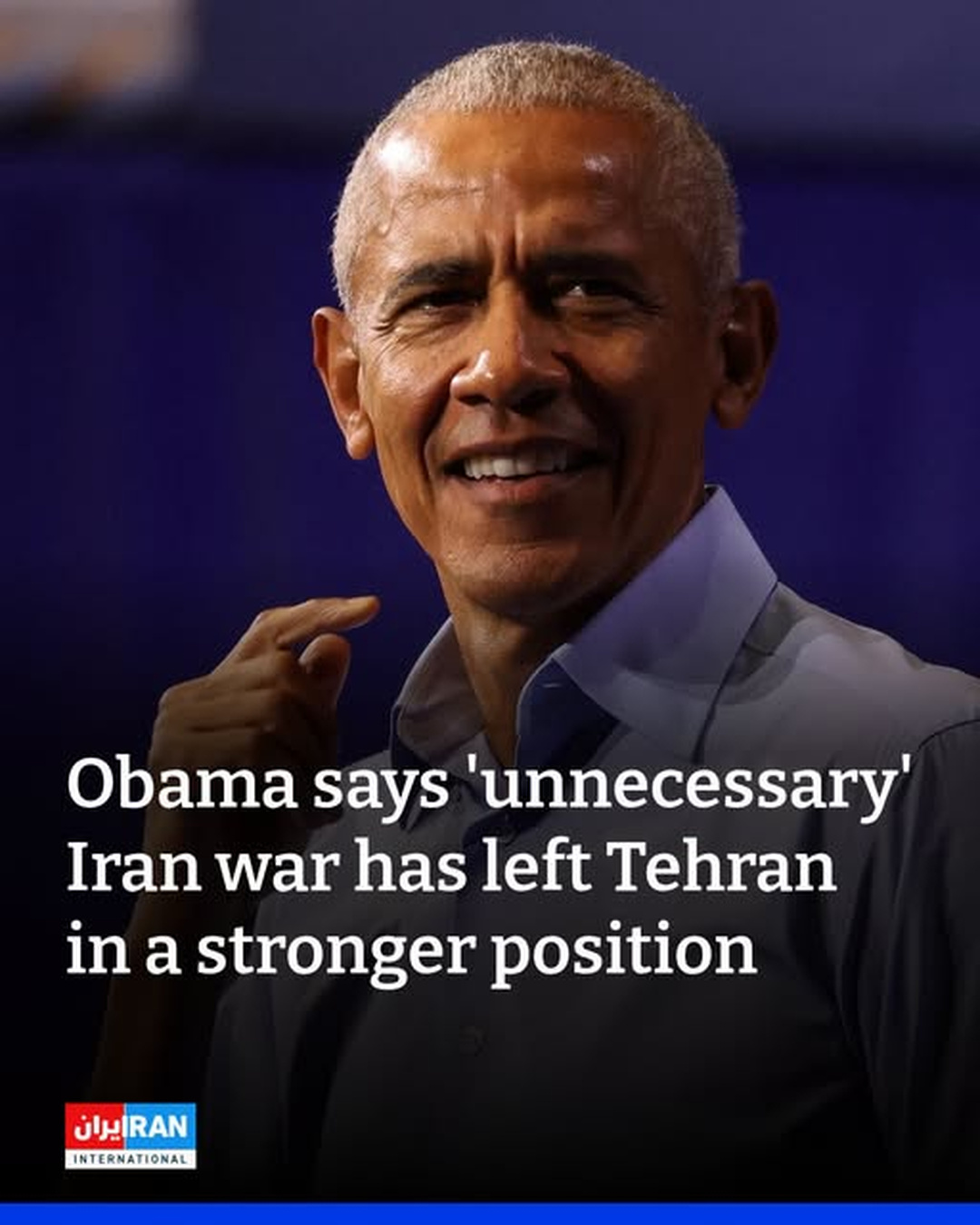
The remark also fits a broader wave of criticism from former Democratic presidents. Barack Obama recently mocked the gold-heavy look of Trump’s Oval Office and other renovation projects at a campaign rally, arguing that the president appeared preoccupied with decorating while voters remained concerned about everyday costs.
The two former presidents have different speaking styles, but their criticisms converge on a question of priorities: how much attention should a president give to personalizing historic spaces while the country faces economic and political challenges?

Trump has often treated construction and renovation as central parts of his public identity. His supporters see the projects as evidence of ambition and a desire to make institutions more impressive; critics see them as self-indulgent and worry that historic spaces are being reshaped around one president’s preferences.
The Rose Garden debate illustrates how even a landscaping decision can become a political symbol. Supporters may see a stone patio as easier to maintain and more useful for events, while critics see the removal of the lawn as a loss of continuity with a place that has hosted generations of presidents and world leaders.
There are also questions of process. Preservation advocates and lawmakers have raised concerns in recent years about how major changes to federal landmarks are reviewed and who has authority over design decisions. The specifics can vary by project, so each renovation must be assessed on its own plans, approvals and funding arrangements.
Clinton’s statement is ultimately a political judgment rather than a formal finding that Congress violated a duty. His point was that lawmakers could have objected publicly to the redesign and that their silence, in his view, was a mistake.
The dispute is unlikely to end with one punchline. As Trump continues to reshape the White House grounds and interior, arguments over history, practicality, cost and presidential legacy will remain intertwined. Clinton’s “Liberace’s bathroom” line has become a memorable shorthand for those concerns, but the underlying debate is about who gets to decide how a national landmark should change.
Comments (0)
Loading comments...
May You Like

Serbia and Hungary Deepen Ties as EU Border Disputes Fuel Debate Over Europe’s Political Future

Trump Demands Ilhan Omar Resign, but the Evidence Behind His Claim Remains Unproven

Trump’s ‘Zero Illegal Aliens’ Claim: What the Border Numbers Actually Show




Popular Posts