
BILLIONS SPENT ON WAR — ARE AMERICAN FAMILIES PAYING THE PRICE?
AMERICANS PAY THE PRICE FOR TRUMP'S WAR! $48.3 BILLION SPENT ON IRAN AS FAMILIES STRUGGLE WITH RISING COSTS — IS WASHINGTON LISTENING?
WASHINGTON, D.C. — NOVEMBER 21, 2026

Billions of dollars spent on war overseas. Higher prices at American grocery stores. Expensive gasoline, mounting household bills and growing frustration with Washington. For millions of Americans, the debate over President Donald Trump's leadership has become deeply personal.
The latest figures reveal a striking contrast between the government's military commitments and the financial pressures facing ordinary households.
The Pentagon estimates that the Iran war had cost approximately $48.3 billion as of November 13, 2026—and that figure does not include the full damage inflicted on American military bases in the Middle East.
ABC News
Meanwhile, consumer prices continue to rise. The annual inflation rate reached 3.7% in September, while October brought another 0.4% monthly increase.
And public frustration is measurable.
A Reuters/Ipsos survey found that 78% of Americans blamed Trump's policies at least partly for rising prices that were outpacing earnings.
MarketScreener+1
Are American families bearing the economic consequences of decisions made in Washington? And how much longer can the administration defend its foreign-policy choices while voters demand relief at home?
$48.3 Billion for the Iran War — And the Bill Isn't Complete
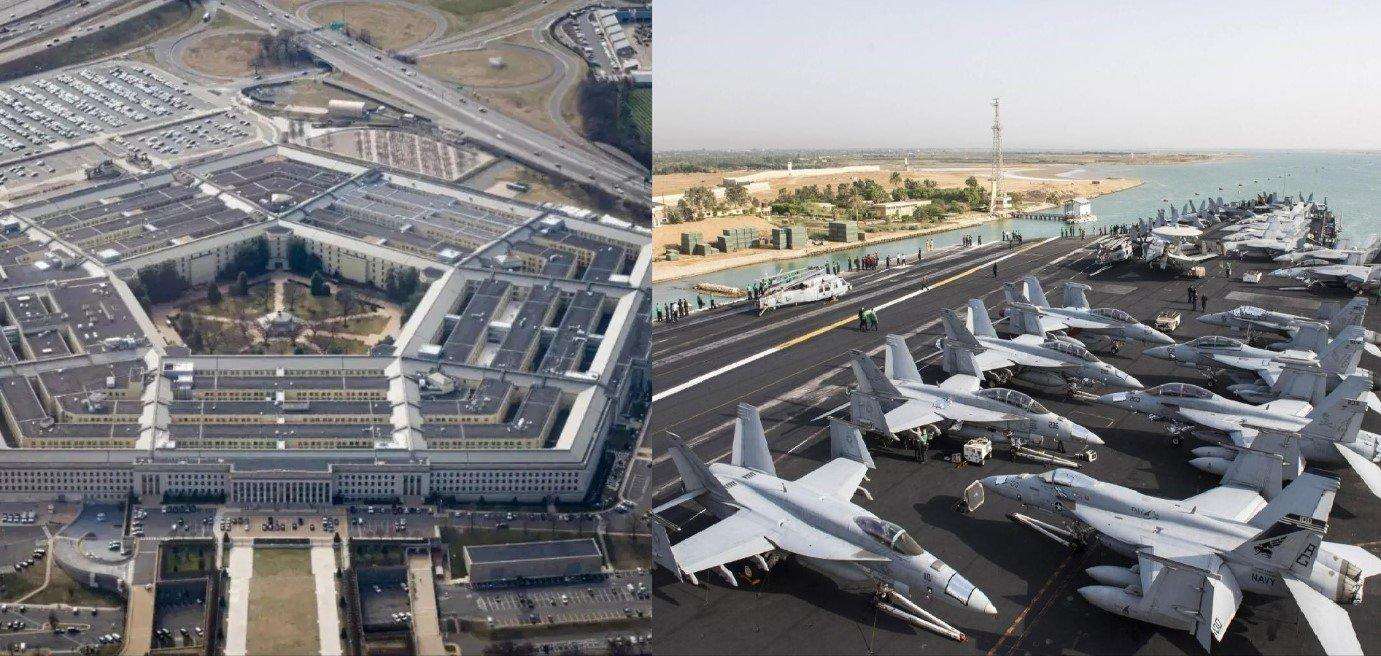
The war's financial burden has become a major controversy in Congress.
At a Senate Armed Services Committee hearing on November 19, Pentagon budget official Arthur Miller provided an updated estimate of the cost of military operations against Iran.
Estimated U.S. Iran war spending through November 13, 2026
$48.3 billion
Includes military operations and replacement of equipment and munitions. Does not include a complete assessment of damage to U.S. installations.
The U.S. naval blockade of Iranian shipping was also reported to cost approximately $32.5 million per day.
Source: Associated Press reporting on Pentagon testimony.
ABC News
Senators pressed officials to explain how much additional money would be required to repair military facilities damaged by Iranian missile and drone attacks.
The Pentagon did not provide a comprehensive damage assessment at the hearing.
Republican Senator Roger Wicker, chairman of the committee, directed officials to seek further information.
The growing cost has intensified debate over the administration's request for a $1.5 trillion defense budget.
But the $48.3 billion figure should not be mistaken for a direct tax bill sent to households. Military expenditures are financed through federal budget mechanisms, and their ultimate effect on taxpayers depends on borrowing, future spending decisions and fiscal policy.
The Cost of Living: A Crisis Americans Feel Every Day
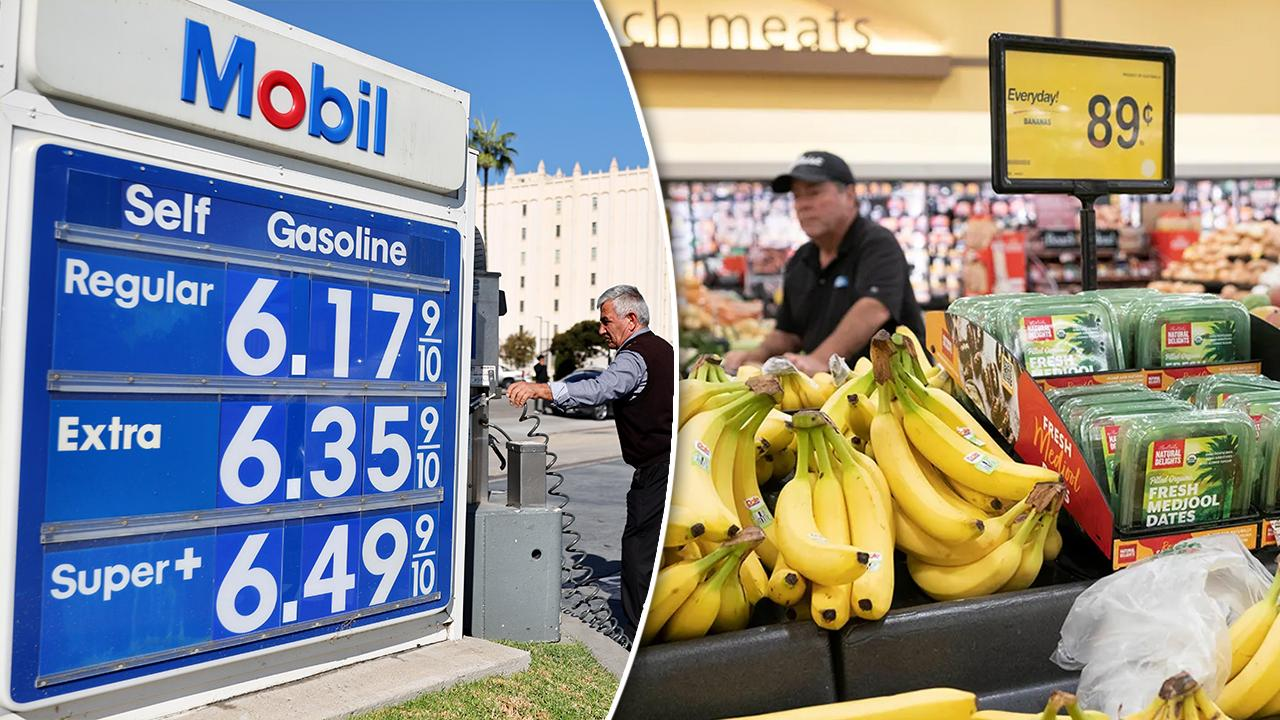
For American families, the economic impact is much easier to see.
The Bureau of Labor Statistics reported that consumer prices increased 0.4% in October after a 0.6% increase in September.
October's increases included:
|
Expense category |
Monthly price increase
Food
0.5%
Energy
0.7%
Housing
0.3%
Overall consumer prices
0.4%
October 2026 CPI data, seasonally adjusted.
2026 M10 Results
Higher prices affect families differently.
Commuters may spend more on fuel. Renters face housing expenses. Parents must stretch grocery budgets, while households with loans can be affected by higher interest rates.
Even when wages increase, families may feel little improvement if the prices of essentials rise at a similar pace.
The frustration is especially pronounced among people who expected the administration to deliver rapid relief from inflation.
Is the Iran War Making Everything More Expensive?
The conflict with Iran has affected global energy markets.
Oil-price increases can spread through the economy because energy is required to manufacture goods, transport food and operate businesses.
Reuters reported that the war and Trump's import tariffs had both contributed to inflationary pressure in the United States.
Reuters
In September, gasoline prices rose 9.1% in a single month, accounting for more than half of the overall monthly CPI increase.
The broader energy index rose 20.4% over the preceding 12 months.
September 2026
That does not mean the Iran war caused every price increase.
Housing shortages, domestic demand, labor costs, tariffs and other factors also influence inflation.
But the conflict has created an additional source of uncertainty for businesses and households already struggling with affordability.
Are Trump's Tariffs Acting Like a Hidden Tax on Consumers?
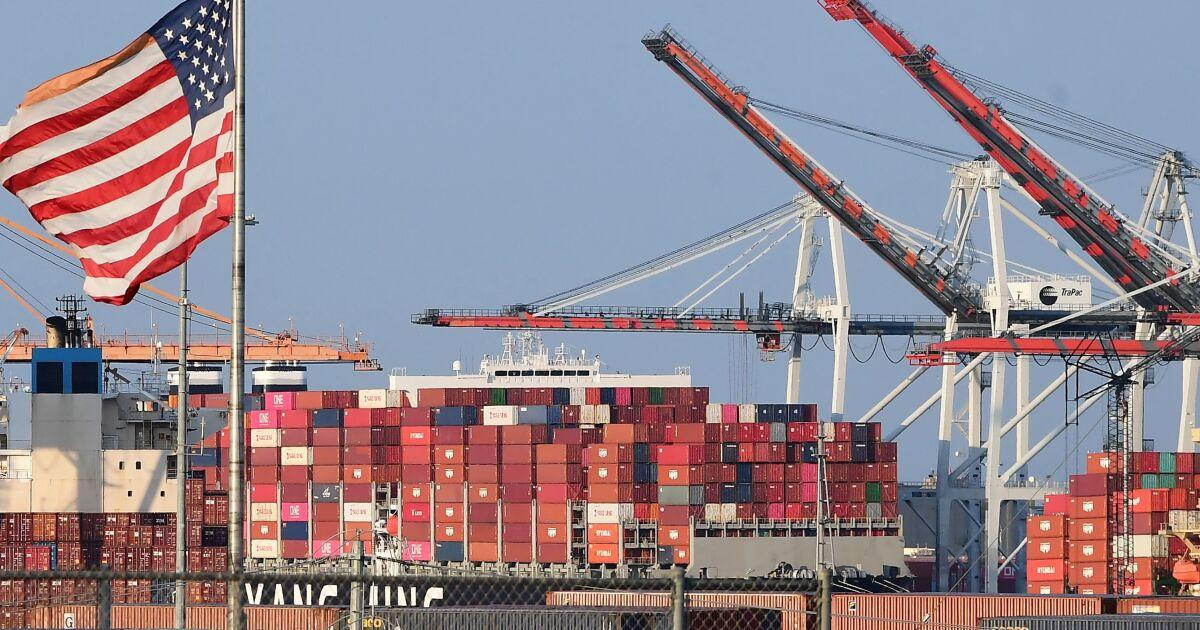
Trump has defended tariffs as a way to protect American manufacturing, reduce dependence on foreign suppliers and encourage investment in the United States.
Supporters argue that the policies can strengthen domestic industries and improve America's bargaining position in international trade.
But tariffs also impose costs on businesses importing foreign products.
When importers pass those costs along, consumers can face higher prices.
This distinction is important because Americans do not necessarily need to experience an increase in their federal income-tax rate to face a greater financial burden.
Higher prices caused partly by import duties can reduce household purchasing power, even though tariffs are not the same as income taxes.
Economists and Federal Reserve officials have identified tariffs as one factor contributing to recent inflation, alongside higher energy costs.
MarketScreener
Americans Are Sending Washington a Warning
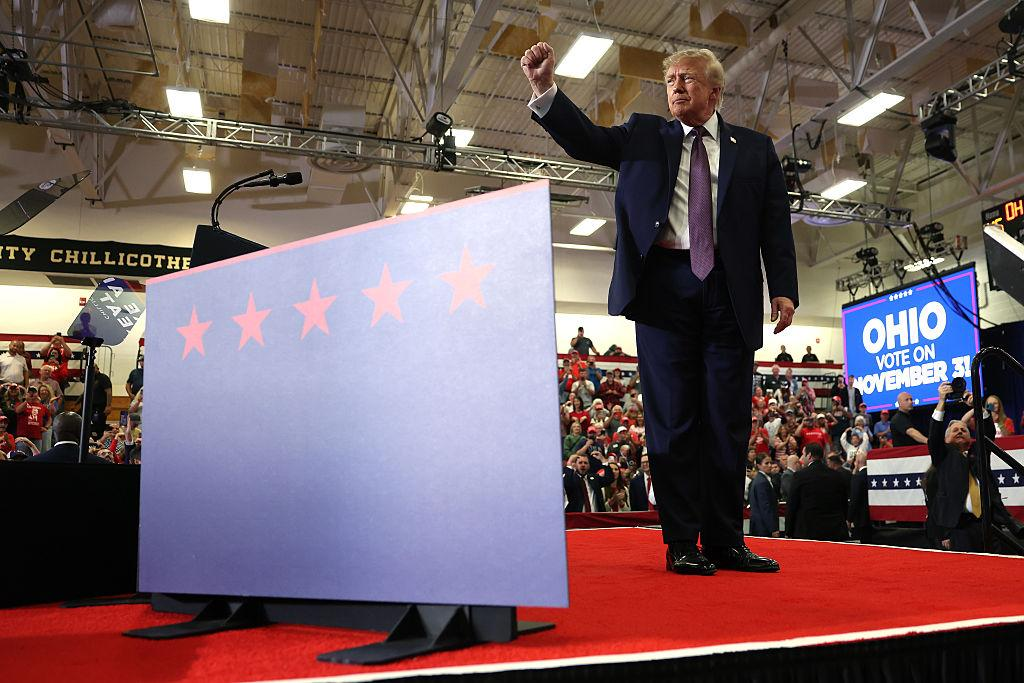
The public reaction is no longer limited to complaints about gasoline or groceries.
A Reuters/Ipsos poll conducted in October found that 78% of Americans believed Trump's policies were contributing to prices rising faster than earnings.
Even among Republicans, 57% said their living costs were increasing faster than their paychecks.
MarketScreener
The November 3 midterm elections delivered another warning.
Exit polling found that nearly nine in ten voters considered the cost of living a crucial or major issue in their decision.
Approximately two-thirds blamed Trump for high prices, while seven in ten wanted Congress to place greater checks on presidential power.
Kitco News
Those findings help explain why Republicans suffered substantial electoral losses.
They do not establish that every voter opposed the Iran war or that the entire country shares the same political views.
But they show that dissatisfaction with the economy and the administration's policies has become a major political problem.
Why Trump Still Defends His Decisions
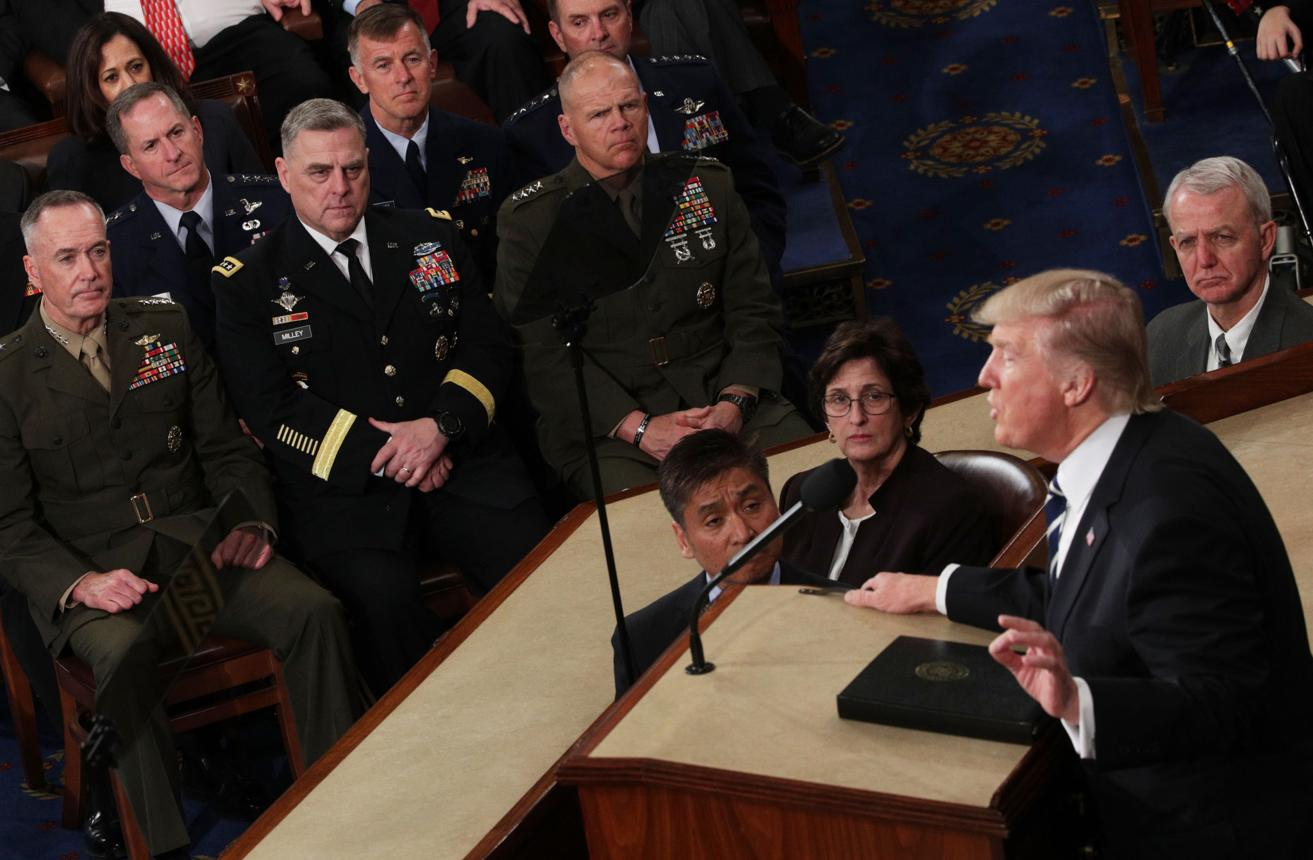
Trump and supporters of the military campaign argue that confronting Iran is necessary to protect American security interests, deter regional threats and prevent Tehran from acquiring nuclear weapons.
From that perspective, military expenditures can be justified if they reduce serious long-term security risks.
Supporters also argue that tariffs may produce longer-term economic benefits by encouraging domestic production.
Critics dispute whether the scale and duration of the war are justified, particularly given the financial and human costs.
They also question whether tariffs are producing enough domestic investment to offset the additional costs imposed on consumers.
These are genuine policy disagreements.
Calling a war pointless expresses a political judgment; the confirmed facts are its substantial costs, its economic consequences and the continuing debate over its objectives and results.
A Strong Economy on Paper, but Families Still Feel Stuck

The economic picture is not entirely negative.
Reuters reported that unemployment remained historically low, employment was strong and overall economic growth was solid heading into the midterm elections.
Consumer prices and average hourly earnings had each increased by approximately 5.5% since January 2025. On that broad measure, purchasing power had changed little.
Investing.com
But averages can hide significant differences.
Workers whose wages have not kept pace with inflation may be worse off.
Households spending a large share of income on gasoline, groceries and housing may feel particularly squeezed.
People trying to buy a home also face high mortgage rates and limited housing supply.
This helps explain why economic growth can remain positive while consumer confidence deteriorates.
What Should Washington Do Next?
The administration faces several difficult choices.
A diplomatic resolution to the Iran war could reduce some uncertainty in energy markets and potentially limit future military spending. But peace negotiations would not automatically reverse all previous price increases.
Revising tariffs could ease some import costs, although the administration would have to weigh those benefits against its domestic-manufacturing objectives.
Congress could also examine war spending, government borrowing and measures intended to help households afford essentials.
Meanwhile, the Federal Reserve must decide whether additional interest-rate increases are needed to bring inflation closer to its 2% target.
A Reuters survey published November 10 found that most economists expected another rate increase in December.
Reuters
None of these measures offers an instant solution.
But the combination of war expenditures, inflation and voter dissatisfaction is increasing pressure for action.
Is Trump Losing the Trust of Ordinary Americans?
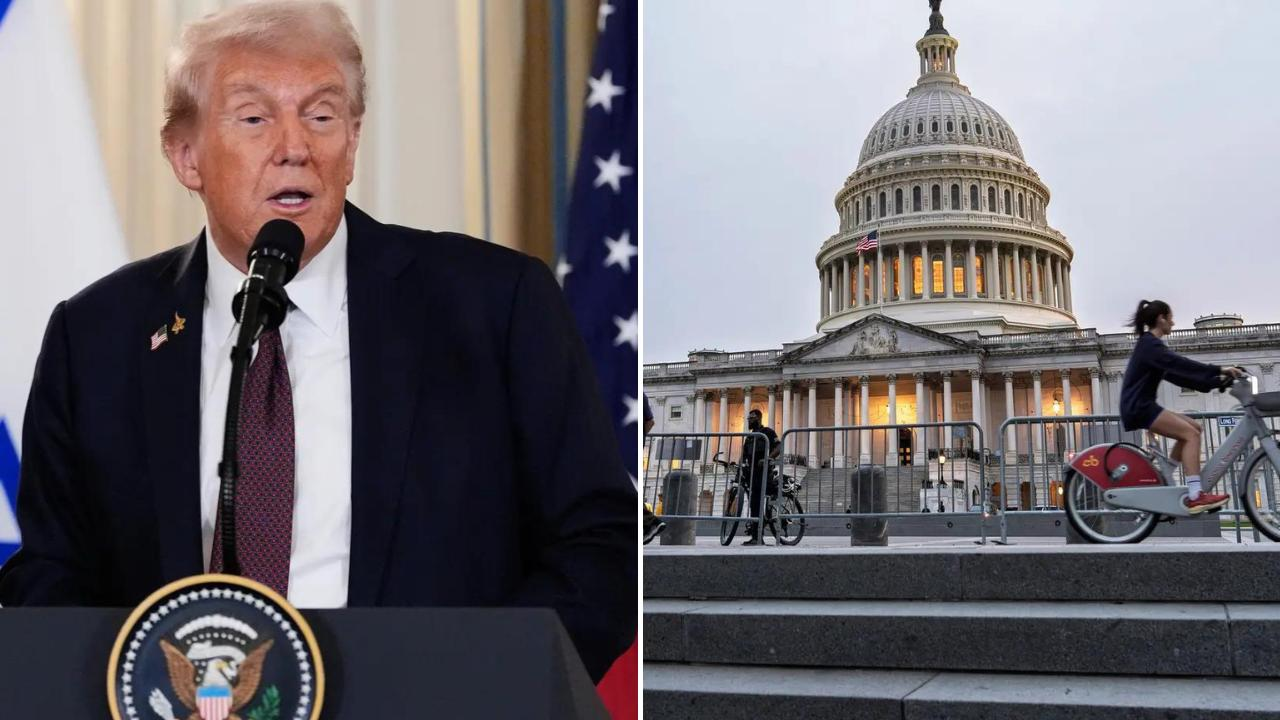
Trump promised Americans a stronger economy, lower prices and a foreign policy focused on national interests.
Yet the Iran war has generated tens of billions of dollars in military costs, while inflation and household affordability remain serious concerns.
His supporters maintain that difficult decisions are sometimes necessary to protect national security and strengthen the economy over time.
His critics argue that the administration has prioritized military confrontation and trade restrictions while ordinary Americans bear the financial consequences.
The available polling shows substantial public dissatisfaction, and the midterm results indicate that those concerns have political consequences.
The central question is not simply how much Washington spends. It is whether Americans believe they are receiving enough security, economic opportunity and financial stability in return.
The Iran war has already cost an estimated $48.3 billion, with additional damage assessments still incomplete.
Consumer prices continue to rise.
And many voters are demanding that their leaders pay greater attention to life at home.
Should President Trump prioritize ending the Iran war and reducing the cost of living? Or do America's security interests justify the continued expense?
AMERICA, WHAT DO YOU THINK? SHARE YOUR OPINION IN THE COMMENTS BELOW!
Comments (0)
Loading comments...
May You Like

ELON MUSK’S $18 BILLION SPACEX STOCK GIFT FOR EVERY AMERICAN CHILD

IOWA MILITARY DISASTER: 5 TONS OF SUSPECTED BIOWEAPON WASTE LEAK—301+ HOSPITALIZED, 20 CRITICAL!

THANKSGIVING CRISIS: NYC PARADE POSTPONED AFTER FBI WARNING—$900 MILLION LOST!













