
BOMBSHELL NEW JERSEY FLOOD — 112 KM/H WINDS, SEAWATER FLOODING INLAND, 120,000 HOMES AT RISK!
ATLANTIC CITY, New Jersey — November 28, 2026 — A powerful Thanksgiving coastal storm has inundated residential neighborhoods across New Jersey, sending seawater into streets, damaging coastal infrastructure and leaving communities confronting an increasingly complicated recovery as concerns turn toward the potential long-term consequences of saltwater flooding.
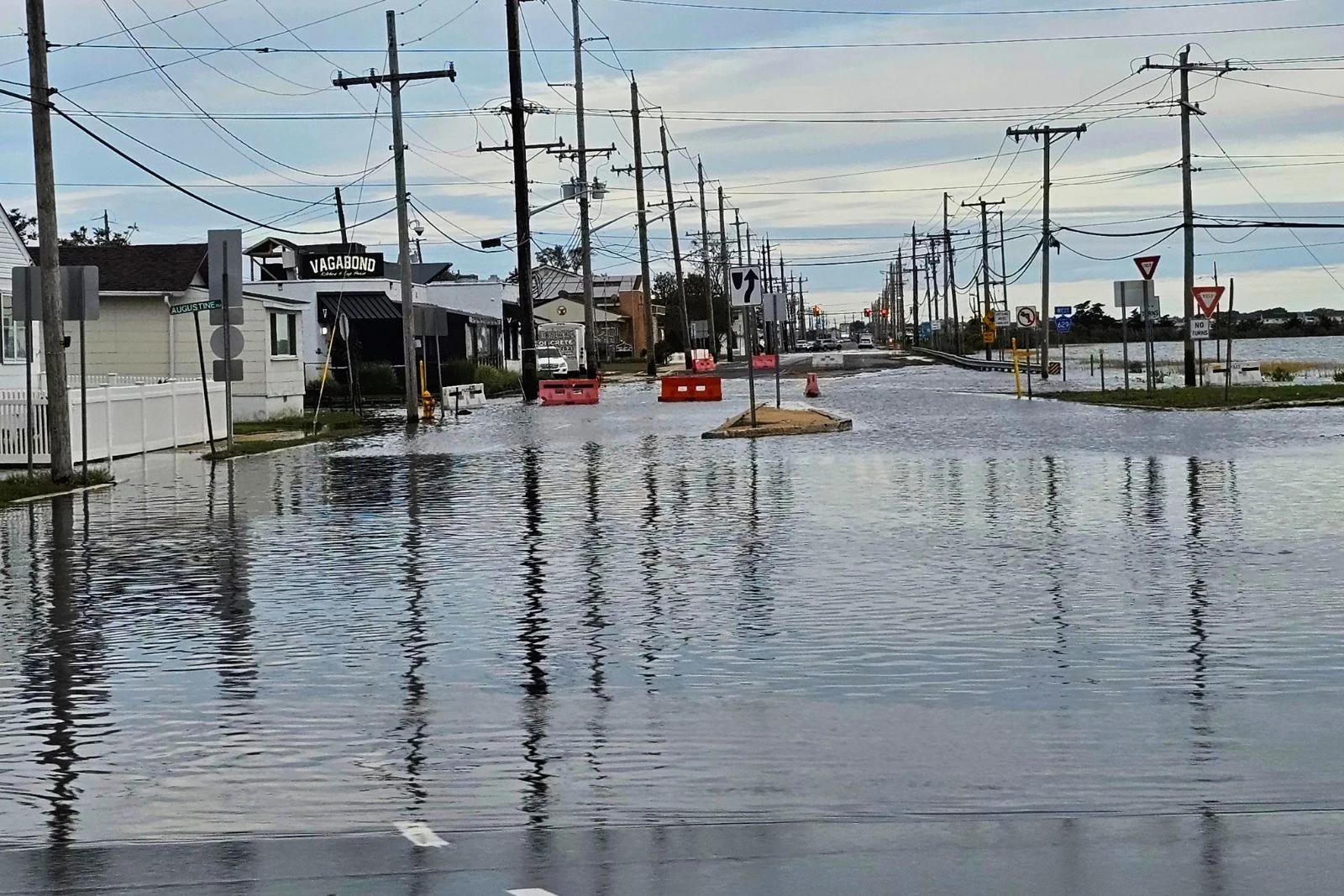
The storm brought destructive winds, heavy rainfall and unusually high tides to large sections of the Eastern Seaboard. In New Jersey, rising seawater overwhelmed low-lying roads and entered areas surrounding residential properties, forcing motorists to abandon normal travel routes and prompting emergency officials to monitor conditions across vulnerable coastal communities.
Governor Mikie Sherrill declared a statewide emergency covering all 21 New Jersey counties ahead of the storm. The National Weather Service issued coastal flood warnings for 12 counties, while forecasts indicated that wind gusts could reach or exceed 70 mph along exposed sections of the coastline.
Although the immediate danger has begun to diminish, the consequences of seawater entering residential neighborhoods may extend well beyond the initial flooding. Attention is now turning toward the condition of agricultural land, underground utilities, private drinking water wells and properties exposed to potentially damaging concentrations of salt.
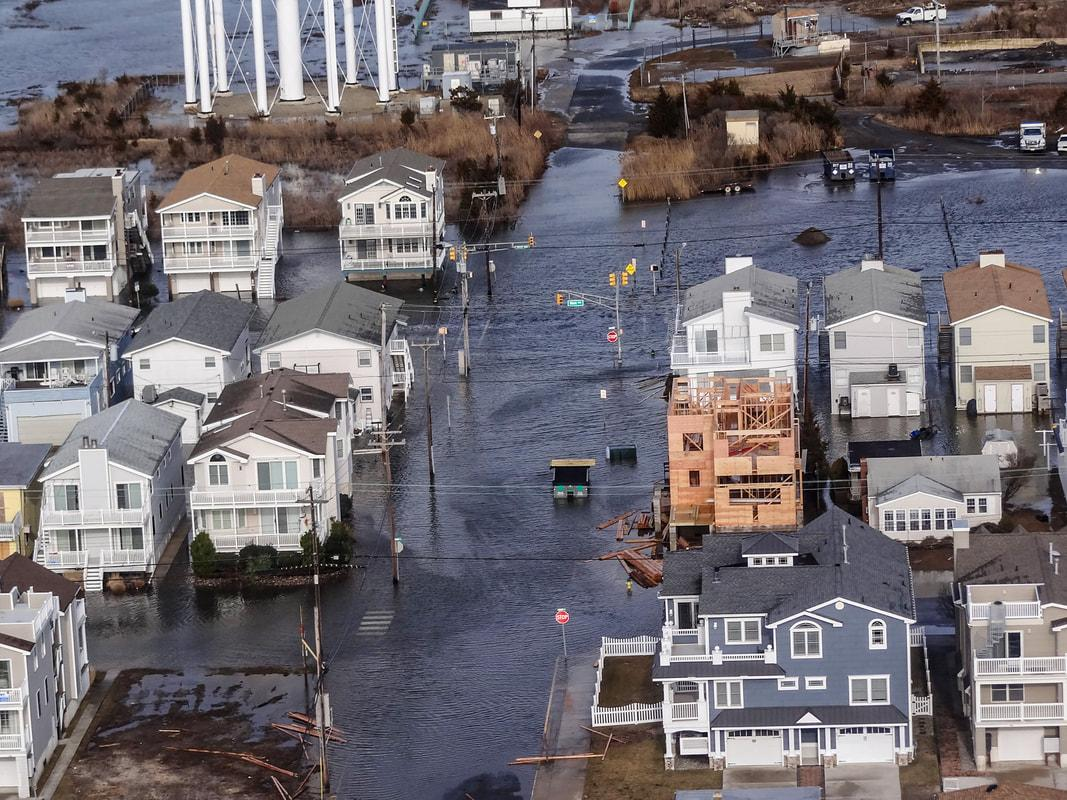
For generations, New Jersey's coastal communities have experienced periodic flooding associated with powerful Atlantic storms. However, the Thanksgiving weather system created a particularly dangerous combination of strong onshore winds and exceptionally high astronomical tides, allowing seawater to reach locations that would ordinarily remain accessible during normal weather conditions.
As the storm approached, winds pushed Atlantic Ocean water toward the coastline and into interconnected bays, inlets and tidal waterways. The resulting increase in coastal water levels placed additional pressure on drainage systems already facing heavy rainfall.
Unlike conventional flooding caused primarily by rain, coastal inundation introduces saltwater into environments normally dependent on freshwater. This distinction can have significant implications for residential infrastructure, vegetation, agricultural productivity and underground water resources.
Even properties that escape direct wave damage may experience prolonged exposure to standing seawater. Low-lying streets, garages, gardens and underground utility connections can remain affected after the most powerful winds have passed.
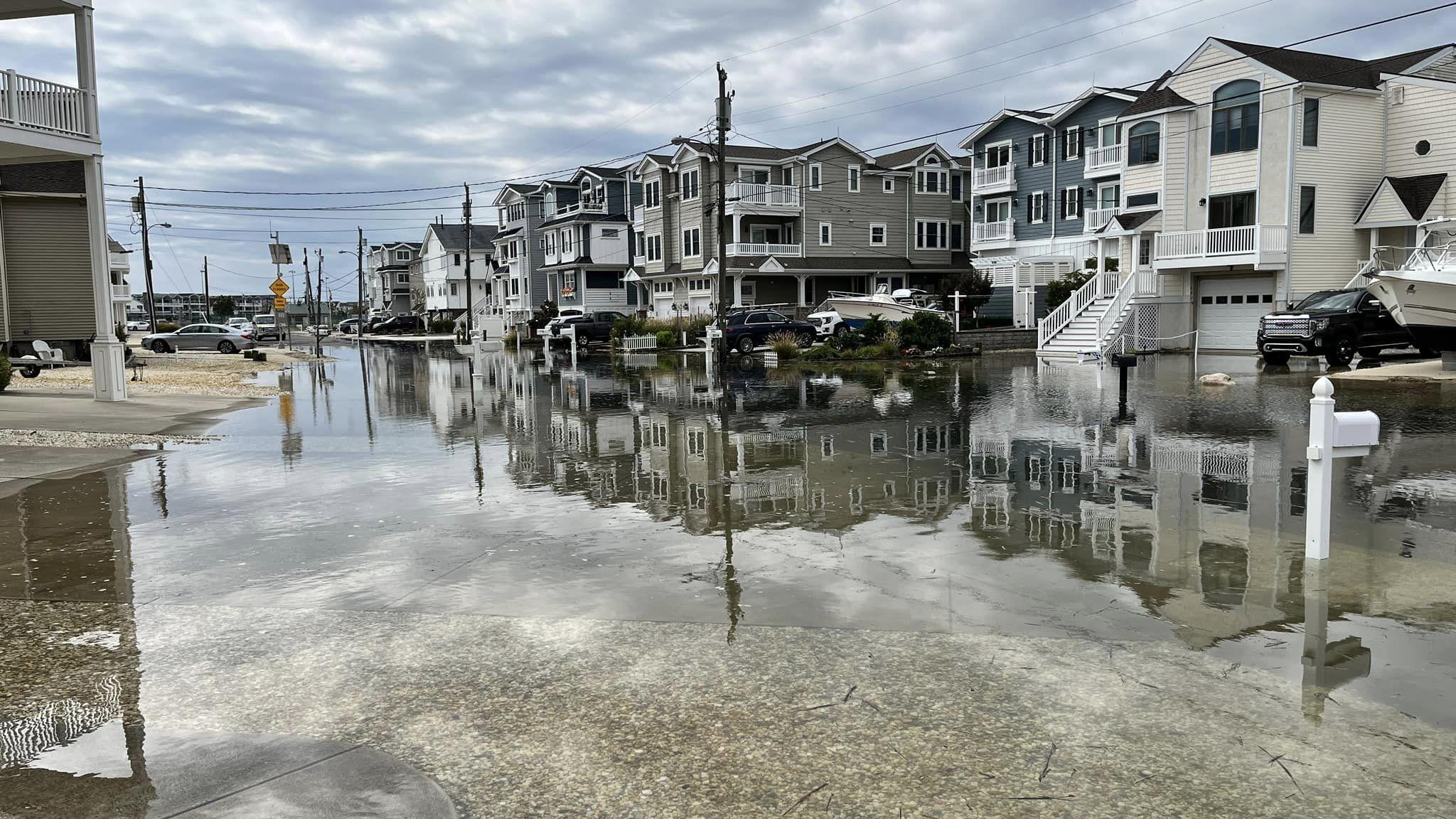
When freshwater floods a residential neighborhood, the primary concerns generally involve physical water damage, contaminated surfaces, mold growth and the deterioration of building materials. Saltwater flooding can produce many of the same problems while introducing additional chemical and environmental complications.
Salt remaining after floodwaters evaporate can accelerate the corrosion of metal components, including electrical connections, household appliances, vehicles and underground infrastructure. Buildings may appear dry while salt deposits remain inside walls, flooring and other materials.
Electrical equipment exposed to seawater may require professional inspection or replacement before it can safely return to operation. Heating systems, water pumps and other essential household equipment could also sustain damage that becomes apparent only after floodwaters recede.
The financial consequences can therefore extend beyond the immediate cost of removing water from a property. Homeowners may face additional expenses associated with replacing appliances, repairing electrical systems and addressing structural damage.
For communities experiencing repeated coastal flooding, the cumulative effect can become particularly significant. Properties repaired after one storm may experience similar damage during subsequent high tides, creating recurring financial pressures for residents, businesses and local governments.
One of the less visible consequences of coastal flooding involves the condition of soil after seawater has withdrawn. When saltwater covers farmland, gardens or landscaped residential properties, dissolved salts can accumulate in the ground and alter conditions necessary for healthy plant growth.
Excessive soil salinity can interfere with a plant's ability to absorb water through its roots. Even when the soil appears sufficiently moist, elevated salt concentrations may create conditions resembling drought stress. Sensitive plants may experience reduced growth, damaged leaves or premature death.
Sodium can also affect the physical characteristics of certain soils, particularly those containing substantial amounts of clay. Under unfavorable conditions, changes in soil structure may reduce drainage and make agricultural recovery more difficult.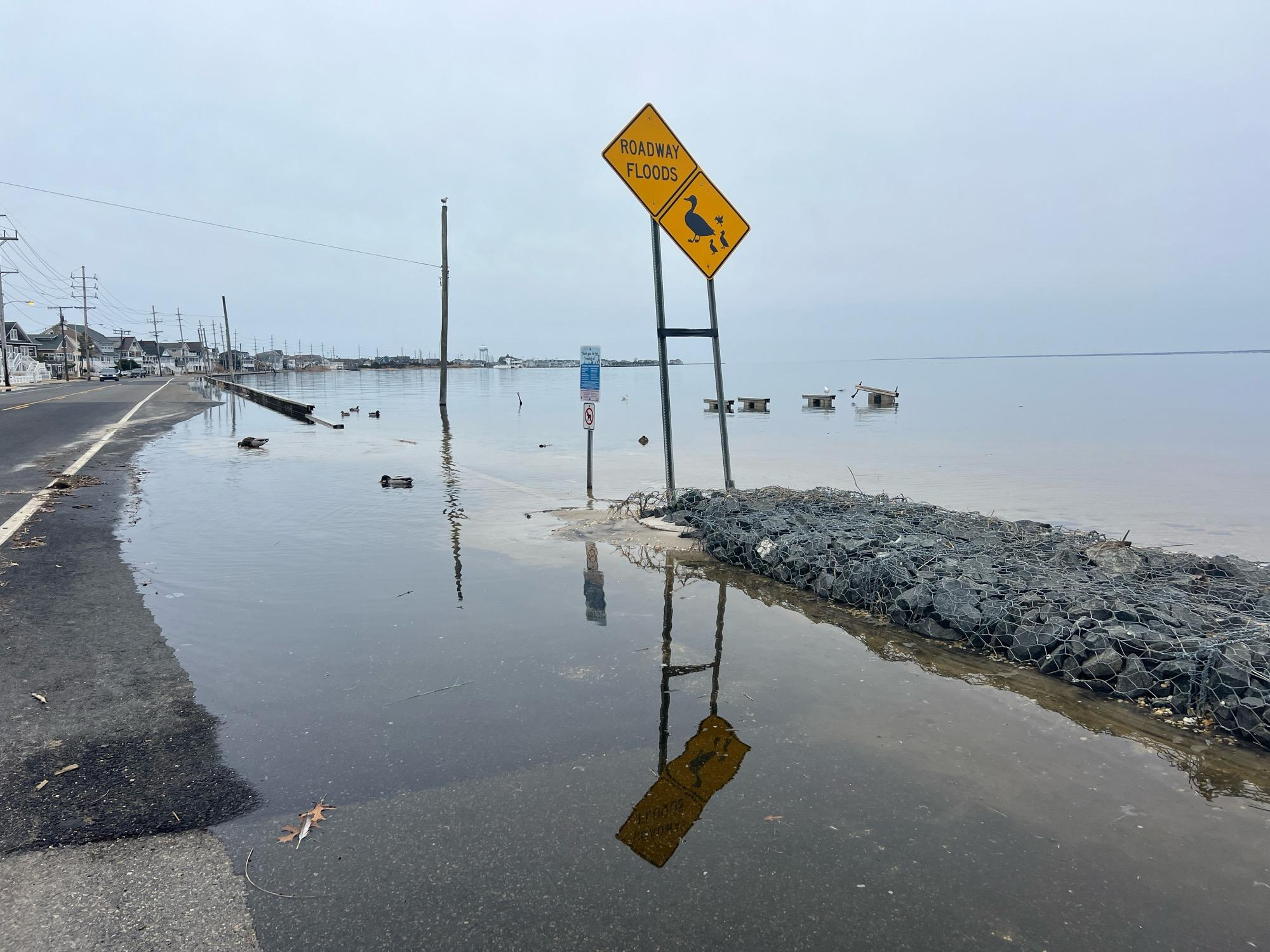
The extent of the damage depends on the salinity of the floodwater, the duration of inundation, soil composition and the amount of freshwater available to remove accumulated salts. Well-drained sandy soils may recover more quickly than poorly drained land where saline water remains trapped.
Research published by the U.S. Geological Survey has identified increasing salinity as an important challenge for freshwater-dependent coastal ecosystems and agricultural landscapes across the eastern United States.
The potential movement of saltwater into underground freshwater reserves represents another environmental concern. Many coastal communities depend on groundwater stored within geological formations known as aquifers. These underground resources supply water to residential wells, municipal utilities and agricultural operations.
Under normal conditions, freshwater and seawater exist within a complex underground system influenced by geological characteristics and differences in water pressure. When those conditions change, saline water may enter portions of an aquifer previously occupied by freshwater.
Scientists refer to this process as saltwater intrusion. It can occur gradually because of excessive groundwater withdrawals and rising sea levels, or more locally when storm-driven seawater floods land above shallow groundwater resources.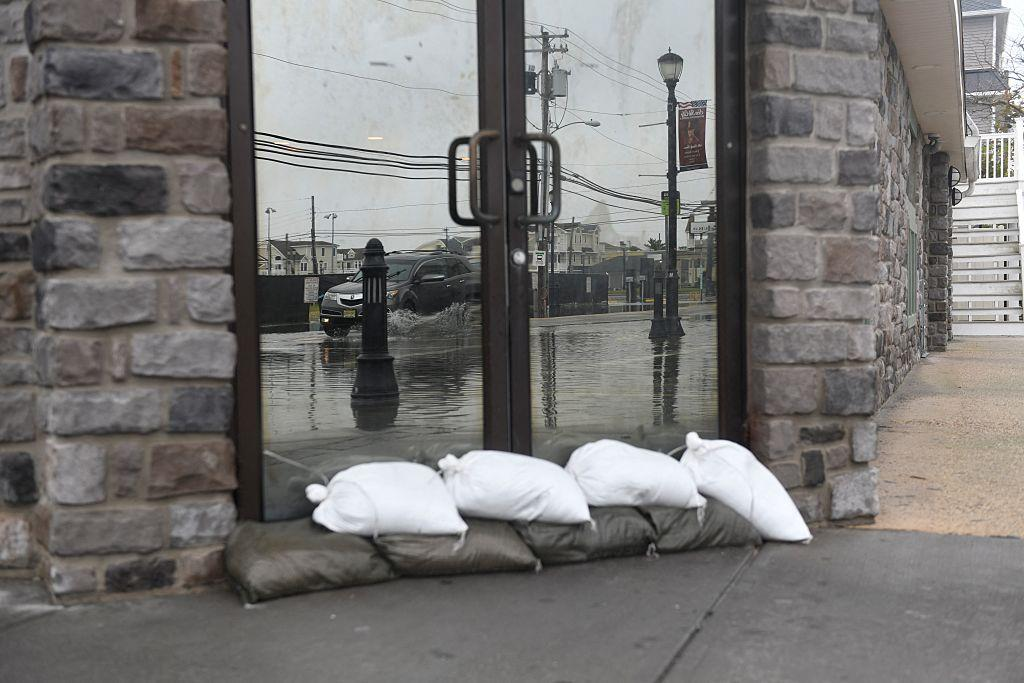
The U.S. Geological Survey identifies saltwater intrusion as a significant cause of declining groundwater quality in coastal regions. In severe cases, elevated salinity has forced communities to abandon particular water-supply wells or develop alternative sources.
The Thanksgiving storm has therefore highlighted a vulnerability that extends beyond the water visible on residential streets. However, additional measurements are necessary to establish whether the storm produced new groundwater contamination.
Long before the Thanksgiving storm, environmental authorities had identified saltwater intrusion as a challenge for portions of southern New Jersey. The state's coastal aquifers provide an important source of freshwater, but some underground reserves are particularly vulnerable because of their proximity to the Atlantic Ocean and Delaware Bay.
Planning documents from the Delaware River Basin Commission identified saltwater intrusion in observation wells associated with the Cohansey and Estuarine Sand aquifers in Lower Township and Middle Township in Cape May County. These findings predate the Thanksgiving storm and demonstrate that groundwater salinity was already an issue in parts of the region.
A major coastal flood could introduce additional pressure on vulnerable freshwater systems, particularly where shallow groundwater is exposed to seawater through surface inundation. The extent of any new contamination would depend on local geological conditions and the movement of water through underground formations.
The distinction between existing groundwater problems and new storm-related contamination will be important during subsequent investigations. Environmental specialists may need to compare recent water samples with historical measurements to determine whether salinity has increased following the storm.
The consequences of saltwater intrusion could become particularly significant for households that rely on private drinking water wells. Unlike municipal water systems, private wells generally depend on property owners to arrange regular testing and maintenance.
When floodwaters surround a private well, contamination may occur through damaged well components or the movement of polluted water into shallow underground reserves. Floodwater may also contain sewage, petroleum products, household chemicals and other substances that present additional health risks.
Another important concern involves the Delaware River estuary, where freshwater flowing downstream meets seawater originating in Delaware Bay. The location of this transition changes in response to river flow, tides and other environmental conditions.
The Delaware River Basin Commission monitors an indicator known as the salt front to evaluate how far ocean-derived salinity has moved upstream. Managing that boundary helps protect important freshwater resources used by residential communities and industrial facilities.
According to the commission, major drinking water intakes within the tidal Delaware River supply more than 1.3 million people across Philadelphia, southeastern Pennsylvania and southern New Jersey. Maintaining sufficient freshwater flow is therefore an important responsibility for regional water management authorities.
Storm-driven coastal flooding and longer-term changes in salinity represent different processes, although both can affect freshwater management. Determining whether the Thanksgiving storm produced a significant change in drinking water conditions will require actual measurements from monitoring stations and water treatment facilities.
For residents whose properties were inundated, the financial consequences may continue long after emergency crews complete their work. Removing standing water represents only the first stage of recovery. Buildings may also require structural inspections, electrical repairs, replacement of damaged materials and professional treatment to prevent mold growth.
Businesses face similar challenges, particularly when equipment, merchandise and commercial premises are exposed to seawater. Temporary closures can interrupt revenue during the holiday shopping season, while repairs may generate additional expenses.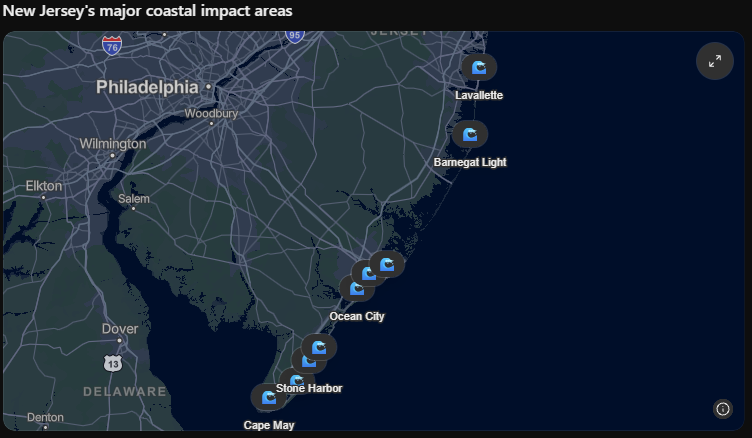
The most significant evidence of the storm's severity emerged from southern New Jersey, where unusually high water levels affected several communities along the Atlantic coastline and surrounding bays.
Cape May and the southern barrier islands experienced particularly serious conditions. According to ABC News, Cape May recorded its highest tide on record, reaching 9.41 feet on Thanksgiving. Preliminary storm reports also identified extensive flooding in Wildwood, where authorities restricted nonessential travel because of dangerous road conditions.
Stone Harbor and Avalon also experienced transportation restrictions. Preliminary weather reports indicated that floodwaters reached depths of approximately two to three feet in portions of Stone Harbor. Such conditions can expose ground-level structures, vehicles and local utility infrastructure to substantial damage.
Ocean City residents experienced flooding that restricted access to their properties. The Associated Press reported that one family remained inside its home for six hours after floodwaters surrounded the property and entered the garage. Barnegat Bay and Ocean County faced a combination of powerful winds and coastal inundation. Preliminary storm reports identified gusts reaching approximately 71 mph at Barnegat Light, alongside reported property damage in Lavallette. The interconnected waterways surrounding Barnegat Bay create additional exposure for low-lying communities located away from the oceanfront.
The New Jersey government's emergency announcement identified Atlantic, Bergen, Burlington, Cape May, Cumberland, Essex, Hudson, Middlesex, Monmouth, Ocean, Salem and Union counties as areas covered by coastal flood warnings ahead of Thanksgiving.
Nevertheless, the level of danger varied considerably within each county. Elevation, proximity to waterways, local drainage systems and protective infrastructure all influenced the severity of flooding at individual properties.
For environmental investigators, the locations of greatest concern will include areas where seawater remained on land for extended periods, properties dependent on shallow private wells and agricultural areas with limited drainage.
Scientific research demonstrates that saltwater contamination following coastal storms can persist for months under unfavorable conditions. Following Hurricane Katrina in 2005, USGS researchers monitored affected Louisiana wells into June 2006, documenting gradual improvements in indicators of saltwater intrusion.
For the affected New Jersey communities, the duration of recovery will depend on the severity of individual flooding events, subsequent rainfall, soil drainage and the condition of underground freshwater reserves. Some properties may recover relatively quickly, while others could require repeated environmental testing or extensive repairs.
As November draws to a close, the immediate coastal emergency is giving way to a more detailed assessment of property damage and environmental conditions. The record tides at Cape May and the severe flooding reported around Atlantic City and Stone Harbor have established the magnitude of the storm.
Comments (0)
Loading comments...
May You Like

EAST COAST STORM CRISIS—5 MILLION AT RISK OF BLACKOUTS, WATER, AND HEATING FAILURES!

COASTAL DISASTER — 112 KM/H WINDS, SEAWATER FLOODING, 79,000 NEW JERSEY HOMES AT RISK!

WEYMOUTH HORROR — FIRE TRUCK BRAKES TO SAVE DOG, ONE FIREFIGHTER DEAD, TWO CRITICAL!
Latest Posts









Popular Posts



