Canada-U.S. Border Policy Must Rise Above Political Disagreements


Canada and the United States are facing their sharpest political and trade disagreements in years, but officials on both sides continue to have practical reasons for keeping their shared border secure, orderly, and open.
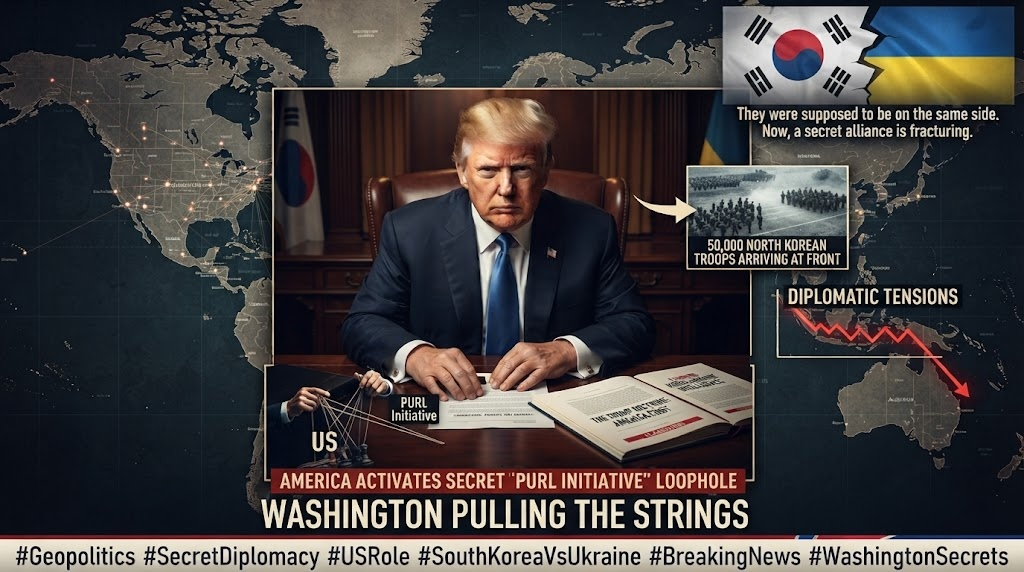
The uploaded image presents a dramatic political message involving Donald Trump, the American and Canadian flags, and a call to exclude Trump and MAGA supporters from Canada.
That message should be understood as editorial content rather than evidence of an official Canadian policy. Canada’s actual border strategy remains focused on security, lawful travel, trade, and cooperation.
Canada has invested C$1.3 billion in its Border Plan, strengthening personnel, surveillance technology, intelligence capabilities, and coordination against organized crime, illegal migration, fentanyl, and other cross-border threats.
Canadian authorities say approximately 10,000 frontline personnel are involved in border operations, with additional officers and technologies being added to improve surveillance and enforcement along the Canada-U.S. frontier.
The government also reports that irregular crossings from Canada toward the United States declined substantially, while border agencies have expanded intelligence sharing and operational coordination with American counterparts.
These measures illustrate an important distinction: political disagreements between governments do not automatically require ordinary travelers, families, workers, or businesses to be treated as political adversaries.
Canada and the United States share one of the world's most economically integrated borders. Communities on both sides depend on tourism, transportation, agriculture, manufacturing, energy, and regular personal connections.
Recent tensions have nevertheless affected border communities. Reporting from Fort Frances, Ontario, and International Falls, Minnesota, described declining cross-border visits and spending as trade disputes and political tensions changed consumer behavior.
The economic dispute intensified in September after Canada introduced retaliatory tariffs on approximately C$20 billion of American exports, following Washington's additional restrictions and tariffs on Canadian products.
Those measures have consequences beyond government offices. Businesses operating near the border can face higher costs, changing customer patterns, supply-chain uncertainty, and reduced confidence when political disagreements become prolonged.
Prime Minister Mark Carney has emphasized Canadian sovereignty and economic resilience while continuing to communicate with Washington, demonstrating that disagreement over policy does not necessarily eliminate the need for diplomatic engagement.
Carney's government is simultaneously pursuing stronger relationships with other international partners. During his September European visit, Canada sought deeper cooperation with the European Union in trade, defense, and digital security.
The diversification strategy does not mean Canada must abandon its relationship with the United States. Instead, Ottawa has presented broader international partnerships as another way to strengthen Canada's economic resilience.
Border security presents an especially clear case for practical cooperation. Canada says its agencies continue sharing intelligence and coordinating with American authorities against transnational organized crime, drug trafficking, money laundering, and other threats.
Canada has also established a North American Joint Strike Force involving multiple jurisdictions to target organized crime, fentanyl trafficking, precursor chemicals, and money laundering through coordinated enforcement efforts.
These programs demonstrate why separating security cooperation from political disagreements can matter. Criminal networks and illicit trafficking do not stop operating simply because governments disagree over tariffs, rhetoric, or foreign policy.
For Canadians, maintaining secure borders does not require hostility toward Americans. Likewise, defending Canadian interests does not necessarily require abandoning longstanding relationships between neighboring communities.
The challenge for policymakers is therefore to protect national sovereignty and public safety while keeping legitimate movement, commerce, family connections, and diplomatic communication functioning wherever possible.
As trade negotiations continue, the border will remain an important test of whether Washington and Ottawa can distinguish political disagreement from practical cooperation that benefits communities on both sides.
The image captures the intensity of the current debate, but the documented policy picture is more measured: Canada is strengthening its borders while maintaining operational cooperation with the United States.
Image note: The uploaded graphic is an editorial political illustration. Its call for a permanent ban on Trump and MAGA supporters is not evidence of an official Canadian border policy or a nationwide Canadian position.
Comments (0)
Loading comments...
May You Like

Jack Smith Defends His Integrity as Trump Investigations Face Renewed Political Firestorm
OBAMA STUNS ON INSTAGRAM: MESSAGE MARKING 34-YEAR MILESTONE SPARKS A BUZZ

FIGHT OVER OBAMA’S IRAN POLICY