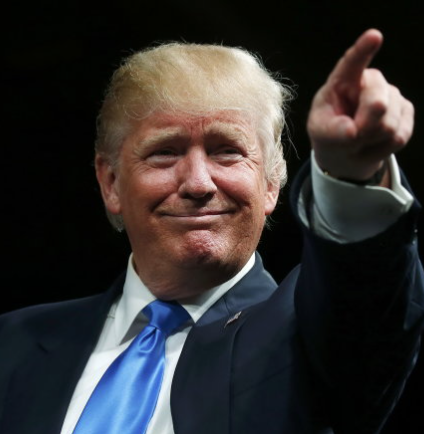
Canadian Leaders Push Back as Trump Escalates Trade Pressure on Ottawa
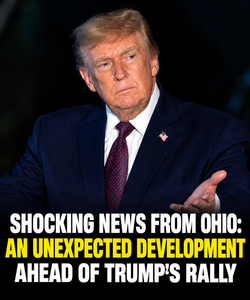
OTTAWA — Relations between Canada and the United States remain tense as President Donald Trump continues imposing tariffs and issuing warnings, while Canadian officials pursue retaliation and seek stronger economic ties beyond Washington.


The latest confrontation follows the collapse of formal trade negotiations in August, after Canadian Prime Minister Mark Carney said Washington had proposed terms Ottawa considered unacceptable.
Canada subsequently introduced retaliatory tariffs covering approximately $20 billion in American exports, targeting sectors including steel, dairy, agricultural equipment, appliances, pulp and paper, and electronics.
The Trump administration responded with additional restrictions on Canadian products, including certain alcoholic beverages and dairy goods, while also expanding tariffs affecting other Canadian exports.
The White House said the measures were intended to respond to what it described as discriminatory treatment of American commerce and Canadian retaliation against U.S. products.
Canadian officials have rejected Washington's characterization of the dispute, arguing that Canada's trade measures were responses to American tariffs and designed to protect Canadian businesses.
Carney has repeatedly emphasized that Canada wants a stable relationship with the United States but will not accept trade arrangements that, in his government's view, compromise Canadian sovereignty.
In August, Carney said Canada sought to preserve tariff-free access for most Canadian businesses while reducing American tariffs on strategic industries and protecting small and medium-sized companies.
The dispute expanded beyond tariffs in September, when Trump directed U.S. agencies to remove Canadian-origin products from certain government procurement arrangements unless Canada restored what Washington described as fair reciprocity.
The White House announced that some new import bans would take effect later in September, adding further pressure to an already strained commercial relationship.
Carney has meanwhile pursued a strategy of diversifying Canada's economic partnerships, including closer cooperation with European countries in trade, defense, energy, technology and critical minerals.
That approach became particularly visible after European Commission President Ursula von der Leyen proposed exploring associate membership for Canada within the European Union.
Trump responded by warning that such an arrangement could be considered a hostile act and threatened potentially severe tariffs against Europe if he concluded the initiative had unfriendly intentions.
Speaking to the European Parliament, Carney supported deeper Canada-EU cooperation, saying Canada wanted stronger partnerships that could protect its markets, sovereignty and ability to establish international agreements.
The European Commission has said the proposed relationship with Canada was intended to strengthen cooperation rather than target the United States or any other country.
The dispute has also prompted Canada to explore broader international relationships, with Ottawa emphasizing new export opportunities and partnerships that could reduce its dependence on the American market.
At the same time, Canadian and American officials have continued communicating despite the formal pause in negotiations, leaving open the possibility of renewed discussions.
On September 25, U.S. Trade Representative Jamieson Greer said President Trump was comfortable with the current position and felt no urgency to reach a new agreement with Canada.
Canadian Trade Minister Dominic LeBlanc has similarly indicated that Canadian officials remain in contact with American counterparts, although there are currently no formal negotiations scheduled in Washington.
The economic stakes are substantial because the United States remains Canada's largest trading partner, while American industries also rely heavily on Canadian supplies of energy, minerals and other commodities.
The confrontation therefore extends beyond individual tariff announcements, involving questions about supply chains, market access, energy security, industrial policy and the future structure of North American economic relations.
For Canadian policymakers, the immediate challenge is balancing continued economic cooperation with the United States against efforts to develop alternative markets and strengthen Canada's ability to withstand future trade disputes.
For Washington, the dispute represents another test of its broader tariff strategy, while Canadian officials continue arguing that negotiations should focus on predictable market access and mutually agreed terms.
As September draws to a close, neither side has announced a comprehensive settlement, and the next phase of Canada-U.S. relations will depend heavily on whether negotiations eventually resume and what terms both governments are prepared to accept.
Sources: Reuters, Associated Press, the White House, Government of Canada, Global News and other recent reporting were consulted to provide context and verify the developments described above.
Comments (0)
Loading comments...
May You Like
Barack Obama Draws Attention With New Literary Podcast

Jack Smith Defends His Integrity as Trump Investigations Face Renewed Political Firestorm