
CARIBBEAN PRINCESS BOMBSHELL: 600 SICK, MYSTERY VIRUS—RUSSIAN PLAGUE RESEARCHER IS FIRST KNOWN CASE!
CARIBBEAN PRINCESS BOMBSHELL: 600 SICK, MYSTERY VIRUS—RUSSIAN PLAGUE RESEARCHER IS FIRST KNOWN CASE!
FORT LAUDERDALE, Florida — November 25, 2026 — A gastrointestinal illness outbreak aboard Caribbean Princess has affected 268 passengers and crew members following a 12-day international voyage carrying more than 4,000 people, according to updated findings released by the U.S. Centers for Disease Control and Prevention.
The findings have brought renewed attention to the distinction between identifying a disease and determining exactly how an outbreak began.
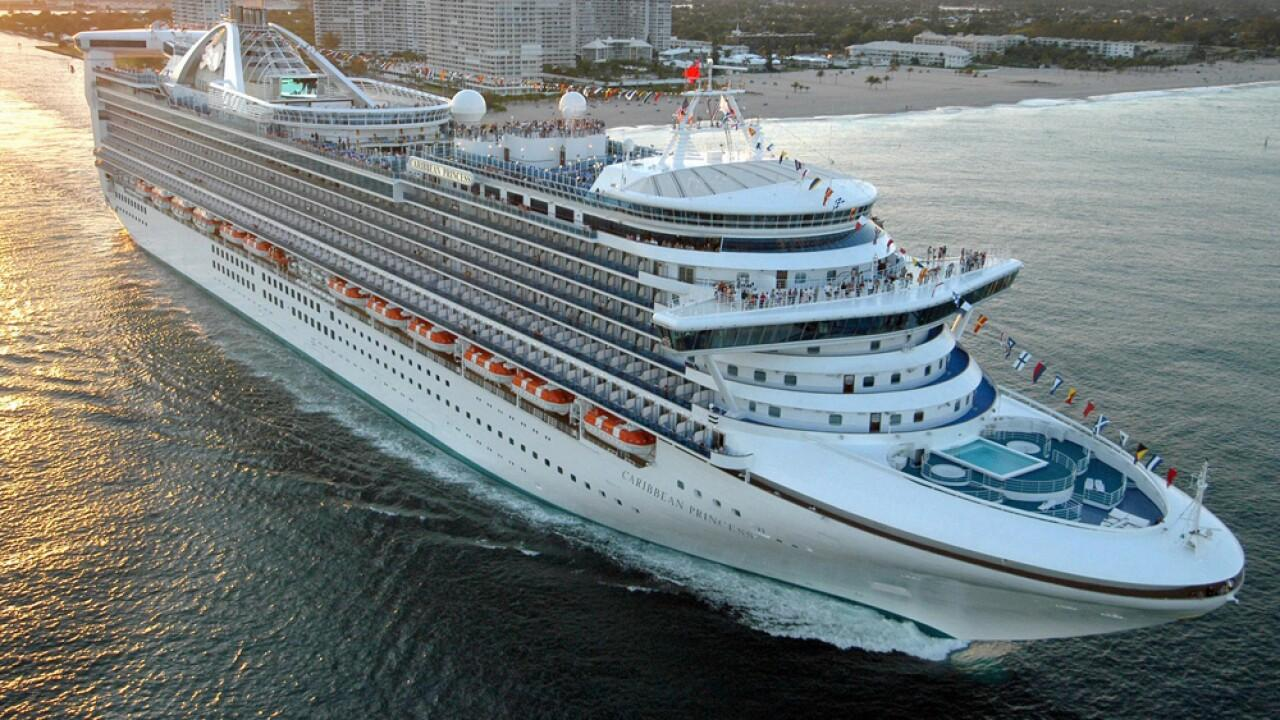
The outbreak occurred during voyage B638, which began on November 11 and concluded on November 23. The ship carried 2,936 passengers and 1,132 crew members.
The presence of thousands of people within a shared environment presented a considerable challenge for medical personnel responsible for identifying illnesses and preventing further transmission.
Unlike an outbreak occurring within a relatively small community on land, a cruise ship brings together travelers from different locations. Passengers and employees share public facilities while maintaining different schedules and participating in numerous activities.
Determining how an infectious agent entered such an environment can be complicated by differences in individual travel histories and the timing of symptoms.
A passenger may have been exposed before boarding, while another may have contracted the illness during the voyage. Several individuals could also have acquired infections through a common source.
Identifying the relationship between these possibilities is an important part of reconstructing an outbreak.
The CDC received notification of the outbreak on November 15, just four days after Caribbean Princess began its journey.
Norovirus symptoms generally develop between 12 and 48 hours after exposure. An individual may therefore become infected well before experiencing recognizable illness.
Some passengers may initially attribute their symptoms to seasickness, dietary changes or other ordinary travel-related conditions.
Others may experience relatively mild symptoms and recover without immediately notifying medical personnel.
This creates a distinction between the earliest infection and the earliest documented case.
Reconstructing the period before November 15 would require information about when individual passengers first became symptomatic and what exposures they experienced beforehand.
An earlier CDC report dated November 17 recorded 134 passenger illnesses and 14 affected crew members.
By November 24, those figures had increased to 233 passengers and 35 crew members, representing 120 additional reported illnesses.
CDC+1
The increase amounted to approximately 81% over the earlier total. Nearly 8% of passengers reported becoming ill during the voyage.
Outbreak reports frequently change as additional medical information is collected. An increase in the cumulative total may reflect newly occurring illnesses, delayed reporting or the consolidation of previously documented cases.
Understanding how these figures were compiled is essential when assessing the severity of the incident.
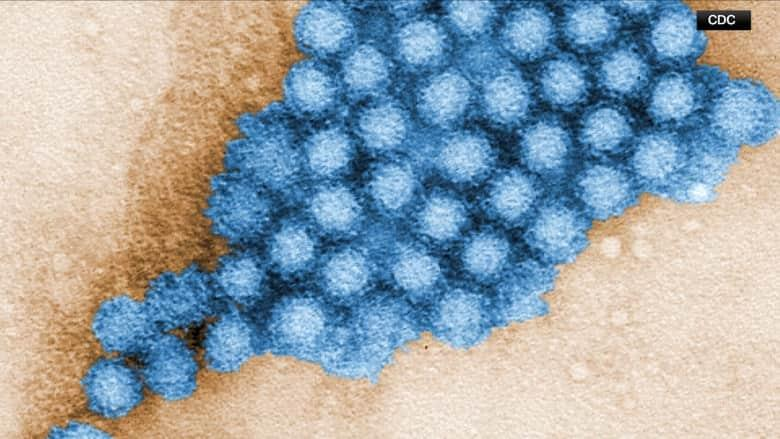
The identification of norovirus provides a medical explanation consistent with the predominant symptoms documented aboard Caribbean Princess, including vomiting and diarrhea.
Norovirus is an established cause of acute gastroenteritis and is responsible for outbreaks in numerous environments, including hospitals, schools, restaurants and cruise ships.
Although the illness is commonly associated with vomiting and digestive discomfort, symptoms alone are insufficient to determine its precise cause.
Different infectious agents can produce similar clinical effects. Laboratory testing is therefore important when health officials attempt to distinguish between viral, bacterial and other causes of gastrointestinal illness.
The CDC explains that identifying a causative agent may take time because investigators must obtain appropriate specimens from affected individuals and complete the necessary examinations.
In some outbreaks, insufficient samples or symptoms developing after passengers return home can complicate that process.

Questions involving plague require an understanding of the substantial biological differences between the two diseases.
Plague is caused by the bacterium Yersinia pestis. Norovirus, by contrast, is a virus primarily associated with gastrointestinal illness.
The pathogens differ in their biological characteristics, clinical presentation and medical treatment.
Plague can cause severe systemic illness and requires prompt antibiotic treatment. Norovirus treatment generally focuses on managing symptoms and preventing dehydration.
A diagnosis involving plague would require clinical and laboratory evidence supporting the presence of the relevant bacterium.
The published Caribbean Princess report provides no such finding.
Nor does it identify a scientist specializing in plague research as an affected passenger or the original source of infection.
Such a connection would require independent medical and epidemiological evidence.
Perhaps the most consequential unanswered question involves the circumstances surrounding the earliest recognized case.
The first recognized patient is commonly described as the index case. That individual may bring an outbreak to the attention of medical personnel after other infections have already occurred.
Investigators must therefore distinguish between the first documented illness and the original source.
On Caribbean Princess, the identity of the earliest recognized patient could potentially help establish when symptoms first appeared.
However, determining whether that individual introduced the infection would require considerably more information.
Investigators would need to examine previous exposures, potential contact with other affected individuals and the relationship between the earliest illnesses.
Cruise ships contain numerous environments where infectious illnesses can spread among passengers and employees.
Restaurants, entertainment facilities, elevators and public restrooms accommodate large numbers of individuals throughout the day.
Norovirus can spread through direct contact with infected people or through contaminated food, water and surfaces.
An outbreak may consequently involve multiple related transmission events rather than one continuous chain connecting every affected person.
Health investigators must consider the possibility that an environment associated with numerous illnesses represents a location where the infection spread, rather than the place where it originally entered the vessel.
That distinction can influence the findings of an environmental assessment.
An examination of shared facilities may reveal opportunities for transmission without establishing precisely who introduced the virus.
When passengers report gastrointestinal symptoms, onboard medical personnel must evaluate their condition and determine whether their illnesses meet established reporting criteria.
The resulting records may contain information about symptoms, their onset, medical examinations and treatment.
For epidemiologists, the timing of these observations can be particularly valuable.
A chronological reconstruction of illnesses may help identify clusters of cases and reveal relationships that would otherwise be difficult to recognize.
However, the quality of such an investigation depends partly on the accuracy of information supplied by affected individuals.
These circumstances can leave gaps in the medical timeline, even when investigators have extensive records.
The CDC's Vessel Sanitation Program publishes outbreak summaries to inform the public about gastrointestinal illnesses aboard cruise ships within its jurisdiction.
These summaries provide information about affected voyages and the scale of reported illnesses. They are not designed to reproduce the complete medical history of every individual involved.
The agency generally publicizes qualifying outbreaks when at least 3% of passengers or crew report gastrointestinal symptoms meeting its surveillance criteria.
Individual medical records may contain sensitive information subject to privacy requirements. Public health authorities can therefore investigate personal exposure histories without releasing identifying details.
The absence of those details from a public summary should not automatically be interpreted as evidence that authorities are concealing the origin of an outbreak.
In some investigations, the original source may simply remain unknown.
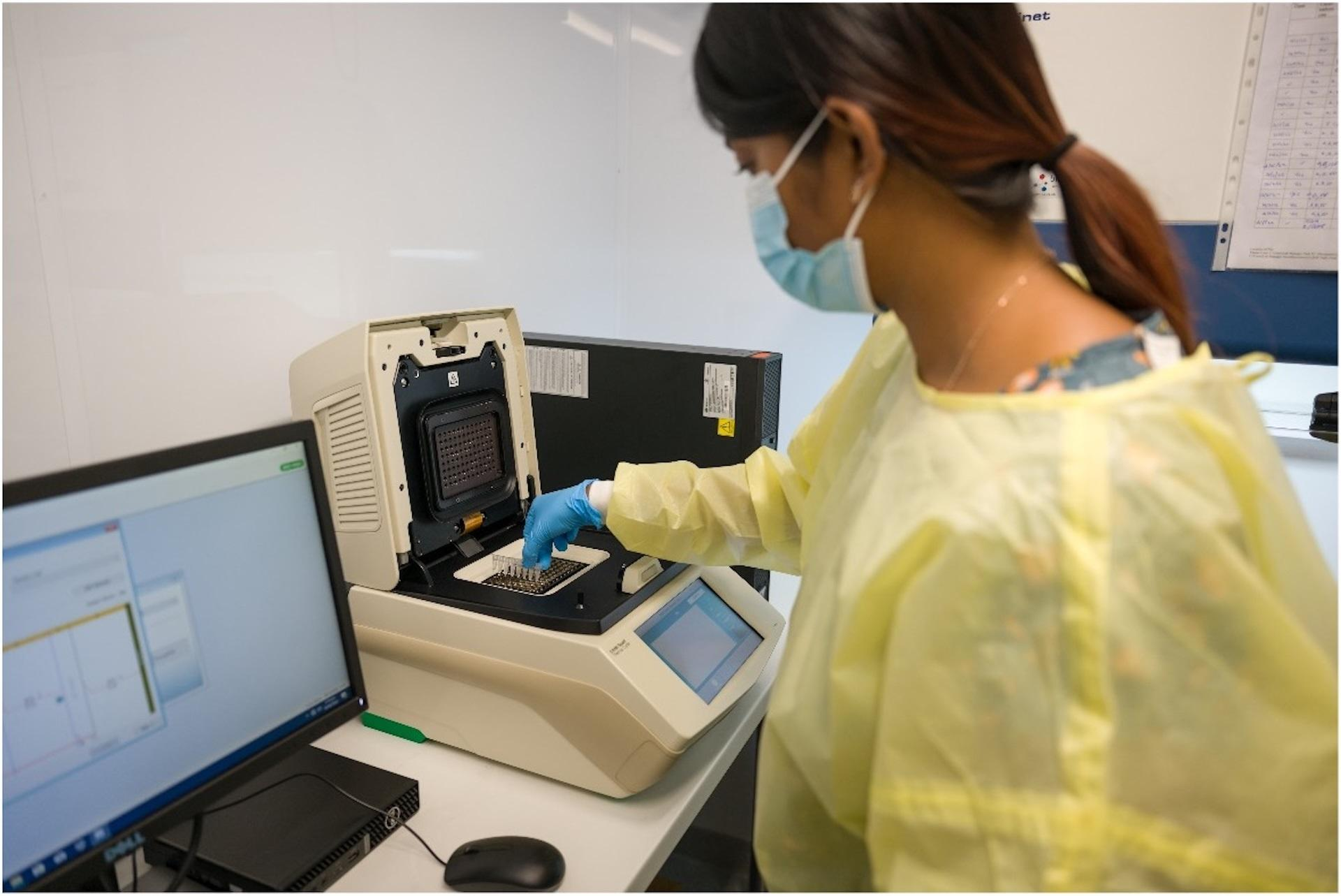
Laboratory testing represents one of the most important components of an infectious disease investigation.
When several patients experience similar symptoms, testing can establish whether their illnesses are associated with the same pathogen.
Two passengers may have acquired the virus from one another, or both may have encountered a separate common source.
Additional epidemiological information is needed to distinguish between those possibilities.
Investigators may also examine whether the earliest documented cases differ from illnesses reported later in the outbreak.
These assessments can help develop a clearer understanding of how an infectious agent moved through a particular population.
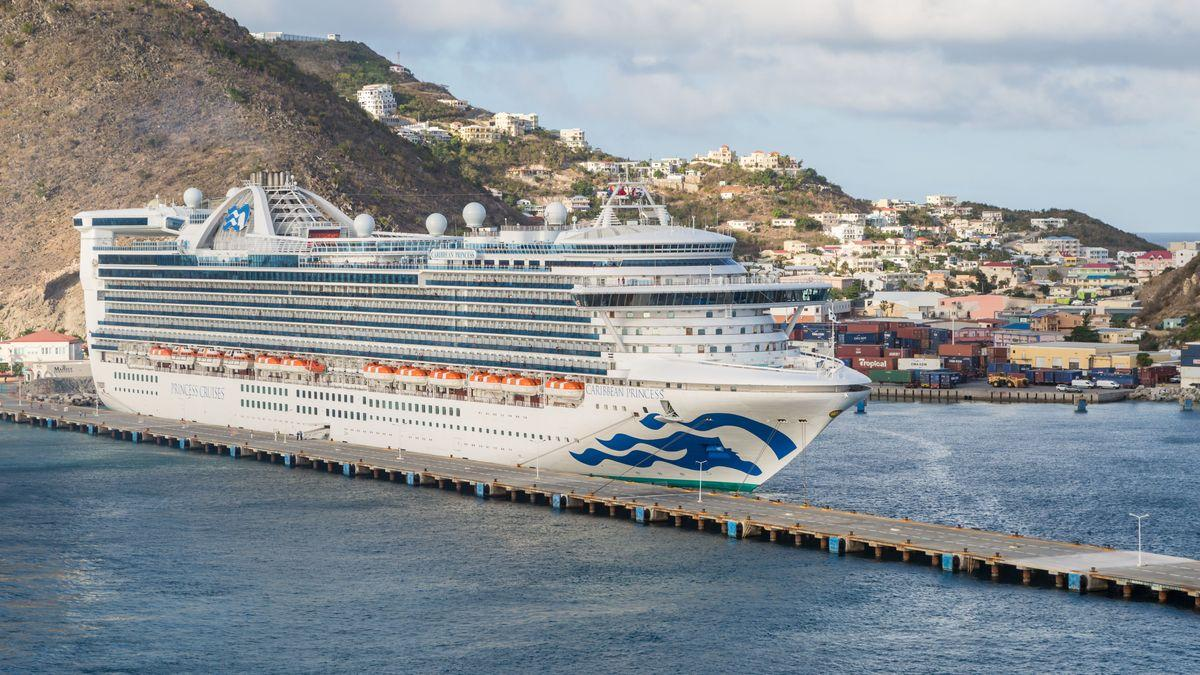
Princess Cruises reported implementing enhanced disinfection measures and separating symptomatic passengers and crew members from others. Medical specimens were obtained for testing, while federal specialists participated in an onboard environmental investigation.
The response was intended to reduce further transmission while the voyage's medical situation was assessed.
Such measures can be disruptive because cruise ships must continue providing essential services to thousands of individuals.
Passengers experiencing illness may need to remain in their cabins. Crew members may be temporarily unable to perform their regular duties.
Medical personnel must also consider whether someone requires additional care beyond routine symptom management.
Although many norovirus infections resolve within several days, dehydration can create complications, especially among older passengers and individuals with underlying medical conditions.
The official total reflects illnesses documented through the applicable surveillance process.
Others may become symptomatic after disembarkation, particularly if they were exposed near the end of the voyage.
The CDC acknowledges that illness reporting and identifying the causative agent can become more complicated when symptoms develop after travel has concluded.
For that reason, published outbreak totals should be understood as documented case counts rather than a perfect measurement of every infection.
Deaths, hospitalizations and laboratory-confirmed infections represent different medical outcomes.
Each requires its own supporting documentation.
Federal surveillance records reveal that Caribbean Princess experienced another norovirus outbreak during a voyage between April 28 and May 11, 2026.
That incident affected 145 of its 3,116 passengers and 15 of its 1,131 crew members.
The total was 160 reported illnesses, compared with 268 during the November voyage.
CDC
The two incidents provide a basis for examining how effectively infection-prevention procedures operate aboard large cruise vessels.
A comprehensive assessment could consider employee training, the detection of early symptoms, sanitation procedures and the speed at which preventive measures are introduced.
Each incident occurs under different circumstances and requires an independent epidemiological examination.
The earlier outbreak is particularly relevant because it establishes that the vessel had encountered the same type of infectious disease months before the November incident.
A maritime emergency involving approximately 200 fatalities would be fundamentally different from an outbreak involving several hundred reported cases of gastrointestinal illness.
Such an event would represent nearly 5% of everyone aboard Caribbean Princess.
Establishing that level of mortality would require substantial corroboration through official announcements, medical documentation and independent reporting.
Nor does an increase in reported illness provide evidence that affected patients subsequently died.
Norovirus can cause serious complications in vulnerable individuals, but its capacity to cause severe illness must be distinguished from the actual medical outcomes of a particular outbreak.
The publicly documented incident establishes a substantial number of gastrointestinal illnesses. It does not substantiate a mass-fatality emergency.
The Caribbean Princess investigation illustrates the difference between identifying a pathogen and reconstructing the precise events that produced an outbreak.
Federal authorities have identified norovirus. The published statistics establish that hundreds of passengers and crew members reported illness during the voyage.
What remains absent from the public summary is a detailed account of the earliest recognized case and the original exposure that introduced the virus into the ship's population.
Determining whether that exposure occurred before boarding, during the journey or through a shared source would require additional epidemiological evidence.
For federal health officials and Princess Cruises, the continuing challenge is assessing the effectiveness of the outbreak response and strengthening measures intended to prevent future incidents.
The most consequential question is how the infection spread among thousands of travelers — a question that can ultimately be answered only through medical records, laboratory findings and documented exposure histories.
Comments (0)
Loading comments...
May You Like

TRUMP CALLED FOR KIMMEL’S FIRING—THE FCC ACTED THE VERY NEXT DAY

PACIFICA PIER IN CALIFORNIA COLLAPSE REVEALS MASSIVE CRACK BENEATH THE OCEANs!

10,000 CIA AND U.S. SPY RECORDS LEAKED—3 INTELLIGENCE AGENCIES ORDER EMERGENCY REVIEWS!









Popular Posts



