
CARIBBEAN PRINCESS: MYSTERY VIRUS—FIRST KNOWN CASE IS A CHINESE PASSENGER WITH 4,000+ PEOPLE ABOARD!
CARIBBEAN PRINCESS: MYSTERY VIRUS—FIRST KNOWN CASE IS A CHINESE PASSENGER WITH 4,000+ PEOPLE ABOARD!
FORT LAUDERDALE, Florida — November 25, 2026 — A gastrointestinal illness outbreak aboard the Caribbean Princess cruise ship has affected 268 passengers and crew members, according to updated figures released by the U.S. Centers for Disease Control and Prevention, following a 12-day voyage carrying more than 4,000 people.
The latest CDC report, published November 24, identified norovirus as the causative agent, ending several days of uncertainty surrounding the illness that emerged during the ship's voyage through the Caribbean and Central America.
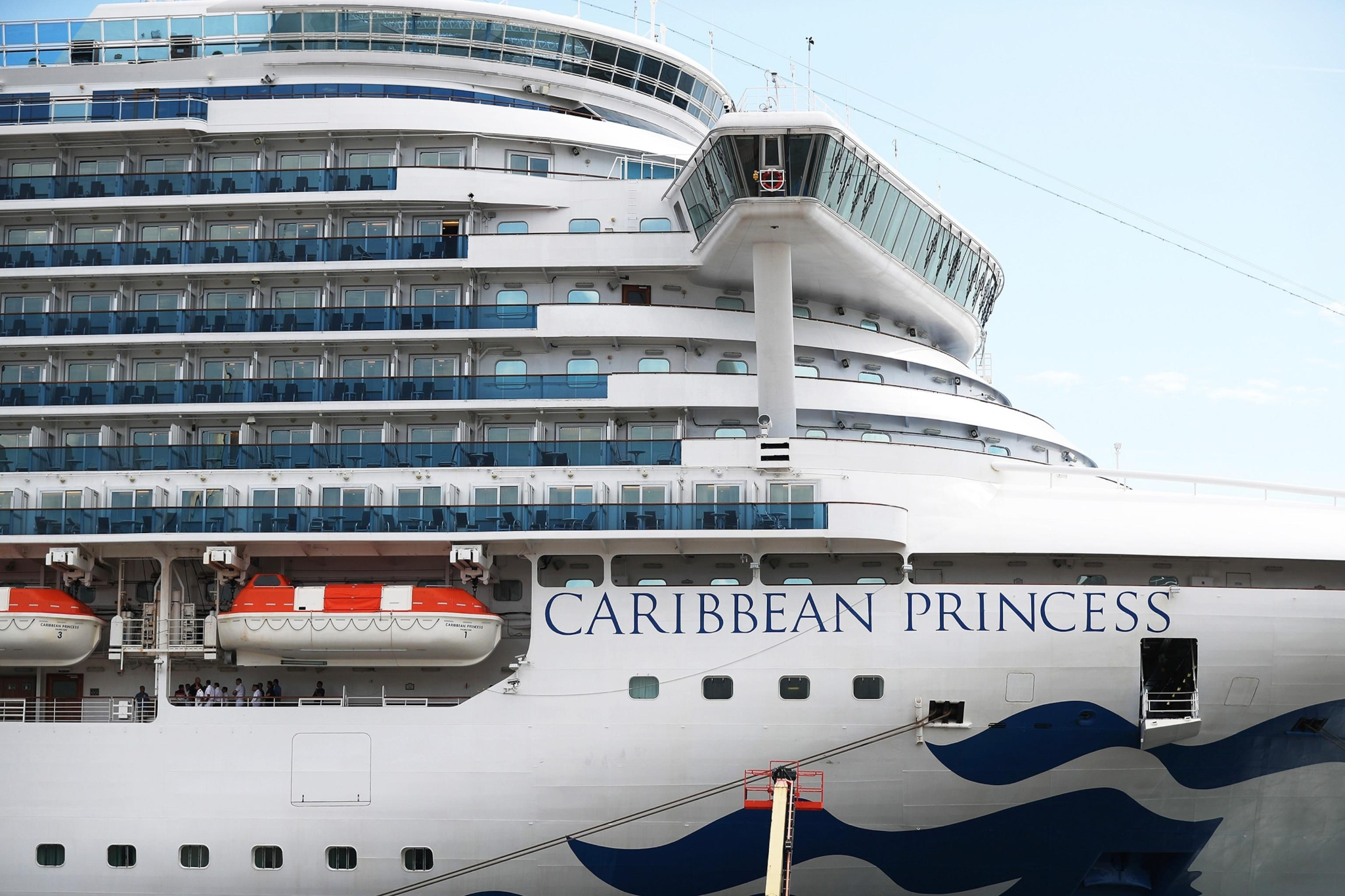
Caribbean Princess departed Port Everglades on November 11 for a round-trip voyage that included destinations in the Dutch Caribbean, Colombia, Panama, Costa Rica and Grand Cayman.
The itinerary offered passengers an opportunity to visit several countries and participate in activities both aboard the vessel and at international ports.
However, reports of gastrointestinal illness emerged during the voyage, leading to an official notification to the CDC's Vessel Sanitation Program on November 15.
The investigation presented a significant public health challenge. Unlike an outbreak occurring within a single building on land, an outbreak aboard an international cruise ship involves a moving environment where thousands of people share dining facilities, entertainment venues and other communal spaces.
Passengers may also leave the vessel during scheduled port visits before returning to continue their journey.
Determining whether an illness originated aboard the ship or was introduced from an external location can therefore require a detailed examination of individual travel histories and potential exposures.
One of the most significant developments in the Caribbean Princess investigation emerged after the vessel completed its voyage.
Earlier reports identified 134 affected passengers and 14 crew members. The CDC's updated assessment increased those figures to 233 passengers and 35 crew members.
The vessel carried 2,936 guests and 1,132 employees, bringing the total number of people aboard to 4,068.
CDC outbreak update — November 24, 2026
Total aboard
4,068
Reported illnesses
268
Passenger cases
233
7.9% of passengers
Crew cases
35
3.1% of crew
Increase in reported cases
Earlier
148
Nov. 24
268
120 additional reported illnesses, an increase of approximately 81%. Source: CDC.
The revised figures indicate that approximately 6.6% of everyone aboard reported illness during the voyage.
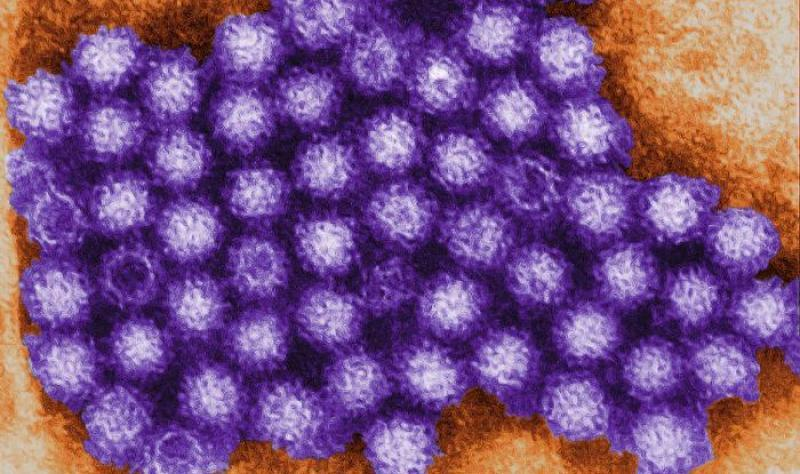 During the initial stages of the investigation, the CDC described the outbreak as gastrointestinal illness without immediately identifying its cause.
The terminology generated questions about whether authorities were dealing with a previously unidentified virus or another potentially dangerous infectious agent.
In medical reporting, however, gastrointestinal illness describes a category of symptoms rather than a specific diagnosis.
Several different infectious agents can produce similar symptoms, making it difficult for healthcare professionals to identify the responsible pathogen through clinical observations alone.
Speaking to CBS News Miami before the updated CDC findings were released, Dr. Aileen Marty, an infectious disease specialist at Florida International University, emphasized the importance of laboratory testing in determining the cause.
The November 24 update provided the answer that had been missing from early reports: norovirus.
Identifying the first person infected during an outbreak is often one of the most difficult aspects of an epidemiological investigation.
Public health specialists distinguish between the first documented patient and the person who originally introduced an infectious agent into a particular environment.
Establishing the origin of an outbreak may require interviews, medical records, travel information and an examination of the environments where affected individuals spent time.
Norovirus spreads readily through close contact with infected individuals and exposure to contaminated food, water or surfaces.
Cruise ships offer numerous opportunities for interaction among passengers and employees. Dining rooms, entertainment facilities, elevators and public restrooms are regularly used by large numbers of people.
An outbreak may therefore involve several overlapping chains of transmission rather than a single identifiable encounter.
The CDC describes norovirus as a recurring public health problem that affects a wide variety of environments, including healthcare facilities, restaurants and other locations where people gather.
Approximately 2,500 norovirus outbreaks are reported annually in the United States, with cases occurring throughout the year but becoming more common during the colder months.
The timing of the Caribbean Princess incident falls within that seasonal pattern.
The international nature of the voyage introduces several possibilities concerning the origin of the illness.
A passenger or employee could have been exposed before boarding in Florida. An infection could also have been introduced during a scheduled port visit or through another exposure associated with the voyage.
Alternatively, transmission could have developed entirely within the vessel following the introduction of the virus by an individual whose symptoms were initially undetected.
Determining which explanation applies requires evidence establishing a connection between particular exposures and subsequent illnesses.
Investigators generally examine when symptoms began and whether affected people participated in similar activities or consumed the same food.
For this reason, an international itinerary can make identifying the source of an outbreak particularly challenging.

The appearance of an infectious illness aboard a cruise ship inevitably recalls the experiences of the cruise industry during the COVID-19 pandemic.
Large outbreaks during that period demonstrated how quickly infectious diseases could spread among people living in shared environments.
However, norovirus and SARS-CoV-2 are fundamentally different pathogens.
Norovirus primarily causes acute gastrointestinal illness. COVID-19 is caused by a coronavirus that primarily affects the respiratory system, although gastrointestinal symptoms can also occur.
The laboratory identification of norovirus aboard Caribbean Princess provides a specific explanation consistent with the reported symptoms.
There is no evidence in the published outbreak findings connecting the incident to a deliberate biological release, the Chinese government or a coordinated operation involving Chinese nationals.
The important scientific questions concern the pathogen, its transmission and the circumstances of exposure.
When gastrointestinal illnesses emerge aboard a cruise ship, medical personnel must determine whether individual cases are related and whether their combined numbers indicate a developing outbreak.
This process requires more than recording the names of passengers who report feeling unwell.
Medical teams must assess symptoms, document their onset and determine whether affected individuals require supportive treatment.
Laboratory examinations can help distinguish between different pathogens that produce similar clinical effects.
Investigators must also consider whether illnesses reported at different stages of the voyage could be linked through shared exposures.
In the Caribbean Princess case, biological samples were collected for testing while the cruise operator introduced additional measures to control transmission.
The CDC also conducted an environmental assessment to examine conditions aboard the vessel and assist with the public health response.
Another important aspect of the investigation involves distinguishing between the number of people who became ill and those who may have been subject to preventive health measures.
Isolation generally involves separating individuals who are sick from others to reduce the possibility of further transmission.
Some passengers may have recovered before others developed symptoms.
Understanding that distinction is important when evaluating the scale of an outbreak and interpreting reports surrounding the ship's return to Florida.
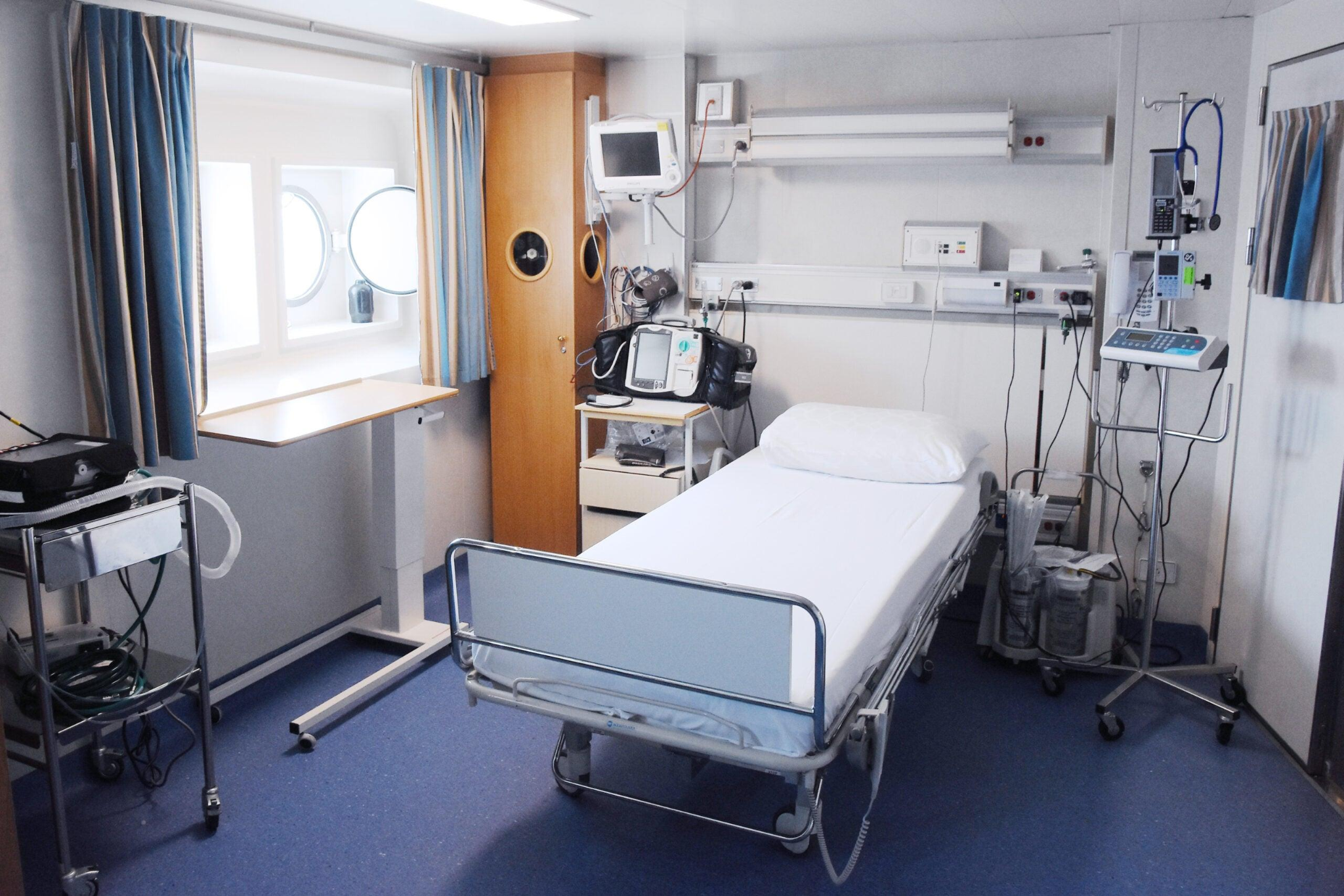 In response to the outbreak, Princess Cruises reported implementing additional cleaning and infection-control procedures throughout the vessel.
The operator also coordinated with federal health officials while medical personnel collected information concerning the affected passengers and employees.
These measures were designed to limit further transmission while investigators worked to identify the responsible pathogen.
For cruise operators, managing a gastrointestinal outbreak involves maintaining essential services while protecting passengers and employees from additional exposure.
That can require changes to ordinary routines, particularly in environments where large groups of people regularly interact.
Health authorities may examine whether the implemented measures were appropriate and whether additional procedures are necessary before subsequent voyages.
The effectiveness of an outbreak response can also depend on how promptly passengers report symptoms and cooperate with medical guidance.
CDC records document an earlier outbreak during a voyage that began on April 28 and ended on May 11.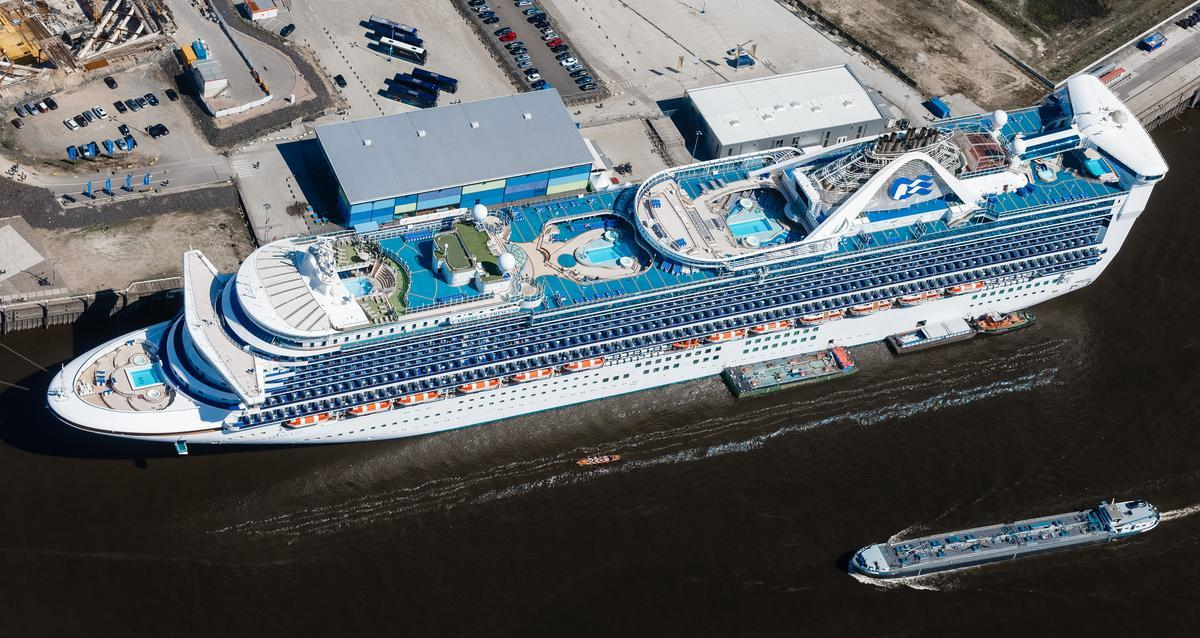
During that journey, 145 of the 3,116 passengers and 15 of the 1,131 crew members reported illness.
The earlier outbreak affected 160 people, compared with the 268 cases recorded during the November voyage.
Federal health officials also identified norovirus as the pathogen responsible for the May incident.
CDC
The recurrence raises legitimate questions about the continuing challenges of preventing gastrointestinal illness aboard vessels carrying thousands of international travelers.
Each incident requires its own epidemiological assessment.
The return of Caribbean Princess to Fort Lauderdale represents another important stage in the public health response.
Passengers completing an international cruise may subsequently travel to different cities and countries.
This possibility can complicate efforts to establish the complete number of people affected.
Before the ship returned, infectious disease specialists warned that additional illnesses could emerge among people who had already been exposed.
For public health investigators, the challenge involves determining whether subsequent reports are connected to the original outbreak or represent unrelated infections.
The updated CDC figures provide a clearer picture of the illnesses documented during the voyage, although they do not establish the complete medical history of everyone who traveled aboard the ship.
The latest federal report has resolved one of the central questions surrounding Caribbean Princess: the identity of the virus responsible for the outbreak.
Norovirus, an established cause of gastrointestinal illness, was identified following a voyage during which 268 people reported becoming sick.
What remains unresolved in the publicly available findings is the precise origin of the infection and the sequence of transmission that allowed it to reach passengers and employees.
They require epidemiological evidence connecting individual cases and potential sources of exposure.
For Princess Cruises and federal health authorities, the continuing priority is determining how the outbreak developed, evaluating the effectiveness of the response and reducing the likelihood of similar incidents on future voyages.
Comments (0)
Loading comments...
May You Like

THANKSGIVING CRISIS: NYC PARADE POSTPONED AFTER FBI WARNING—$900 MILLION LOST!

CHRIST THE REDEEMER CLOUDS MATCH POPE FRANCIS' CHILLING 2027 PROPHECY—THE FIRST SIGN APPEARS!

CHICAGO-BOUND AMERICAN AIRLINES HORROR: “GOD TOLD ME TO GET OFF THE PLANE!”








Popular Posts





