Carney Pushes Back on Trump Tariff Threat as Canada Moves Closer to Europe
September 23, 2026 — Canadian Prime Minister Mark Carney has defended Canada’s right to deepen ties with Europe after President Donald Trump threatened additional tariffs over a proposed new Canada-EU relationship.
Canadian Prime Minister Mark Carney is pushing ahead with closer European ties despite a new warning from President Donald Trump that Washington could respond with additional trade restrictions.
The confrontation followed European Commission President Ursula von der Leyen’s proposal that Canada become the European Union’s first “associate member,” an unprecedented designation whose precise legal structure has not yet been defined.
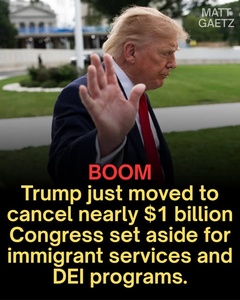
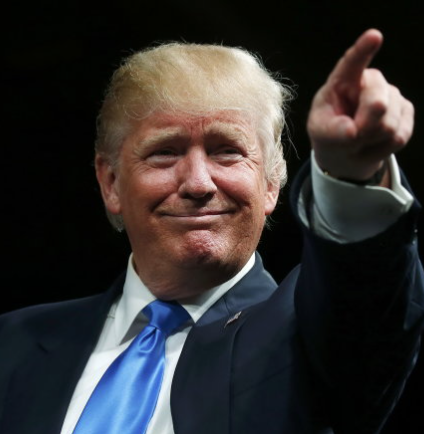
Trump reacted by calling the idea “laughable” and said the United States could impose very heavy tariffs or restrict trade if he concluded that Europe’s initiative represented a hostile act.
Asked publicly about Trump’s threat, Carney emphasized Canadian sovereignty, saying Canadians would determine their own culture, international relationships and agreements rather than allowing another government to dictate those choices.
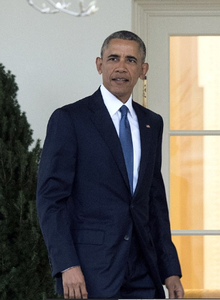
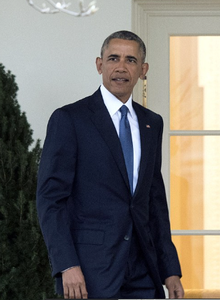
Social-media clips have focused heavily on Carney’s facial expression during questioning, including what some viewers describe as a smirk after Trump’s tariff warning was mentioned by reporters.
However, there is no verified statement from Carney explaining why he briefly smiled. Interpreting the expression as mockery, amusement or confidence therefore goes beyond what available reporting can establish.
Carney’s substantive response was more significant: he argued that Canada and Europe should cooperate more closely to protect their economies, democratic institutions and ability to make independent decisions.
Addressing the European Parliament in Strasbourg, Carney said Canada was not trying to establish another great-power bloc competing against Washington and Beijing, joking about becoming a rival with “better manners.”
Instead, he presented the proposed partnership as a strategy for resilience, saying countries should prevent outside powers from controlling their markets, weakening sovereignty or threatening their democratic institutions.
Carney received strong applause from European lawmakers as he declared that Canada and Europe were individually strong but would become stronger together through deeper economic, security and political cooperation.
The proposed alliance could expand collaboration in critical minerals, artificial intelligence, energy, defense, financial services, research, cybersecurity and other strategic sectors where both Canada and Europe want more secure supply chains.
Canada is not seeking conventional EU membership. Carney has instead described the objective as a customized relationship whose substance matters more than whatever formal title European governments eventually choose.
Von der Leyen’s “associate member” concept itself remains politically and legally uncertain because no established category with that name currently exists under the European Union’s institutional framework.
Any ambitious arrangement would therefore require detailed negotiations among Ottawa, Brussels and EU governments, including decisions about market access, regulations, defense cooperation and movement between Canada and Europe.
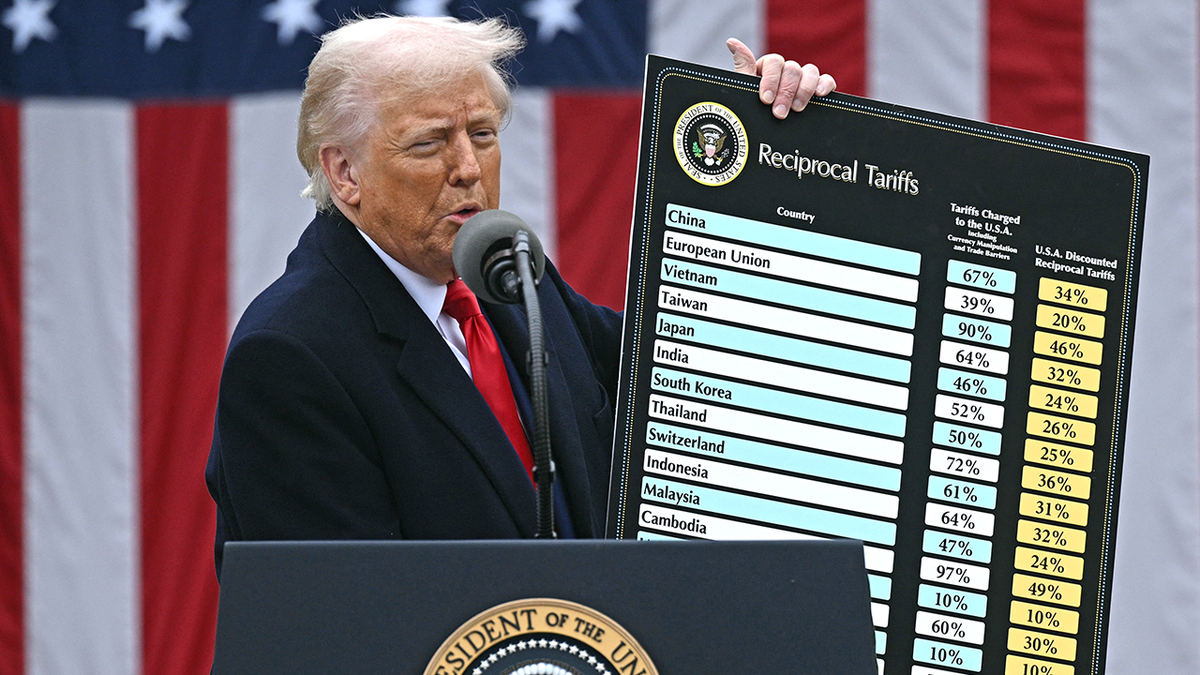
The dispute comes after months of deteriorating Canada-U.S. trade relations. In August, Trump’s administration imposed 50% tariffs on billions of dollars of Canadian goods after negotiations failed.
Carney responded by suspending those negotiations and announcing matching Canadian tariffs, arguing that Washington’s proposed terms were economically unacceptable and threatened important Canadian industries and national sovereignty.
Those retaliatory Canadian measures took effect in September, targeting American products including steel, dairy goods, agricultural equipment, appliances, electronics and other categories of U.S. exports.
Despite the confrontation, Carney has said Canada does not intend to abandon its economic relationship with the United States, but wants greater resilience by expanding commercial opportunities elsewhere.
The October Canada-EU summit in Montreal is expected to provide the next major opportunity to define the partnership and determine whether the politically striking “associate member” proposal becomes something more concrete.
For now, the important story is not Carney’s brief expression on camera but an increasingly consequential policy dispute over tariffs, Canadian sovereignty and how closely Ottawa should align itself with Europe.
Related Images


Comments (0)
Loading comments...
May You Like
South Korea–Ukraine Rift Deepens Over North Korean POW Transfer as PURL Draws New Scrutiny
South Korea–Ukraine Rift Deepens Over North Korean POW Transfer as PURL Draws New Scrutiny