
CHAOS IN CHICAGO-BOUND AMERICAN AIRLINES MYSTERY: “GOD TOLD ME TO GET OFF THE PLANE!”
PHOENIX, Arizona — November 26, 2026 — An American Airlines flight carrying passengers from San Diego to Chicago was forced to make an emergency diversion to Phoenix early Wednesday after a man allegedly attempted to interfere with an aircraft exit door during the flight, prompting a physical confrontation involving flight attendants and several passengers.
American Airlines Flight 1494 landed safely at Phoenix Sky Harbor International Airport at approximately 1 a.m. on November 25, where law enforcement officers were waiting to remove the disruptive passenger. The incident occurred during the Thanksgiving travel rush, when millions of Americans were preparing to reunite with their families for one of the country's busiest holidays.
According to the Phoenix Police Department, the man repeatedly disregarded instructions from flight attendants before attempting to manipulate an aircraft door. Members of the flight crew and several passengers subsequently restrained him until the aircraft reached Phoenix. The Federal Aviation Administration and the FBI are examining the circumstances surrounding the disturbance.
The journey began as a routine overnight service between San Diego International Airport and Chicago O'Hare International Airport. Many travelers aboard were returning home or visiting relatives ahead of Thanksgiving, expecting an uninterrupted flight across the country.
Instead, the aircraft became the scene of a serious cabin disturbance that required immediate intervention. Passenger accounts described confusion and shouting as flight attendants confronted a man whose behavior had raised concerns about the safety of the aircraft.
Sean Bennett, who was traveling aboard the flight, told ABC7 Chicago that he had been resting when the disturbance awakened him. He recalled hearing a flight attendant shouting instructions concerning the aircraft door. Other travelers quickly became aware that the situation involved more than an ordinary disagreement between a passenger and the crew.
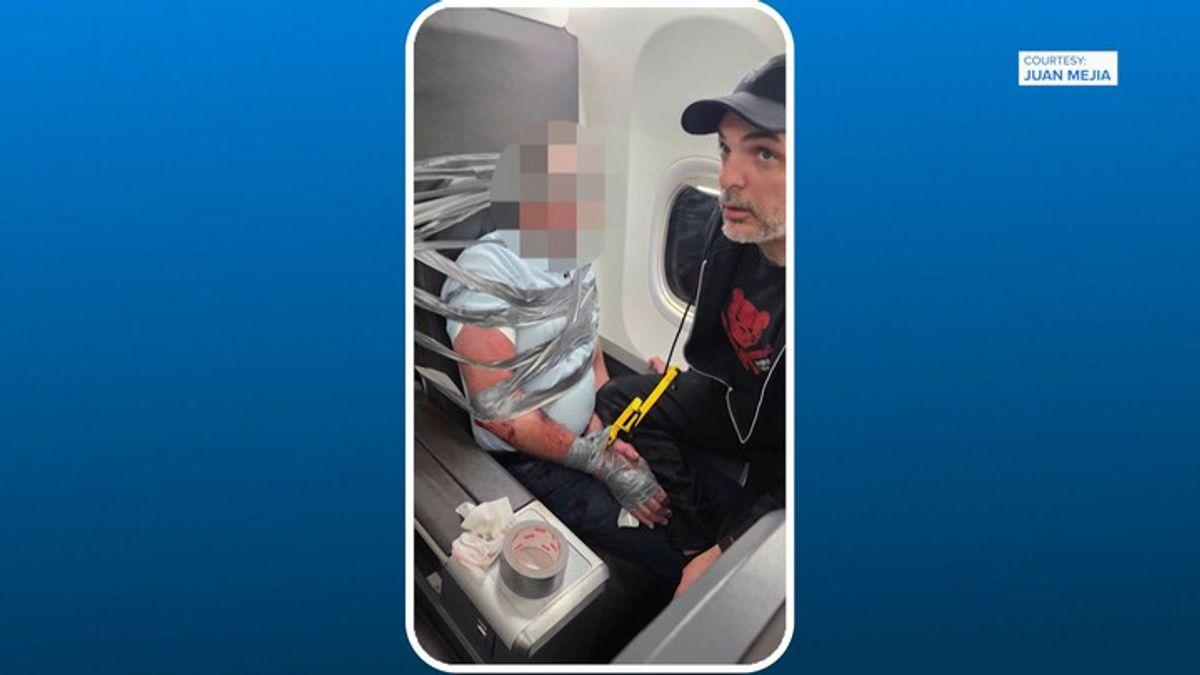
Video recorded inside the aircraft subsequently showed several people restraining the man. The footage circulated widely following the emergency landing, attracting attention to both the severity of the disturbance and the response of those aboard.
For passengers accustomed to overnight flights, the incident represented an unexpected interruption in an environment where movement is restricted and immediate access to law enforcement is unavailable. The responsibility for maintaining order initially rested with the aircraft's crew.
Flight attendants are responsible for maintaining cabin safety and responding to emergencies that develop while an aircraft is airborne. Although many passengers primarily associate cabin crew members with food and beverage service, their professional responsibilities also include emergency management, passenger safety and coordination with pilots.
During Wednesday's incident, several passengers assisted the flight attendants in restraining the disruptive individual. According to witness accounts reported by NBC Chicago, travelers from different sections of the aircraft worked together to help contain the disturbance.
Josh Flanders, a Chicago resident returning home for Thanksgiving, described the response of fellow travelers and crew members during an interview with local television reporters. He emphasized the cooperation displayed by those aboard despite the uncertainty surrounding the confrontation.
The intervention prevented the situation from continuing unchecked until the aircraft could reach an airport. For federal investigators, the actions taken inside the cabin will form part of the broader assessment of what happened and how the flight crew responded to the emergency.
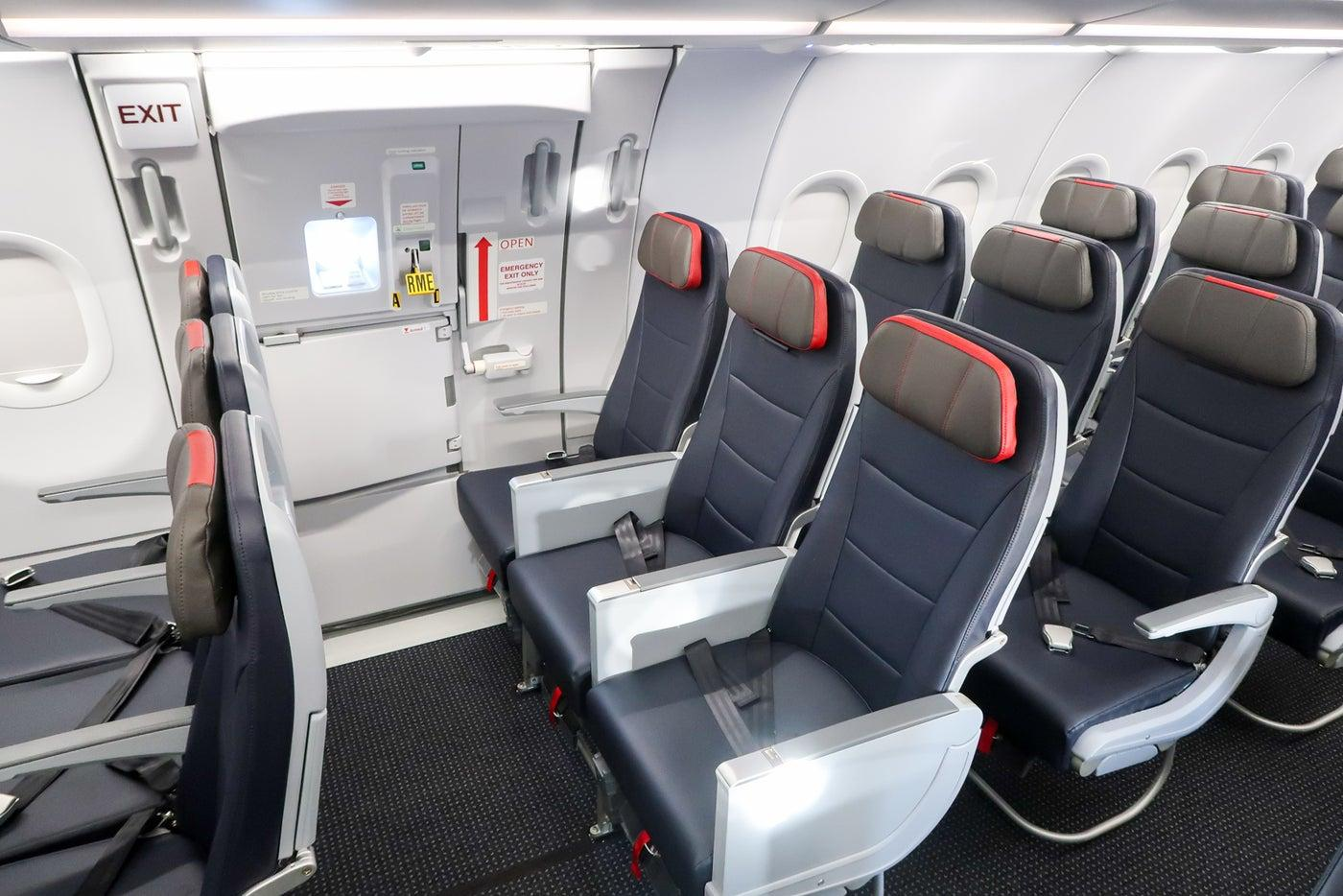
Commercial passenger aircraft incorporate multiple safety systems designed to prevent doors from opening unexpectedly during flight. Cabin pressurization, mechanical safeguards and aircraft-specific safety mechanisms help protect occupants while the aircraft is airborne.
A prolonged cabin disturbance can affect several areas of flight operations simultaneously. Pilots may need to communicate with air traffic controllers, evaluate diversion options and coordinate with airport authorities while cabin crew members manage the immediate emergency.
In the case of Flight 1494, the decision to divert reflects the importance of resolving a potentially dangerous situation in a controlled environment where law enforcement and medical personnel are available.
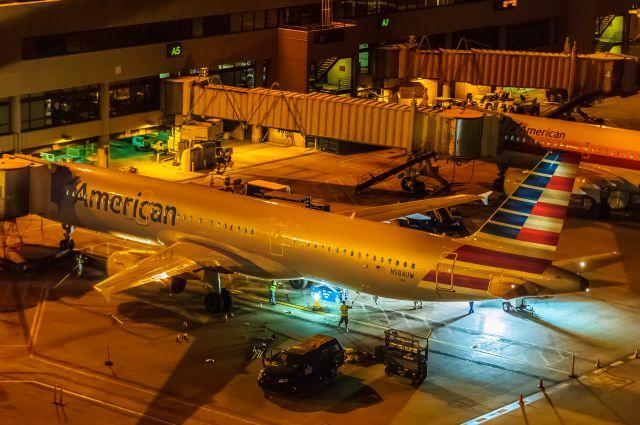 The pilots of Flight 1494 redirected the aircraft to Phoenix Sky Harbor International Airport rather than continuing directly to Chicago. The Federal Aviation Administration confirmed that the aircraft landed safely following a report of a disturbance inside the cabin.
Phoenix is a major commercial aviation hub and provides access to airport law enforcement, emergency medical services and airline ground operations. Diverting a flight allows an airline to address a security concern without requiring the aircraft to remain airborne until its original destination.
American Airlines confirmed that law enforcement personnel met the aircraft upon arrival and assisted with removing the disruptive passenger. The carrier subsequently continued the flight to Chicago after addressing operational requirements.
For travelers aboard, the diversion introduced uncertainty about arrival times, connecting flights and holiday arrangements. However, the immediate priority remained the safe resolution of the disturbance and ensuring that the aircraft could continue its journey without further security concerns.
Phoenix police reported that the disruptive passenger sustained a minor injury and was transported to a hospital for evaluation. According to the police statement published by ABC7 Chicago, no injuries were reported among other passengers or members of the flight crew.
Although police reported no physical injuries among the remaining passengers, an unexpected security incident can cause considerable emotional distress. Travelers aboard an aircraft have limited control over their immediate surroundings, and uncertainty about what is happening can intensify concerns about personal safety.
An assessment of Flight 1494's broader impact would therefore need to consider more than the number of documented physical injuries. Passenger experiences, requests for assistance and any subsequent medical evaluations could provide additional information about the consequences of the incident.
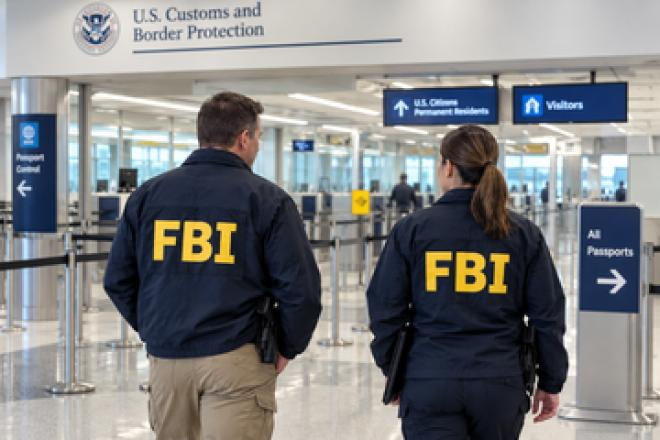
The FBI confirmed that it was conducting interviews in connection with the incident. Federal investigators will consult the U.S. Attorney's Office for the District of Arizona to determine whether criminal charges are appropriate.
Federal jurisdiction is particularly relevant when potentially criminal conduct occurs aboard an aircraft traveling between states. Investigators may examine witness statements, recordings and airline incident reports to establish the circumstances surrounding the conduct.
The FBI subsequently reported that one man had been taken into custody. Earlier local police reporting had indicated that the individual was transported for medical evaluation without an immediate arrest by Phoenix officers. The difference reflects distinct stages of the law enforcement response.
The man's reasons for allegedly attempting to manipulate the aircraft door remain an important element of the investigation. Witness accounts describe concerning behavior, but observations made during a stressful confrontation cannot independently establish an individual's intentions or medical condition.
Investigators will need to distinguish between what witnesses directly observed and their interpretations of those actions. They may also examine information obtained during interviews and other relevant records.
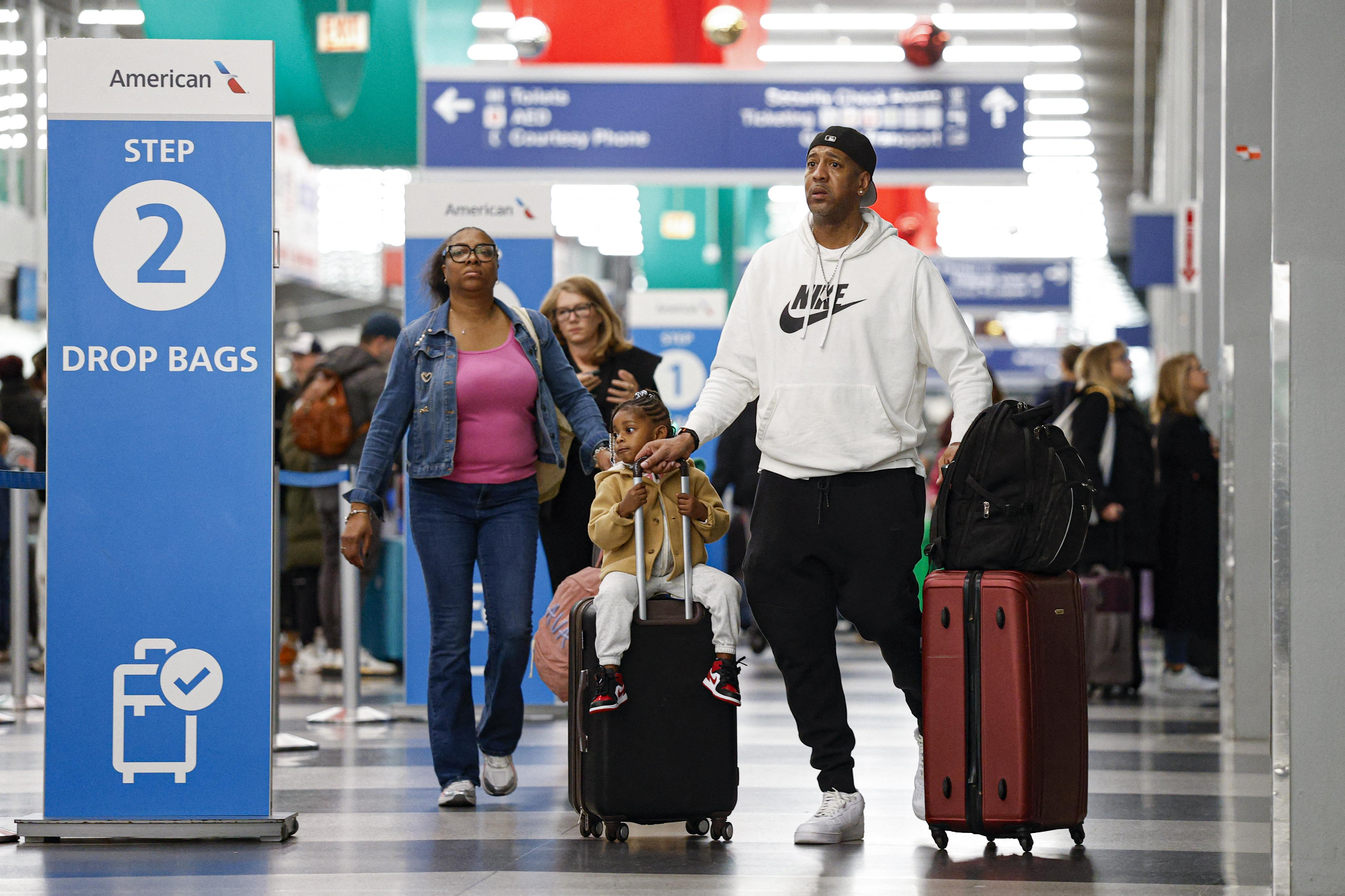
The Federal Aviation Administration announced that it would investigate the disturbance aboard Flight 1494. FAA investigations into unruly passenger incidents may address interference with flight attendants, failure to comply with safety instructions and other conduct affecting commercial aviation operations.
Federal law prohibits certain forms of assault, intimidation and interference involving aircraft crew members. Depending on the circumstances, violations may result in civil enforcement proceedings, criminal prosecution or both.
The potential consequences extend beyond immediate removal from a flight. Airline safety policies may also affect an individual's ability to travel with a particular carrier in the future, although such decisions depend on the airline's assessment and applicable rules.
The FAA investigation and the FBI's criminal inquiry represent separate but potentially related processes. An announcement that either agency is examining an incident does not establish that a particular penalty has already been imposed.
American Airlines thanked its employees and the travelers who assisted during the confrontation. The carrier emphasized its commitment to protecting passengers and personnel while acknowledging the disruption caused by the emergency diversion.
For airlines, incidents involving disruptive passengers raise questions about crew preparedness, communication procedures and the availability of support when emergencies develop in flight. The ability to coordinate with airport authorities is particularly important when a passenger must be removed before reaching the original destination.
The circumstances of Flight 1494 demonstrate the importance of trained personnel and coordinated decision-making when an unexpected security concern develops inside a commercial aircraft.
After the disruptive passenger was removed and the airline addressed the operational consequences of the diversion, Flight 1494 resumed its journey to Chicago.
Travelers interviewed after reaching their destination described a mixture of relief and frustration following the unexpected delay. For families traveling during Thanksgiving, the diversion complicated holiday arrangements but ultimately allowed the journey to continue after the security concern was resolved.
The safe arrival represented the conclusion of the immediate aviation emergency. However, the federal investigations into the passenger's actions and the circumstances surrounding the confrontation remained ongoing.
The next significant developments could involve a decision on federal criminal charges, additional information about the man's conduct and further findings from the FAA. Those records may provide a clearer understanding of what prompted the disturbance and whether additional safety measures are warranted.
For now, the verified outcome is that Flight 1494 landed safely in Phoenix, the disruptive passenger received hospital evaluation for a minor injury, and the other travelers continued to Chicago without reported physical injuries. The incident remains a significant example of how an unexpected passenger disturbance can interrupt commercial aviation operations and trigger a coordinated federal security response.
Comments (0)
Loading comments...
May You Like
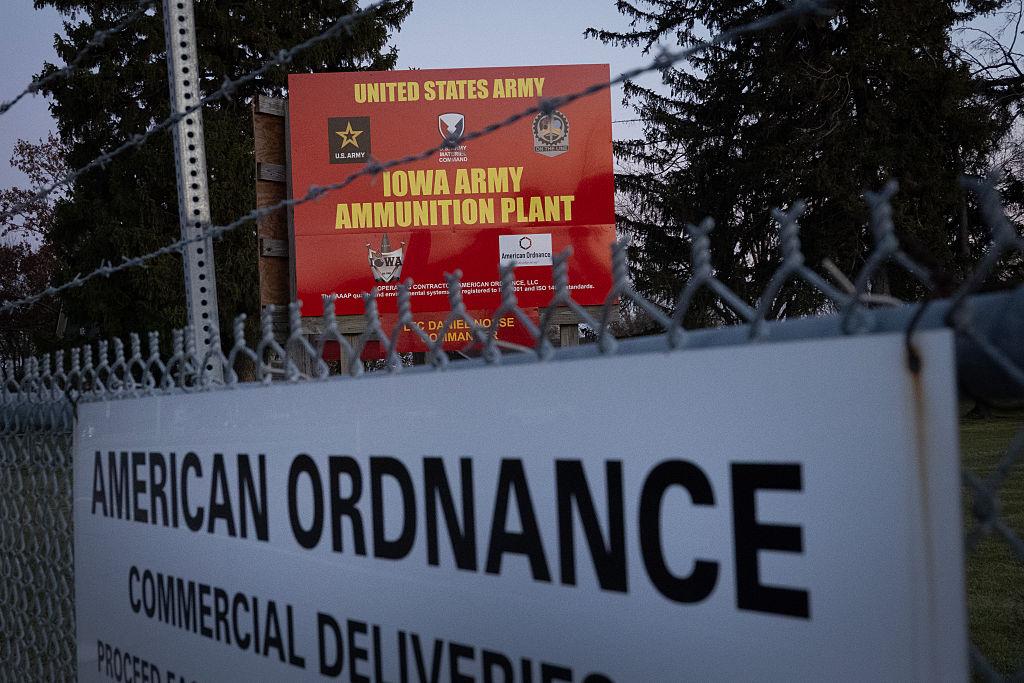
IOWA MILITARY EMERGENCY: 50 TONS OF UNSTABLE SUSPECTED BIOWEAPON WASTE FOUND AFTER 5-TON BLAST!

IOWA MILITARY DISASTER: 5 TONS OF SUSPECTED BIOWEAPON WASTE LEAK—301+ HOSPITALIZED, 20 CRITICAL!
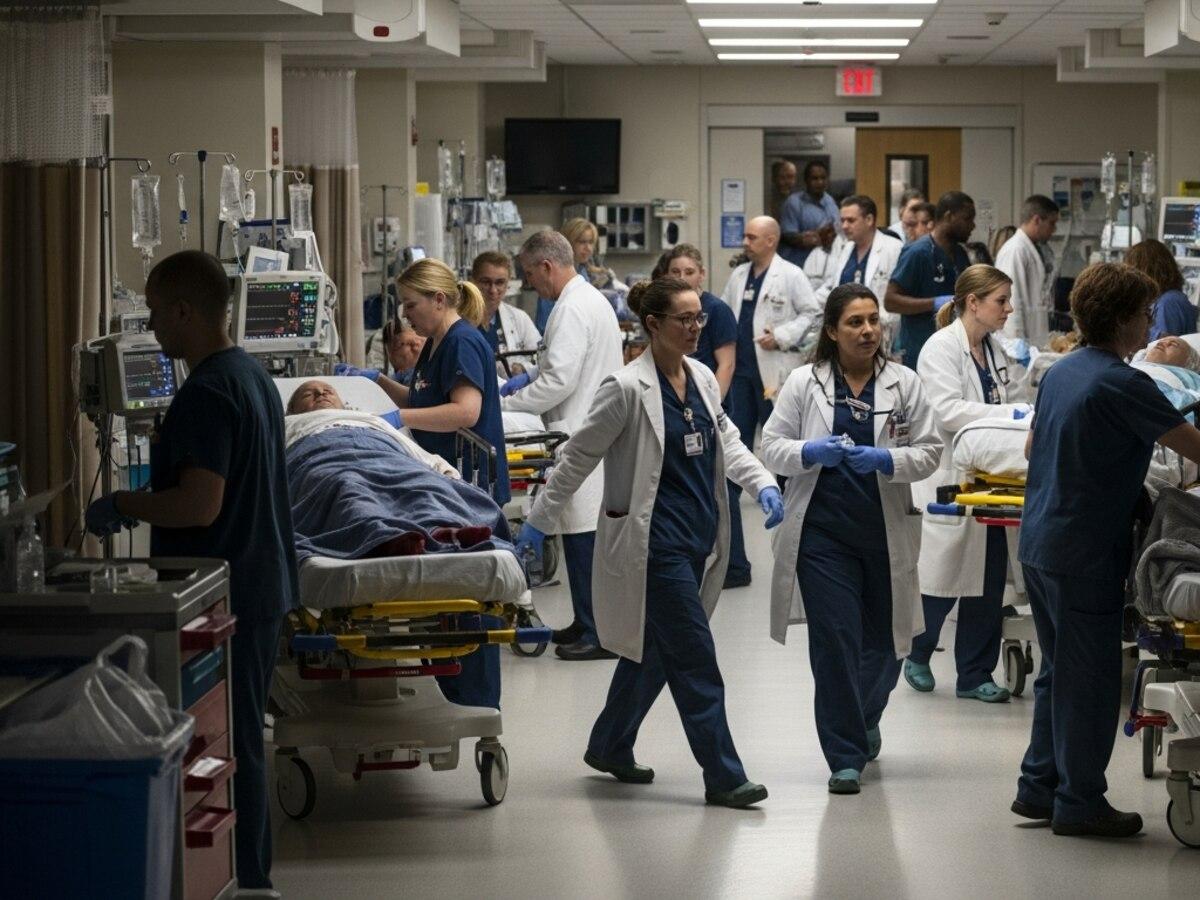
IOWA MILITARY DISASTER: 5 TONS OF SUSPECTED BIOWEAPON WASTE LEAK—300+ HOSPITALIZED, 20 CRITICAL!










Popular Posts




