
CHICAGO DISASTER: 12 FIREFIGHTERS HOSPITALIZED, 4 CRITICAL—MYSTERY CHEMICALS FOUND IN BASEMENT!
CHICAGO — November 26, 2026 — A residential fire in Chicago’s Back of the Yards neighborhood escalated into a major emergency on Monday when an unexpected explosion tore through part of the burning building, injuring firefighters and civilians and prompting an extensive response from the Chicago Fire Department.
The November 23 incident occurred in the 4800 block of South Damen Avenue, where firefighters encountered a heavily damaged residential property. Approximately 100 emergency personnel responded as authorities increased the alarm level and dispatched additional firefighting equipment and ambulances to the neighborhood.
Five people, including three firefighters, were transported to hospitals following the incident. Investigators are working to determine what started the fire and what caused the subsequent explosion, two questions that may require separate scientific and forensic assessments.
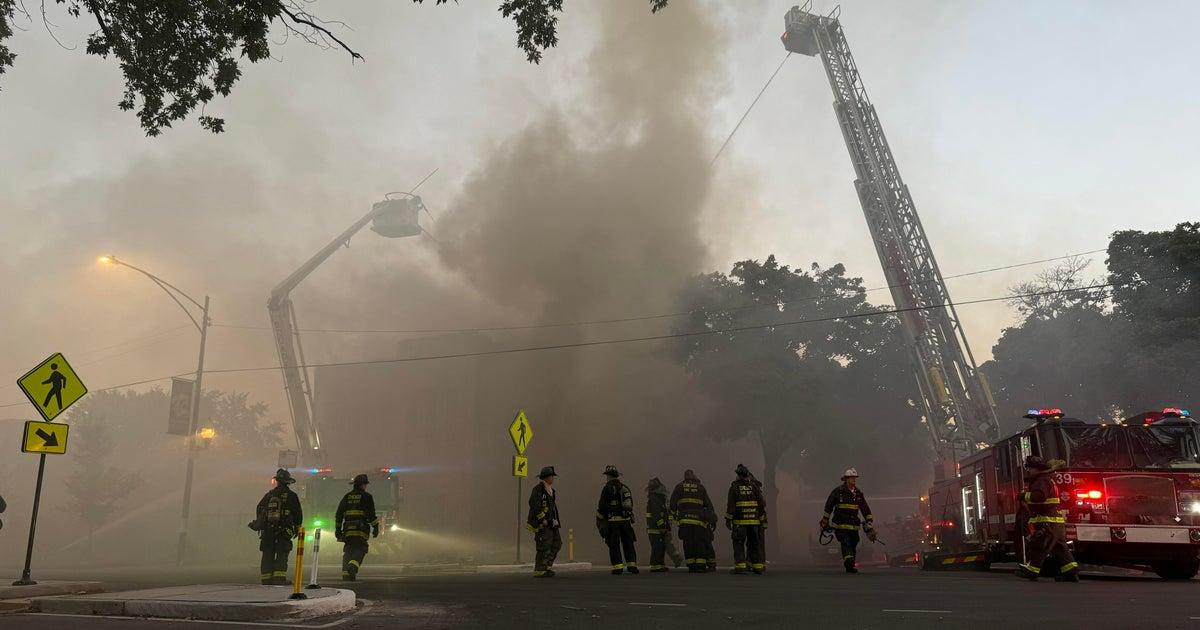
The incident began as a residential fire but quickly developed into a situation requiring significantly more equipment and personnel. The size of the burning building, the intensity of the flames and the difficulty of reaching affected areas complicated efforts to bring the emergency under control.
Local television footage showed extensive damage to the property, with flames and smoke affecting much of the building. Fire officials subsequently confirmed that an explosion had occurred during the emergency, introducing an additional hazard for personnel working around the structure.
The unexpected explosion illustrates one of the most difficult aspects of residential firefighting: conditions inside a burning building can change rapidly, even when emergency personnel have extensive training and specialized protective equipment. A fire that initially appears manageable may develop additional hazards that are difficult to identify from outside the structure.
One of the questions raised following the explosion concerns whether materials stored inside the building could have contributed to the sudden release of energy. Basements can contain heating equipment, electrical installations, household chemicals, maintenance supplies and other materials that may become dangerous when exposed to intense heat.
Determining whether chemical materials contributed to the blast would require investigators to examine physical debris, equipment records, witness accounts and laboratory findings. Those records could help distinguish between an explosion involving conventional residential utilities and one involving separately stored hazardous substances.
The distinction is important because identifying the source of the explosion could have implications for building safety, insurance investigations and possible regulatory violations.
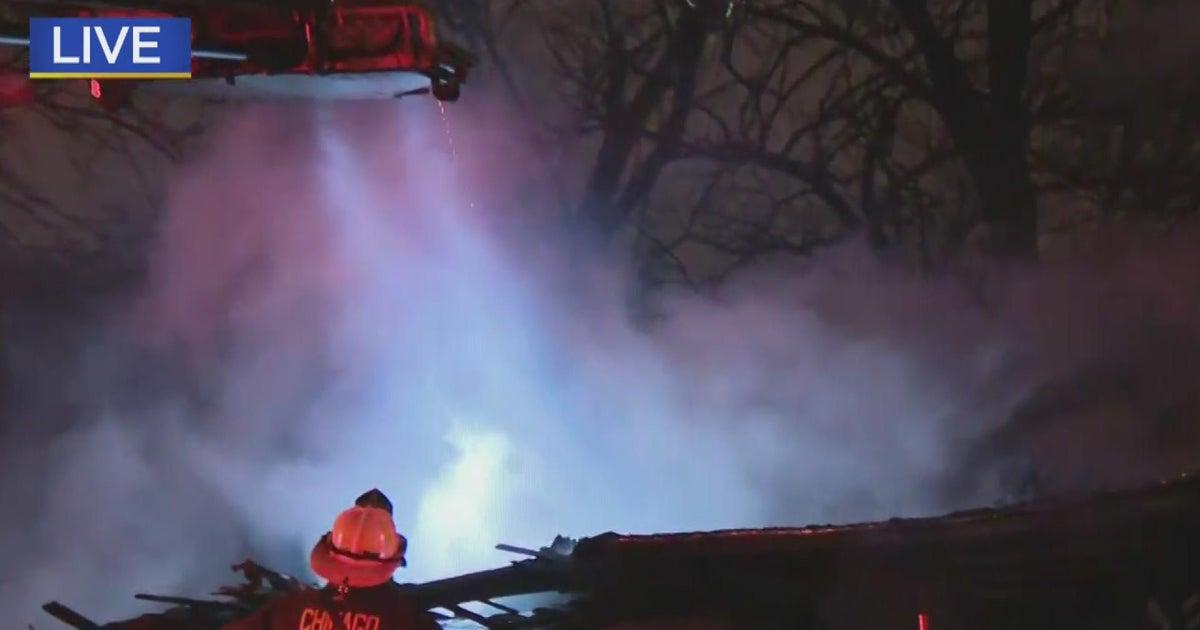
The response involved approximately 100 firefighters and other emergency personnel. The Chicago Sun-Times reported that at least 10 ambulances, eight fire engines and seven fire trucks were dispatched, reflecting the scale of the emergency and the resources required to protect the surrounding neighborhood.
Residential neighborhoods present particular challenges because buildings may be situated close together. A serious fire can threaten properties beyond its point of origin, making protection of neighboring homes an important component of emergency management.
The number of ambulances dispatched also reflects the need to prepare for potential injuries rather than simply respond to casualties that have already been identified.
The confirmed hospital transportation figures involve five individuals, three of whom were firefighters. ABC7 Chicago reported that fire officials described the injuries sustained by emergency personnel as minor. Two civilians also suffered injuries during the incident.
The circumstances surrounding the Chicago incident demonstrate why casualty figures must be based on documented medical information. A major firefighting response, multiple ambulances and dramatic footage of an explosion can create an impression of widespread casualties even when the confirmed injury count is considerably lower.
Many potentially hazardous materials found in residential properties are associated with ordinary household activities. Cleaning products, paint supplies, automotive fluids and maintenance chemicals can all present additional risks when exposed to fire.
The severity of those risks depends on the identity of the substances, the quantities involved, their storage conditions and the extent of their exposure to heat. Some materials may produce irritating or toxic smoke, while others may increase the intensity of an existing fire.
That determination requires scientific analysis and consideration of the broader physical evidence. Without those findings, attributing the Chicago explosion to an unidentified chemical would remain premature.
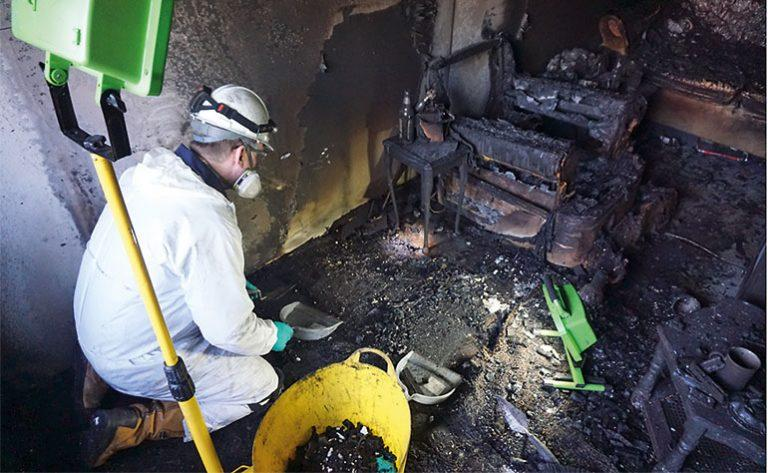
One possible explanation investigators consider in residential explosions involves combustible gases associated with building utilities or conditions created during a fire. Gas-related incidents can produce extensive structural damage, particularly when they occur inside enclosed spaces.
Investigators examining a residential property may review heating equipment, utility installations and maintenance histories to determine whether a mechanical failure or other abnormal condition contributed to the emergency.
They must also establish whether a gas-related event initiated the original fire or developed afterward. That distinction could influence the investigation's conclusions and determine whether responsibility extends to equipment failure, maintenance practices or another cause.
An explosion introduces additional dangers, including flying debris and sudden structural damage. Even personnel positioned outside a building may suffer injuries when windows, building materials or other objects are displaced.
The Chicago incident highlights this distinction because the firefighters' injuries were attributed to debris from the blast rather than direct exposure to flames inside the building.
For emergency personnel, maintaining awareness of changing structural conditions is an essential part of managing these incidents. The possibility of concealed damage or additional hazards can influence decisions about whether firefighting activities should continue inside a structure or be conducted from safer locations.
The South Damen Avenue explosion occurred less than two weeks after a separate residential fire injured firefighters in Chicago's Chatham neighborhood.
On November 12, two firefighters fell through a damaged kitchen floor into a basement while responding to a house fire near East 90th Street and South Martin Luther King Drive. Other emergency personnel assisted in their rescue, and both firefighters were transported to hospitals in good condition. A resident was also taken for medical treatment.
Although the two incidents involved different circumstances, they demonstrate the challenges posed by concealed hazards inside residential structures. A basement fire can damage components supporting the floors above it before the extent of the deterioration becomes apparent.
There is no established connection between the Chatham incident and the subsequent explosion in Back of the Yards. The earlier emergency nevertheless provides context for understanding why basement conditions remain an important subject in residential fire investigations.
When investigators encounter possible chemical evidence at a fire scene, laboratory examinations can help determine whether particular substances were present before or during the emergency. Such testing can also establish whether residues are consistent with ordinary household materials, industrial products or substances requiring further investigation.
Interpreting the results can be difficult because intense heat changes the chemical composition of many materials. Water used during firefighting operations and debris from different sections of a building can further complicate the assessment.
A reliable investigation must therefore consider the location and condition of recovered evidence alongside the laboratory results. Identifying a chemical compound is only one part of determining whether it contributed to the fire.
Even if an unusual substance were discovered, investigators would still need to establish its original purpose, whether it was stored lawfully and whether it had any causal relationship to the explosion.
No laboratory findings identifying a specific chemical responsible for the Chicago blast have been released in the reports available for this article.
An ordinary residential property may contain substances that become dangerous during a fire without its occupants having committed any offense. Equipment failure, accidental ignition and structural deterioration can all produce serious emergencies.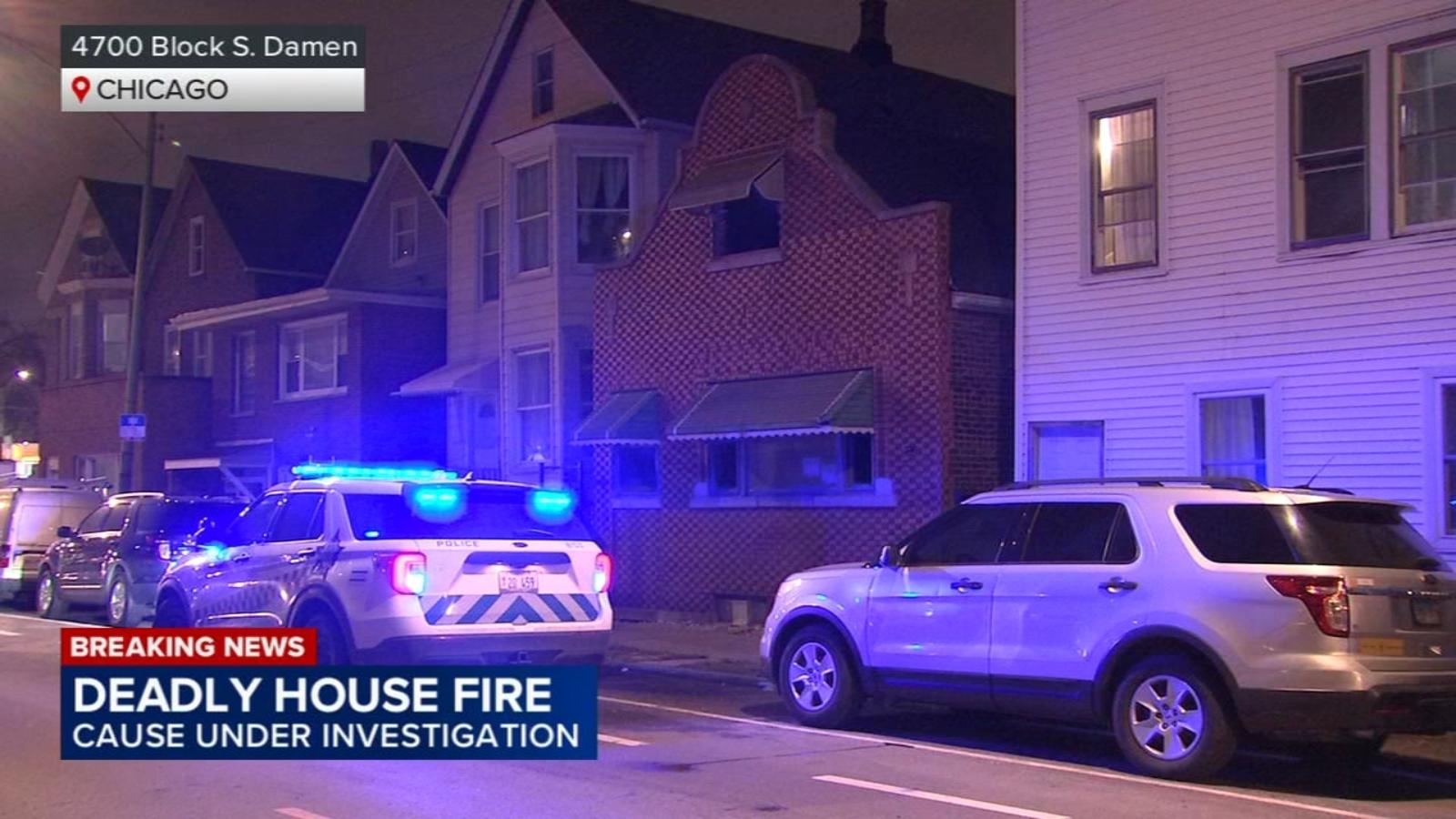
If fire investigators identify evidence suggesting unlawful activity, additional law enforcement involvement may become appropriate. Establishing criminal conduct would require evidence demonstrating that a specific law had been violated.
The appropriate distinction remains between investigating a possible explanation and announcing that investigators have established a criminal cause.
Beyond the injuries sustained by emergency personnel, the fire has left questions about the future of the building and its residents. ABC7 Chicago reported uncertainty about the total number of people displaced, with the property believed to contain several residential units.
For residents affected by a serious fire, the consequences frequently extend beyond the immediate destruction of property. Families may lose clothing, identification documents, medication and belongings accumulated over many years.
The possibility of structural instability can also delay access to damaged apartments, even when residents hope to recover essential possessions. Building assessments may be necessary before authorities determine whether any portion of a property can safely be occupied again.
If hazardous contamination were subsequently identified, additional restrictions or cleanup requirements could become necessary. Such decisions would depend on the condition of the property and the findings of authorized safety specialists.
The Chicago Fire Department's investigative office is examining the circumstances surrounding the blaze. Its assessment must address both the original fire and the subsequent explosion, which may have resulted from separate but interconnected processes.
Investigators will need to distinguish conditions that existed before the emergency from damage produced by the fire itself. Building records, utility information, witness statements and physical evidence may all contribute to determining the sequence of events.
The investigation's conclusions may also influence decisions about property repairs, insurance claims and possible enforcement actions if safety violations are established.
The evidence currently available establishes that a serious residential fire was followed by an explosion, resulting in hospital transportation for three firefighters and two civilians. The emergency required extensive personnel and equipment resources, but the reported injuries to firefighters were minor rather than critical.
The specific substance responsible for the explosion remains unidentified in published official accounts. Potential explanations associated with residential emergencies include combustible gases, materials exposed to intense heat and other physical conditions created during a developing fire. None has yet been established as the definitive cause in this case.
The next significant development could come from a formal determination of the fire's origin, examination of damaged equipment or laboratory analysis of recovered evidence. Those findings may answer whether a concealed hazard inside the property contributed to the blast.
For Chicago's firefighters and the residents affected by the emergency, understanding what caused the sudden explosion remains essential to preventing a similar incident in another residential building.
Comments (0)
Loading comments...
May You Like

IOWA MILITARY EMERGENCY: 51 TONS OF UNSTABLE SUSPECTED BIOWEAPON WASTE FOUND AFTER 5-TON BLAST!

CARIBBEAN PRINCESS: 5,000+ ABOARD, UNKNOWN VIRUS—CHINESE PASSENGER IS FIRST KNOWN CASE!

TRUMP CALLED FOR KIMMEL’S FIRING—THE FCC ACTED THE VERY NEXT DAY









Popular Posts




