
CIA CYBERSECURITY ALERT — HAS CLASSIFIED INFORMATION ABOUT TRUMP BEEN EXPOSED?
CIA CYBERSECURITY ALERT: ALLEGED INTELLIGENCE BREACH RAISES QUESTIONS ABOUT TRUMP'S CLASSIFIED INFORMATION — WHAT DO WE KNOW?
WASHINGTON, D.C. — NOVEMBER 25, 2026
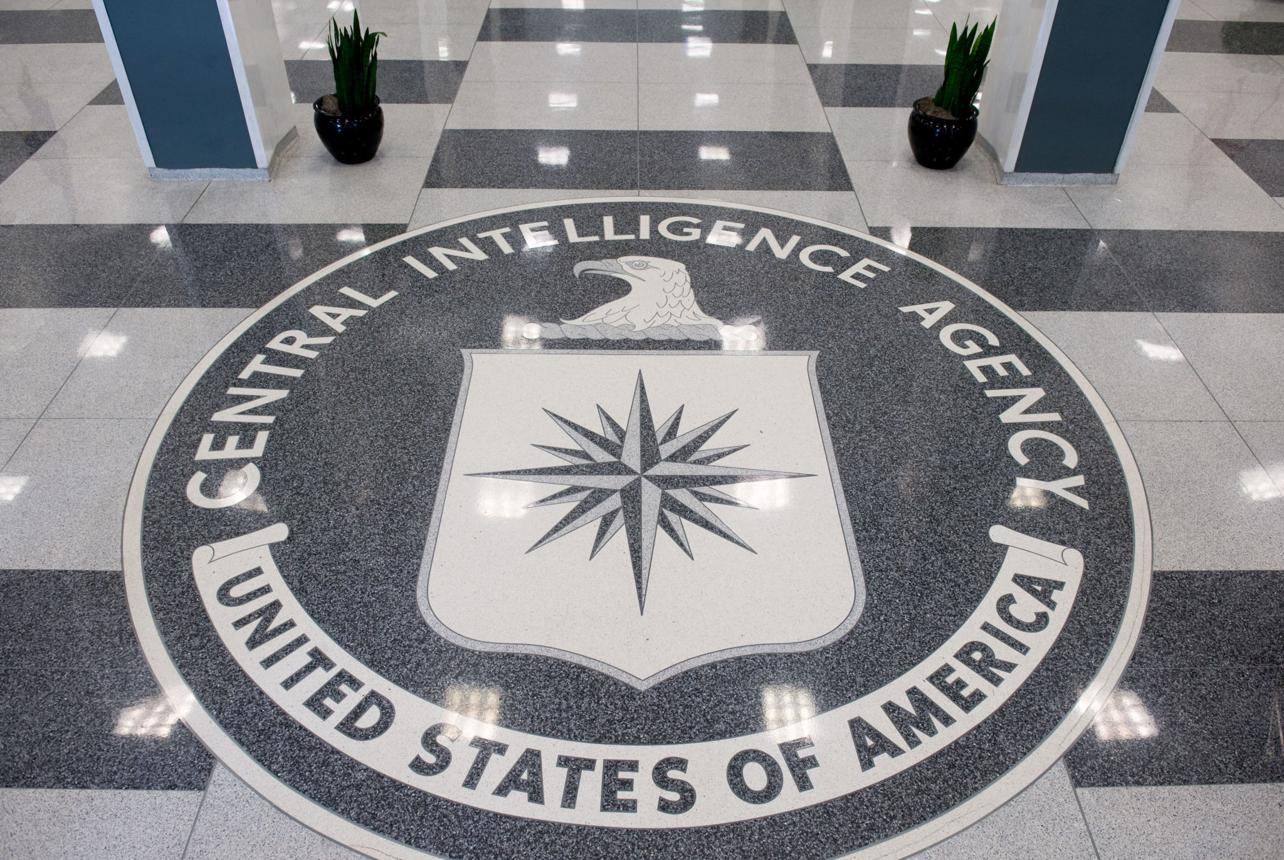
An alleged breach involving America's intelligence infrastructure is raising serious questions about the security of classified government information, including potentially sensitive records concerning President Donald Trump.
If confirmed, such an intrusion could have significant implications for American intelligence operations, diplomatic relations and national security.
But who could be responsible for the alleged attack? What information may have been compromised? And could the incident be connected to other federal technology disruptions?
Distinguishing verified intelligence breaches from online speculation is essential before drawing conclusions.
1. CIA and America's Intelligence Agencies Hit by Cyberattack
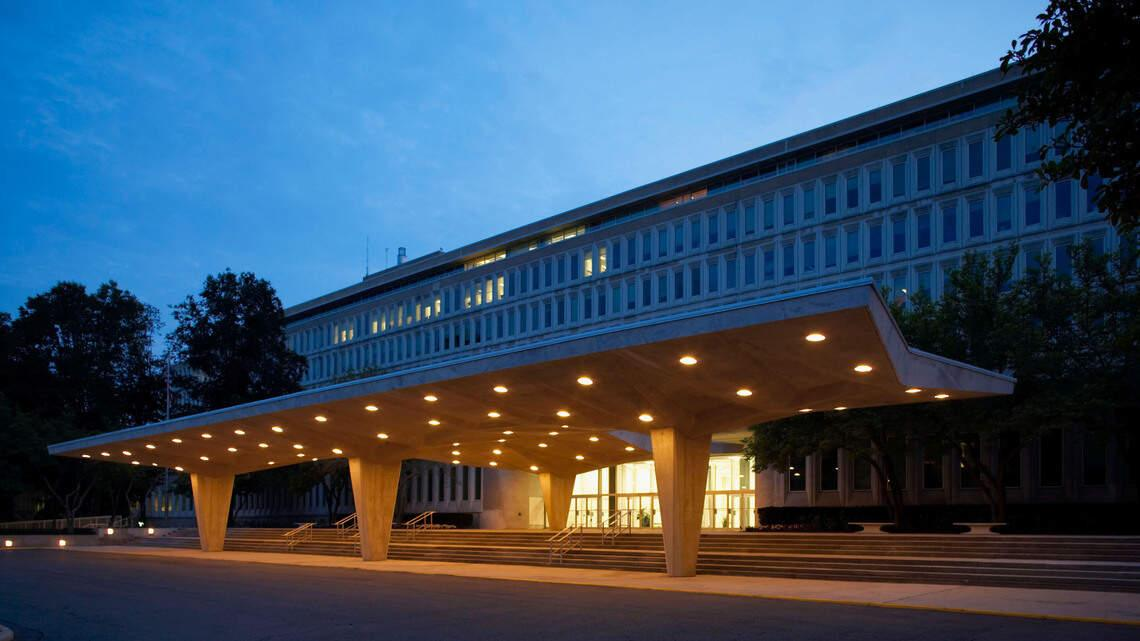
On November 24, Reuters, The Associated Press and The Wall Street Journal reported that hackers had breached an intelligence analysis system used by the Central Intelligence Agency (CIA) and the Office of the Director of National Intelligence (ODNI).
The affected network processes publicly available and commercially obtained information.
However, officials indicated that classified systems were not compromised. The breach has reportedly been resolved.
Federal News Network+2
Latest cybersecurity assessment
CIA network intrusion
Confirmed by sources
Classified information exposed
Not confirmed
Trump's personal secrets leaked
No evidence
Attacker's identity
Unknown
Technical incident
Reportedly resolved
Based on reporting available November 24–25, 2026.
2. Who Is Behind the Cyberattack?

One of the biggest unanswered questions concerns the identity of the attackers.
Reporting by Nextgov/FCW suggests that an artificial intelligence-assisted hacking tool known as ARTEX may have been involved.
The software was reportedly developed by a Chinese cybersecurity engineer operating under the alias “Autumn-27.”
However, the origin of a hacking tool does not establish the identity or nationality of the people using it.
Federal authorities have not publicly attributed the CIA intrusion to the Chinese government or any other foreign government.
Nextgov/FCW+1
Several possible categories of cyber threats exist, including foreign intelligence organizations, organized cybercriminal groups and independent hackers.
At present, assigning responsibility to any particular group would be premature.
3. What Is ARTEX, and Why Is It Raising Concerns?
Artificial intelligence is rapidly transforming the cybersecurity landscape.
AI-assisted tools can automate certain technical tasks that previously required extensive human effort, potentially increasing the speed and scale of cyberattacks.
For intelligence agencies, this presents a significant challenge.
Security teams must identify vulnerabilities, maintain software and protect sensitive infrastructure while confronting increasingly sophisticated threats.
Although ARTEX has been mentioned in reporting about the intrusion, its involvement has not been conclusively established through public official findings.
4. Have President Trump's Classified Secrets Been Exposed?
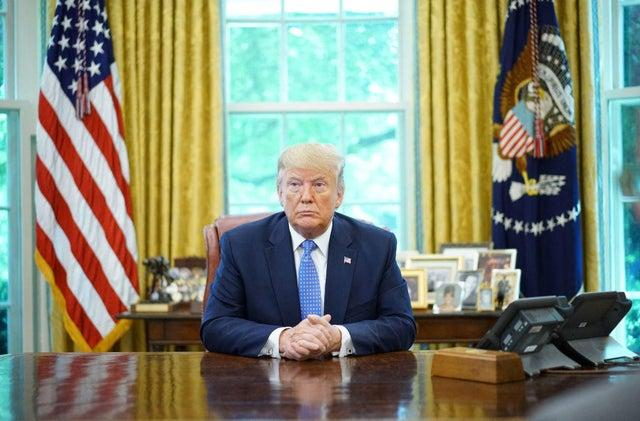
Despite speculation surrounding the breach, there is currently no credible evidence that hackers obtained classified documents concerning President Donald Trump.
The affected system was associated with open-source intelligence, commonly known as OSINT.
Such systems generally process information including public news reports, commercial satellite imagery, online publications and commercial databases.
The exact information exposed has not been publicly identified.
The ODNI told Reuters that the incident had not disrupted its essential capabilities or classified networks.
MarketScreener+1
Claims that hackers have uncovered Trump's private communications, confidential military decisions or secret diplomatic agreements therefore remain unsupported.
5. Why Is an Unclassified Intelligence Breach Still Dangerous?
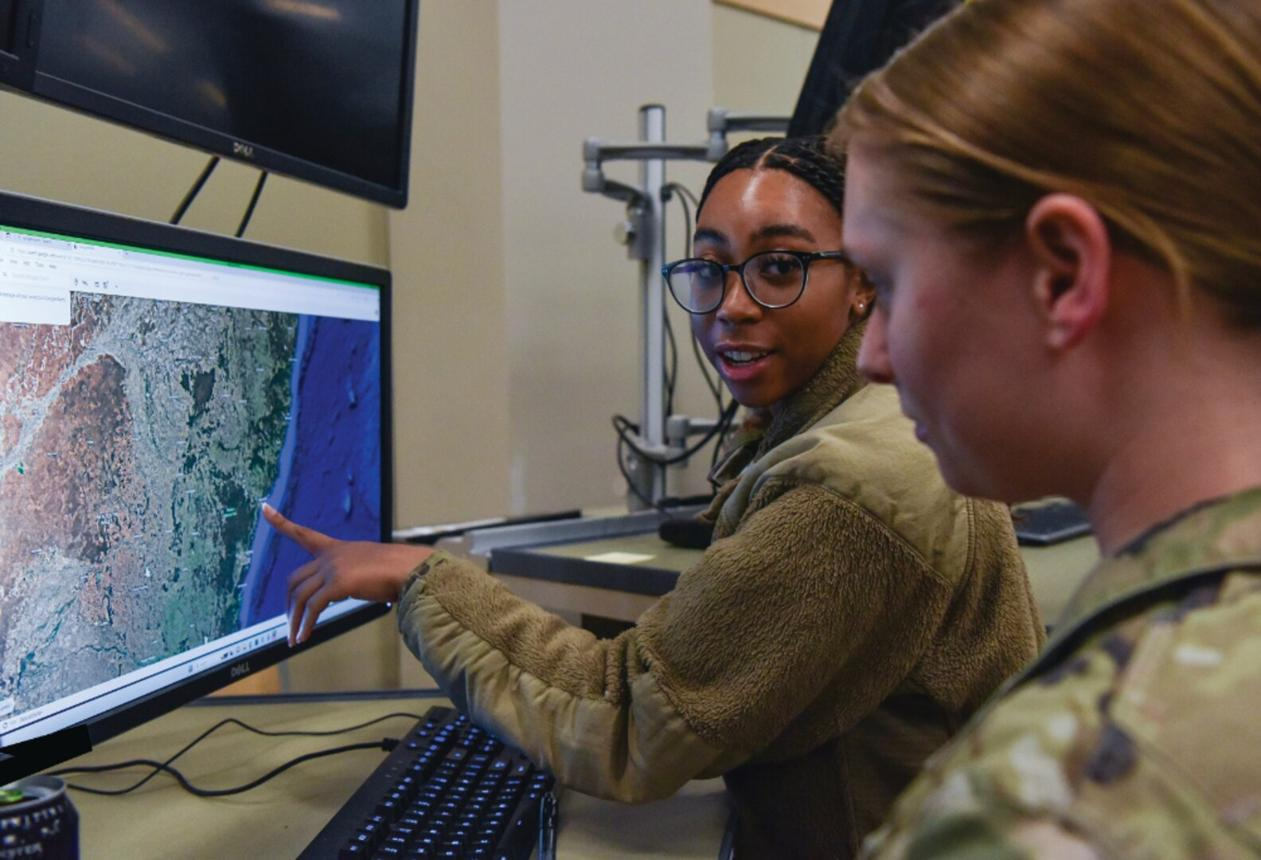
Unclassified information is not necessarily harmless.
Intelligence agencies combine large quantities of publicly available information to identify patterns, assess developments and understand potential national security threats.
Even without accessing classified documents, unauthorized intruders could potentially discover sensitive analytical priorities.
Illustration of potential risks associated with compromised open-source intelligence systems.
Cybersecurity specialists warn that understanding what American intelligence analysts are investigating could itself provide valuable insights to an adversary.
Nextgov/FCW
6. A Growing Wave of Cybersecurity Incidents Across America
The CIA intrusion follows several recently disclosed security incidents and technological disruptions involving American government agencies.
|
Government agency or system |
Reported incident
CIA and ODNI
Intrusion into an unclassified intelligence system
FBI
Cyberattack involving a national law enforcement database
USDA
Applications taken offline following a security incident
NSA
Classified communications network temporarily disrupted during software maintenance
Aviation systems
Operational disruptions attributed to technical problems
Anadolu Ajansı+2
The concentration of these incidents has raised questions about the resilience of federal digital infrastructure.
However, cybersecurity breaches and ordinary technical failures are fundamentally different events.
There is no established evidence that every recent disruption was part of a coordinated attack.
7. The FBI Database Breach Raises Additional Concerns

Another concerning incident involved the FBI's National Crime Information Center (NCIC).
Police departments and other American law enforcement agencies rely on the database to access important criminal justice information.
Unauthorized access to such a system could raise concerns about information privacy, data integrity and public safety.
According to Fox News, the FBI and CIA incidents reportedly occurred on the same day, although investigators have not established that they were connected.
Fox News
8. Could America Be Facing a Coordinated Cyberwar?
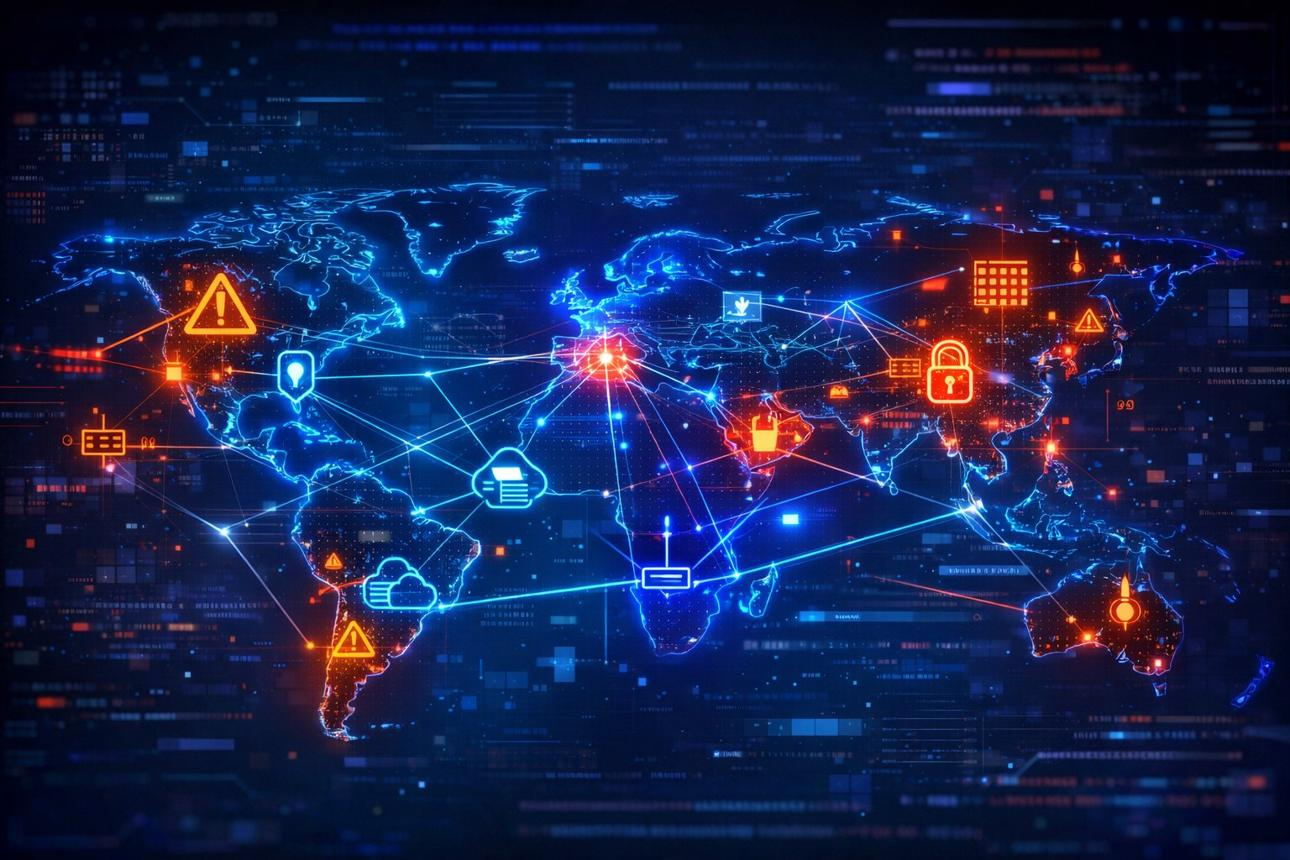
Cyber operations have become an increasingly important component of international competition.
Governments worldwide recognize that digital attacks can potentially disrupt communications, financial services, transportation and essential infrastructure.
Nevertheless, determining whether an incident constitutes state-sponsored espionage, criminal activity or part of a broader cyber campaign requires substantial evidence.
|
Potential explanation |
Status
Foreign intelligence operation
Not established
Organized cybercriminal activity
Not established
AI-assisted hacking
Reported possibility
Coordinated nationwide cyberattack
Not established
Classified presidential information stolen
No supporting evidence
The current evidence supports heightened cybersecurity vigilance, but not a conclusion that America is already experiencing a coordinated cyberwar.
9. What Is the Trump Administration Saying?
https://images.openai.com/static-rsc-4/Q1EMLTyrR88b-1ktmpWAw8EMJioVGRBGA2PFn-7l0dYJwjO7dUDWY1ACu6GEI8_BhuER7ogSW3X7tiEuaz5SyAqE38Z_d4XRdgVo7aZmLm8nct7sAgFPyrOEn4IyNh7h1-82kB3DajMpqit-xCGSS8YnF5-Z5A-_wSOjCnimWz4?purpose=inline
The Trump administration has maintained that recent widespread technological disruptions were not part of a coordinated cyberattack.
Director of National Intelligence Jay Clayton has attributed many of the outages to accelerated software updates and security improvements intended to counter emerging cyber threats.
India Today
However, the reported CIA and FBI intrusions demonstrate that genuine cyberattacks are also occurring.
Federal officials therefore face two simultaneous challenges: strengthening cybersecurity protections while maintaining the reliability of essential government services.
10. What Could These Cybersecurity Threats Mean for Ordinary Americans?
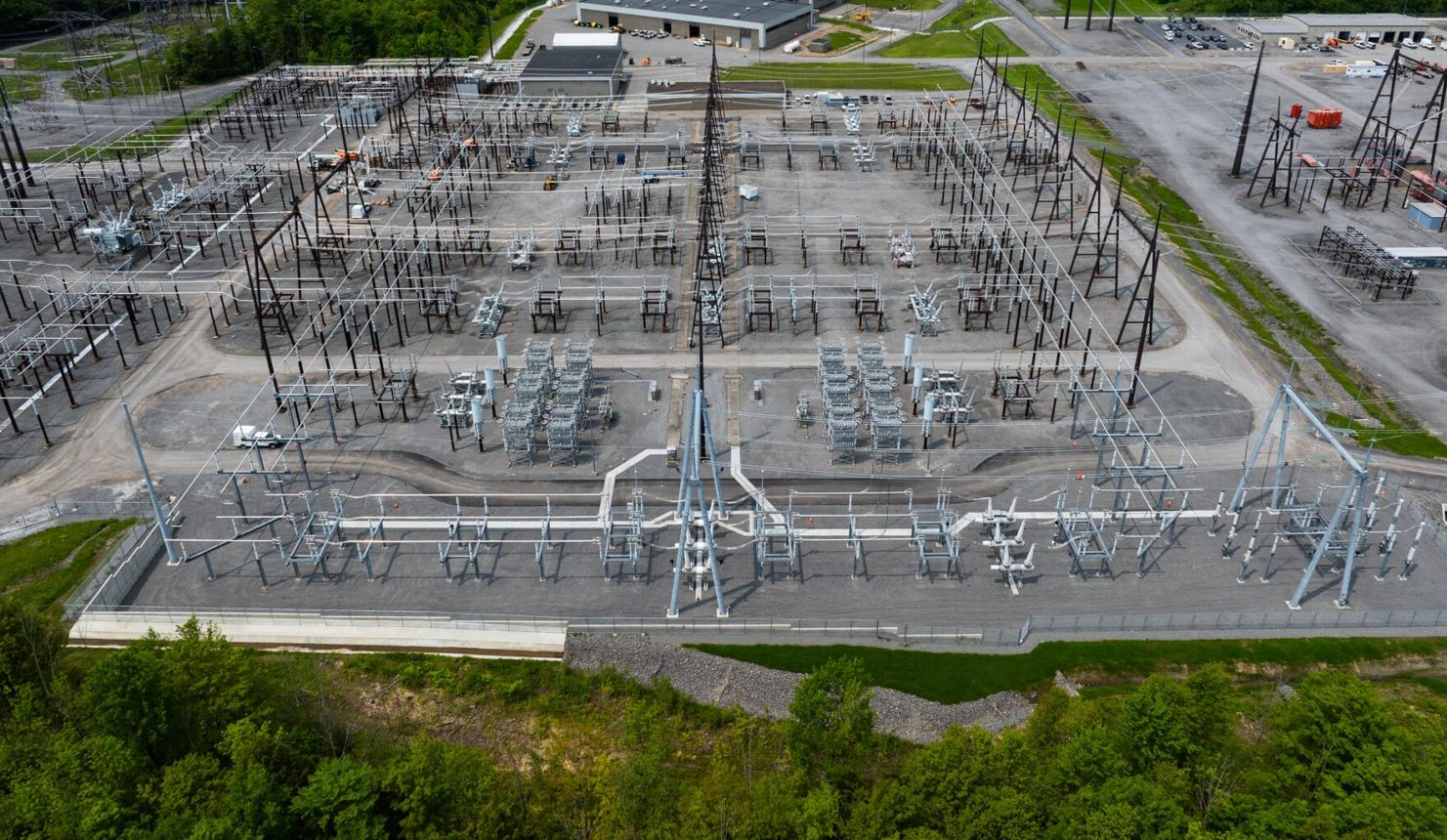
The implications of cybersecurity extend far beyond Washington.
Modern American households depend on digital infrastructure for nearly every aspect of daily life.
Potential vulnerabilities include banking and payment services, healthcare records, transportation networks, government benefits and electricity distribution.
However, there is no evidence that the CIA incident itself has compromised ordinary Americans' bank accounts or disrupted the national electrical grid.
The broader concern is ensuring that essential services remain reliable as cyber threats evolve.
11. How Can Americans Protect Their Personal Information?

Cybersecurity is not exclusively the responsibility of intelligence agencies.
Ordinary Americans can also reduce their exposure to common digital threats.
Personal cybersecurity checklist
0 of 7 precautions completed
Use strong, unique passwords for important accounts.
Enable multifactor authentication.
Keep computers and smartphones updated.
Avoid suspicious emails, messages and attachments.
Monitor bank accounts for unauthorized transactions.
Back up important personal files regularly.
Verify alarming cybersecurity claims through official sources.
These precautions can help protect individuals against many common cybersecurity threats without encouraging unnecessary panic.
12. America's Intelligence Security Faces a Critical Test
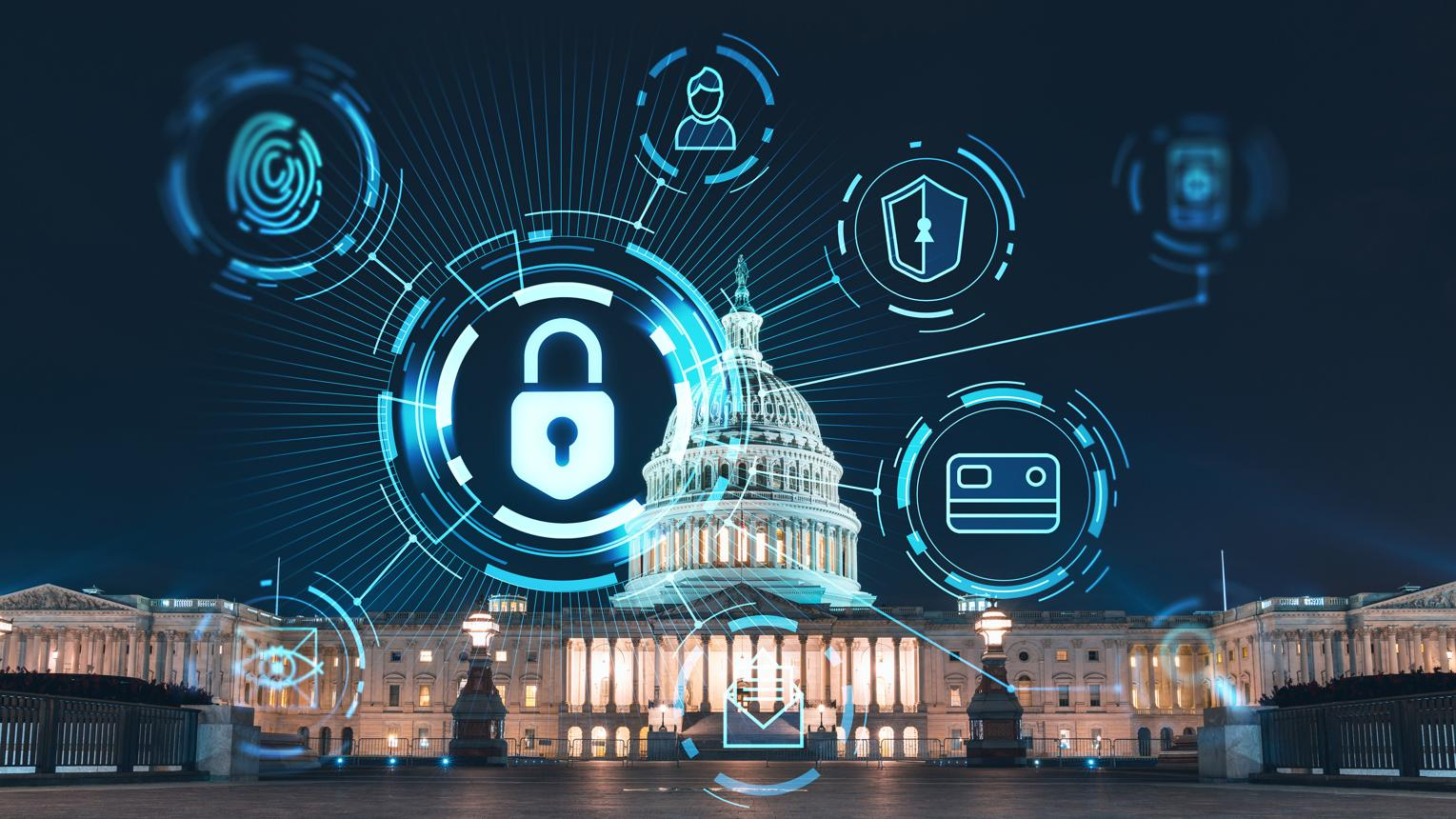
The latest CIA cybersecurity breach highlights the growing challenges confronting America's intelligence community.
Even organizations responsible for protecting national security must contend with rapidly evolving digital threats.
The identity of the attackers, their objectives and the full extent of the information exposed remain uncertain.
The intrusion is real, but claims that President Trump's classified secrets have been stolen are not supported by the available evidence.
The incident nevertheless raises an important question about whether America's existing cybersecurity systems can keep pace with increasingly sophisticated threats.
AMERICA, WHAT DO YOU THINK? ARE OUR INTELLIGENCE AGENCIES SUFFICIENTLY PROTECTED AGAINST MODERN CYBERATTACKS? SHOULD WASHINGTON INCREASE INVESTMENT IN FEDERAL CYBERSECURITY? SHARE YOUR OPINION IN THE COMMENTS BELOW!
Sources
Associated Press
The Wall Street Journal
Fox News
CIA hit by cyber breach that exposed unclassified data on intelligence analysis network: sourcesNovember 24, 2026
Additional reporting
Comments (0)
Loading comments...
May You Like

IOWA NIGHTMARE: SECOND ARMY BLAST, 10,000 EVACUATED, 201+ HOSPITALIZED!

10,000 CIA AND U.S. SPY RECORDS LEAKED—3 INTELLIGENCE AGENCIES ORDER EMERGENCY REVIEWS!
IOWA MILITARY EMERGENCY: 50 TONS OF UNSTABLE SUSPECTED BIOWEAPON WASTE FOUND AFTER 5-TON BLAST!









Popular Posts




