
CINCINNATI ZOO BOMBSHELL: WILLOW'S DEATH WAS A WARNING—10 YEARS LATER, FIONA DIES!
CINCINNATI ZOO BOMBSHELL: WILLOW'S DEATH WAS A WARNING—10 YEARS LATER, FIONA DIES!
CINCINNATI, Ohio — November 25, 2026 — The death of Fiona, the internationally celebrated hippopotamus at the Cincinnati Zoo & Botanical Garden, has renewed questions about animal protection, emergency veterinary procedures and the responsibilities of institutions entrusted with the welfare of animals in captivity.
Fiona died on November 19 at the age of 9 after swallowing a knitted hat that accidentally entered her enclosure. Despite intensive medical intervention, veterinarians were unable to remove the object before it caused a fatal intestinal obstruction.
Her death has prompted comparisons with Willow, a baby elephant whose fight for survival ended at Melbourne Zoo in Australia in August 2016.
Although the animals suffered from different medical conditions at different institutions, both cases demonstrated the considerable challenges veterinarians face when treating critically ill large mammals.
However, historical records have revealed another incident with a considerably closer connection to Fiona's death — the loss of another hippopotamus at Cincinnati Zoo in 1923 after it swallowed an object introduced by a visitor.
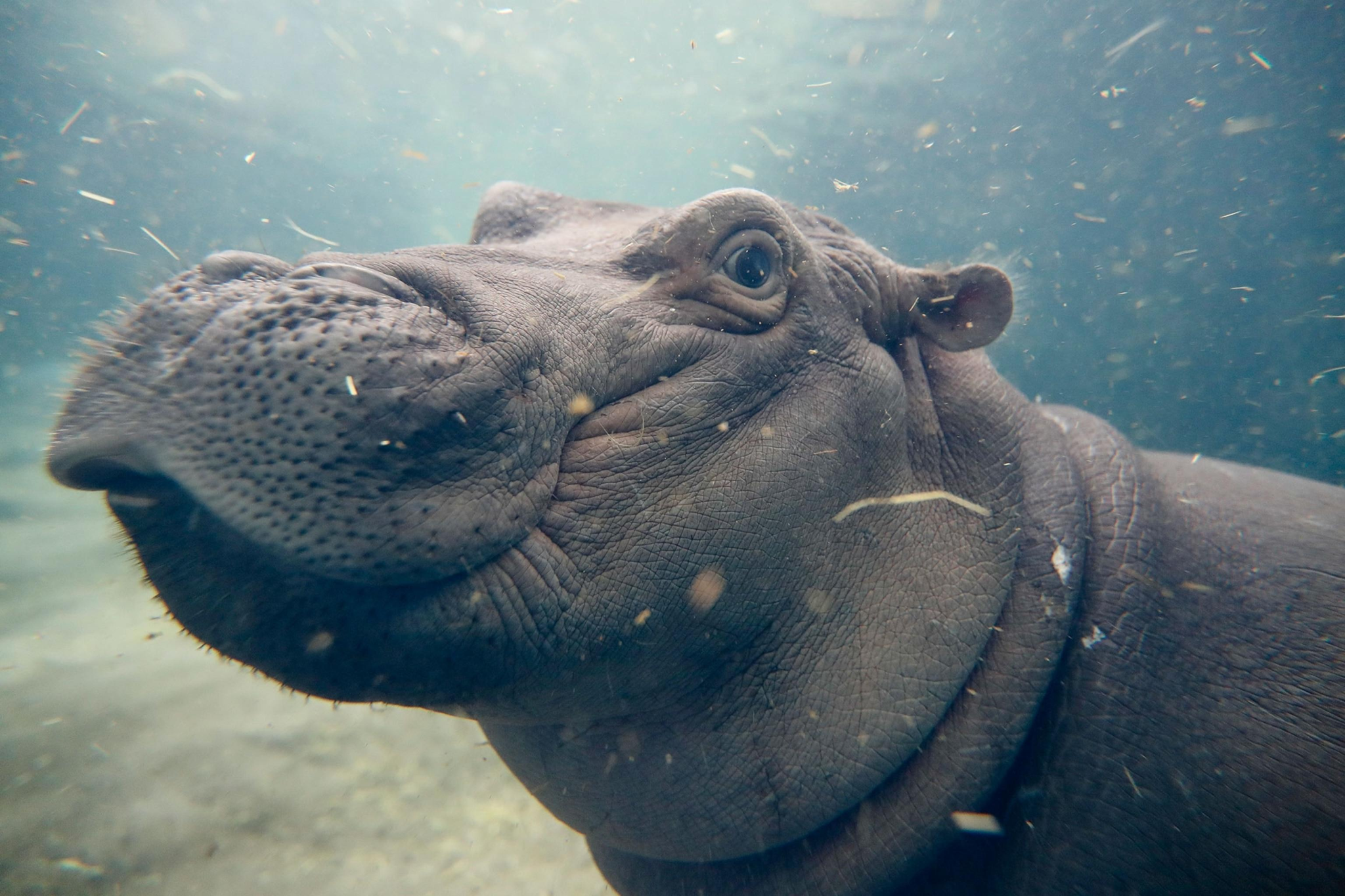
The events leading to Fiona's death began on November 8, when a visitor's knitted hat entered Hippo Cove, the enclosure where Fiona lived alongside other members of her family.
A ceiling fan caught the hat after it was tossed into the air, propelling it through an opening above the exhibit's viewing windows.
Fiona swallowed the material, creating a medical emergency that continued for nearly two weeks.
The circumstances highlighted an unusual vulnerability in the physical design of the habitat. Although visitors were separated from the hippopotamuses by substantial protective barriers, the opening above the windows provided a route through which an object could enter the animals' living area.
The accident has renewed discussion about whether zoological institutions should evaluate the combined effects of enclosure design, ventilation systems and unpredictable visitor behavior.
A protective barrier may prevent direct contact between people and animals while still allowing smaller objects to enter an exhibit under certain conditions.
Following the incident, Fiona's veterinary team undertook several examinations and treatments intended to help her recover.
The difficulty involved locating the swallowed material and determining whether it could be removed without exposing the hippopotamus to additional life-threatening complications.
A necropsy ultimately revealed that the hat had traveled into the middle portion of Fiona's small intestine, approximately 25 feet beyond her final stomach compartment and 50 feet from the end of her intestinal tract.
Dr. Mike Wenninger, Cincinnati Zoo's director of animal health, explained that the object's location made it inaccessible using conventional endoscopic procedures.
The veterinary team also determined that surgical intervention presented unacceptable risks because of Fiona's anatomy and the location of the obstruction.
The medical findings underscored an important distinction between emergencies involving smaller domestic animals and those affecting large wildlife species.
Procedures that might be feasible for a dog or another relatively small mammal may become extraordinarily difficult when treating a fully grown hippopotamus.
On June 15, 2016, Melbourne Zoo welcomed an Asian elephant calf named Willow.
Unlike a healthy newborn elephant, Willow suffered from a congenital condition affecting the joints of her front legs. The disorder prevented her from standing normally and made feeding from her mother, Num-Oi, extremely difficult.
Veterinary specialists worked to correct the condition while providing nutritional assistance and continuous medical supervision.
There were periods of improvement. Treatment helped straighten Willow's legs, and the young elephant gained weight.
However, her condition became more complicated when she developed a severe infection that spread through her body.
The calf was euthanized on August 1, 2016, less than two months after her birth.
Separated by approximately 10 years and thousands of miles, Willow and Fiona became examples of the limitations of modern veterinary medicine.
Both animals required specialized treatment that extended beyond routine animal care. Their cases involved experienced veterinary professionals attempting to manage conditions made particularly difficult by the size, anatomy or physiology of the species involved.
Both also attracted substantial public attention because of the emotional connection people developed with their stories.
However, their medical circumstances were fundamentally different.
Willow suffered from a congenital disorder followed by a serious infection. Fiona experienced an intestinal obstruction caused by swallowing a foreign object.
Willow was treated at Melbourne Zoo in Australia, while Fiona lived at Cincinnati Zoo in the United States.
The meaningful comparison concerns the challenges of treating vulnerable wildlife in captivity, rather than evidence that the same institution repeated the same operational mistake.
The cases raise broader questions about how zoos prepare for medical emergencies, obtain specialized equipment and determine when available interventions are no longer capable of restoring an animal's health.
While Willow's death offers a comparison involving intensive veterinary treatment, historical documentation has brought another case into focus.
In 1923, more than a century before Fiona's death, Cincinnati Zoo lost a hippopotamus named Zeekoe after the animal swallowed a ball introduced into its enclosure by a visitor.
Associated Press reporting cited historical records from Chicago's Field Museum, which received the animal's remains following its death.
The records described an incident involving a child and a rubber ball. Contemporary newspaper accounts referred to the swallowed object as a tennis ball.
The historical case is particularly significant because it involved the same institution, the same type of animal and the ingestion of an object originating outside the habitat.
Unlike the comparison involving Willow, the deaths of Zeekoe and Fiona share a direct connection involving enclosure safety and foreign-object ingestion.
The discovery of this historical parallel raises a difficult question about how knowledge of earlier animal fatalities is incorporated into modern safety planning.
The Cincinnati Zoo of 1923 operated under considerably different conditions from the modern institution responsible for Fiona's care.
Animal management practices, veterinary science, enclosure construction and public safety expectations have changed substantially during the intervening century.
Nevertheless, the historical incident demonstrates that foreign objects entering hippopotamus enclosures have long represented a potentially fatal hazard.
Modern zoo exhibits generally attempt to create environments that provide animals with appropriate living conditions while allowing visitors to observe them safely.
Achieving those goals can involve transparent barriers, open viewing areas and carefully designed environmental features.
For safety specialists, however, the effectiveness of individual components must also be considered in combination.
A barrier that performs adequately under ordinary conditions may provide insufficient protection when another environmental factor alters the movement of an object.
Fiona's accident illustrates why identifying such interactions can be important in preventing unusual but consequential emergencies.
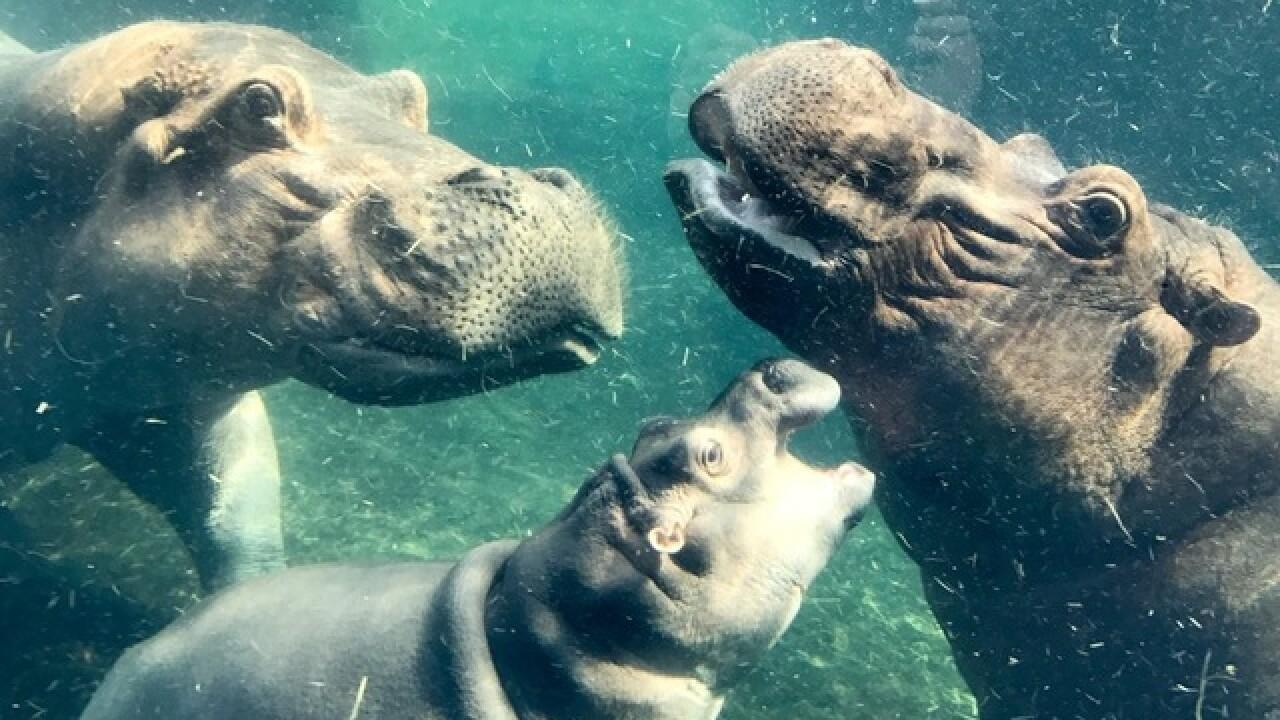
Cincinnati Zoo reopened Hippo Cove on November 23 after implementing two physical changes intended to address the circumstances of the accident.
The institution added protective netting above the viewing windows and removed ceiling fans from the area.
The modifications addressed the opening through which the hat traveled and the equipment that propelled it toward the enclosure.
Zoo Director David Jenike said the habitat had previously satisfied relevant inspection and accreditation requirements.
The changes nevertheless illustrate how an unexpected event can expose a limitation in safeguards that were previously considered adequate.
An important question for future safety reviews is whether these modifications should become common features of other exhibits where comparable openings or environmental conditions exist.
Determining their suitability would require assessments of individual habitats rather than assuming that every zoological facility presents identical risks.
Accreditation and inspection procedures are important components of modern zoo management.
They can help establish whether an institution meets recognized requirements relating to animal welfare, veterinary services, physical facilities and operational safety.
However, safety standards must account for a wide range of species, enclosure designs and institutional circumstances.
An inspection may establish that a particular facility satisfies existing criteria without identifying every unusual sequence of events that could result in an accident.
This distinction becomes especially relevant when an incident involves several otherwise ordinary conditions occurring together.
A comprehensive review of Fiona's death could examine whether the possibility of objects entering the enclosure had previously been assessed, whether historical incidents informed that assessment and whether existing protective measures were considered sufficient.
Such an examination would require access to relevant inspection documents and institutional safety records.
The installation of new safeguards represents a practical response to the accident, but a broader review could help determine whether additional preventive measures are appropriate.
Questions surrounding Fiona's treatment have also focused on whether different medical intervention could have prevented her death.
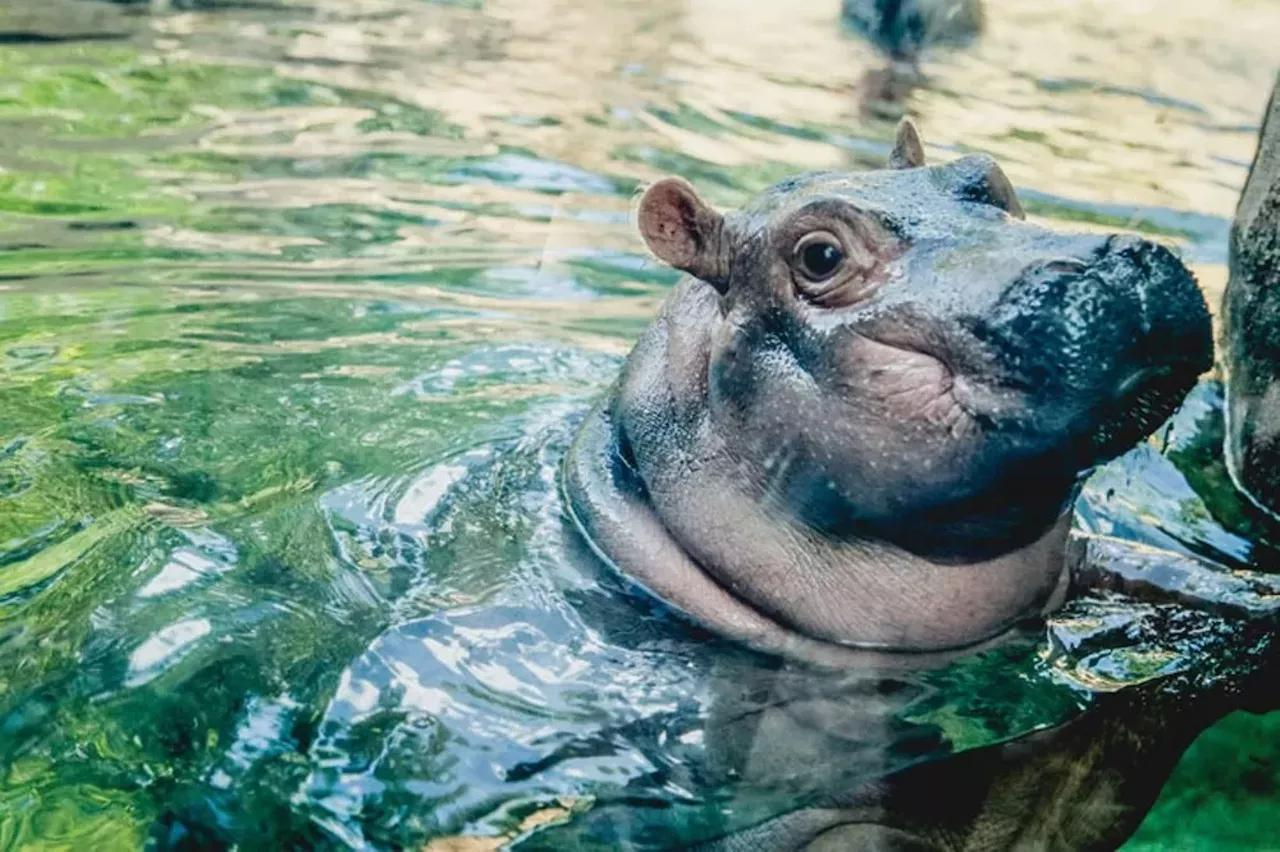 Fiona's medical team attempted examinations from both ends of her digestive tract. Neither approach reached the hat.
The zoo also sought assistance from outside specialists and employed supportive treatments in an effort to improve her condition.
According to the veterinary findings, the obstruction's eventual location made successful removal particularly difficult.
For investigators or independent veterinary reviewers, assessing the timing and appropriateness of treatment would require detailed clinical records rather than conclusions based exclusively on the final outcome.
Another connection between the deaths of Willow and Fiona involves the presence of their mothers.
At Melbourne Zoo, Willow's mother, Num-Oi, was allowed to remain near her calf following the deterioration of its condition. Veterinary personnel described the importance of giving the adult elephant an opportunity to remain with her offspring.
In Cincinnati, Fiona's death has similarly raised questions about how her mother, Bibi, might adjust to the absence of a familiar companion.
For caregivers, the relevant considerations include appetite, activity, interactions with other animals and departures from established behavioral patterns.
Cincinnati Zoo reported after Fiona's death that Bibi and the remaining hippopotamuses, Fritz and Tucker, were behaving normally.
Ongoing observation remains important as the animals adjust to changes within their environment.
Historical animal deaths can provide valuable information for institutions responsible for managing wildlife.
Records of earlier incidents may reveal recurring hazards that deserve consideration when new facilities are constructed or existing exhibits are modified
For Cincinnati Zoo, the 1923 loss of Zeekoe provides a particularly relevant historical example of the danger posed by foreign objects entering a hippopotamus enclosure.
A review of contemporary safety practices could examine how that type of hazard was addressed during the development of Hippo Cove.
It could also consider whether visitor warnings, physical protections, inspection procedures and emergency response plans adequately complemented one another.
Their purpose can be to identify weaknesses in existing systems and determine how those weaknesses might be addressed before another emergency occurs.
The effectiveness of preventive measures is especially important when veterinary treatment may offer limited options after an animal has ingested an unsuitable object.
Public discussion following Fiona's death has increasingly centered on the responsibilities of zoological institutions.
Those responsibilities extend beyond providing food, shelter and routine veterinary attention. They include maintaining environments that protect animals against foreseeable dangers.
Determining whether an institution bears legal responsibility for a particular accident, however, requires an examination of applicable regulations, established duties, available evidence and the foreseeability of the hazard.
The relationship between regulatory compliance and effective risk prevention remains an important consideration in evaluating the events surrounding Fiona's death.
A complete assessment would need to distinguish the actions of the veterinary team responding to the emergency from earlier institutional decisions concerning enclosure safety.
Fiona's death has also revived memories of Harambe, the gorilla who died at Cincinnati Zoo in 2016 after a child entered his enclosure.
The circumstances were different from those surrounding Fiona's fatal medical emergency.
Nevertheless, both losses brought considerable public attention to the relationship between visitor behavior, enclosure design and institutional responsibility.
Fiona's successful recovery following her premature birth in 2017 had provided an uplifting chapter for the institution after the controversy surrounding Harambe.
Her death has now brought renewed attention to the challenges of maintaining safe environments for animals and the people who visit them.
For Cincinnati residents and supporters around the world, the resulting discussion involves both the emotional significance of losing a familiar animal and the practical question of preventing future tragedies.
The deaths of Willow and Fiona, separated by a decade, demonstrate how intensive medical intervention can reach its limits even when experienced professionals are involved.
But the historical death of Zeekoe provides a more direct comparison.
In 1923, a hippopotamus at Cincinnati Zoo died after swallowing a ball. In 2026, another hippopotamus at the same institution died after swallowing a visitor's hat.
More than a century of advancement separates those incidents, yet the underlying category of danger remains recognizable.
The additional protections introduced at Hippo Cove represent an effort to prevent a recurrence of the circumstances that killed Fiona.
For the zoo, the continuing challenge will be determining whether those measures sufficiently address the broader risks associated with foreign objects entering animal habitats.
For the surviving hippopotamuses, including Bibi, the priority remains maintaining a secure living environment and appropriate veterinary care.
Fiona's lasting legacy may ultimately extend beyond her extraordinary survival as a premature newborn. It could also influence how zoological institutions identify hazards, preserve lessons from historical accidents and protect future generations of animals.
Comments (0)
Loading comments...
May You Like

PACIFICA PIER IN CALIFORNIA COLLAPSE REVEALS MASSIVE CRACK BENEATH THE OCEANs!

AMERICA’S NEW-GENERATION AIRCRAFT CARRIERS — MILITARY MIGHT BUILT AT THE EXPENSE OF THE PEOPLE

PACIFICA PIER COLLAPSES AFTER MYSTERIOUS UNDERWATER MOVEMENT IN CALIFORNIA!










Popular Posts


