
Clancy Juror Speaks Out: Ignored Law Despite Tragedy — Public Outrage Erupts
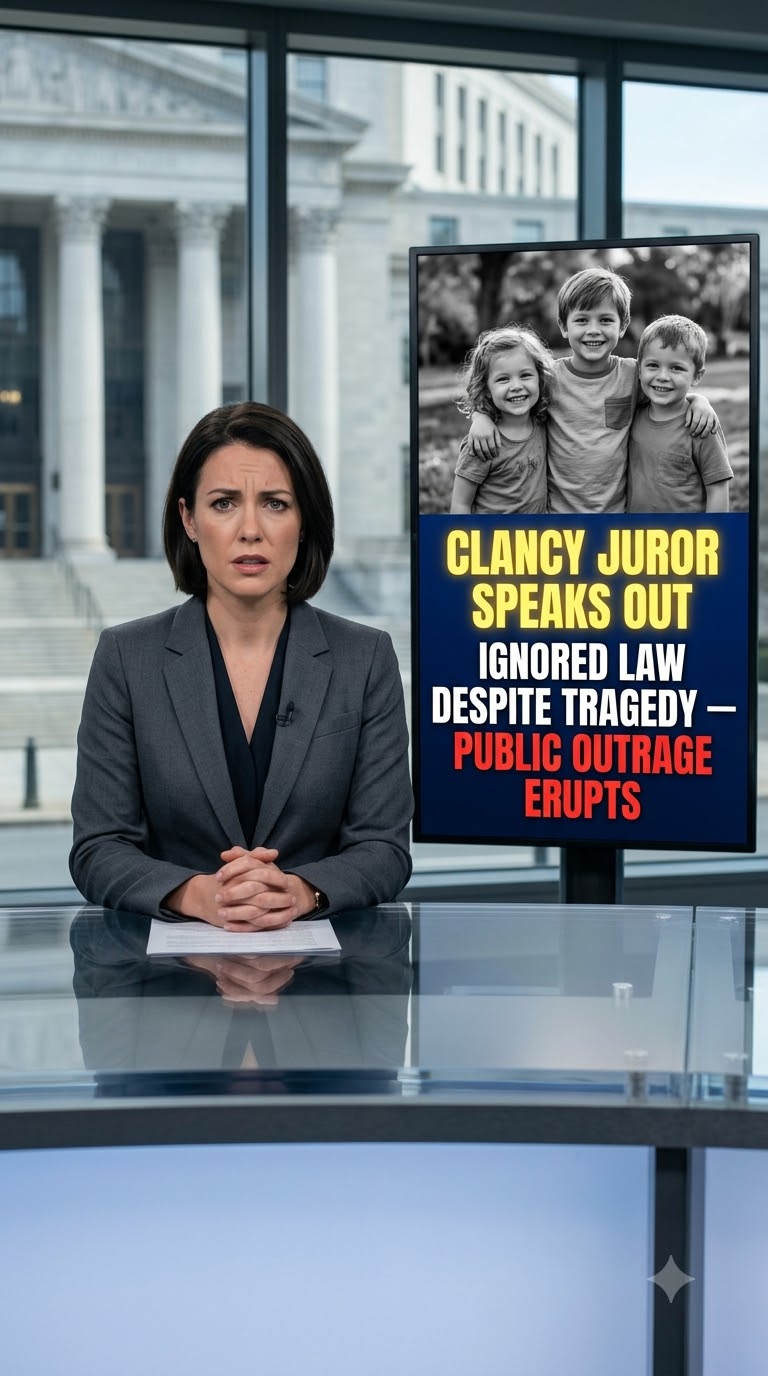
A deliberating juror in the Lindsay Clancy murder trial has admitted she initially believed Clancy was guilty but switched her vote to not guilty because it was the "only way Lindsay would get the help she needs." The stunning admission has sparked a firestorm of public outrage, with critics accusing the juror of jury nullification and disregarding the law in a case involving the strangulation deaths of three young children.
BOSTON – A juror from the Lindsay Clancy trial has broken her silence, revealing that she disregarded the law and voted against conviction despite initially believing Clancy was guilty. The admission, made to reporter Kristina Rex, has ignited a fierce national debate over jury nullification, mental illness, and the limits of the justice system.
According to Rex, the juror—described as one of the youngest on the panel—said she went into deliberations thinking Clancy was guilty but ultimately switched her vote to not guilty because "the only way Lindsay would get the help she needs" was through a not guilty verdict.
The admission has sparked a wave of public outrage, with conservative commentator Matt Walsh leading the charge. In a viral post on X, Walsh wrote: "She's openly admitting she disregarded the law. Jurors are not supposed to be making decisions based on those kinds of calculations. They were there to judge whether Clancy was guilty or not. Period. Their job was not to ensure the Clancy 'gets the help she needs.' What a farce."
The Tragic Case
Clancy, 33, was on trial for the 2023 strangulation deaths of her three young children—5-year-old Cora, 3-year-old Dawson, and 8-month-old Callan—at their Duxbury, Massachusetts home. She then attempted suicide, leaving her paralyzed from the waist down.
Her defense argued she was suffering from severe postpartum psychosis and was not criminally responsible. The prosecution contended she knew what she was doing and made a calculated decision, sending her husband out for dinner to buy time before carrying out the killings.
The jury deliberated for more than 38 hours over seven days before Judge William Sullivan declared a mistrial on Friday. The panel was reportedly deadlocked 11-1, with one holdout preventing a unanimous verdict.
What Is Jury Nullification?
Jury nullification occurs when a jury returns a not guilty verdict despite believing the defendant committed the crime, often because jurors disagree with the law, sympathize with the defendant, or fear the consequences of a conviction. While technically legal, it is highly controversial, and courts generally do not instruct jurors on their right to nullify.
In Clancy's case, the juror's reasoning appears to align with a nullification rationale: she believed Clancy was guilty but feared that a conviction would deny her the mental health treatment she needs. Critics argue this reasoning is a dangerous precedent, allowing personal sympathies to override the rule of law.
The Debate Erupts
The juror's comments have divided the nation. Supporters argue that the case was never a simple question of guilt or innocence—it was about whether a severely mentally ill woman should be punished or treated. "This is exactly what juries are for," one commenter wrote. "They are the conscience of the community."
Critics, however, echoed Walsh's concerns. "This is jury nullification, plain and simple," another user wrote. "She substituted her own judgment for the law. That's not justice—it's anarchy."
Others pointed out that the juror's comments could complicate any potential retrial, as they suggest the deadlock was not based on a genuine disagreement over the facts but on a refusal to apply the law.
What's Next for Clancy?
Clancy remains at Tewksbury State Hospital, where she has been held since the killings. A hearing is scheduled for Sept. 29, when prosecutors will announce whether they intend to retry the case, offer a plea deal, or drop the charges.
For now, the mistrial stands—and the debate over the juror's reasoning is far from over. As one legal analyst put it: "This case was always going to be about more than just the facts. It's about how we, as a society, handle mental illness, motherhood, and justice. That conversation is just beginning."
Comments (0)
Loading comments...
May You Like

Shocking news from Ohio: an unexpected development ahead of Trump's rally

FIGHT OVER OBAMA’S IRAN POLICY

OBAMA STUNS ON INSTAGRAM: MESSAGE MARKING 34-YEAR MILESTONE SPARKS A BUZZ












