
Code Red? Court Rejects Emergency Bid to Block 20,000 California Ballots
Code Red? Court Rejects Emergency Bid to Block 20,000 California Ballots
The Ninth Circuit turned away the Trump administration’s emergency appeal, leaving the dispute over flagged voters to continue in the lower court.
News analysis · October 27, 2026
A high-stakes election dispute in California has intensified days before the November 3 midterm elections. The Trump administration sought emergency court intervention to stop officials from counting ballots associated with roughly 20,000 registered voters whose citizenship it questioned.
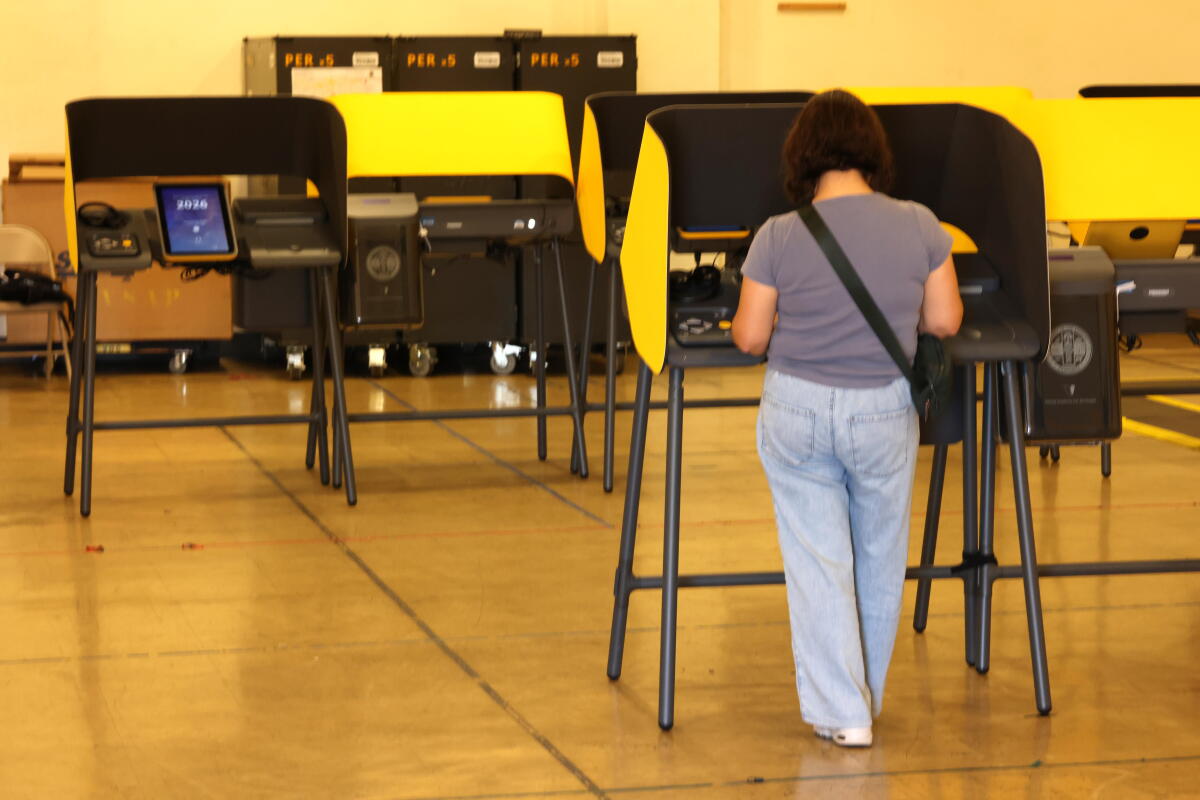
On October 26, a three-judge panel of the U.S. Court of Appeals for the Ninth Circuit rejected the emergency appeal. The majority said the appellate court lacked jurisdiction to step in before the federal district court had been given an adequate opportunity to consider the administration’s request.
The ruling did not declare the 20,000 ballots invalid, and it did not order election officials to discard them. Instead, it sent the dispute back to the lower-court process, where the underlying arguments can be considered.
The distinction matters. The government had asked officials to segregate ballots tied to people on its list until their citizenship could be verified. The court’s procedural decision was not a final factual finding about the citizenship of every voter on that list.

Two judges indicated that, even if the appeals court had been able to reach the merits immediately, they would have rejected the administration’s request for additional reasons. Their concerns included the timing of the lawsuit and the risk of disrupting an election already underway.
The majority said the federal government had not given the district court enough time to evaluate its request before taking the dispute to the appeals court. The judges described the claimed emergency as partly self-created by the administration’s own timing.
One judge dissented. He argued that the federal government has a legitimate interest in protecting federal elections and should be allowed to pursue relief against ballots it believes may have been cast by noncitizens.
Noncitizens are generally barred from voting in federal elections, and California law also limits voting to eligible citizens. But that legal rule does not by itself establish that every person identified in a government data list is ineligible. The accuracy and basis of the list are central issues in the dispute.
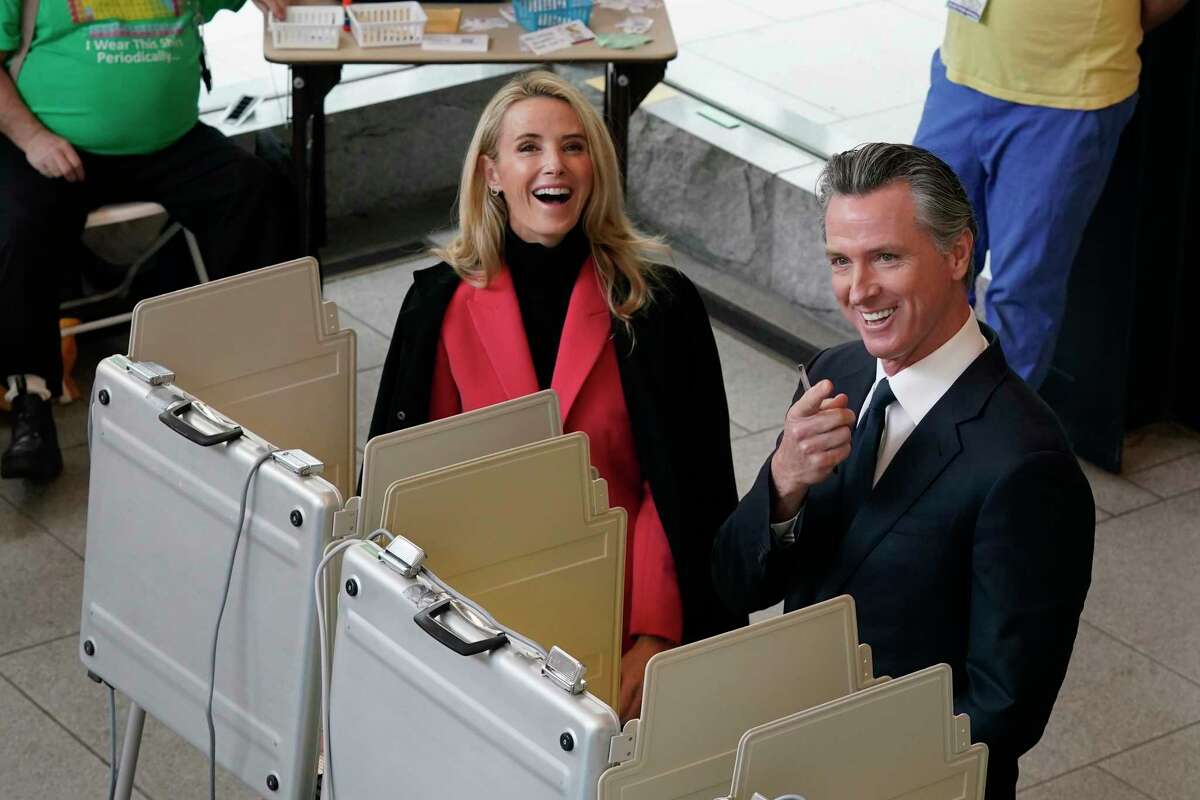
California officials have challenged the reliability of the federal list, saying it appears to include errors. Election administrators and voting-rights advocates warn that acting on inaccurate records could lead to eligible citizens being questioned or their ballots being delayed.
The administration, by contrast, argues that officials should not count ballots it believes may come from ineligible voters before the citizenship concerns are resolved. The courts must weigh those claims against election law, constitutional limits, and the practical realities of processing ballots at scale.
The timing has made the case especially sensitive. Millions of Californians have already participated in the midterm election, and election workers are processing ballots under established deadlines and procedures.
Election officials say separating ballots after processing can be difficult or impossible in some circumstances, because ballot secrecy rules prevent linking a specific vote to an individual once the ballot has been separated from identifying information.

The dispute also raises broader questions about how voter-registration data should be checked and what evidence is sufficient before election officials are ordered to withhold or segregate ballots.
Courts are often reluctant to impose major changes to election procedures immediately before voting concludes, especially where the requested remedy could affect large numbers of voters. That concern featured prominently in the judges’ reasoning.
The Ninth Circuit’s decision was therefore a setback for the administration’s attempt to obtain immediate emergency relief, but it did not necessarily end the underlying lawsuit. The district court can still consider the request and the parties’ evidence.
A hearing in the lower court was expected to address whether officials should be required to take any action concerning the flagged ballots. Any later ruling could clarify what evidence is needed and what remedies are legally available so close to Election Day.
For now, the key takeaway is narrower than some dramatic headlines suggest: the appeals court did not order California to throw away 20,000 votes. It rejected the emergency appeal on procedural grounds, while two judges also expressed substantive doubts about the requested intervention.
The case remains a consequential test of federal authority, state control over election administration, and the safeguards designed to protect both election integrity and eligible voters’ access to the ballot.
As the lower-court proceedings continue, the central questions will be whether the government’s voter list is reliable, whether its proposed remedy is lawful, and whether any intervention can occur without creating confusion or disenfranchising eligible voters.
Comments (0)
Loading comments...
May You Like

WWE BRONSON REED DEAD AT 38, STIMULANTS DETECTED, $10M INSURANCE PAYOUT FROZEN!

EAST COAST STORM CRISIS—5 MILLION AT RISK OF BLACKOUTS, WATER, AND HEATING FAILURES!

STAR DIED AT 38, $10M LIFE INSURANCE INCREASED JUST 30 DAYS BEFORE WWE BRONSON REED'S DEATH!









Popular Posts



