Could Dr. Anthony Fauci Face Criminal Investigation? The Questions Behind Calls to Put Him Behind Bars
Dr. Anthony Fauci, the former director of the National Institute of Allergy and Infectious Diseases and one of the most recognizable figures of the COVID-19 pandemic, remains at the center of a bitter political debate over accountability, scientific decision-making, and the federal government's pandemic response.
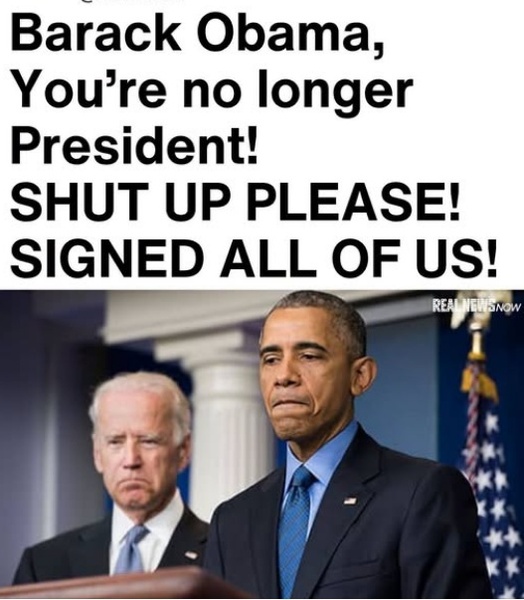
A widely circulated political image asks who else would like to see Fauci investigated and imprisoned. The message reflects longstanding anger among some critics of the government's pandemic policies, but it also raises an important legal question: what evidence would be necessary to justify criminal charges against a former senior public health official?
The image itself provides no evidence of criminal wrongdoing, and a demand for imprisonment is not the same as a criminal indictment, conviction, or judicial finding of guilt.

Fauci spent decades working in public health before becoming a household name during the coronavirus pandemic. As a senior federal infectious disease adviser, he participated in the government's response to major health emergencies, including HIV/AIDS, Ebola, and COVID-19.
During the early stages of the pandemic, Fauci frequently appeared alongside President Donald Trump at White House coronavirus briefings. His public comments about infection risks, vaccines, masks, and social distancing attracted enormous attention.
The relationship between Trump and Fauci eventually became strained as disagreements emerged over the severity of the pandemic, the pace of reopening the economy, and the administration's public health messaging.
Fauci's supporters regarded him as a scientist attempting to communicate changing evidence during an unprecedented emergency. Critics accused him of providing inconsistent guidance and supporting restrictions they believed caused unnecessary economic and social damage.

Those disagreements intensified as schools closed, businesses faced restrictions, and Americans struggled with the consequences of prolonged disruption.
Questions about the origins of COVID-19 became another major source of controversy. Lawmakers examined whether research involving coronaviruses, including work connected to institutions in Wuhan, China, had received American funding.
Fauci repeatedly faced questions about the National Institutes of Health's oversight of research grants and whether federal officials had adequately disclosed relevant information.
Investigating those questions is a legitimate function of congressional oversight. However, disagreements about research funding, scientific definitions, or administrative decisions do not automatically establish that a criminal offense occurred.
The controversy entered a new phase in 2026 when Senator Rand Paul, the Republican chairman of the Senate Homeland Security and Governmental Affairs Committee, intensified his efforts to question Fauci about the pandemic response.
On July 29, Fauci appeared before the committee and invoked his Fifth Amendment right against self-incrimination more than 100 times. His decision triggered a confrontation over whether a previously pardoned official could refuse to answer congressional questions.

On August 6, the Republican-led committee voted to hold Fauci in contempt of Congress. Paul subsequently referred the matter to the Department of Justice for possible prosecution.
The Justice Department confirmed that it had received the referral and was reviewing it. A congressional referral, however, does not automatically result in criminal charges, and prosecutors retain discretion over whether to pursue a case.

The dispute is complicated by President Joe Biden's decision to grant Fauci a preemptive federal pardon in January 2025. The pardon covered potential federal offenses connected to his official duties during a specified period ending that month.
Paul argues that the pardon eliminated Fauci's risk of federal prosecution for his earlier conduct and therefore undermined his justification for invoking the Fifth Amendment.
Fauci's lawyers disagree, arguing that he still faced potential legal exposure and that the congressional proceedings were politically motivated. The pardon does not cover future offenses or state crimes, making the constitutional questions more complicated than either side's political messaging suggests.

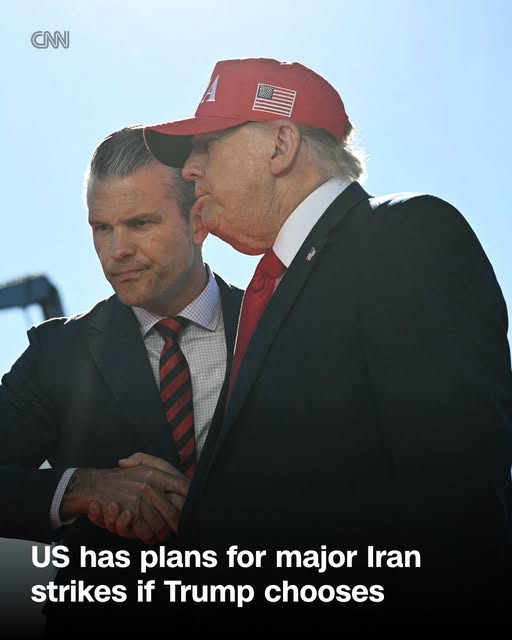
President Trump has also expressed openness to prosecuting Fauci, comparing the situation with contempt cases involving former Trump advisers Steve Bannon and Peter Navarro.
The comparison has attracted attention because Bannon and Navarro were convicted in separate contempt-of-Congress proceedings and served prison sentences. Whether Fauci's circumstances would support a similar prosecution remains a disputed legal question.
Meanwhile, state-level inquiries have added to Fauci's legal challenges. Officials in Florida, West Virginia, and Louisiana have pursued investigations into allegations connected to the pandemic response.
In August, Fauci's attorneys established an independent legal defense fund to help cover the costs of responding to investigations. Fauci has denied allegations of misconduct, and the existence of an investigation does not establish criminal liability.
The controversy has become a larger test of how Congress exercises oversight, how constitutional protections apply to witnesses, and how presidential pardons affect future investigations.
Republicans seeking further scrutiny argue that public officials must answer legitimate questions about government decisions made during a national emergency.
Fauci's defenders maintain that congressional oversight should not become a vehicle for punishing individuals who exercise constitutional rights or hold politically unpopular views.
Comments (0)
Loading comments...
May You Like