
DEADLY H5N1 BIRD FLU RAISES CONCERNS — WHAT SHOULD AMERICANS KNOW?
DEADLY H5N1 BIRD FLU STRIKES AMERICAN FARMS! HOW DANGEROUS IS THE VIRUS?
UNITED STATES — NOVEMBER 25, 2026
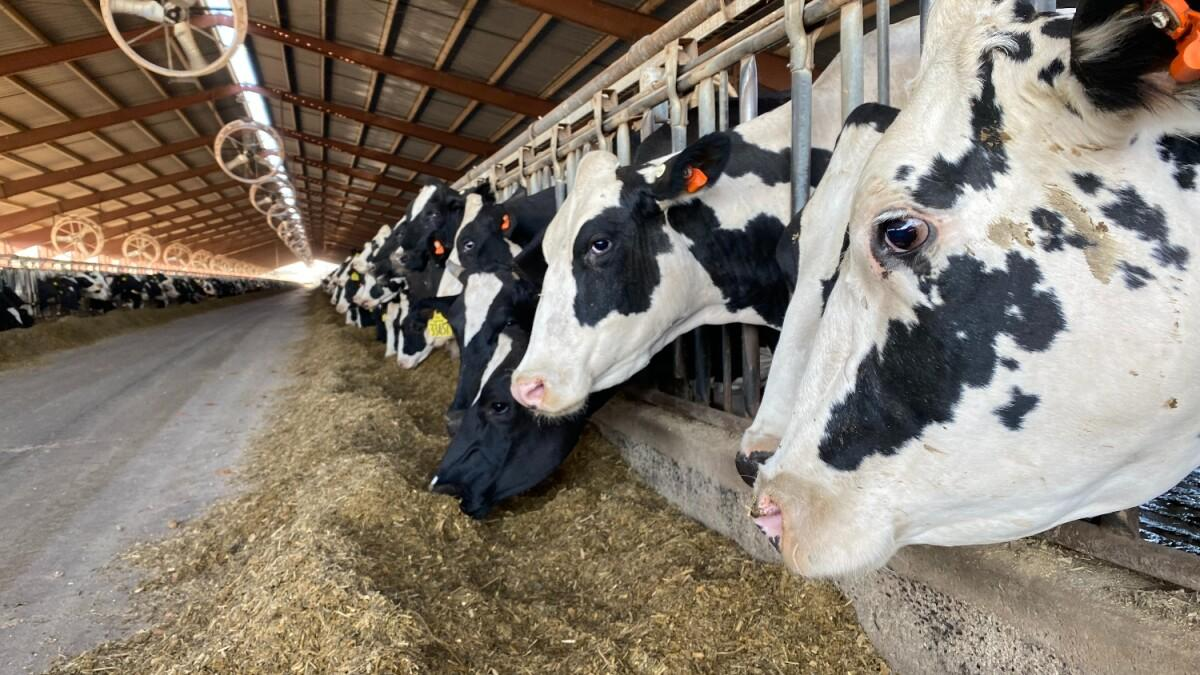
American agricultural communities are facing renewed health concerns following reports of three human H5N1 avian influenza infections in Washington state, including one fatality.
The reported infections have raised serious questions about the transmission of bird flu from infected livestock to humans and the safety of agricultural workers.
Could this deadly virus become a broader public health threat? And what precautions should ordinary Americans take?
1. Three Human Infections Raise Public Health Concerns
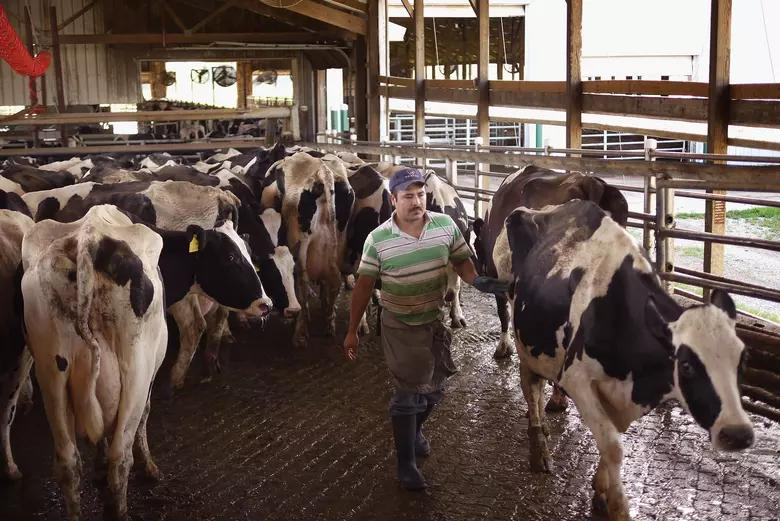
According to the reported WHO findings, the latest cases involved dairy farmworkers in Washington state.
One patient reportedly developed severe illness and died, while the other two experienced milder symptoms.
These infections highlight the importance of protecting agricultural workers who regularly come into contact with potentially infected animals.
The three reported cases should not be confused with the cumulative number of human bird flu infections recorded across the United States.
2. What Is the Deadly H5N1 Virus?
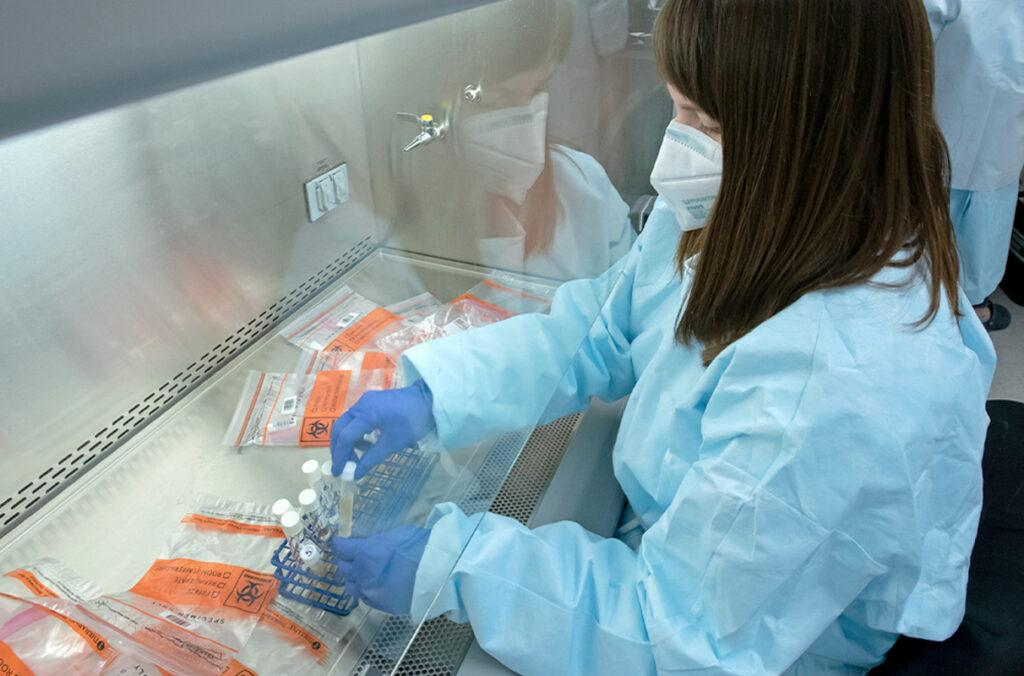
H5N1 is a subtype of influenza A that primarily infects birds but can also spread to mammals, including dairy cattle and humans.
Although human infections remain relatively uncommon, the virus can cause severe respiratory illness, pneumonia and potentially fatal complications.
Scientists are particularly concerned about its ability to cross species barriers and undergo genetic changes.
The term highly pathogenic avian influenza refers to the severity of disease in poultry, rather than the severity of every human infection.
3. America's Dairy Farms Face a Serious Challenge
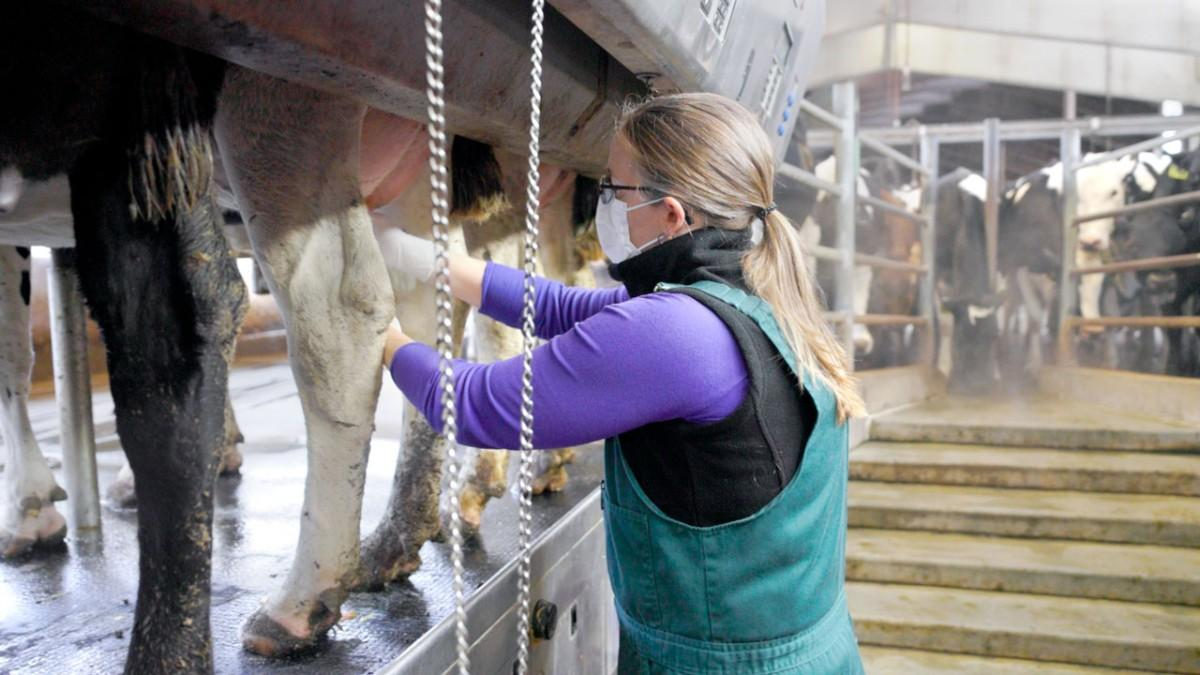
The spread of H5N1 among dairy cattle has created additional challenges for America's agricultural industry.
Farmworkers who handle infected animals, contaminated equipment or raw milk may face an increased risk of infection.
Dairy farmers must also contend with additional testing requirements, biosecurity expenses and potential production losses.
Early detection and effective infection-control measures are essential to protecting both workers and livestock.
4. How Does H5N1 Spread to Humans?
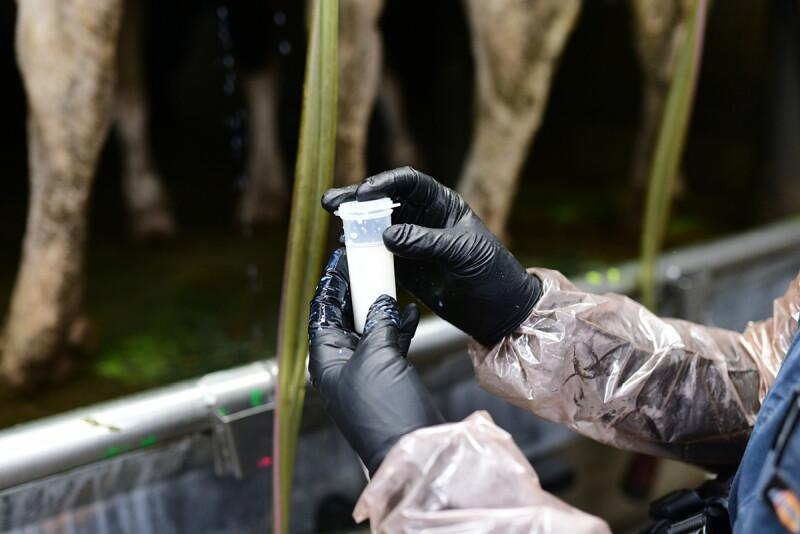
Humans can become infected through close contact with infected animals or contaminated materials.
One possible animal-to-human transmission pathway.
People working directly with infected animals without appropriate protective equipment are particularly vulnerable.
Sustained human-to-human transmission has not been established in the reported outbreak.
5. What Are the Warning Signs of Bird Flu?
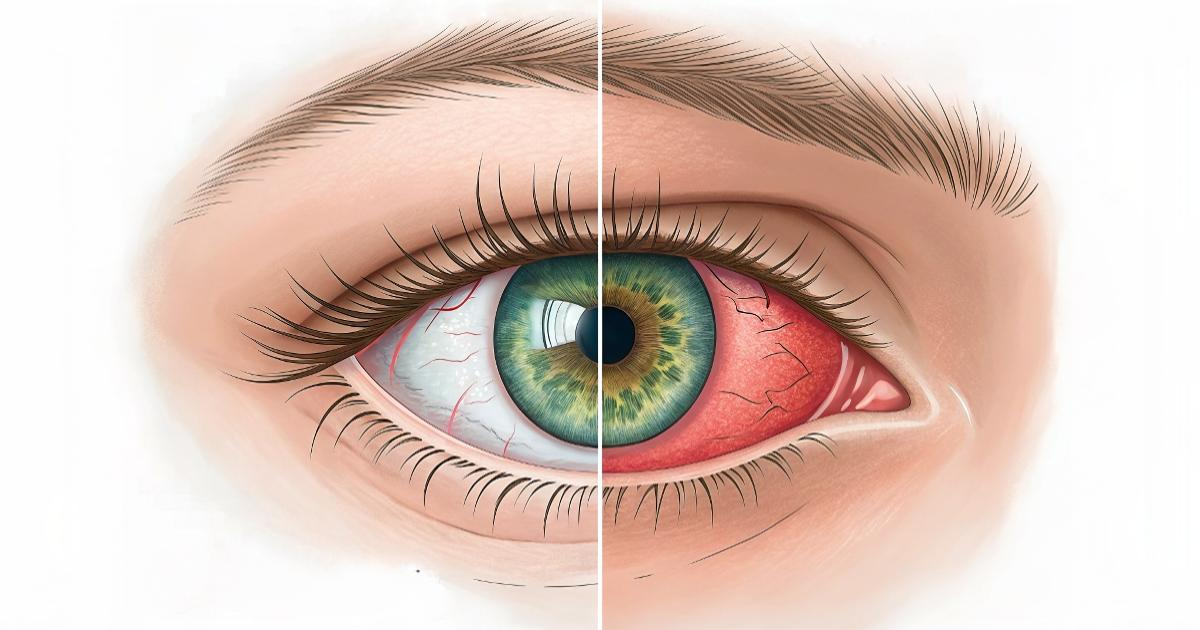
Eye redness and irritation
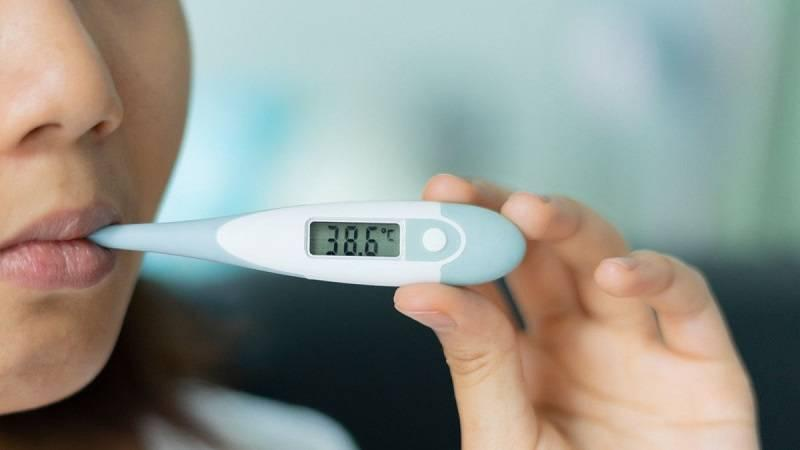
Fever and chills
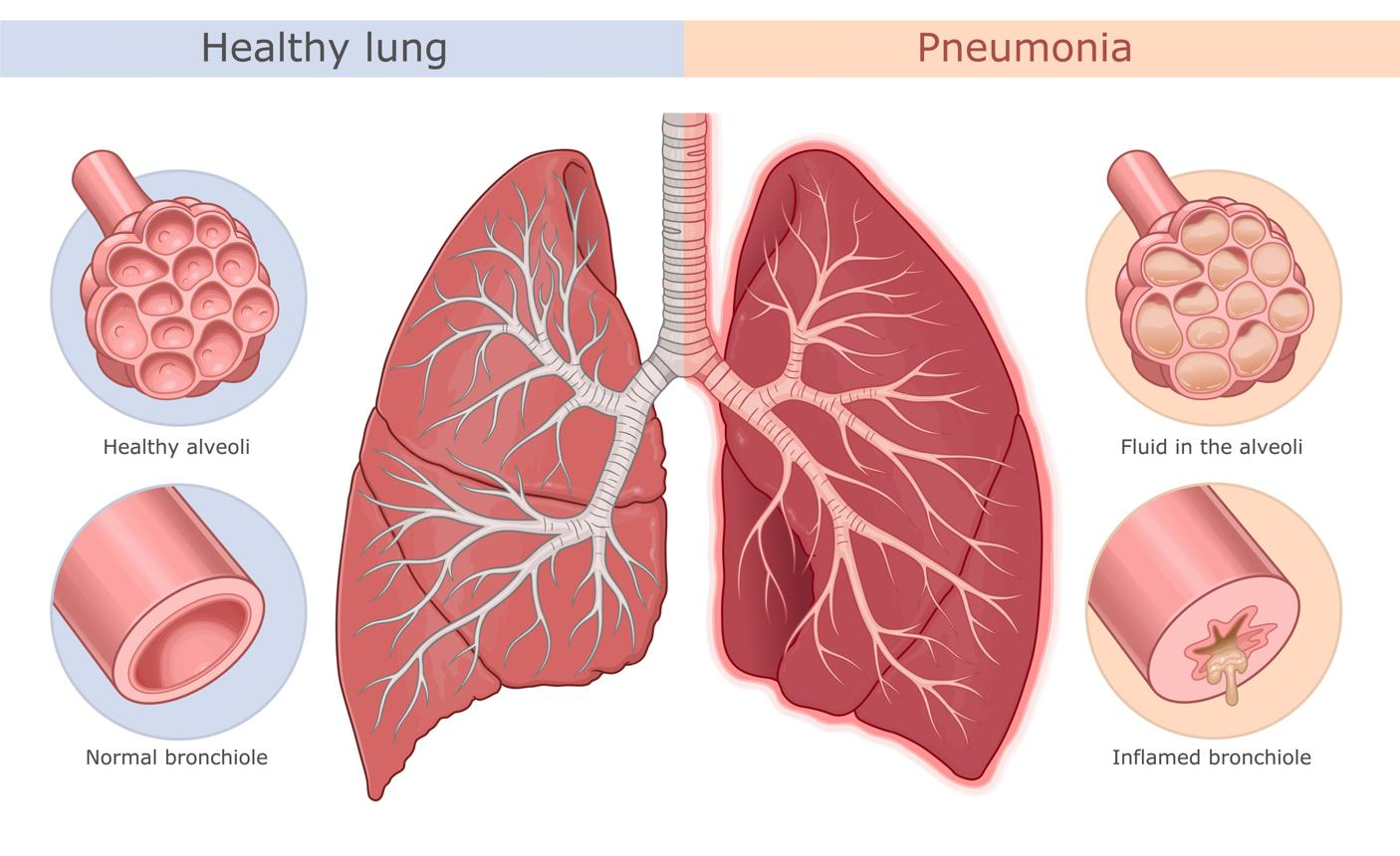
Cough and breathing difficulties

Headaches and fatigue
Symptoms can range from mild eye irritation to severe respiratory illness.
Other symptoms may include sore throat, muscle aches and unusual weakness.
Anyone experiencing symptoms after contact with potentially infected animals should promptly contact a healthcare professional and disclose their animal exposure.
Difficulty breathing requires immediate medical attention.
6. Could H5N1 Trigger Another Pandemic?

Scientists are closely monitoring H5N1 because influenza viruses can evolve over time.
The longer the virus circulates among animals, the more opportunities it has to undergo genetic changes.
A virus capable of spreading efficiently between humans would represent a substantially different public health threat.
However, animal-to-human infections do not automatically mean a pandemic is approaching.
|
Public health question |
Assessment
Can H5N1 infect humans?
Yes
Can it cause fatal illness?
Yes
Are exposed farmworkers particularly vulnerable?
Yes
Has sustained human transmission been established in the reported outbreak?
No
Does the outbreak prove another pandemic is imminent?
No
Continued surveillance is essential, but there is no justification for assuming that another pandemic has already begun.
7. Is It Safe to Drink Milk and Eat Eggs?
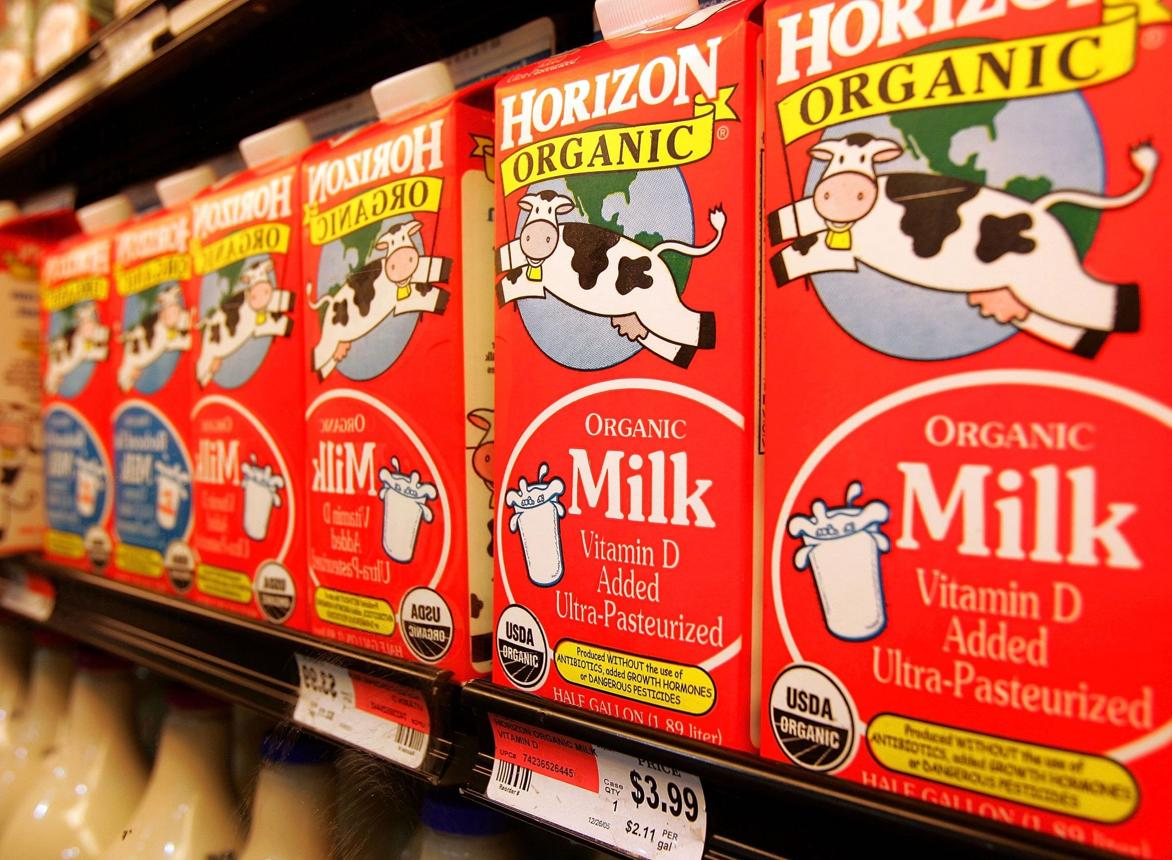 Pasteurized milk
Safe when properly processed and stored.
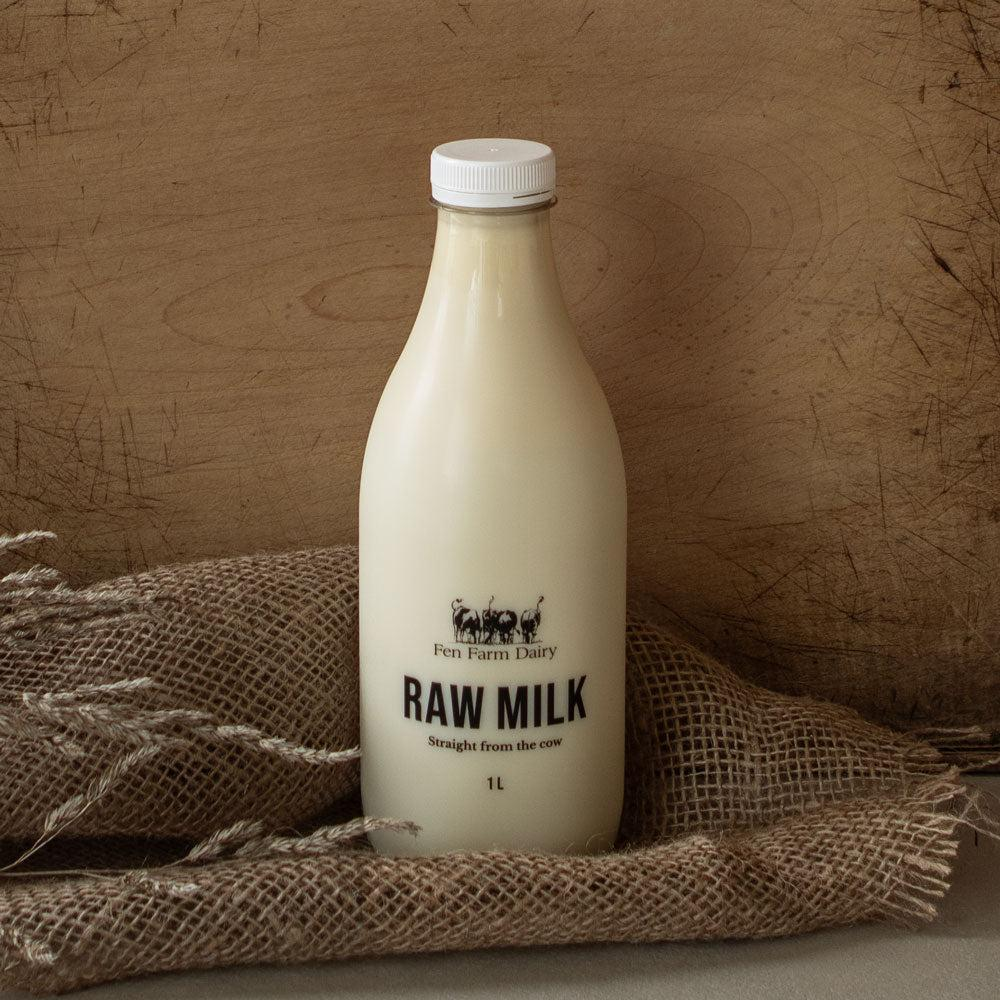
Raw milk
Avoid consumption.

Cooked eggs
Safe when properly handled and thoroughly cooked.
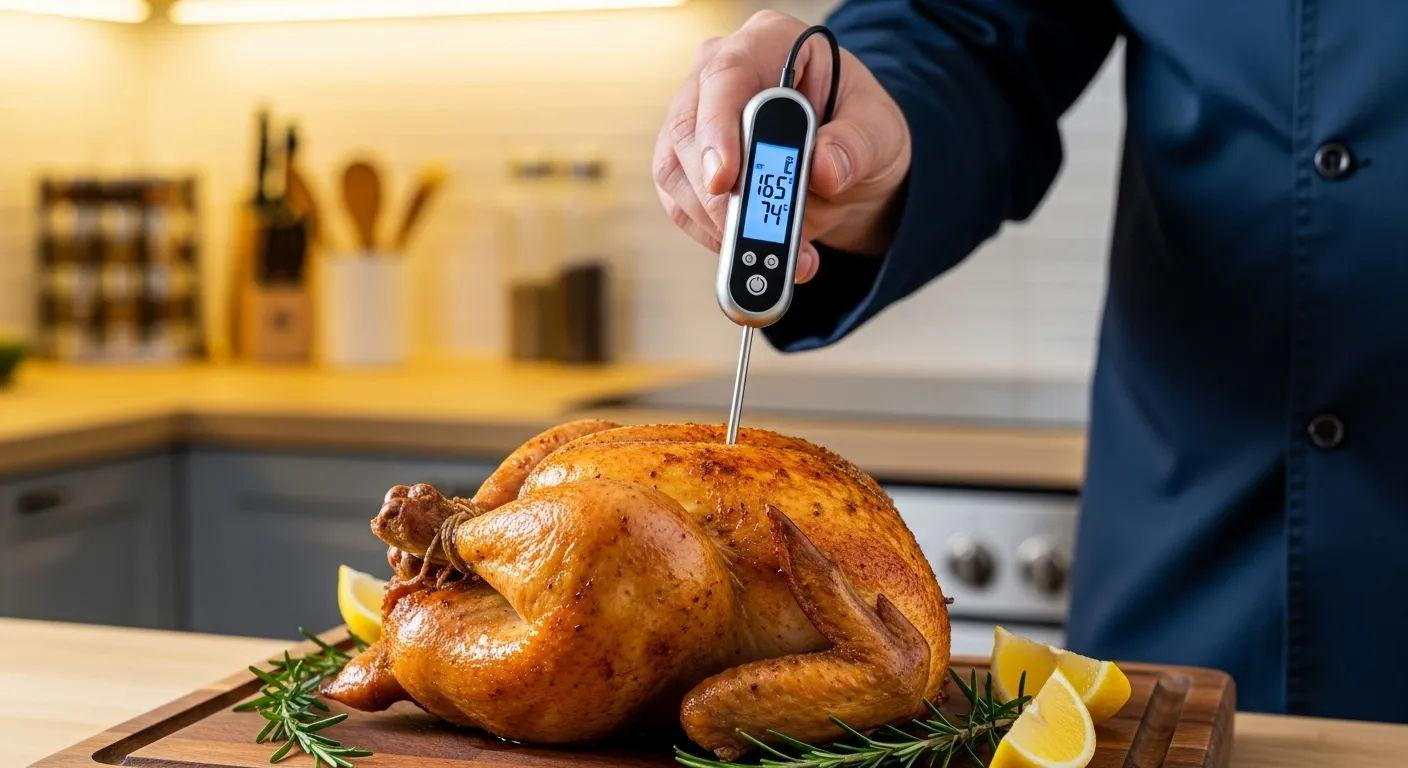
Cooked poultry
Cook to an internal temperature of 165°F (74°C).
Pasteurization is effective at inactivating the bird flu virus in milk.
Americans should avoid raw milk and follow established food safety recommendations.
There is no reason to stop consuming properly processed dairy products or thoroughly cooked poultry and eggs solely because of the reported human infections.
8. Farmworkers Must Strengthen Protective Measures
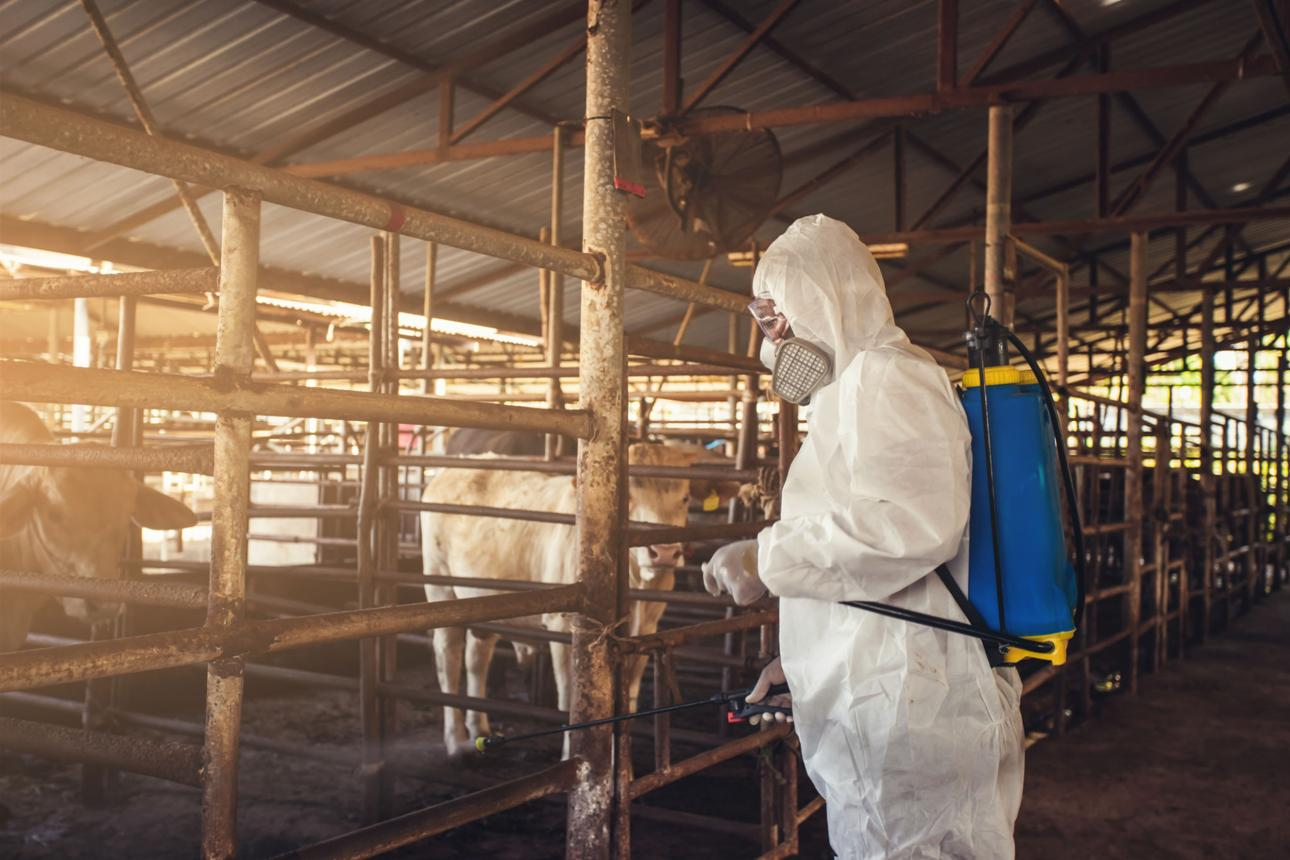
Agricultural workers should follow CDC recommendations when handling potentially infected livestock.
Appropriate protective equipment may include:
-
NIOSH-approved respirators.
Safety goggles.
Protective gloves.
Fluid-resistant coveralls and aprons.
Protective boots and head coverings.
Employers should provide suitable equipment, worker training and procedures for safely handling contaminated materials.
Workers should also monitor themselves for symptoms for 10 days after their last potential exposure.
9. Can H5N1 Be Treated?
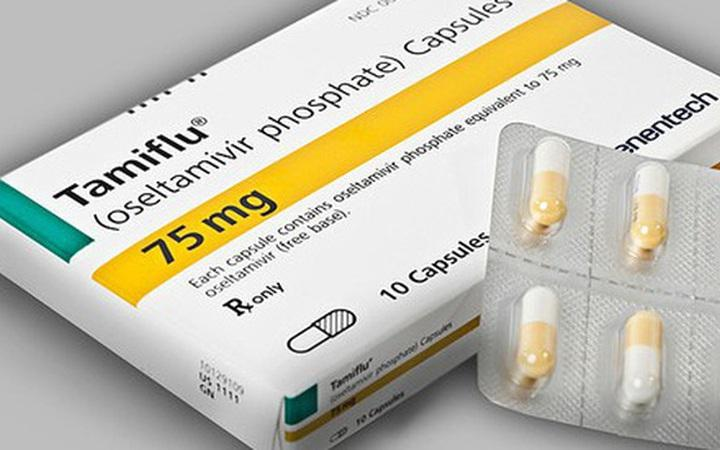
Antiviral medications such as oseltamivir can be used to treat human H5N1 infections under medical supervision.
Early treatment is particularly important because severe influenza infections can progress rapidly.
Seasonal influenza vaccines do not provide direct protection against H5N1, although seasonal vaccination remains important for preventing ordinary influenza.
Researchers have also developed specialized candidate vaccines as part of pandemic preparedness efforts.
10. Could Bird Flu Drive American Food Prices Higher?
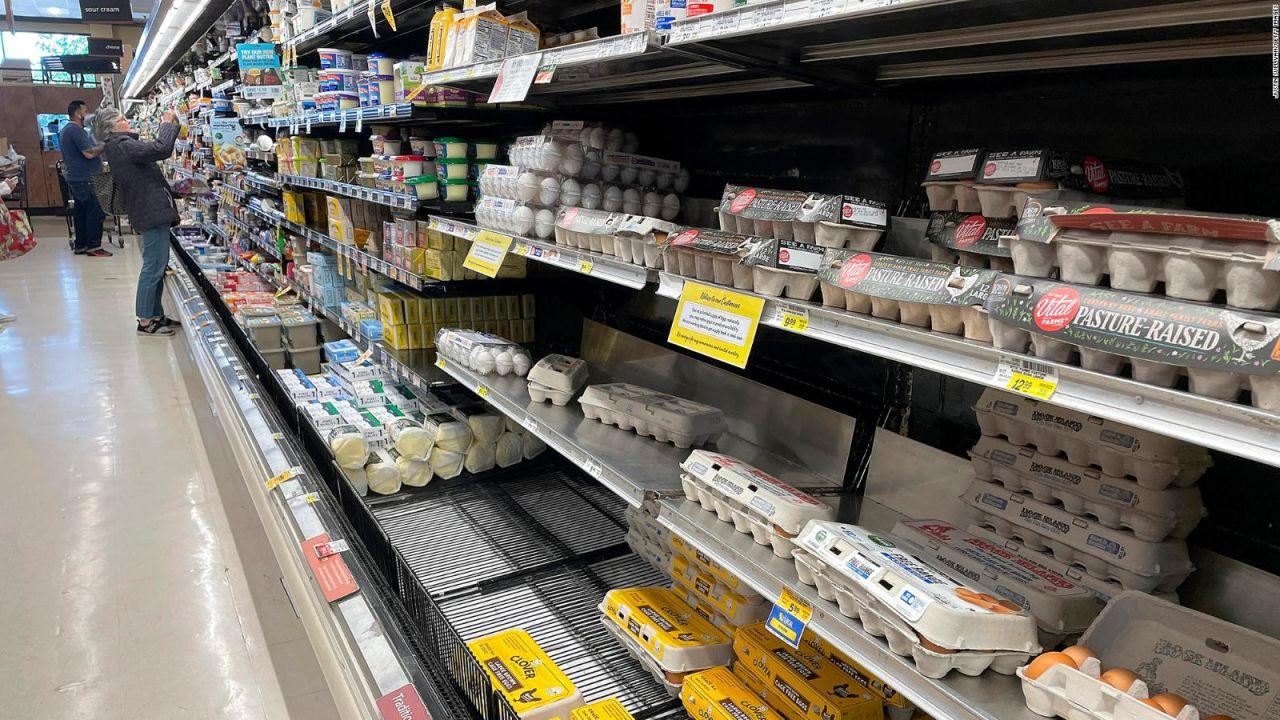
Beyond the public health implications, bird flu outbreaks can create substantial economic challenges.
Affected agricultural businesses may experience production losses, increased veterinary expenses and higher biosecurity costs.
Widespread poultry outbreaks can also disrupt egg supplies, potentially contributing to higher retail prices.
Dairy producers may face reduced milk production among infected cattle.
However, the reported human infections alone do not establish that nationwide food prices will increase.
The economic consequences will depend on the scale and duration of animal outbreaks.
11. What Should Ordinary Americans Do?
H5N1 prevention checklist
0 of 6 recommendations reviewed
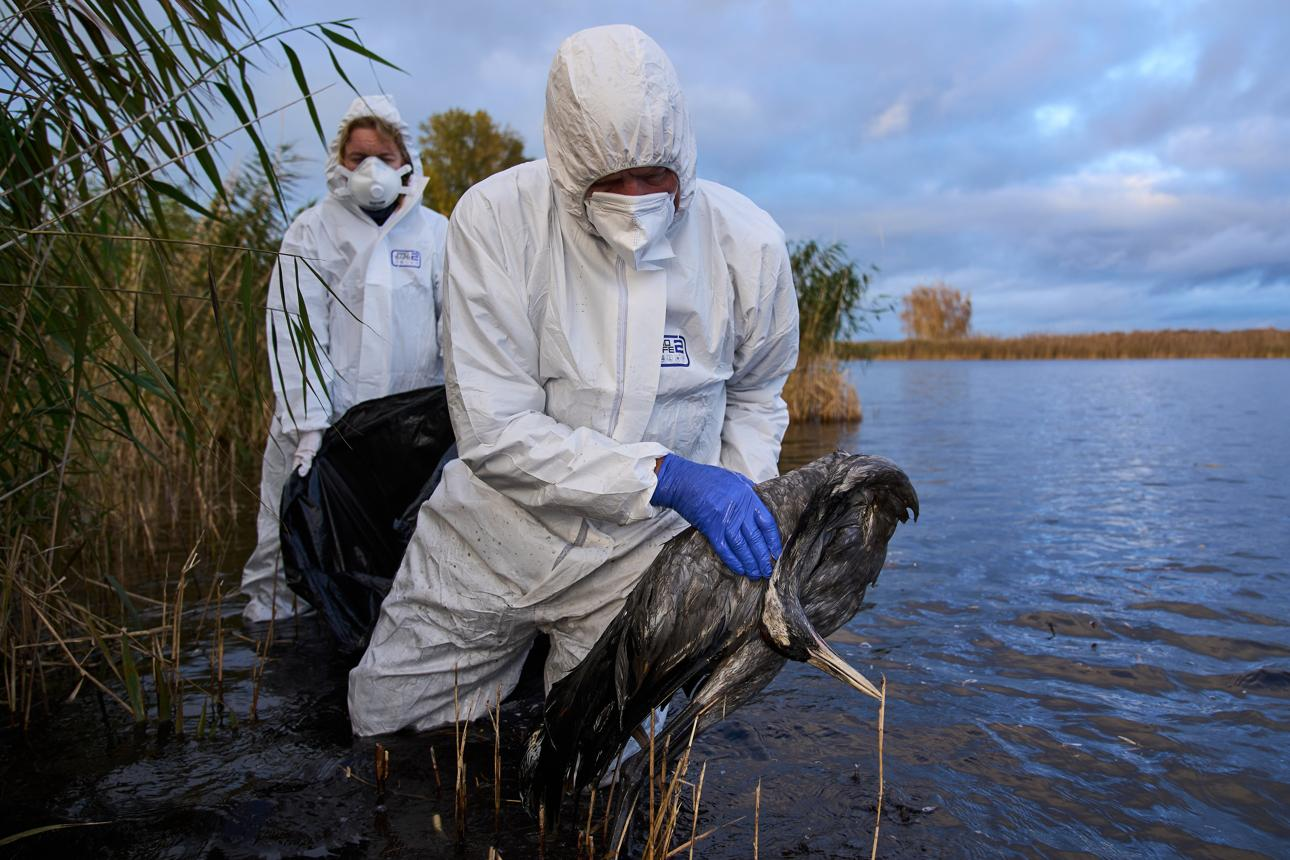
Avoid direct contact with sick or dead wild birds.
Avoid raw milk and unpasteurized dairy products.
Cook poultry and eggs thoroughly.
Wash hands after contact with animals.
Wear recommended protective equipment when working with infected livestock.
Seek medical advice if symptoms develop following animal exposure.
Practical precautions and reliable public health information remain the most effective ways to reduce unnecessary risks.
12. A Serious Warning for America's Agricultural Industry
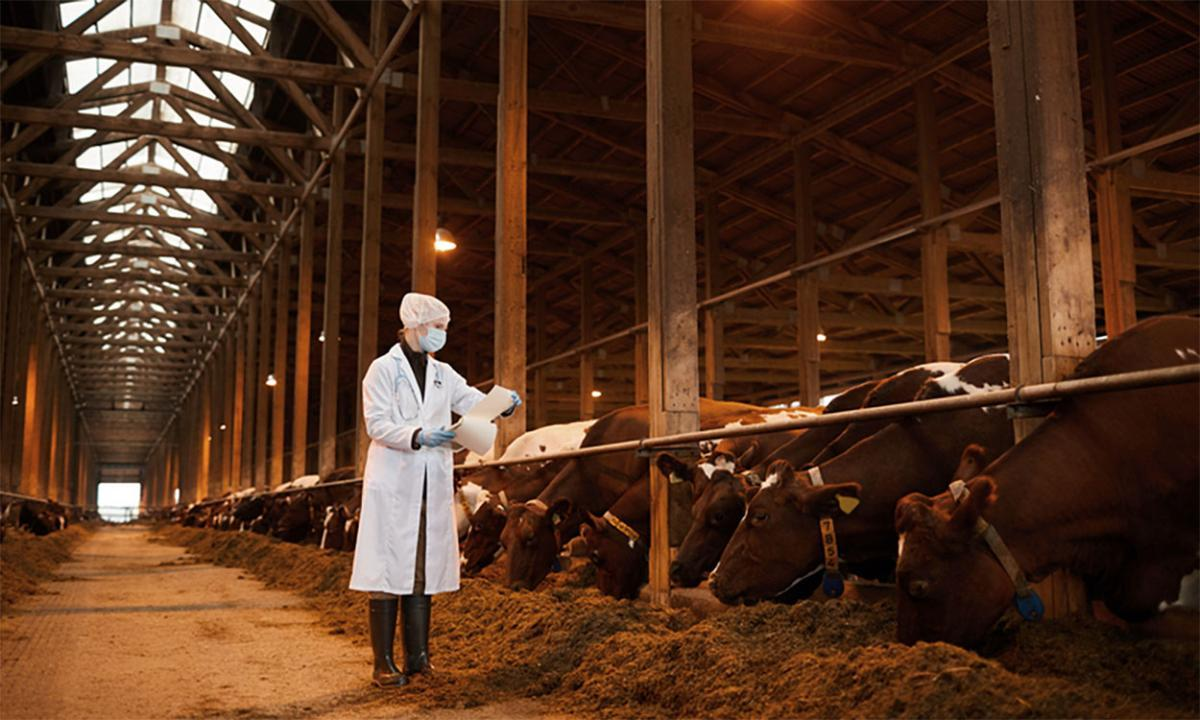
The reported death associated with H5N1 serves as a reminder that animal diseases can have devastating consequences for humans.
America's agricultural industry must remain vigilant, strengthen biosecurity and ensure that workers receive adequate protection.
At the same time, the public must distinguish legitimate health concerns from unsubstantiated predictions of a global catastrophe.
H5N1 is a potentially deadly virus, but the immediate priority remains preventing animal-to-human infections, protecting agricultural workers and detecting any changes in transmission.
Will America's agricultural and public health systems be able to contain the threat before it becomes more widespread?
AMERICA, WHAT DO YOU THINK? SHOULD THE GOVERNMENT STRENGTHEN BIRD FLU PREVENTION MEASURES TO PROTECT FARMERS AND AMERICAN FAMILIES? SHARE YOUR OPINION IN THE COMMENTS BELOW!
Reference sources
Comments (0)
Loading comments...
May You Like

PACIFICA PIER IN CALIFORNIA COLLAPSE REVEALS MASSIVE CRACK BENEATH THE OCEANs!

AMERICA’S NEW-GENERATION AIRCRAFT CARRIERS — MILITARY MIGHT BUILT AT THE EXPENSE OF THE PEOPLE











Popular Posts


