
DEMOCRATS SEIZE FULL CONTROL OF CONGRESS — Trump Faces Impeachment Threats as Pete Hegseth Comes Under the Spotlight
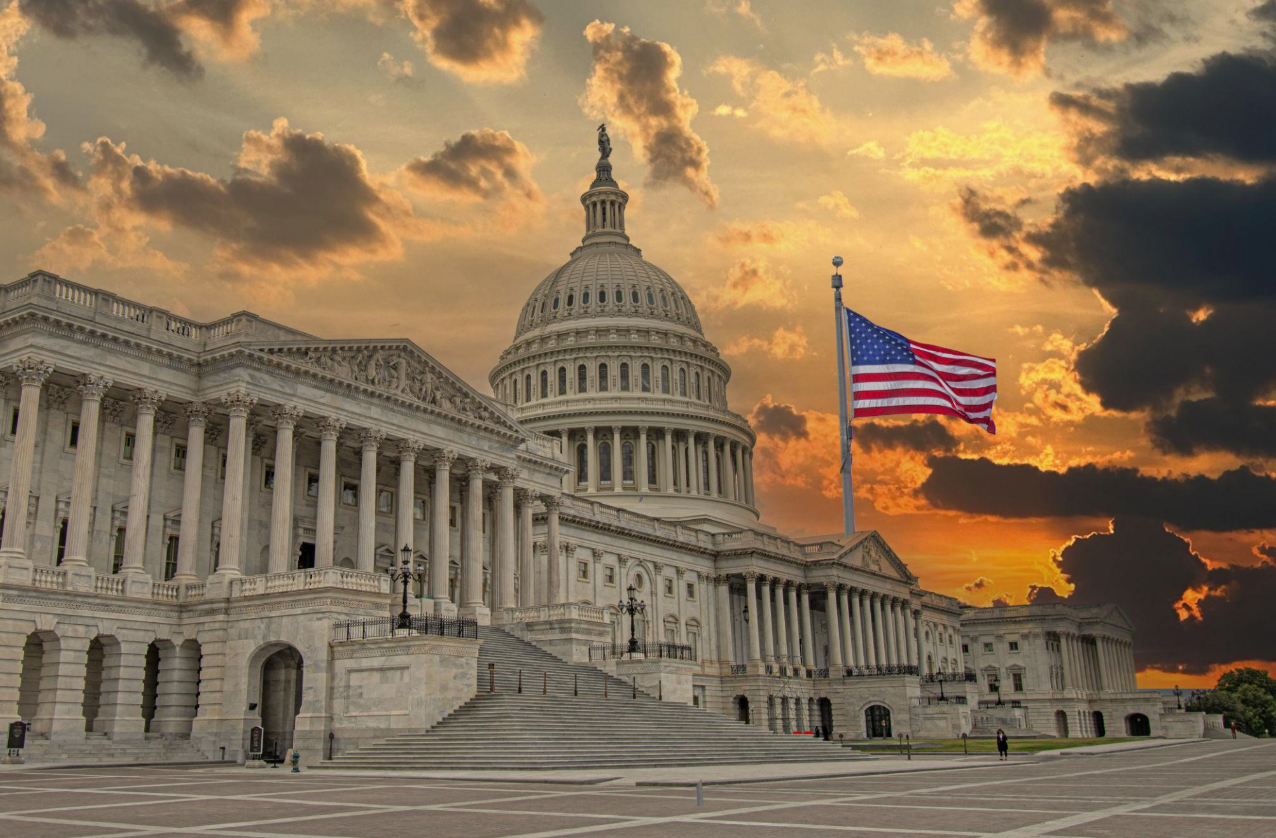
A political earthquake has shaken Washington. Democrats have captured control of both the House of Representatives and the Senate in the 2026 midterm elections, delivering a stunning setback to President Donald Trump and dramatically changing the balance of power in the nation's capital.
For Trump, the results represent a major challenge during the final two years of his second presidential term. For Democrats, the victories create an opportunity to investigate the administration, challenge controversial policies, and potentially pursue impeachment proceedings.
The political consequences could reach far beyond Capitol Hill. With Democrats now controlling both chambers, the president faces a Congress that is no longer dominated by members of his own party.
The image circulating online places Trump and Defense Secretary Pete Hegseth at the center of the controversy. Its headline suggests that Democrats could move toward impeachment proceedings against both men. However, an important distinction must be made: Democratic control of Congress is confirmed, but impeachment is not an automatic consequence, and no completed impeachment action against either individual should be inferred from the image.
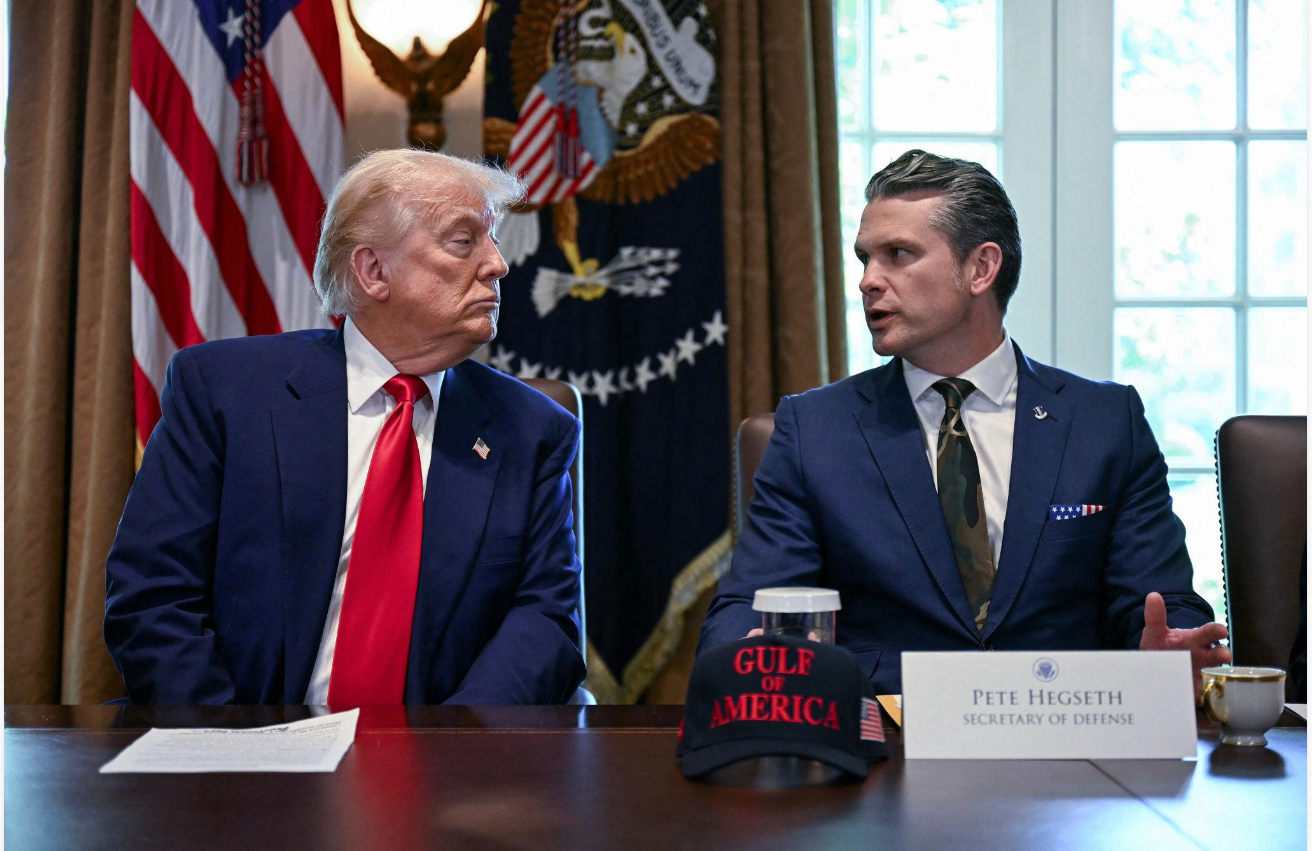
The shift is especially significant because Republicans previously controlled both chambers, giving Trump considerable freedom to advance his domestic and foreign-policy priorities during the first two years of his second term.
That arrangement is now ending. The incoming Democratic majorities will have the authority to chair congressional committees, control investigative agendas, issue subpoenas, and demand testimony from senior administration officials.
House Democratic Leader Hakeem Jeffries is expected to become Speaker of the House when the new Congress convenes in January 2027. His leadership will be central to determining how aggressively Democrats use their newly acquired power.
Democrats have indicated that their first priorities will include addressing the rising cost of living, restoring healthcare support, challenging Trump's tariffs, and examining the administration's handling of the war with Iran.
However, the biggest political confrontation may emerge from congressional investigations. Democratic lawmakers have been preparing extensive oversight efforts involving presidential decisions, administration officials, government contracts, immigration enforcement, and potential conflicts of interest.
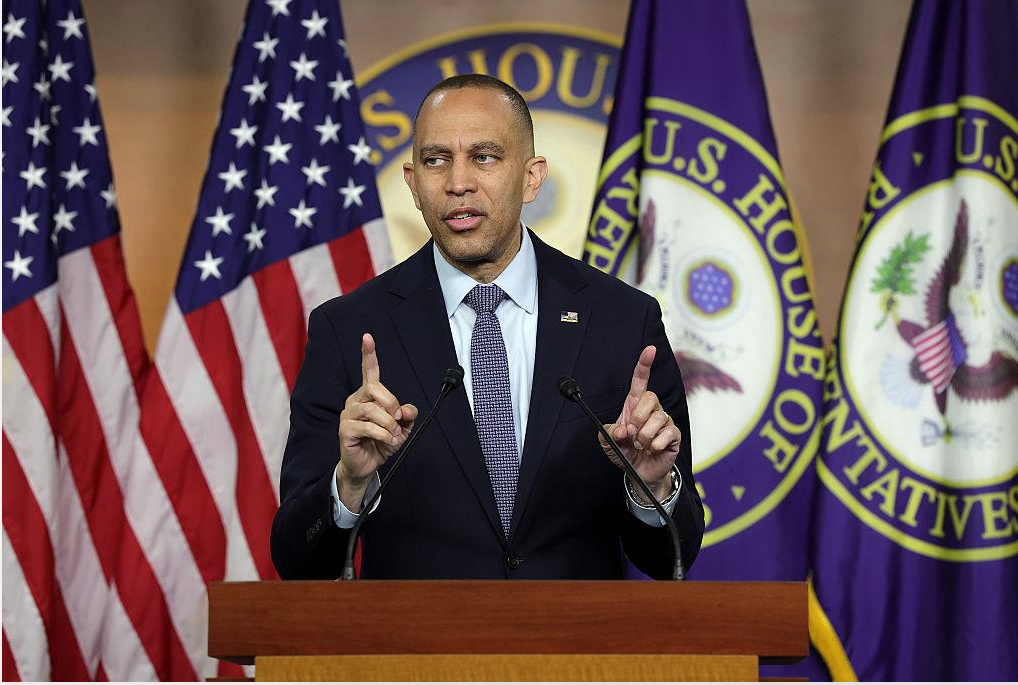
The investigations could place Trump under intense scrutiny. Committees are expected to examine allegations involving the president's business interests, the use of executive power, government spending, and the treatment of political opponents.
Democrats will also have greater authority to request documents and compel witnesses to testify. Officials who refuse congressional demands could face contempt proceedings, although enforcing subpoenas against the executive branch can involve lengthy legal battles.
But impeachment remains one of the most politically sensitive possibilities. Democratic leaders have not committed to immediately launching a new impeachment effort against Trump.
Jeffries has previously indicated that his party has not ruled impeachment in or out. The leadership wants to concentrate on issues that directly affect American families while retaining the constitutional tools available to Congress.
For Trump, even the possibility of another impeachment battle could create a significant political distraction. He has already faced two House impeachments during his first presidency, although the Senate acquitted him in both trials.
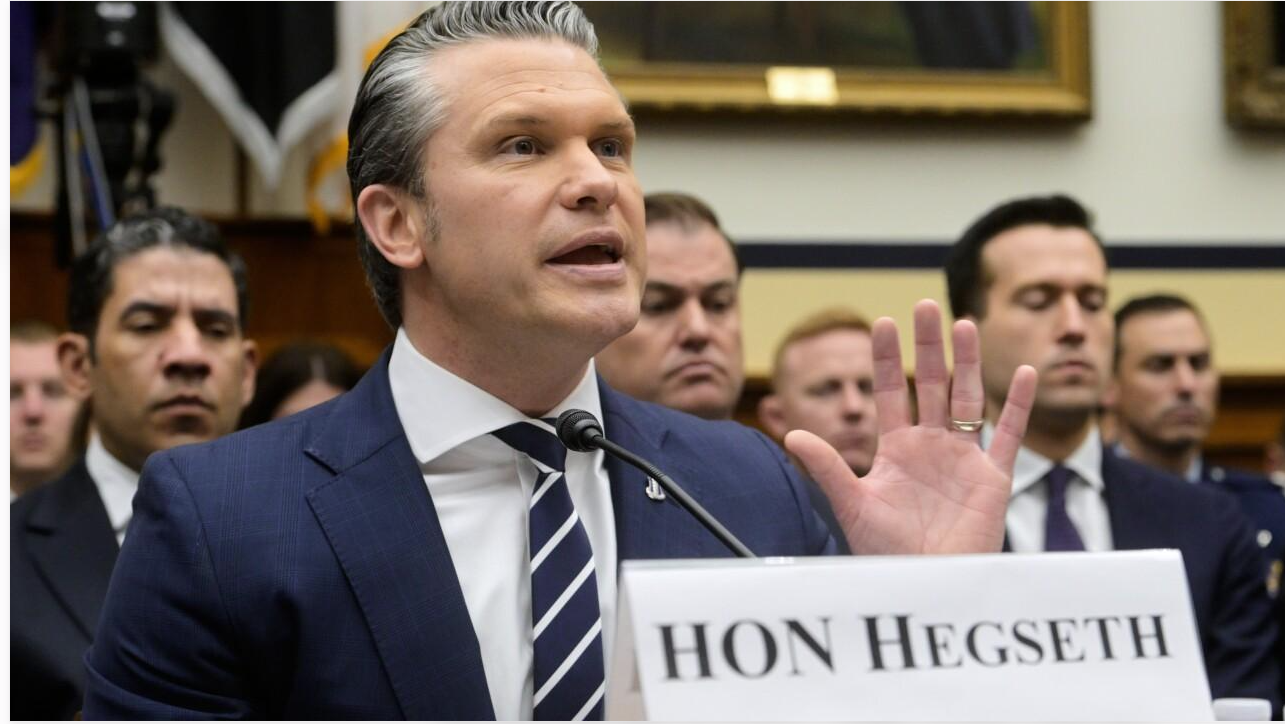
The situation surrounding Pete Hegseth could be even more immediate. The Defense Secretary has already faced impeachment articles introduced by Democratic Representative Yassamin Ansari in April 2026. Those allegations concern his handling of the Iran conflict, military decision-making, sensitive information, and congressional oversight. They remain allegations, not established findings of wrongdoing.
Hegseth's position could become increasingly difficult as Democrats prepare to take control of congressional defense committees. Lawmakers have indicated that they intend to examine military operations, civilian casualties, the cost of the Iran war, and the Pentagon's internal management.
There is also a significant bipartisan dimension. Republican Representative Thomas Massie has been among the lawmakers criticizing Hegseth, demonstrating that dissatisfaction with the Defense Secretary is not exclusively a Democratic issue.
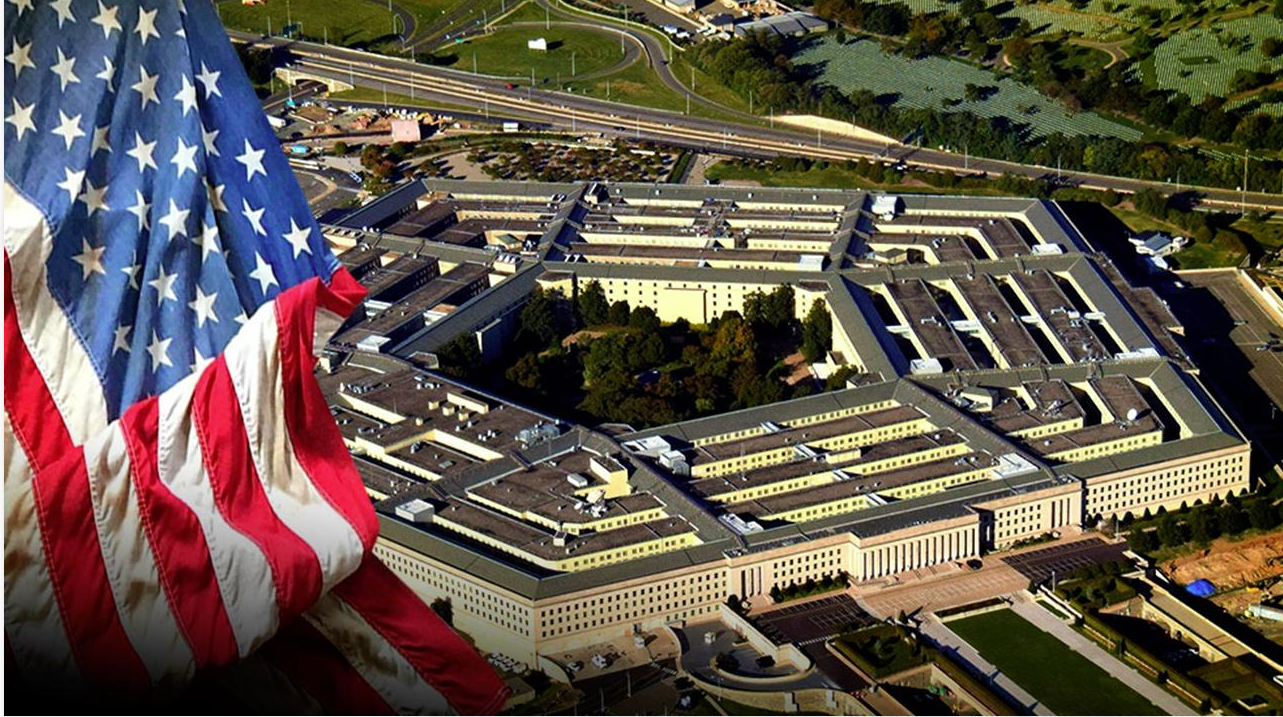
A potential impeachment vote against Hegseth would create another major confrontation between the Pentagon and Congress. Even without removal from office, public hearings and investigations could put enormous pressure on the administration.
The constitutional process is important. The House can impeach a federal official through a majority vote, but removal requires a two-thirds vote in the Senate. Winning congressional majorities does not automatically give Democrats enough votes to remove Trump or Hegseth.
Trump also retains substantial executive authority, including the presidential veto. Democrats therefore cannot simply reverse every Republican policy or enact their entire legislative agenda without overcoming additional political and procedural obstacles.
The Senate majority will nevertheless give Democrats considerable influence over nominations, investigations, legislation, and government oversight. The administration could face repeated confrontations over military spending, foreign policy, and the direction of federal agencies.
Republicans now face difficult decisions about how to respond. Some lawmakers may defend the president and his administration, while others could distance themselves from controversial decisions to protect their own political futures.
For Democrats, the challenge will be turning an electoral victory into tangible results. Voters who supported the party will expect progress on healthcare, inflation, energy costs, and government accountability rather than simply another prolonged political battle.
The coming months could therefore become one of the most consequential periods of Trump's second presidency. A Democratic-controlled Congress will have the power to investigate, challenge, and potentially obstruct several of his most important initiatives.
The central question is no longer whether Democrats can challenge Trump's control of Washington. They now have the congressional power to do so. The real question is how far they are prepared to go—and whether the investigations surrounding Trump and Hegseth will ultimately lead to impeachment proceedings.
Comments (0)
Loading comments...
May You Like

BANGCHAK REFINERY IN THAILAND SHUT DOWN, U.S. OIL PRICES JUMP 10%!


IOWA EMERGENCY: TOXIC AIR, POLLUTED WATER, 3,000 FAMILIES FORCED OUT AFTER 5-TON WASTE BLAST!

Latest Posts









Popular Posts




