Do Drones Threaten NATO? The Growing Challenge of Unmanned Warfare
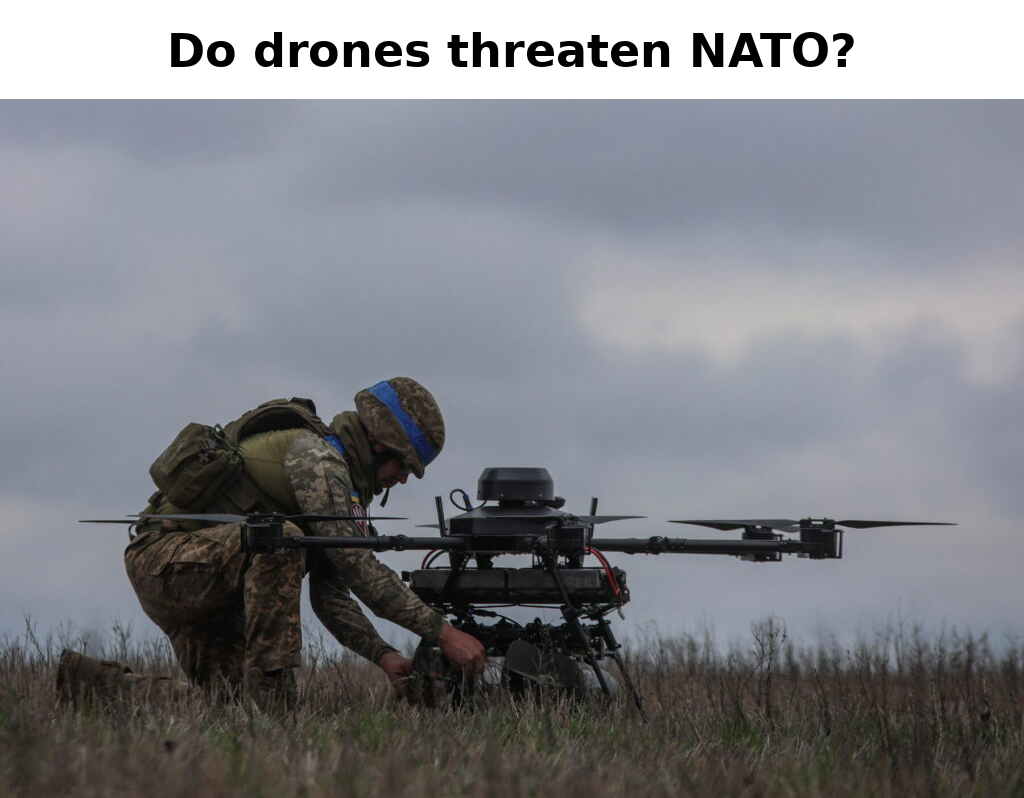
The rapid proliferation of drone technology is transforming modern warfare and posing unprecedented challenges for NATO. From the battlefields of Ukraine to the Middle East, drones have proven to be cheap, effective, and disruptive weapons that can be deployed by both state and non-state actors. As the alliance grapples with this new reality, questions are mounting about whether NATO's current defenses are adequate to counter the threat.
BRUSSELS – Unmanned aerial systems (UAS), commonly known as drones, have become one of the most consequential military technologies of the 21st century. Their use in the war in Ukraine has demonstrated their potential to reshape the battlefield, and NATO is now racing to adapt.
The Threat Landscape
Drones pose a multi-faceted threat to NATO member states:
-
Surveillance and Reconnaissance: Small, inexpensive drones can provide real-time intelligence on troop movements and positions, making it difficult for NATO forces to operate undetected.
Precision Strikes: Armed drones can be used to target high-value assets, including command posts, artillery, and armored vehicles, with minimal risk to the operator.
Swarm Attacks: The use of coordinated drone swarms can overwhelm traditional air defenses, saturating them with multiple targets simultaneously.
Asymmetric Warfare: Non-state actors and proxy groups can deploy drones to challenge NATO's technological superiority at a fraction of the cost.
NATO's Response
NATO has acknowledged the growing drone threat and is taking steps to address it:
-
Counter-UAS Technologies: The alliance is investing in a range of counter-drone systems, including electronic jamming, directed-energy weapons, and cyber capabilities.
Doctrine and Training: NATO is updating its doctrine and training programs to better prepare forces for operating in a drone-saturated environment.
Collaboration with Industry: The alliance is working closely with defense contractors to develop next-generation counter-drone solutions.
Enhanced Air Defense: NATO is strengthening its integrated air and missile defense systems to better detect and intercept hostile drones.
The Ukraine Factor
The war in Ukraine has served as a testing ground for drone warfare on an unprecedented scale. Both Russian and Ukrainian forces have employed drones extensively, and the lessons learned are being closely studied by NATO militaries.
"We are seeing a revolution in military affairs," said one NATO official, speaking on condition of anonymity. "Drones are changing the way we think about air power, surveillance, and even ground combat."
The Bottom Line
| Threat | NATO's Response |
|---|---|
| Surveillance and Reconnaissance | Counter-UAS technologies |
| Precision Strikes | Enhanced air defense |
| Swarm Attacks | Directed-energy weapons |
| Asymmetric Warfare | Doctrine and training updates |
Drones are not just a tactical challenge; they represent a strategic shift in how wars are fought. For NATO, the question is not whether drones threaten the alliance, but whether it can adapt fast enough to stay ahead of the threat.
Comments (0)
Loading comments...
May You Like

Shocking news from Ohio: an unexpected development ahead of Trump's rally
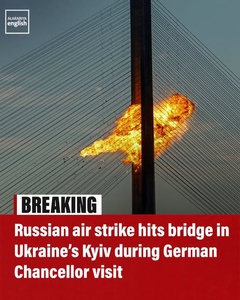
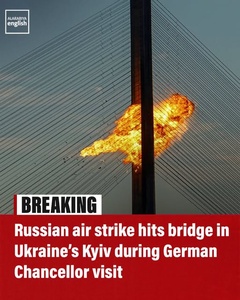
Russian Drone Strikes Kyiv Bridge as German Chancellor Arrives in Ukraine

Jack Smith Defends His Integrity as Trump Investigations Face Renewed Political Firestorm