
$1 BILLION DISASTER AT BANGCHAK REFINERY, THAILAND—40 BURNED, 8 AMERICANS DEAD!
BANGKOK, Thailand — November 27, 2026 — A major fire at one of Thailand's largest oil refineries has forced the suspension of production at a facility capable of processing 120,000 barrels of crude oil per day, drawing attention to the vulnerability of international energy supply chains during a period of heightened concern over fuel costs and industrial reliability.
Thick black smoke rose above Bangkok's densely populated urban districts on Thursday as emergency personnel responded to the incident at Bangchak Corporation's Phra Khanong refinery. Authorities subsequently began investigating the circumstances surrounding the fire, while the company suspended operations and initiated assessments of industrial equipment and production systems.
According to Reuters and the Associated Press, the incident injured nine people and prompted a comprehensive shutdown of refinery operations. The emergency has raised questions extending beyond Thailand's borders, particularly regarding the interconnected markets that determine the availability and price of gasoline, diesel and aviation fuel around the world.
For American consumers, the central concern is whether a disruption thousands of miles away could eventually influence the price displayed at neighborhood gas stations. Understanding that possibility requires examining how international petroleum markets respond when a significant production facility unexpectedly stops operating.
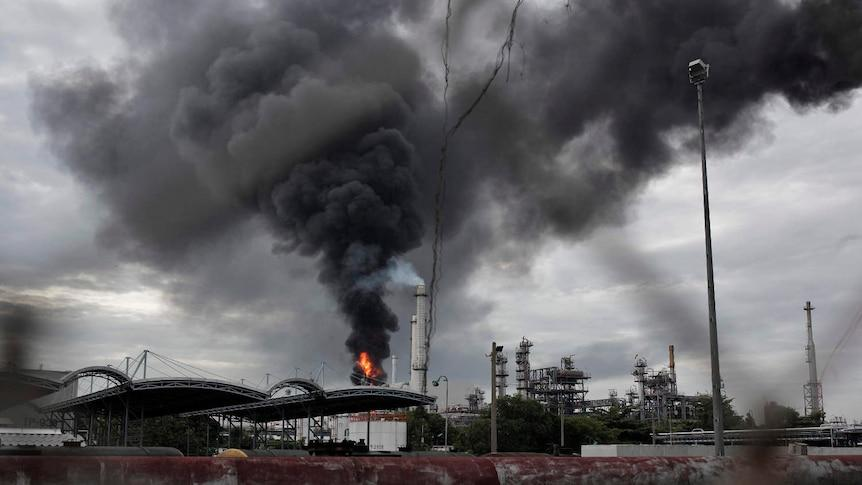
The Phra Khanong refinery occupies a distinctive position within Thailand's energy infrastructure. Unlike many large petroleum processing facilities located far from residential centers, the Bangchak installation operates within Bangkok's extensive urban environment, placing industrial activities relatively close to residential neighborhoods, commercial buildings and transportation networks.
The incident began at approximately 2:45 p.m. local time on Thursday. Emergency response teams brought the fire under control within about 30 minutes, preventing the emergency from developing into a more extensive industrial accident. Nevertheless, the company immediately suspended production throughout the refinery as a precaution.
The shutdown represents an important operational challenge for Bangchak, which must now determine the extent of equipment damage, investigate the circumstances surrounding the incident and demonstrate that production can resume safely.
For energy markets, the duration of the interruption may ultimately be more significant than the duration of the fire itself. An industrial blaze can be extinguished relatively quickly, while inspections, equipment replacement and regulatory approvals may require considerably more time.
The human consequences of the incident remain a priority for Thai authorities and the company. Early emergency reports identified at least seven injured people, including four with serious injuries. Subsequent official updates increased the total number of injured personnel to nine.
By Friday morning, the Thai government reported that two of those injured had already returned home. The company pledged to support affected workers through medical assistance and compensation arrangements.
Determining the final financial impact will require more than calculating the value of damaged machinery. Investigators and financial specialists must also examine the amount of production lost during the shutdown, the cost of acquiring replacement supplies and the operational requirements necessary to restore the facility.
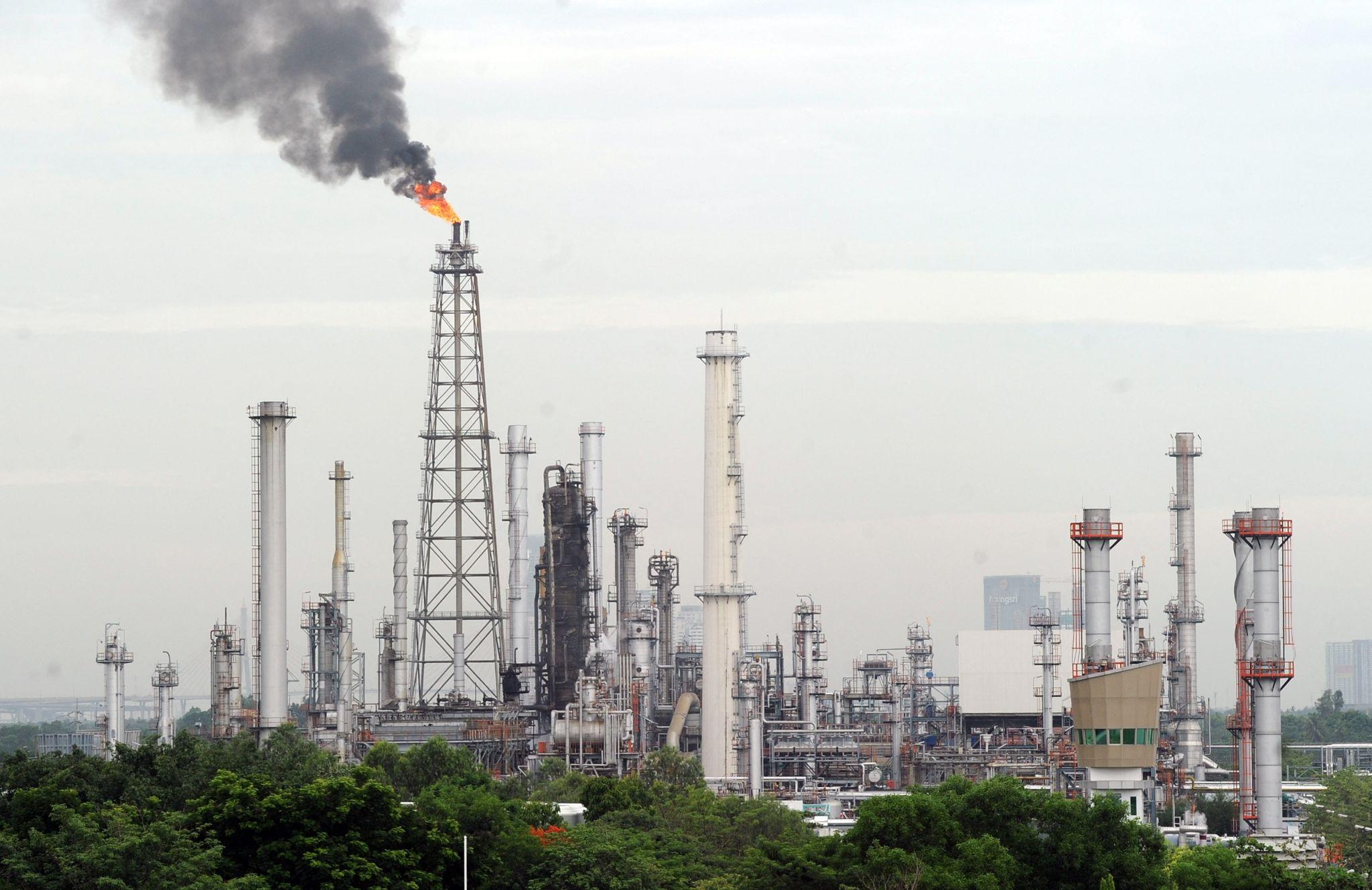
The Phra Khanong refinery has a maximum processing capacity of approximately 120,000 barrels per day, making it a significant component of Thailand's domestic petroleum industry. A refinery of this size transforms crude oil into products used by motorists, airlines, transportation companies and industrial businesses.
Bangchak also operates a separate refinery in Si Racha. Together, the company's two facilities have a combined processing capacity of approximately 300,000 barrels per day. The suspension of the Bangkok operation therefore affects a facility representing about 40% of the group's combined maximum refining capacity.
If the Phra Khanong facility remains completely inactive for one week, its unavailable maximum processing capacity would amount to approximately 840,000 barrels. A 30-day interruption would represent 3.6 million barrels of potential crude oil processing. These figures illustrate the scale of the disruption under hypothetical full-capacity conditions, rather than establishing actual production losses.
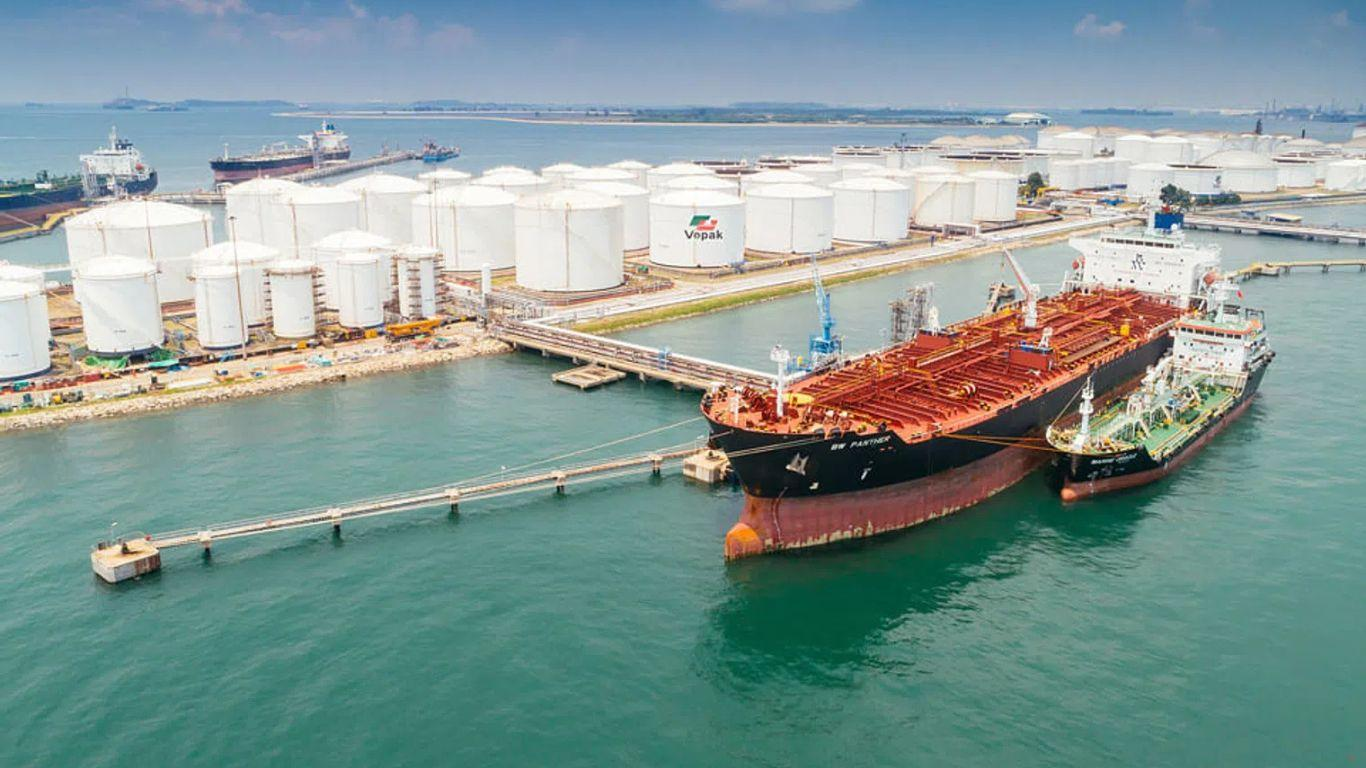 A prolonged shutdown could consequently affect several fuel markets simultaneously, creating challenges that extend beyond gasoline availability.
The Bangkok refinery incident arrives during a challenging period for international petroleum markets. Conflicts affecting major energy-producing regions, interruptions to shipping networks and limitations on refining capacity have contributed to uncertainty surrounding the availability of finished petroleum products.
According to the U.S. Energy Information Administration, global refinery inputs declined by approximately 4.8 million barrels per day during the second quarter of 2026 following the outbreak of conflict in the Middle East. That represented a reduction of about 6%.
U.S. Energy Information Administration (EIA)
A November analysis by the Federal Reserve Bank of Kansas City also identified constraints within the international refining sector as an important factor contributing to elevated petroleum product prices.
Under such circumstances, an unexpected refinery shutdown can attract greater attention than it might during a period of abundant production and substantial fuel inventories.
However, the importance of any individual refinery outage depends on whether alternative facilities have sufficient capacity to replace its production. Existing inventories, available transportation services and the duration of the interruption all influence the ability of markets to absorb unexpected losses.
The Bangkok incident therefore adds another variable to an international energy market already managing significant supply challenges.
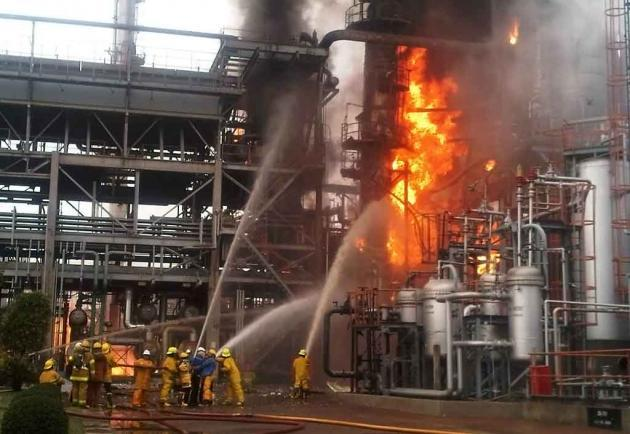
Although Thailand and the United States are separated by thousands of miles, their petroleum markets operate within an interconnected international trading system. Refined fuels are purchased and transported between regions according to differences in prices, availability and consumer demand.
If Thailand experiences a significant reduction in domestic fuel production, suppliers may need to obtain replacement products from other countries. Major refining and distribution centers in Singapore, South Korea, India and elsewhere in Asia could become important sources of additional supplies.
That demand could influence regional wholesale prices, particularly if competing buyers are attempting to secure the same limited inventories. Petroleum traders may also redirect cargoes toward markets offering higher prices, changing the availability of fuel in other regions.
American refineries participate in this international system through both imports and exports. When overseas customers are willing to pay higher prices for petroleum products, U.S. suppliers may find additional opportunities to sell fuel internationally. Depending on domestic production and inventory levels, changes in export demand could contribute to shifts in American wholesale prices.
The process is neither immediate nor guaranteed. Transportation costs, contractual obligations, fuel specifications and regional market conditions determine whether a disruption in Southeast Asia has measurable consequences in North America.
One of the most important distinctions in understanding the Bangkok incident involves the difference between crude oil and refined petroleum products. Crude oil is the raw material purchased by refineries, while gasoline, diesel and aviation fuel are among the finished products sold to consumers and businesses.
When an oil-producing facility stops operating, the immediate concern typically involves a reduction in crude oil availability. When a refinery shuts down, however, the facility temporarily stops consuming crude oil while also reducing its production of finished fuels.
These two developments can influence markets in different directions. Reduced refinery demand may ease pressure on crude oil supplies, while declining production of gasoline or diesel could increase the value of those products if replacement supplies are limited.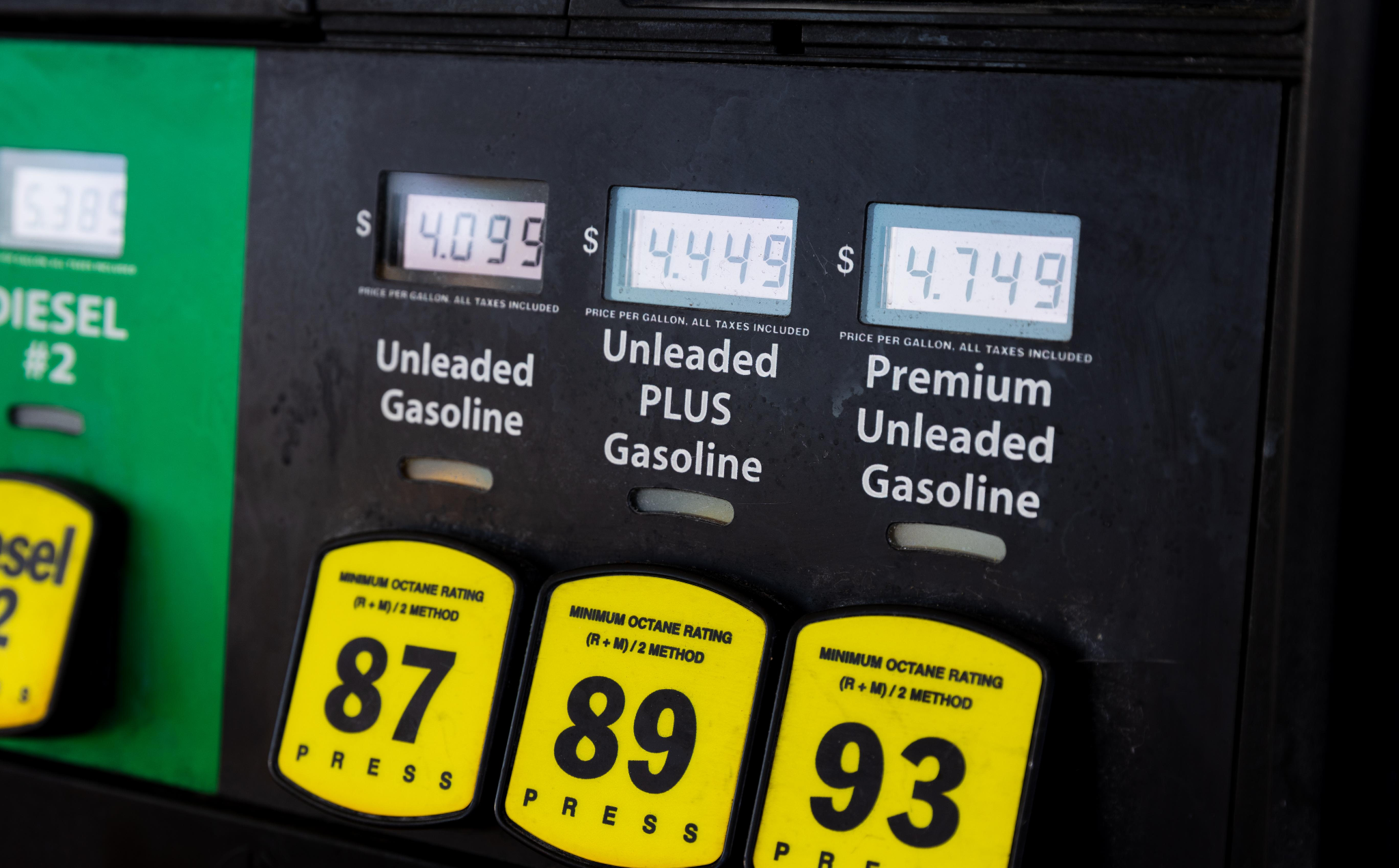
The difference between crude oil costs and refined product prices is commonly monitored through a measure known as the crack spread. An increase in this measure can indicate that finished fuels are becoming more valuable relative to the crude oil required to manufacture them.
The Energy Information Administration identifies unexpected refinery interruptions as one of several factors capable of affecting petroleum product prices. The consequences depend heavily on local supply conditions and access to alternative sources.
U.S. Energy Information Administration (EIA)
For American consumers, this means that gasoline prices could potentially increase even when international crude oil prices remain relatively stable. However, such an outcome cannot be attributed to the Bangkok shutdown without supporting market evidence.
Beyond the financial and energy market implications, the incident has renewed attention to the environmental challenges associated with major industrial facilities operating near densely populated communities.
Thailand's government advised residents within five kilometers of the refinery to take precautions against smoke exposure, particularly in areas located downwind. Children, older adults, pregnant women and individuals with cardiovascular or respiratory conditions were identified as groups requiring additional attention.
Environmental assessments remain important even after a visible fire has been extinguished. Industrial fires can produce complex mixtures of pollutants, while wastewater generated during firefighting operations may require separate examination.
California and other West Coast states are particularly important when examining the potential effects of overseas refining disruptions. The West Coast is comparatively isolated from major refining centers elsewhere in the country, while California's specialized gasoline requirements can limit the availability of suitable replacement supplies.
The Energy Information Administration has previously identified the region's limited access to alternative fuel sources as a reason refinery interruptions can produce substantial local price fluctuations.
U.S. Energy Information Administration (EIA)
Washington, Oregon and Hawaii may also face different levels of exposure because of their geographical locations and petroleum transportation networks. Hawaii depends heavily on maritime supply arrangements, making shipping costs and regional fuel availability important considerations.
The Gulf Coast, meanwhile, contains substantial refining infrastructure and plays a major role in international petroleum product exports. Its extensive production capabilities provide flexibility, although domestic prices remain influenced by international market conditions.
These regional differences suggest that any measurable consequences from the Bangchak incident would depend on existing local supply conditions rather than producing an identical price increase in every American state.
While gasoline prices receive considerable public attention, diesel represents another important component of the American economy. Commercial trucks, agricultural machinery, industrial equipment and freight transportation networks depend extensively on diesel fuel.
If international diesel supplies become tighter, increased wholesale costs could place additional financial pressure on transportation companies. Businesses may absorb those expenses, adjust fuel surcharges or pass some of the additional costs to customers.
Agricultural producers could face similar challenges because fuel represents an important operating expense in planting, harvesting and transporting agricultural products. Airlines may also experience financial pressure if shortages of refined petroleum products contribute to higher aviation fuel prices.
Nevertheless, sustained disruptions across multiple refining regions could affect transportation and production expenses, creating broader economic consequences beyond the price motorists pay at gas stations.
The scale of the Bangkok refinery shutdown becomes clearer when compared with the size of the American refining industry. According to a June 2026 Congressional Research Service report, the United States entered 2025 with approximately 18.4 million barrels per day of crude oil distillation capacity spread across 132 operating-capable refineries.
A 10% increase in American gasoline prices would be a substantial development for household budgets. For example, if gasoline initially costs $4 per gallon, a 10% increase would raise the price to $4.40. Filling a 15-gallon tank would consequently cost an additional $6.
Such an increase could become more plausible during a broader international energy crisis involving simultaneous refinery outages, declining inventories, rising crude oil prices and disruptions to petroleum shipping networks.
A relatively short shutdown could allow existing inventories and alternative suppliers to absorb much of the lost production. An extended interruption could place greater pressure on regional petroleum markets, particularly if other major refining facilities experience difficulties at the same time.
For American energy markets, the most important indicators will include changes in international wholesale fuel prices, domestic petroleum inventories, refinery utilization and shipping costs.
The incident in Bangkok demonstrates how an industrial emergency can become relevant to consumers far beyond the country where it occurs. Its ultimate economic significance, however, will depend on the length of the shutdown and the ability of international suppliers to replace unavailable production.
For millions of American motorists, those developments could determine whether the Bangkok refinery fire remains primarily a regional industrial emergency or becomes another contributing factor in the broader cost of gasoline and diesel.
Comments (0)
Loading comments...
May You Like

ELON MUSK’S $18 BILLION SPACEX STOCK GIFT FOR EVERY AMERICAN CHILD

IRAN WARNS WASHINGTON — HOW SERIOUS IS THE THREAT TO U.S. MILITARY BASES?

IOWA ENVIRONMENTAL DISASTER: 5-TON WASTE BLAST DISPLACES 3,000 FAMILIES!









Popular Posts



