
EAST COAST CATASTROPHE — $20 BILLION AT STAKE, 5 MILLION AT RISK OF LOSING POWER, WATER AND HEAT!
ATLANTIC CITY, New Jersey — November 28, 2026 — A powerful Thanksgiving storm has left communities across the eastern United States confronting flooded neighborhoods, damaged electrical infrastructure and disruptions to essential services, raising concerns about the possibility of prolonged residential displacement as colder weather approaches and millions of American families prepare for Christmas.
From the barrier islands of North Carolina to the densely populated suburbs of Maryland and the coastal communities of New Jersey, destructive winds and exceptionally high tides exposed vulnerabilities in transportation networks, residential properties and public utilities. Emergency personnel responded to hazardous conditions while utility companies worked to restore services across affected areas.
According to Reuters, wind gusts reached approximately 70 mph, or 112 kilometers per hour, during the storm. Falling trees and damaged electrical equipment contributed to widespread outages, while coastal flooding forced authorities to close important transportation routes.
The immediate weather emergency has brought attention to a broader concern: whether communities already dealing with damaged infrastructure could withstand another period of severe weather before essential repairs are completed. For households dependent on reliable electricity, drinking water and residential heating, the consequences of overlapping infrastructure failures could extend far beyond the original storm.
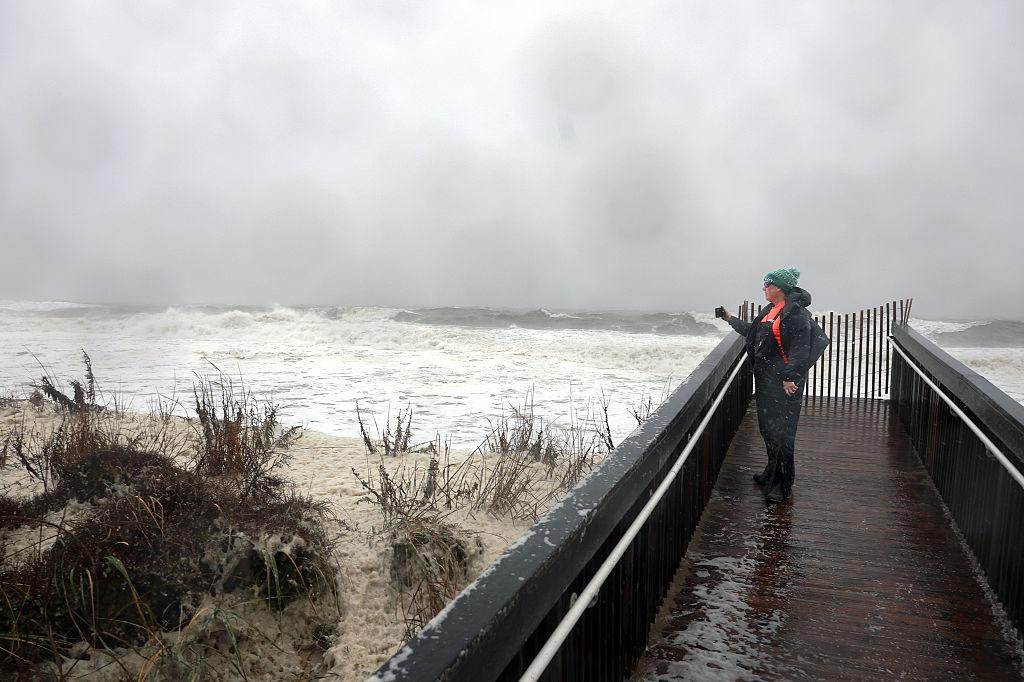
The storm arrived during one of the busiest periods of domestic travel and commercial activity in the United States. Families were gathering for Thanksgiving, transportation companies were managing increased demand, and retailers were preparing for the beginning of the Christmas shopping season.
Instead, numerous coastal communities found themselves confronting rising seawater, damaged electrical networks and transportation restrictions. Powerful onshore winds pushed water into bays and tidal waterways, allowing flooding to reach residential streets located considerable distances from exposed oceanfront areas.
For emergency management authorities, the combination of these hazards created particular difficulties. Flooded roads could prevent utility repair crews from reaching damaged equipment, while electricity interruptions placed additional pressure on water treatment facilities and residential heating systems.
For households living in vulnerable coastal areas, the most consequential period may begin after the storm has passed, when residents discover whether their homes remain suitable for occupancy and how long essential infrastructure will require repairs.
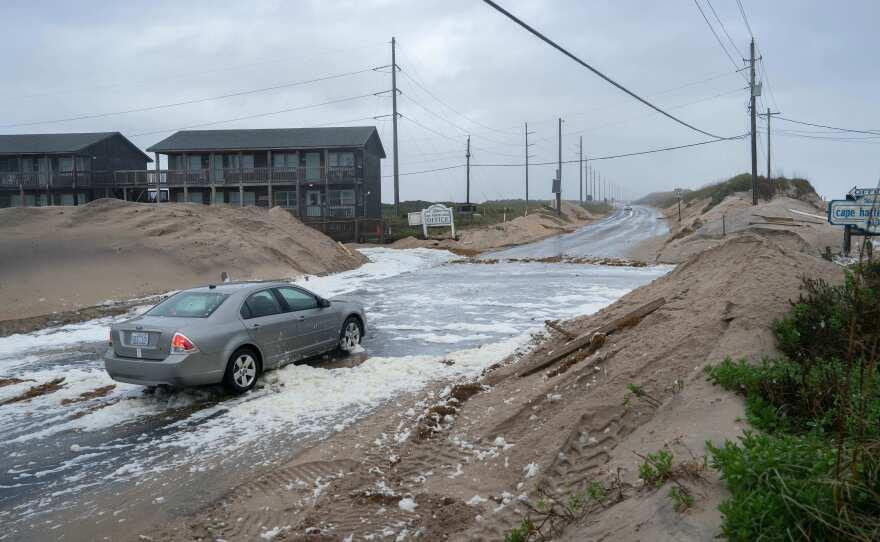
North Carolina's Outer Banks represent one of the most geographically vulnerable sections of the American Atlantic coastline. Communities situated on narrow barrier islands depend heavily on transportation corridors connecting residential neighborhoods with mainland suppliers, medical facilities and emergency services.
During the Thanksgiving storm, powerful waves breached protective dunes and sent seawater across portions of North Carolina Highway 12. The resulting flooding interrupted access to several coastal communities and complicated efforts to assess damage to roadways and surrounding infrastructure.
Dare County officials subsequently announced that Highway 12 on Hatteras Island was unlikely to reopen before Sunday, November 29, at the earliest. Continued ocean overwash and difficult weather conditions had interfered with restoration efforts, leaving transportation authorities facing additional challenges.
For residents, the closure represents more than an ordinary transportation inconvenience. Communities located along the barrier islands depend on reliable deliveries of groceries, fuel, medical supplies and other essential goods. Extended transportation interruptions could create additional difficulties for households already experiencing storm-related property damage.
The situation becomes particularly concerning when road closures coincide with utility failures. Emergency repair personnel may encounter difficulties reaching affected neighborhoods, while residents requiring medical attention could face longer journeys to appropriate facilities.
Hatteras Village, Frisco and other communities along Highway 12 warrant particular attention because of their dependence on a limited number of transportation connections.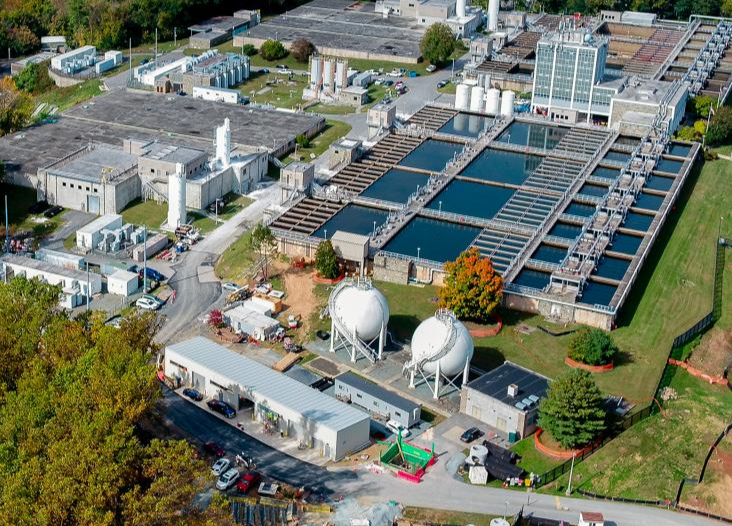
Maryland experienced one of the storm's most significant examples of interconnected infrastructure vulnerability when intermittent electrical disruptions affected facilities responsible for supplying drinking water to communities surrounding Washington, D.C.
WSSC Water issued an emergency conservation request at 2:30 p.m. on Thanksgiving covering approximately 1.9 million customers throughout Montgomery and Prince George's counties. The announcement followed power interruptions affecting the utility's Potomac and Patuxent water filtration plants.
Residents were asked to restrict consumption to essential activities while the utility worked to maintain sufficient reserves. The precaution was intended to protect water availability for residential consumption, sanitation and emergency operations, including firefighting.
Modern water distribution networks depend on electricity to operate treatment equipment, pumping stations and monitoring systems. Although utilities maintain emergency safeguards, prolonged interruptions can place considerable pressure on available resources.
A serious failure affecting major treatment facilities could consequently create difficulties for households that have experienced no direct structural damage from a storm. Even families retaining electricity might encounter water supply restrictions because of infrastructure problems occurring elsewhere.
Montgomery and Prince George's counties illustrate the potential scale of this vulnerability. Their combined population includes numerous residential neighborhoods, healthcare facilities, schools and commercial establishments dependent on reliable water supplies.
The Thanksgiving incident demonstrates why maintaining uninterrupted electricity at critical water infrastructure facilities represents an important responsibility for emergency management authorities.
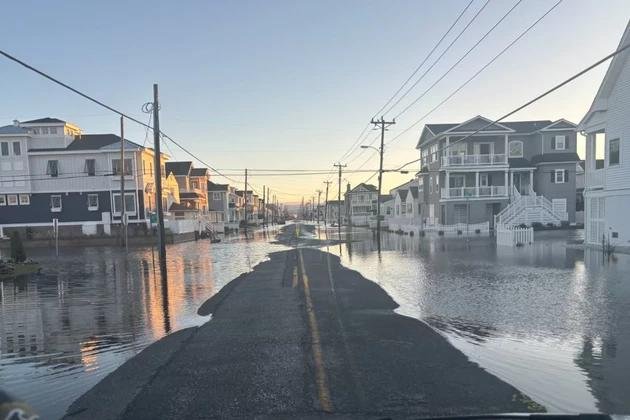
New Jersey experienced some of the storm's most significant coastal flooding. Strong winds pushed seawater into residential neighborhoods surrounding the Jersey Shore, while unusually high tides placed additional pressure on protective dunes, seawalls and local drainage infrastructure.
Governor Mikie Sherrill declared a statewide emergency covering all 21 counties ahead of the storm. The announcement warned of repeated periods of coastal flooding and potentially dangerous transportation conditions.
The severity of the event became increasingly apparent as water levels rose across southern New Jersey. According to ABC News, Cape May recorded a tide level of 9.41 feet, establishing a new local record. Atlantic City reached 8.28 feet, its highest tide since Superstorm Sandy in 2012.
Communities including Wildwood, Stone Harbor, Ocean City and Atlantic City face particular challenges because residential properties and transportation routes occupy low-lying areas near tidal waterways.
When seawater enters residential buildings, the consequences may extend considerably beyond the initial flooding. Electrical equipment, heating systems, household appliances and structural materials can sustain damage requiring extensive inspections and repairs.
Saltwater exposure can accelerate corrosion, while moisture remaining inside buildings may contribute to mold growth. These problems could become increasingly significant as colder temperatures arrive and households attempt to restore normal heating arrangements.
New Jersey's coastal communities therefore face two separate recovery responsibilities: restoring public infrastructure and determining whether individual properties remain safe for residential occupancy.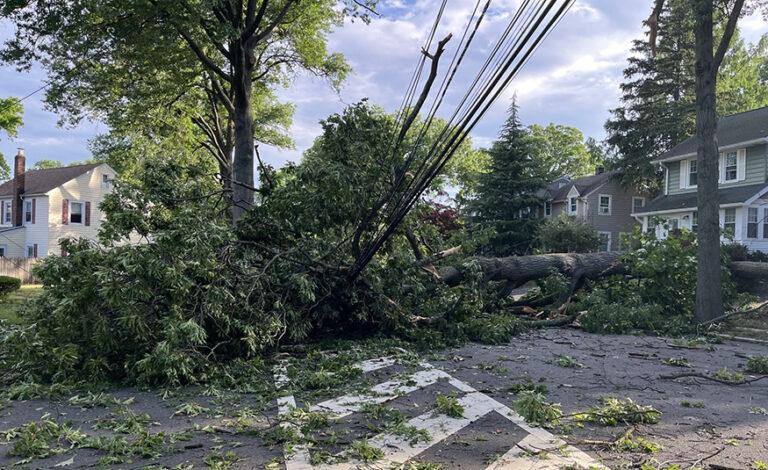
One of the most consequential risks exposed by the Thanksgiving storm involves the interconnected operation of essential public services. Electricity supports far more than residential lighting. It also powers water treatment facilities, pumping stations, communications networks and equipment responsible for maintaining indoor temperatures.
Many households using natural gas furnaces still require electricity to operate thermostats, circulation fans and electronic controls. A prolonged blackout can therefore interrupt residential heating even when the natural gas supply itself remains available.
Drinking water systems face similar challenges. Treatment facilities require functioning electrical equipment, while pumping stations help maintain sufficient pressure throughout distribution networks. Backup generators and stored water reserves provide important protection, but their effectiveness depends on the duration and severity of individual emergencies.
Apartment buildings may introduce additional vulnerabilities. Elevators, water circulation systems and electronic building access equipment can become unavailable during extended electrical interruptions, creating difficulties for residents with limited mobility.
The simultaneous failure of electricity, water and heating could make otherwise undamaged properties temporarily unsuitable for residential occupancy. However, such an outcome depends on the effectiveness of backup systems, the duration of the interruption and the availability of alternative accommodation.
The possibility of overlapping failures explains why emergency planners must evaluate infrastructure as an interconnected system rather than treating every utility interruption as an isolated event.
As December approaches, the possibility of colder weather introduces additional concerns for communities recovering from residential flooding and electrical disruptions.
Homes with damaged windows, compromised insulation or malfunctioning heating equipment may become difficult to occupy during periods of freezing temperatures. If indoor conditions deteriorate substantially, households could require temporary accommodation while essential repairs are completed.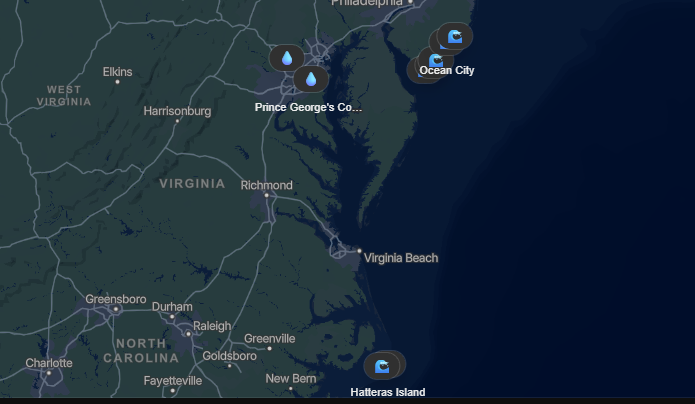
Frozen plumbing represents another potential problem. Water pipes exposed to sufficiently cold conditions may freeze and rupture, causing additional property damage after the original flooding has ended.
Older adults, young children and individuals with underlying medical conditions may face particular difficulties when reliable indoor heating becomes unavailable. Residents dependent on electrically powered medical equipment could also require alternative arrangements during extended utility interruptions.
Households attempting to maintain warmth through inappropriate emergency equipment may encounter additional hazards, including carbon monoxide exposure from fuel-burning devices used indoors.
The three regions experiencing particular infrastructure concerns are North Carolina's Outer Banks, Maryland's Washington-area suburbs and New Jersey's coastal communities.
In North Carolina, the principal concern involves restricted transportation access. Communities dependent on Highway 12 could experience logistical difficulties if road damage prevents residents, commercial suppliers and emergency personnel from traveling normally.
In Maryland, the most significant concern involves the relationship between electrical reliability and drinking water production. A prolonged failure at critical facilities could potentially require additional emergency measures affecting a substantial population.
New Jersey faces a different combination of threats involving coastal inundation, damaged residential properties and potentially disrupted transportation routes. Households whose heating or electrical equipment has been exposed to seawater may require temporary relocation while repairs are completed.
The timing of the Thanksgiving storm introduces additional economic concerns. Retailers, restaurants, hotels and transportation companies were preparing for increased holiday demand when severe weather interrupted operations across numerous communities.
Businesses affected by flooding may require extensive repairs to electrical equipment, flooring, refrigeration systems and merchandise storage areas. Even establishments that escaped direct damage could experience revenue losses if transportation restrictions prevent customers or employees from reaching their premises.
Restaurants and supermarkets experiencing extended electrical interruptions may also face losses involving refrigerated inventory. Replacing damaged equipment and spoiled products could create considerable financial pressure for businesses operating with limited reserves.
Coastal tourism communities face additional challenges because their economies frequently depend on reliable transportation access. Damaged bridges, flooded roadways and interruptions to public utilities can discourage visitors even after the immediate weather emergency has ended.
The resulting economic consequences may therefore include both physical property damage and less visible losses associated with interrupted commercial activity.
Determining the total financial impact will require detailed assessments from business owners, insurance companies and government authorities.
A weather disaster affecting several densely populated states can produce substantial economic losses. Residential reconstruction, commercial property damage, emergency operations, transportation repairs and interrupted business activity can all contribute to the final cost.
However, the suggested figure of $20 billion requires an important distinction between the value of assets potentially exposed to a storm and the amount of damage actually sustained.
For example, if 100,000 residential properties experienced average losses of $100,000 each, the resulting residential damage would total $10 billion. Additional commercial and infrastructure losses could theoretically increase that figure substantially.
Economic losses also depend on the severity of individual property damage. A household experiencing a temporary power interruption may incur relatively limited expenses, while a residence requiring extensive reconstruction could generate substantially larger losses.
No comprehensive financial assessment reviewed for this report confirms that the Thanksgiving storm caused $20 billion in economic damage or placed a specifically measured $20 billion in assets at immediate risk.
The actual financial burden will become clearer as property inspections, infrastructure assessments and insurance claims progress.
At the height of the Thanksgiving emergency, approximately 961,000 electricity customer accounts were without power nationwide, according to PowerOutage.us figures reported by Reuters.
One subsequent snapshot identified more than 179,000 outages in New Jersey, approximately 139,000 in Maryland and more than 207,000 in Pennsylvania, alongside significant interruptions in other states.
Nevertheless, the emergency has demonstrated how failures affecting a limited number of critical facilities can create concerns across substantial residential populations.
As the Thanksgiving weekend continues, the immediate storm emergency is giving way to a more complicated recovery involving infrastructure repairs, residential inspections and financial assessments.
North Carolina's barrier-island communities must restore dependable transportation access. Maryland's water infrastructure has returned to normal consumption arrangements, while New Jersey faces continuing assessments of flooded properties and damaged coastal defenses.
The possibility of another severe weather event before repairs are completed remains an important consideration for emergency planners. Additional flooding or freezing conditions could complicate recovery in already vulnerable neighborhoods, although such consequences depend on future weather developments.
For households directly affected by the Thanksgiving storm, restoring electricity represents only one stage of recovery. Reliable heating, safe drinking water, accessible transportation and suitable residential accommodation are equally important.
The final economic cost and number of displaced residents remain to be established. As Christmas approaches, the most consequential measure of recovery will be whether affected communities can restore these essential services and provide safe living conditions before winter intensifies.
Comments (0)
Loading comments...
May You Like

WEYMOUTH HORROR — FIRE TRUCK BRAKES TO SAVE DOG, ONE FIREFIGHTER DEAD, TWO CRITICAL!

EAST COAST DISASTER—179 THOUSANDS OF HOMES AT RISK, CAUSING $50 BILLION IN DAMAGE!

BLACK FRIDAY TENSIONS IN NYC — DID PROTESTERS CROSS THE LINE AT A DISNEY STORE?

Latest Posts







Popular Posts





