
EAST COAST DISASTER—179 THOUSANDS OF HOMES AT RISK, CAUSING $50 BILLION IN DAMAGE!
ATLANTIC CITY, New Jersey — November 28, 2026 — A powerful Thanksgiving storm has left communities across the eastern United States confronting extensive flooding, damaged infrastructure and widespread electrical disruptions, as emergency officials and property owners begin assessing the financial consequences of one of the most disruptive holiday weather events in recent years.
From the barrier islands of North Carolina to the densely populated coastal neighborhoods of New Jersey, powerful winds and rising seawater transformed residential streets into flooded corridors, interrupted commercial activity and placed considerable pressure on essential public services. Maryland also experienced significant infrastructure disruptions, raising concerns about the reliability of both electricity and drinking water supplies.
According to Reuters and the Associated Press, the storm brought wind gusts reaching approximately 70 mph, or 112 kilometers per hour, while electrical outages affected hundreds of thousands of customers. The combination of unusually high tides and powerful onshore winds contributed to severe coastal flooding across several states.
Although weather conditions have begun improving in parts of the region, the economic consequences may take considerably longer to establish. Attention is now turning toward damaged residential properties, interrupted business operations and the potentially substantial cost of restoring infrastructure before winter.
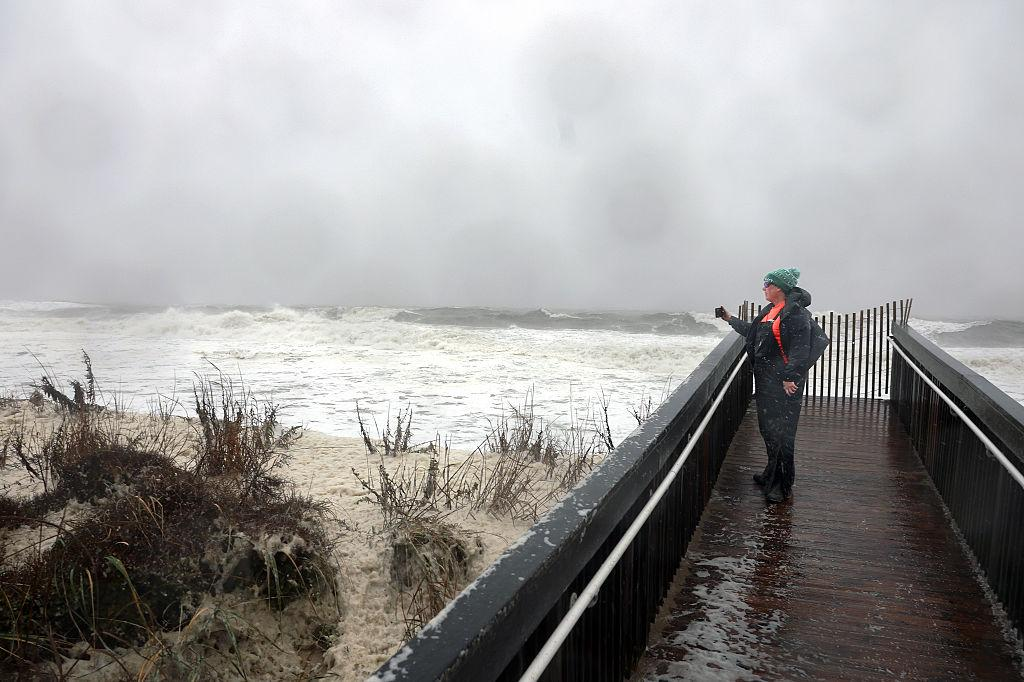
Thanksgiving traditionally represents one of the busiest travel and commercial periods in the United States. Families travel substantial distances to visit relatives, businesses prepare for increased holiday spending, and transportation networks operate under considerable demand. This year, severe weather introduced an unexpected challenge at a particularly sensitive moment for households and businesses.
The storm developed into a widespread emergency as atmospheric conditions brought intense rainfall, powerful winds and exceptionally high tides to the Atlantic coastline. Seawater moved into coastal neighborhoods, while falling trees and damaged electrical equipment interrupted essential services farther inland.
The geographical scale of the disruption complicated recovery efforts. Rather than concentrating emergency resources in a single metropolitan area, state and local authorities had to respond to numerous incidents across several states. Utility companies faced damaged distribution networks, transportation officials managed road closures, and emergency responders monitored vulnerable residential communities.
The Thanksgiving storm also demonstrated the interconnected nature of modern infrastructure. An electrical interruption can affect water treatment facilities, traffic signals, commercial refrigeration and residential heating. When these disruptions occur alongside flooding, the resulting economic consequences can extend well beyond the original weather event.
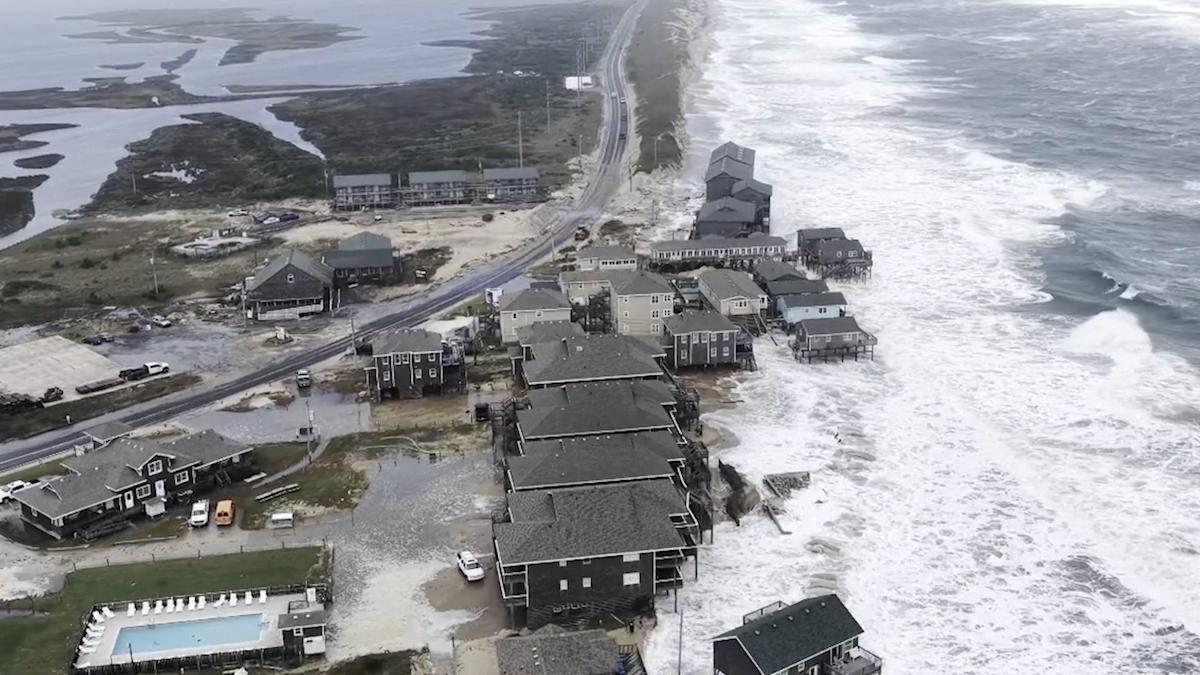
North Carolina's barrier islands represent one of the most geographically vulnerable sections of the American Atlantic coastline. Communities along the Outer Banks occupy narrow stretches of land separating the Atlantic Ocean from extensive inland sounds, making them particularly susceptible to flooding, erosion and transportation disruptions during powerful coastal storms.
During the Thanksgiving weather event, seawater breached protective dunes and flooded sections of North Carolina Highway 12, interrupting transportation around Hatteras Island. The highway provides an essential connection for residents, businesses, emergency services and visitors traveling between coastal communities. Its closure can create significant logistical difficulties for households dependent on supplies and services arriving from elsewhere.
ABC News reported that rainfall totals across parts of eastern North Carolina reached between three and five inches, while Emerald Isle recorded approximately nine inches. These conditions increased pressure on local drainage infrastructure and exposed vulnerable properties to additional flooding.
One of the most consequential environmental effects of powerful coastal storms involves the erosion of beaches and protective dunes. These natural barriers help reduce the impact of waves on residential communities and transportation infrastructure.
When powerful waves remove substantial quantities of sand, properties previously protected by beaches or dunes may become more exposed to subsequent storms. Roads can also become vulnerable when seawater repeatedly crosses areas where protective barriers have deteriorated.
North Carolina's Outer Banks have experienced these challenges for years. The movement of coastal sediments, rising sea levels and repeated storm activity can gradually alter the geography surrounding residential developments. Individual weather emergencies may accelerate changes that would otherwise occur over longer periods.
For property owners, repeated exposure to coastal flooding may also influence insurance expenses, maintenance costs and the long-term financial viability of maintaining homes in particularly vulnerable locations.
The Thanksgiving storm has added another layer of uncertainty for communities already confronting these environmental and economic challenges.
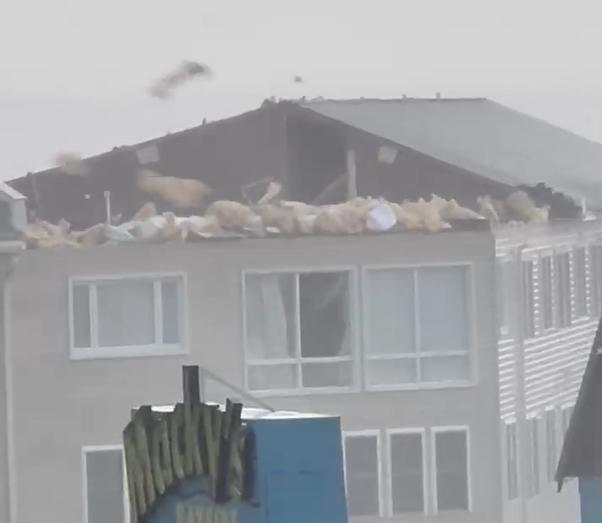
Maryland experienced a different combination of infrastructure problems during the Thanksgiving storm. In addition to flooding and wind-related property damage, electrical interruptions affected facilities responsible for supplying drinking water to a substantial population.
WSSC Water issued an emergency conservation request covering approximately 1.9 million customers in Montgomery and Prince George's counties after intermittent power disruptions affected its Potomac and Patuxent water filtration facilities.
The utility requested that customers temporarily limit water consumption to essential activities to preserve sufficient supplies for households, emergency services and firefighting operations. The incident demonstrated how a disruption affecting one essential service could create additional concerns involving another.
For businesses dependent on uninterrupted access to electricity and water, simultaneous disruptions can create significant operational challenges. Restaurants, supermarkets, healthcare facilities and manufacturing companies may need alternative arrangements when essential services become unreliable.
New Jersey experienced some of the storm's most significant coastal flooding, particularly across communities surrounding Atlantic County, Cape May County and the interconnected waterways of the Jersey Shore.
The state declared an emergency as authorities prepared for multiple periods of tidal inundation. Strong winds, combined with unusually high astronomical tides, pushed seawater into residential neighborhoods and disrupted transportation throughout vulnerable coastal areas.
According to ABC News, Cape May recorded a tide level of 9.41 feet, establishing a new local record. Atlantic City reached 8.28 feet, its highest recorded tide since Superstorm Sandy in 2012.
Communities including Ocean City, Wildwood, Stone Harbor and Atlantic City experienced flooded streets and transportation difficulties. For homeowners, the next phase of recovery involves determining whether seawater damaged electrical systems, heating equipment, flooring or structural components.
Residential flooding often creates financial consequences that become apparent only after water levels return to normal. Although removing standing water represents an important first step, damaged properties may require extensive inspections and repairs before they become suitable for normal occupancy.
Water can penetrate walls, insulation and flooring, creating conditions favorable to mold growth. Electrical wiring and household appliances exposed to floodwater may also require replacement. When seawater is involved, salt deposits can accelerate corrosion and damage materials even after buildings appear dry.
The timing of the storm introduces another challenge. With winter approaching, households experiencing damage to heating systems, windows or exterior walls may face difficulties maintaining safe indoor temperatures.
Temporary accommodation, transportation and replacement of damaged belongings can add further expenses. Families may also encounter delays if contractors, construction materials and specialized repair services become difficult to obtain following widespread property damage.
Insurance coverage will play an important role in determining the financial consequences for individual households. The National Association of Insurance Commissioners notes that standard homeowners insurance generally excludes flood damage, leaving separate flood insurance as an important source of protection.
Households without appropriate coverage could therefore face substantial expenses even if their properties sustained similar damage to neighboring insured homes.
The Thanksgiving storm struck immediately before Black Friday, traditionally an important commercial period for American retailers. Businesses preparing for increased customer demand instead faced transportation disruptions, temporary closures and the possibility of damage to merchandise and equipment.
Flooded commercial properties may require repairs to flooring, electrical systems, refrigeration equipment and inventory storage areas. Restaurants and supermarkets experiencing prolonged power interruptions could also face losses involving perishable food.
Unlike structural damage, lost commercial revenue can be difficult to measure immediately. Financial assessments may require businesses to compare actual sales with expected seasonal performance and account for expenses associated with interrupted operations.
For small businesses operating with limited financial reserves, several days of lost revenue could create additional pressure during a period when rent, wages and other expenses remain payable.
The storm's economic impact will therefore include both the visible destruction of property and less visible disruptions to commercial activity.
Transportation infrastructure represents another significant component of the recovery effort. Coastal flooding and strong winds interrupted access to highways, bridges and other important transportation connections across the affected region.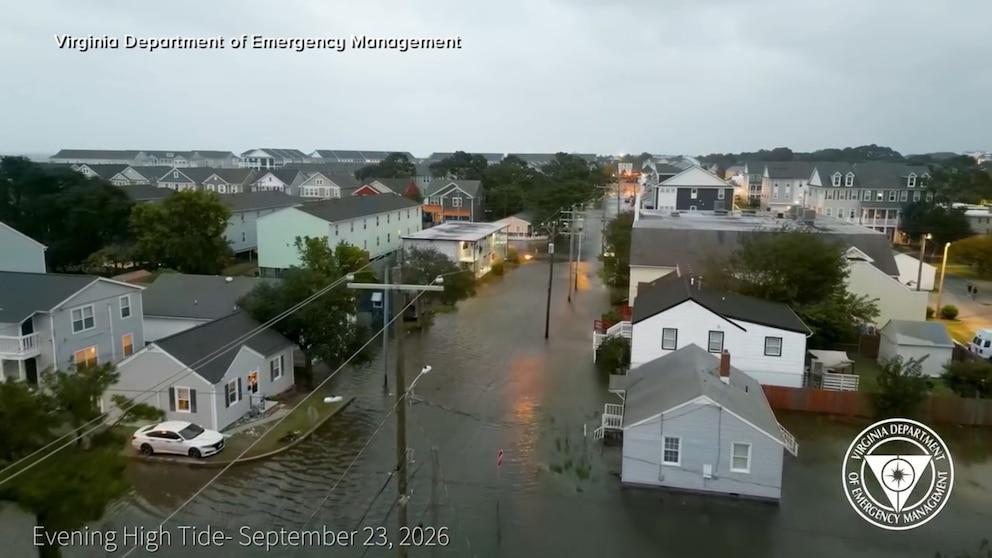
The Thanksgiving storm caused road and bridge closures in several states, including Virginia and New Jersey. Flooded transportation routes complicated travel for residents while also creating operational difficulties for businesses and emergency personnel.
When roads remain submerged for extended periods, transportation authorities may need to evaluate pavement conditions, drainage systems and supporting infrastructure before determining whether normal operations can safely resume.
Coastal highways present additional maintenance challenges because erosion can remove material supporting roadways. Damage involving protective dunes, drainage infrastructure and bridge approaches may require more extensive repairs than ordinary roadway maintenance.
The costs of these repairs may eventually be borne by state and local governments, insurance arrangements and federal disaster assistance programs, depending on the circumstances and applicable funding requirements.
Restoring transportation networks will be particularly important for communities whose economies depend on tourism, commercial deliveries and reliable access to neighboring population centers.
One of the most important numerical findings emerged from nationwide electrical outage tracking during Thanksgiving evening. According to Reuters, more than 179,000 utility customers in New Jersey were without electricity during one reporting period.
At the same time, Pennsylvania recorded more than 207,000 outages, Maryland approximately 139,000, Virginia approximately 106,000, Missouri about 100,000 and New York more than 68,000. Nationwide outages had reached approximately 961,000 customers earlier that evening.
A household may temporarily lose electricity without suffering any direct property damage. Conversely, a flooded building may remain damaged even after electrical service has been restored.
New Jersey's 179,000 outages therefore provide an important measure of the storm's immediate consequences, but a separate property assessment will be necessary to determine how many homes require repairs or remain unsuitable for occupancy.
The financial consequences of a major storm generally fall into several categories, including residential property damage, commercial losses, infrastructure repairs, transportation disruptions and the economic effects of interrupted activity.
A hypothetical $50 billion disaster would represent an exceptionally expensive weather event. If that entire amount were distributed across 179,000 properties, the average loss would exceed $279,000 per property. That calculation illustrates the magnitude of the figure rather than providing an estimate of the actual damage.
A comprehensive assessment would need to account for the number of buildings affected, the severity of individual losses, insurance claims, public infrastructure expenses and interrupted commercial activity.
The available reports establish significant flooding and infrastructure damage, but no comprehensive assessment reviewed for this article confirms that the Thanksgiving storm caused $50 billion in losses.
The final financial cost will become clearer as property inspections continue and government agencies, businesses and insurance companies release more detailed information.
North Carolina, Maryland and New Jersey each experienced substantial disruption, although the principal risks differed according to geography and infrastructure.
North Carolina's coastal communities face particular concerns involving dune erosion, flooded highways and the vulnerability of barrier-island properties. Maryland's experience highlighted the interconnected relationship between electrical infrastructure and drinking water supplies. New Jersey experienced exceptional tidal flooding alongside widespread power outages.
Within New Jersey, Cape May, Atlantic City and communities along surrounding coastal waterways face important questions about residential property damage and commercial recovery. In North Carolina, Hatteras Island and Emerald Isle were among the locations experiencing significant weather-related disruption. In Maryland, coastal communities and the densely populated counties surrounding Washington faced different combinations of infrastructure pressure.
These areas warrant continued attention, but establishing which state suffered the greatest financial losses will require comparable damage assessments rather than relying exclusively on outage totals or individual flood measurements.
As the Thanksgiving weekend continues, the immediate weather emergency is gradually giving way to a more complicated economic recovery. The ultimate cost will depend on the condition of flooded properties, the speed of infrastructure restoration and the ability of businesses to resume normal operations before the Christmas season.
For thousands of affected households, the most consequential phase of the disaster may begin after the floodwaters disappear, when the full extent of property damage and the financial burden of reconstruction become clearer.
Comments (0)
Loading comments...
May You Like

FLORIDA AIRBNB NIGHTMARE — 50 TEENS, 7 SHOOTING VICTIMS LINKED TO “SHOTS AT THE DOOR”!

MINNESOTA NIGHTMARE—UNDERGROUND GAS LEAK, HUNDREDS OF HOMES AT RISK, $300M DAMAGE!

WEYMOUTH HORROR — FIRE TRUCK BRAKES TO SAVE DOG, ONE FIREFIGHTER DEAD, TWO CRITICAL!

Latest Posts







Popular Posts




