
EAST COAST MEGASTORM—2 MILLION HOUSES DAMAGED, 5 MILLION AT RISK OF BLACKOUTS, WATER FAILURES!
ATLANTIC CITY, New Jersey — November 28, 2026 — A powerful Thanksgiving storm has left communities across the eastern United States confronting widespread infrastructure damage, flooded residential neighborhoods and significant interruptions to essential services, raising concerns about the ability of heavily populated coastal regions to withstand multiple emergencies as winter approaches.
From the barrier islands of North Carolina to the densely populated streets of New York City, destructive winds and exceptionally high tides pushed seawater into residential areas, damaged electrical networks and disrupted transportation. Emergency personnel responded to flooded roads, fallen trees and stranded motorists while utility companies worked to maintain essential services across several states.
According to Reuters, wind gusts reached approximately 70 mph, while electrical outages approached one million customer accounts nationwide during the height of the emergency. The National Weather Service attributed much of the coastal flooding to powerful onshore winds coinciding with unusually high astronomical tides.
The immediate weather emergency has exposed a broader vulnerability within America's coastal infrastructure. When electricity, transportation and water distribution systems experience simultaneous disruptions, the consequences can extend far beyond properties directly damaged by a storm.
The Thanksgiving weather system developed during one of the busiest periods of domestic travel in the United States. Millions of families were visiting relatives, businesses were preparing for the Christmas shopping season, and transportation networks were already experiencing increased demand when severe weather began affecting the Eastern Seaboard.
As winds intensified, falling trees and damaged utility equipment interrupted electricity supplies across numerous communities. Coastal neighborhoods faced additional problems as rising seawater overwhelmed drainage systems and entered streets, parking areas and low-lying residential properties.
The Washington Post reported that more than 700,000 people remained without electricity early Friday, while flood warnings continued in several metropolitan areas. The storm's geographical reach complicated recovery efforts because numerous communities required emergency assistance simultaneously.
For emergency planners, the combination of these hazards represents a particularly difficult scenario. Flooded roads can prevent utility crews from reaching damaged equipment, while electrical failures can interrupt water pumping, residential heating and communications. Each additional infrastructure problem can make resolving the others more complicated.
The storm has consequently raised questions about whether existing emergency systems can adequately protect coastal communities when several essential services become vulnerable at the same time.
The eastern United States contains some of the country's most densely populated metropolitan areas, with extensive residential developments located near rivers, bays and coastal waterways. Many of these communities depend on interconnected electrical and water distribution networks serving large populations across municipal boundaries.
A single damaged electrical substation can interrupt service to numerous neighborhoods, while operational difficulties at a major water treatment facility can affect customers living considerable distances from the original disruption.
During colder weather, prolonged interruptions can become increasingly difficult for households without alternative heating arrangements. Older residents, young children and individuals dependent on electrically powered medical equipment may face particularly significant challenges.
The Thanksgiving emergency demonstrates the importance of distinguishing between infrastructure vulnerability, temporary service interruptions and confirmed structural damage.
North Carolina's Outer Banks experienced substantial disruption as powerful waves breached protective dunes and sent seawater across coastal highways. Hatteras Island and Ocracoke Island were particularly vulnerable because their geographical locations expose them to flooding from both the Atlantic Ocean and surrounding sounds.
North Carolina Highway 12 was closed at four locations on Thanksgiving morning. The closures interrupted a transportation corridor essential to residential communities, commercial deliveries and emergency services. On Friday, transportation crews continued assessing damage to pavement and protective dunes before determining when affected sections could reopen.
The storm also brought substantial rainfall to eastern North Carolina, increasing the possibility of flooding in communities farther inland. Morehead City and Atlantic Beach experienced flooded roads, while coastal properties faced additional exposure to erosion and powerful waves.
For residents of the barrier islands, damaged transportation infrastructure can create consequences extending beyond ordinary travel delays. Businesses depend on reliable deliveries, while households require access to groceries, medical services and other essential supplies.
The condition of protective dunes will remain particularly important during recovery. Areas where substantial erosion has occurred could become more vulnerable to subsequent coastal weather events, even after the immediate Thanksgiving emergency has ended.
Maryland experienced one of the storm's most significant examples of interconnected infrastructure vulnerability when electrical interruptions affected facilities responsible for supplying drinking water to communities surrounding Washington, D.C.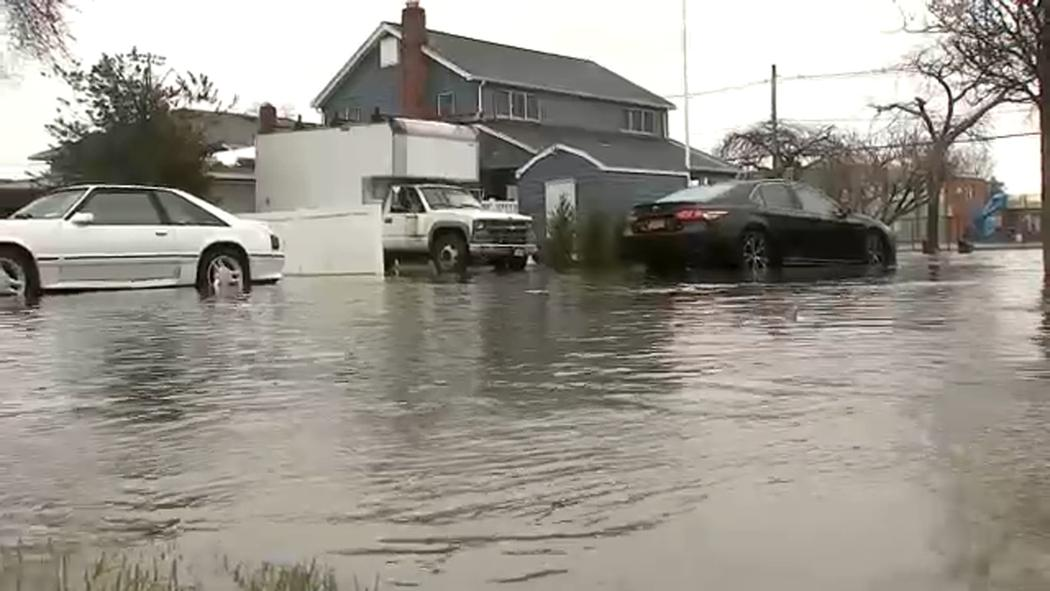
WSSC Water issued an emergency conservation request on Thanksgiving afternoon covering approximately 1.9 million customers in Montgomery and Prince George's counties. The announcement followed intermittent electrical disruptions affecting the utility's Potomac and Patuxent water filtration facilities.
Customers were asked to temporarily restrict water consumption to essential activities. The objective was to preserve water reserves and maintain sufficient supplies for emergency operations, including firefighting.
Modern drinking water systems depend heavily on reliable electricity. Treatment facilities require power to operate filtration equipment, pumping systems and monitoring technologies, while distribution networks rely on sufficient pressure to deliver water to residential and commercial properties.
If electrical interruptions become prolonged, utilities may need to rely on backup equipment and stored water supplies. The effectiveness of those measures depends on available resources and the duration of the emergency.
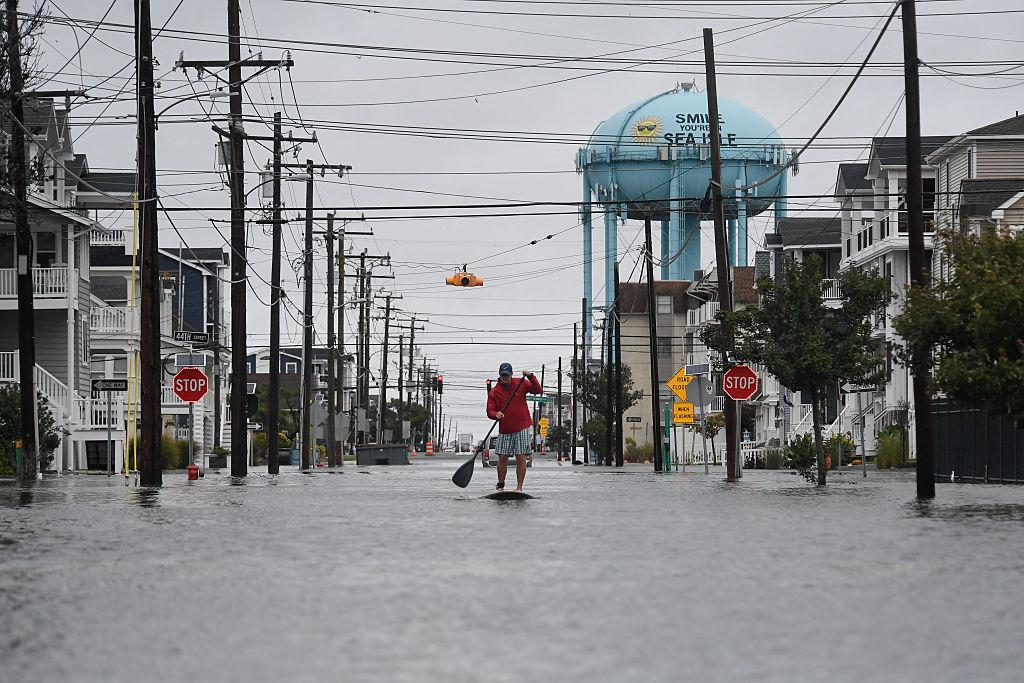
New Jersey experienced some of the most serious tidal flooding associated with the Thanksgiving storm. Communities along the Jersey Shore faced rising seawater, powerful winds and drainage difficulties as unusually high tides pushed water into vulnerable residential areas.
Cape May recorded exceptional coastal water levels, while Atlantic City and Ocean City experienced their highest storm tides since Superstorm Sandy in 2012. According to The Weather Channel, tide-gauge estimates indicated inundation of approximately three to four feet in parts of the Cape May area.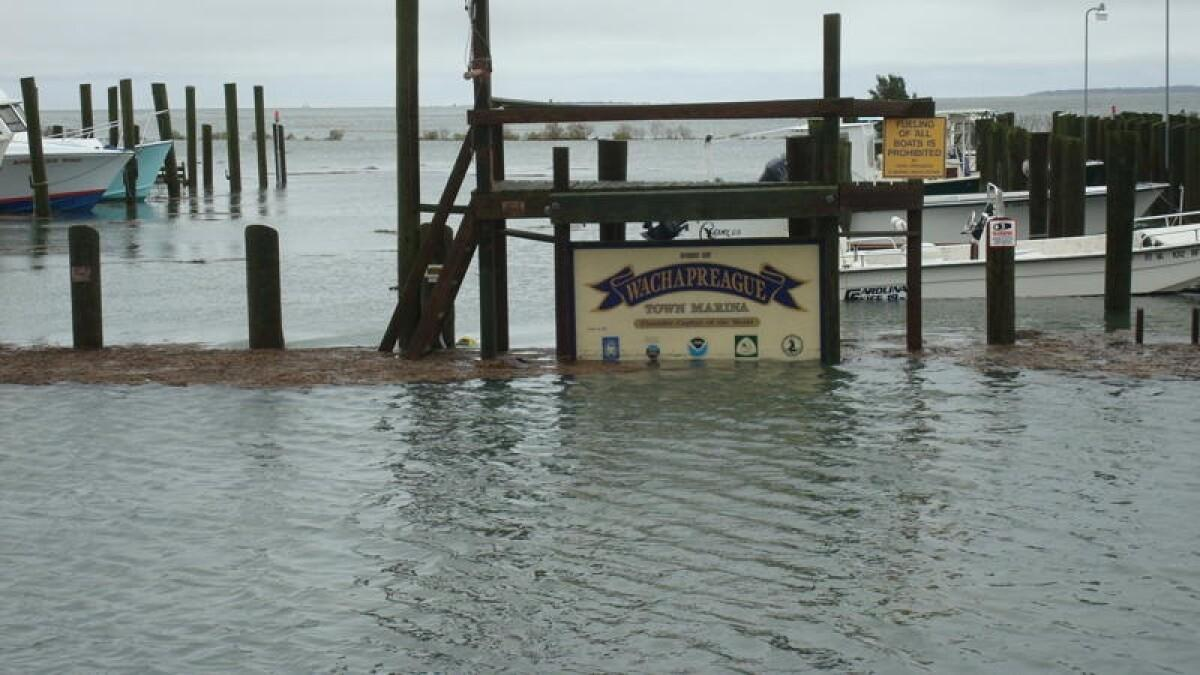
Residents of low-lying coastal neighborhoods confronted flooded streets, transportation restrictions and potential damage to vehicles, garages and ground-level living spaces. Even properties that escaped direct structural damage could experience problems involving electrical equipment, drainage systems and underground utilities.
Saltwater flooding creates particular difficulties because dissolved salts remain after visible water has evaporated. These deposits can accelerate corrosion, damage electrical components and interfere with the recovery of residential gardens and landscaped properties.
For homeowners, the financial consequences may include repairs to flooring, insulation, electrical wiring and heating equipment. Businesses may experience additional losses if flooding damages merchandise or prevents customers from reaching commercial districts.
The number of buildings requiring extensive repairs will become clearer as local authorities, property owners and insurance companies complete damage assessments.
New York City experienced a different combination of challenges as the storm brought heavy rainfall and powerful winds into one of the most densely populated urban environments in the United States.
Flooding affected vulnerable coastal neighborhoods, while falling trees and electrical interruptions complicated transportation and emergency operations. Two people were rescued from vehicles during the severe weather, according to information reported by The Washington Post.
The storm also forced the postponement of the 100th Macy's Thanksgiving Day Parade until Saturday, marking the first weather-related rescheduling in the event's history.
Beyond the disruption to holiday celebrations, the storm highlighted the vulnerability of urban infrastructure. Underground transportation facilities, basement residences and electrical equipment located in flood-prone areas can face substantial challenges when water accumulates rapidly.
Apartment buildings introduce additional concerns during prolonged utility interruptions. Elevators, building access systems and equipment responsible for circulating water may depend on electricity. Residents on upper floors can consequently experience difficulties even when their apartments remain physically undamaged.
Coastal sections of Queens, Brooklyn and Staten Island warrant particular attention because their geographical characteristics can expose residential communities to both heavy rainfall and tidal inundation.
Virginia represents another important area of concern because of its extensive coastline, low-lying residential communities and dependence on transportation infrastructure connecting the Chesapeake Bay region.
The Thanksgiving storm produced exceptional water levels at several monitoring locations. Wachapreague experienced record flooding, while Norfolk's Sewell's Point monitoring station registered its highest storm tide since Hurricane Isabel in September 2003.
Emergency crews conducted water rescues in Lewisetta, and powerful winds forced the temporary closure of the Chesapeake Bay Bridge-Tunnel.
For communities surrounding Hampton Roads and Virginia's Eastern Shore, the combination of coastal flooding and transportation restrictions can complicate access to workplaces, medical facilities and commercial services.
The region's extensive port operations and maritime infrastructure also depend on reliable transportation connections. Disruptions affecting roads and bridges can potentially influence commercial activities beyond neighborhoods directly exposed to floodwater.
As recovery progresses, inspections of coastal infrastructure and residential properties will be important in determining whether the storm produced lasting damage or primarily temporary interruptions.
Water entering electrical outlets, appliances or building equipment can create hazards requiring professional inspection. Heating systems exposed to floodwater may also require repairs or replacement before residents can safely use them.
Prolonged moisture creates another concern because mold can develop inside damaged walls, insulation and flooring. These problems may become apparent days after floodwaters have receded, adding further expenses to the recovery process.
Water infrastructure may require separate inspections where flooding has damaged pumping equipment or affected private drinking water wells. Testing and repairs may be necessary before individual supplies can safely return to normal operation.
Consequently, restoration statistics provide only one measure of disaster recovery. Determining whether communities have fully recovered also requires information about housing conditions, transportation access, drinking water reliability and the availability of essential services.
The economic consequences of the Thanksgiving storm could become increasingly significant as households and businesses begin assessing property damage. For many families, unexpected repair expenses arrive during a period already associated with increased holiday spending.
Homeowners may need to replace damaged vehicles, appliances, furniture and heating equipment. Families unable to remain inside their residences could face additional expenses involving temporary accommodation, transportation and daily necessities.
Small businesses may experience similar financial pressures. Restaurants that lost electricity could face spoiled inventory, while retailers operating in flooded commercial districts may encounter repair costs and reduced sales during the Christmas shopping season.
However, establishing the total economic burden requires detailed information about physical damage, insurance claims and interruptions to commercial activity. An estimate based solely on the number of people living within affected states could substantially misrepresent the storm's actual financial consequences.
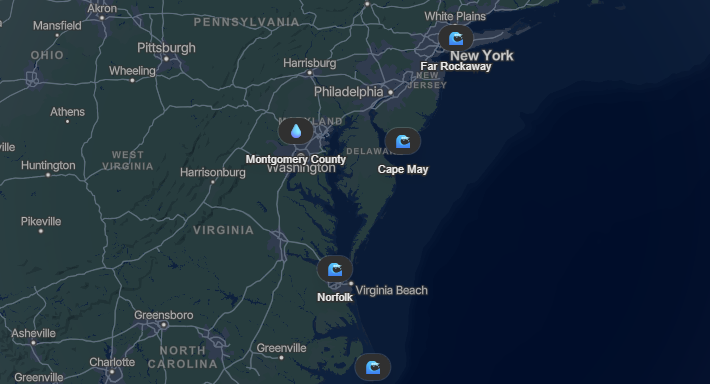
The five regions examined in this report experienced different combinations of infrastructure disruption. North Carolina faced coastal erosion and transportation restrictions, while Maryland experienced significant concerns involving the reliability of drinking water production.
New Jersey confronted exceptional coastal flooding, New York City experienced urban transportation disruptions and Virginia recorded unusually high water levels threatening coastal communities.
The severity of future disruptions will depend on local weather conditions, the progress of infrastructure repairs and whether additional storms affect communities before recovery is complete.
At the height of the Thanksgiving storm, approximately 961,000 electricity customer accounts nationwide were without power, according to outage tracking data cited by Reuters. A subsequent snapshot recorded more than 207,000 outages in Pennsylvania, over 179,000 in New Jersey, approximately 139,000 in Maryland, 106,000 in Virginia and more than 68,000 across New York state.
Maryland's separate water conservation request covered 1.9 million customers. WSSC Water subsequently lifted that request at 8:30 a.m. on Friday, November 27, allowing customers to resume normal water consumption.
These figures establish the considerable scale of the infrastructure disruption, but they measure different categories of impact. Electrical outages represent utility customer accounts, while the water conservation request represents the population served by a particular utility.
Neither figure establishes the number of houses physically damaged by flooding or destructive winds. No comprehensive assessment reviewed for this report confirms that two million homes sustained damage or that five million people face an imminent combined electricity and water emergency.
The available evidence nevertheless demonstrates how severe weather can place multiple essential systems under pressure simultaneously, affecting populations substantially larger than the number of properties directly damaged.
As the Thanksgiving weekend continues, the most important developments will involve infrastructure restoration, residential damage assessments and updated weather information. The immediate danger may have diminished, but the recovery of coastal communities will depend on how effectively damaged transportation networks, residential properties and essential utilities can be restored before winter intensifies.
Comments (0)
Loading comments...
May You Like

EAST COAST DISASTER—179 THOUSANDS OF HOMES AT RISK, CAUSING $50 BILLION IN DAMAGE!

TOLEDO I-75 TRUCK CRASH — POTENTIAL BRIDGE COLLAPSE AND MILLIONS IN DAMAGEs!


Latest Posts






Popular Posts





