
EAST COAST STORM CRISIS—5 MILLION AT RISK OF BLACKOUTS, WATER, AND HEATING FAILURES!
NEW YORK — November 28, 2026 — A powerful Thanksgiving storm has left communities across the eastern United States confronting widespread electrical interruptions, flooded residential neighborhoods and damaged transportation infrastructure, raising concerns about the reliability of essential public services as millions of American families prepare for the approaching winter.
From the barrier islands of North Carolina to the densely populated metropolitan areas surrounding Washington and New York City, destructive winds and unusually high tides disrupted everyday life. Emergency personnel responded to flooded streets and damaged infrastructure while utility companies worked to restore services.
According to Reuters, wind gusts reached approximately 70 mph, or 112 kilometers per hour, during the storm. Electrical failures and transportation restrictions placed considerable pressure on communities already managing one of the busiest holiday periods of the year.
The emergency has exposed a broader concern about America's infrastructure: electricity, drinking water and residential heating are closely interconnected. When one system experiences a serious disruption, the consequences can potentially spread to other services upon which entire communities depend.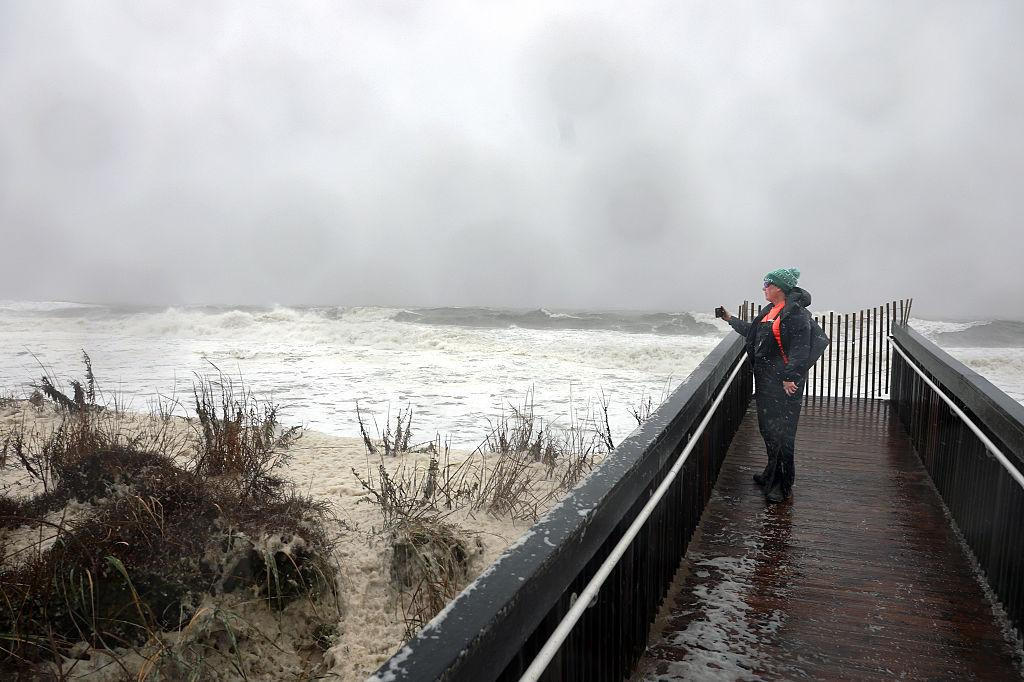
The storm arrived during a period when transportation networks, residential communities and commercial businesses were already experiencing increased holiday demand. Families traveling to visit relatives encountered hazardous road conditions, while businesses preparing for Black Friday faced unexpected interruptions to electricity and transportation.
The combination of powerful winds and exceptionally high tides created particularly difficult conditions along the Atlantic coastline. Seawater entered low-lying neighborhoods, while saturated ground increased the vulnerability of trees to strong winds. Damaged electrical lines and flooded roadways complicated recovery operations.
For emergency management authorities, the most significant challenge involved maintaining several essential services simultaneously. Electrical repair crews needed reliable transportation access, water utilities required stable electricity, and residential heating systems depended on functioning energy infrastructure.
A neighborhood experiencing problems with all three services could face considerably greater difficulties than one dealing with an isolated power interruption.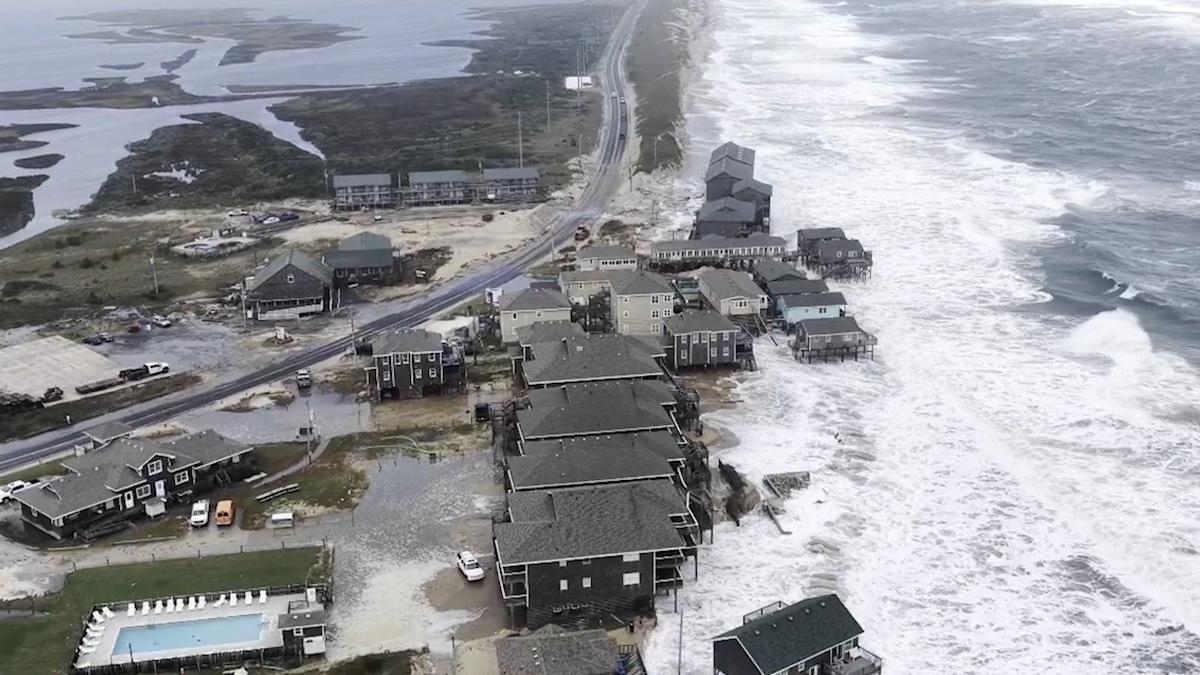
The geographical reach of the storm also meant that emergency resources had to be distributed across numerous communities rather than concentrated in a single disaster area.
North Carolina's Outer Banks experienced substantial coastal disruption as seawater breached protective dunes and covered portions of North Carolina Highway 12. The roadway provides an essential transportation connection for communities located along the state's barrier islands.
For residents of Hatteras Island, Frisco and surrounding coastal communities, prolonged transportation restrictions could create difficulties obtaining groceries, medicine, fuel and other essential supplies. Businesses may also encounter problems receiving commercial deliveries or maintaining normal staffing arrangements.
The situation becomes particularly complicated when road closures coincide with utility interruptions. Repair crews may have difficulty reaching damaged electrical equipment, potentially delaying restoration work.
Properties dependent on limited transportation connections can consequently experience greater disruption even when their buildings remain structurally intact.
Maryland experienced one of the storm's most significant infrastructure emergencies when electrical interruptions affected facilities responsible for supplying drinking water to communities surrounding Washington, D.C.
WSSC Water issued an emergency conservation request at 2:30 p.m. on Thanksgiving, covering approximately 1.9 million customers throughout Montgomery and Prince George's counties. The announcement followed intermittent electricity disruptions affecting the utility's Potomac and Patuxent water filtration plants.
Residents were asked to temporarily limit water consumption to essential activities. The measure was intended to protect available water reserves and maintain sufficient supplies for residential consumption and emergency operations.
The incident demonstrated how an electrical disruption affecting a small number of critical facilities can potentially influence services used by an enormous population.
Unlike residential power failures, difficulties at major water treatment plants can affect customers living many miles away from the original infrastructure problem. Even households retaining electricity may experience consequences if their drinking water provider encounters operational difficulties.
Maintaining stable power supplies at water treatment facilities therefore represents an important component of regional disaster preparedness.
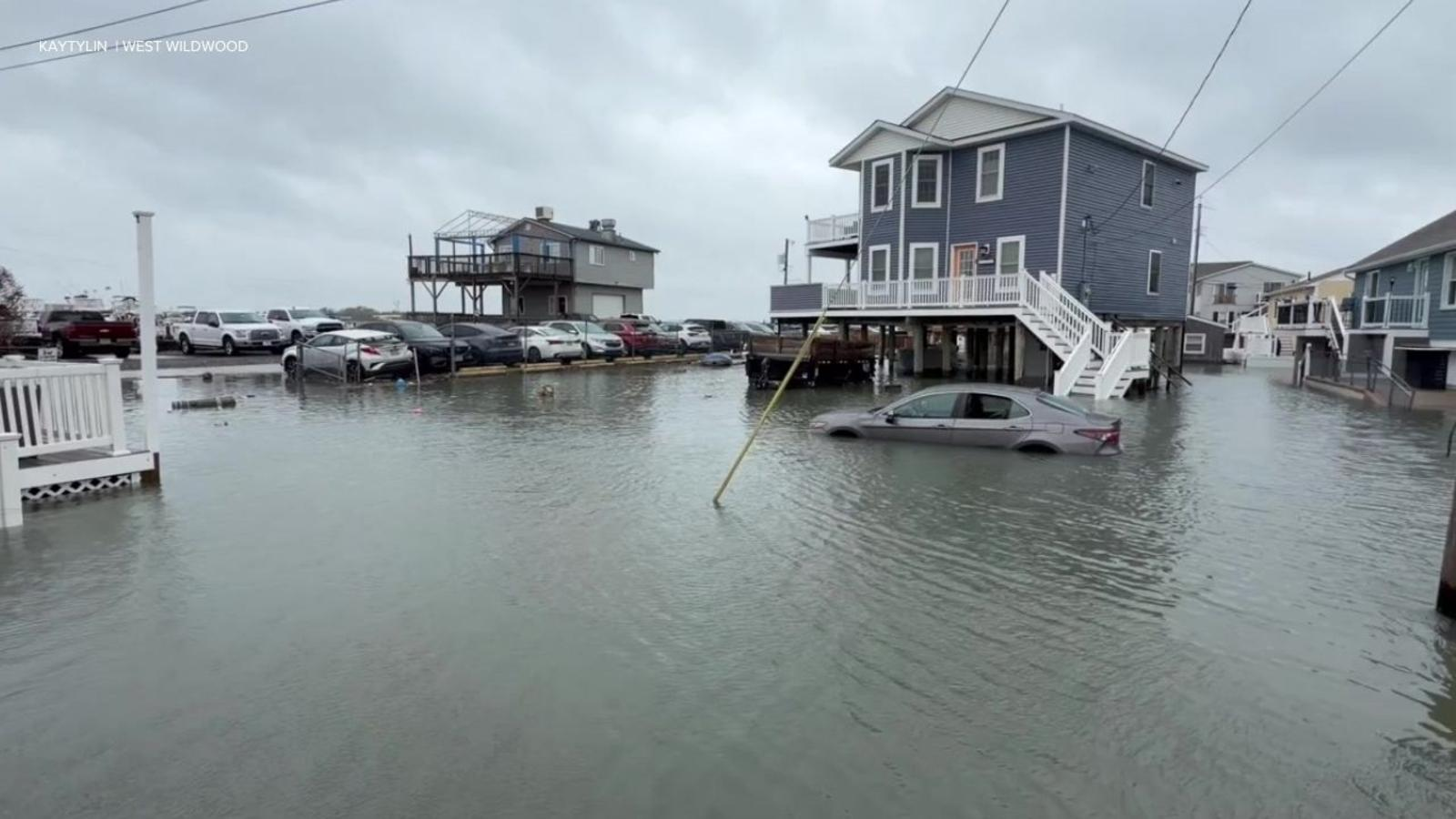
New Jersey experienced widespread coastal flooding as powerful winds pushed seawater into communities surrounding the Atlantic coastline and its interconnected bays. State authorities declared an emergency ahead of the storm, anticipating significant transportation problems and interruptions to electricity.
Communities throughout Cape May County, Atlantic County and Ocean County faced particular concerns because of their geographical exposure to coastal water levels.
Flooding can create additional complications for residential properties when seawater reaches electrical equipment, heating systems or ground-level living spaces. Even after electricity has been restored in surrounding neighborhoods, individual buildings may require inspections before their equipment can safely return to operation.
Saltwater exposure can accelerate corrosion, while moisture remaining inside walls and flooring may contribute to mold growth. These conditions can increase repair expenses and delay the return of displaced residents.
For businesses operating along the Jersey Shore, recovery could also involve replacing damaged merchandise, refrigeration equipment and electrical infrastructure.
The approaching winter adds another concern. Homes with damaged heating systems, broken windows or compromised insulation could become increasingly difficult to occupy during colder weather.
New York City experienced flooding, transportation interruptions and falling trees during the Thanksgiving emergency. The storm also forced the unprecedented weather-related postponement of the 100th Macy's Thanksgiving Day Parade.
Beyond the disruption to holiday celebrations, the event highlighted the vulnerability of infrastructure serving densely populated urban communities.
Large residential buildings frequently depend on electrical systems to operate elevators, water pumps, heating equipment and electronic access controls. Consequently, an extended interruption to electricity can affect several aspects of residential life simultaneously.
Residents living on higher floors may face difficulties if elevators become unavailable or building water pumps stop functioning. Older adults and individuals with limited mobility could experience additional challenges obtaining essential supplies or leaving their apartments.
Basement residences introduce a separate concern because intense rainfall and coastal flooding can create dangerous conditions when water accumulates rapidly.
According to the Associated Press, New York authorities reported water rescues involving motorists, alongside disruptions to railway services and other infrastructure.
Virginia experienced another combination of severe weather hazards as powerful winds and coastal flooding affected communities surrounding the Chesapeake Bay.
The Chesapeake Bay Bridge-Tunnel was temporarily closed because of high winds during Thanksgiving, interrupting an important transportation connection between Virginia's Eastern Shore and the Hampton Roads metropolitan area.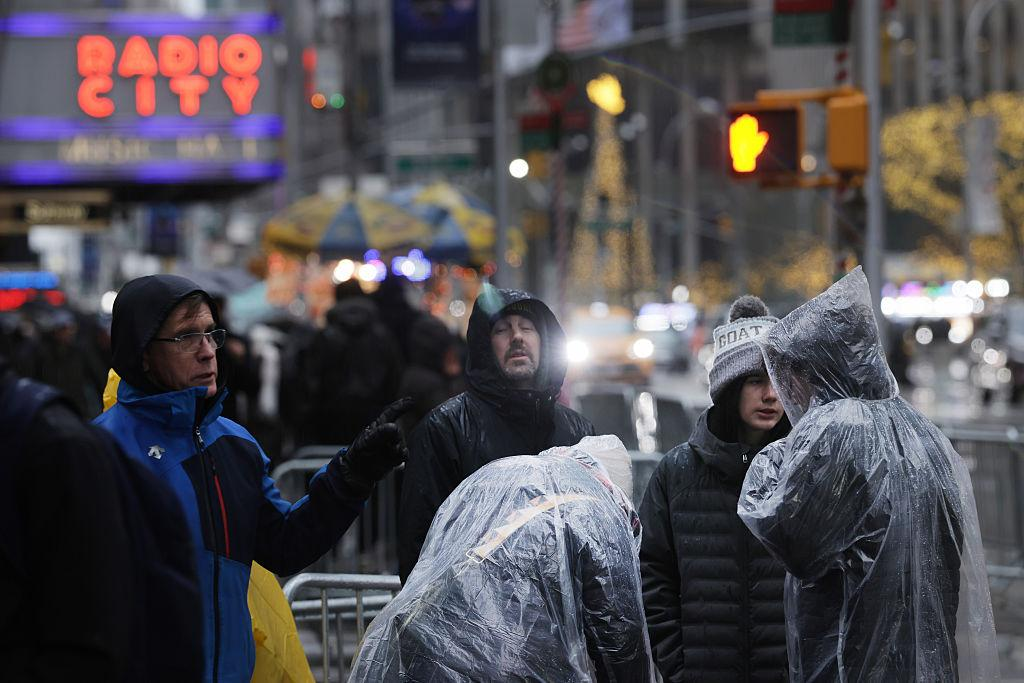
The National Weather Service also issued warnings covering vulnerable communities in southeastern Virginia, including Chesapeake, Norfolk, Portsmouth and Virginia Beach.
For residents of low-lying coastal neighborhoods, flooding can disrupt everyday transportation even when residential properties remain above water. Medical appointments, commercial deliveries and access to emergency services may become more complicated when roads are temporarily inaccessible.
Virginia's coastal economy also depends on reliable transportation infrastructure supporting maritime businesses, port operations and commercial distribution networks.
One of the most important lessons from the Thanksgiving storm involves the relationship between different infrastructure systems. Electricity provides far more than residential lighting. It also supports the operation of water treatment plants, communication networks, heating systems and numerous other essential services.
Many homes equipped with natural gas furnaces still require electricity to operate thermostats, circulation fans and electronic controls. Losing electrical service can therefore interrupt heating even when natural gas remains available.
Water distribution systems similarly rely on electrical equipment to treat water, operate pumps and maintain sufficient pressure throughout residential networks.
Backup generators and stored water reserves can provide temporary protection, but their effectiveness depends on the duration and severity of the disruption.
A prolonged blackout affecting multiple critical facilities could consequently create several overlapping emergencies. Households may experience difficulties maintaining indoor temperatures, preparing food and accessing reliable drinking water.
Maryland's water conservation request illustrates how precautionary measures can help protect essential services while utility companies address operational difficulties.
 A prolonged interruption lasting 72 hours could create substantial difficulties for affected households, particularly during colder weather.
During the initial hours of a power failure, families may be able to rely on stored food, charged electronic devices and existing indoor temperatures. As the interruption continues, these resources can become increasingly limited.
Refrigerated food may become unsafe, electronic devices may lose their remaining battery capacity, and indoor temperatures could decline in homes without alternative heating arrangements.
Residents relying on electrically powered medical equipment may require alternative accommodation or additional assistance. Households without access to running water may encounter difficulties maintaining sanitation and preparing meals.
Another concern involves carbon monoxide exposure. The Centers for Disease Control and Prevention warns that operating portable generators or other inappropriate fuel-burning equipment inside enclosed spaces can produce dangerous concentrations of the gas.
The actual duration and consequences of individual outages vary considerably according to local infrastructure conditions.
For many affected households, the economic consequences of severe weather may continue after electricity has been restored and transportation restrictions have been removed.
Residential flooding can damage furniture, flooring, household appliances and heating equipment. Families requiring temporary accommodation may encounter additional expenses involving transportation, meals and replacement of essential belongings.
Small businesses face similar pressures. Restaurants and supermarkets may experience losses involving refrigerated inventory, while retailers could lose revenue when flooding prevents customers from reaching commercial districts.
The timing of the Thanksgiving storm creates additional concerns because it coincides with the beginning of the Christmas shopping season. Businesses that ordinarily depend on increased holiday demand may instead need to allocate resources toward repairs and reopening.
Insurance coverage will influence the ultimate financial consequences for individual households and businesses. The extent of available compensation depends on policy terms, deductibles and the nature of the damage sustained.
A comprehensive economic assessment will require more detailed information from property owners, insurers and local authorities.
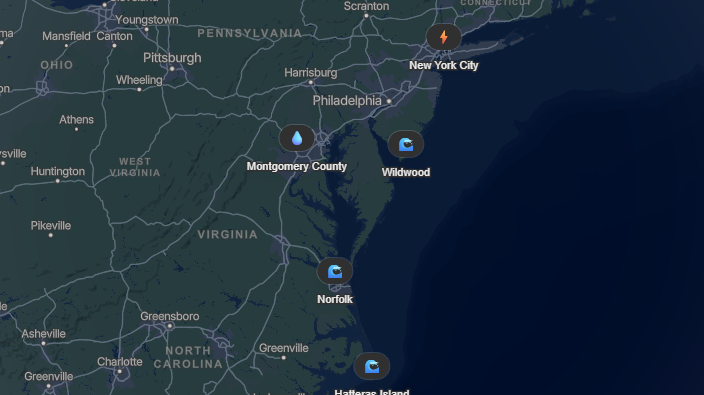
North Carolina's Outer Banks face concerns involving damaged highways and restricted access to coastal communities. Maryland experienced a significant precautionary water conservation emergency, while New Jersey confronted widespread tidal flooding and electrical interruptions.
New York City experienced urban flooding and transportation problems, while Virginia faced hazardous coastal conditions and temporary bridge closures.
At the height of the Thanksgiving emergency, approximately 961,000 electricity customer accounts were without power nationwide. A subsequent snapshot cited by Reuters recorded more than 207,000 outages in Pennsylvania, over 179,000 in New Jersey, approximately 139,000 in Maryland, 106,000 in Virginia and more than 68,000 across New York state.
Reuters
By Friday afternoon, the nationwide figure had declined to approximately 400,577 customer accounts, according to outage tracking data reported by The Guardian. That reduction indicated substantial progress in electrical restoration, although numerous households and businesses continued experiencing interruptions.
The Guardian
Maryland's drinking water situation also improved. WSSC Water officially lifted its conservation request at 8:30 a.m. on Friday, November 27, approximately 18 hours after issuing the initial announcement. The utility allowed its 1.9 million customers to resume normal water consumption following improvements in electrical reliability.
The storm nevertheless demonstrated how quickly severe weather can place multiple essential systems under pressure. For communities where damaged roads, electrical interruptions and residential flooding occurred together, recovery may continue long after the immediate weather emergency has passed.
As December approaches, attention will remain focused on repairing coastal transportation networks, restoring remaining electrical services and ensuring that affected properties can safely accommodate residents throughout the winter. The ultimate extent of the Thanksgiving disaster will become clearer through documented property assessments and infrastructure recovery reports.
Comments (0)
Loading comments...
May You Like



EAST COAST CATASTROPHE — $20 BILLION AT STAKE, 5 MILLION AT RISK OF LOSING POWER, WATER AND HEAT!

Latest Posts









Popular Posts


