ELECTION CODE RED! A massive court ruling changes everything today. Read the story. #USPolitics
Court Rejects Trump Administration’s Emergency Bid Over 20,000 California Ballots as Newsom Election Battle Escalates
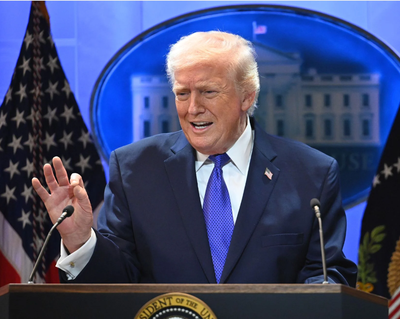
A major legal dispute over approximately 20,000 California ballots has intensified just days before the November 3, 2026, midterm elections. A federal appeals court declined to grant the Trump administration’s emergency request to stop California from counting ballots associated with voters whose citizenship status the federal government has questioned.
The October 26 ruling was an important procedural setback for the administration, but it did not establish that all 20,000 ballots were valid, nor did it prove that the people identified were ineligible to vote. The dispute now returns to a federal district court for further consideration.

The lawsuit was brought by the U.S. Department of Justice against California officials. Federal authorities allege that more than 20,000 people flagged by government data may be noncitizens who were registered to vote and sent mail ballots. The administration asked the courts to require election officials to set those ballots aside until citizenship could be verified.
The distinction between an allegation and a confirmed finding is central to the case. Noncitizens are generally prohibited from voting in federal elections, but the federal government’s list has been challenged by California officials, who say it contains significant inaccuracies and does not establish that every person identified is ineligible.

The Ninth U.S. Circuit Court of Appeals dismissed the administration’s emergency appeal because the federal government had not given the district court sufficient opportunity to consider its request first. The appeals panel said the normal legal process had not been followed, rather than issuing a final ruling resolving every underlying question in the lawsuit.
Two judges also expressed concerns about the administration’s request in separate opinions. They raised questions about the reliability of the list, the constitutional authority to direct state election procedures and the potential disruption of changing election rules so close to Election Day.

The court’s decision means the administration did not obtain the immediate order it sought from the appeals court. It does not mean the entire lawsuit has been permanently dismissed on its merits. A district judge was scheduled to hear the dispute on October 27, leaving another legal stage ahead.
California Governor Gavin Newsom criticized the federal government’s effort, portraying it as an attempt to interfere with the state’s election process. State Attorney General Rob Bonta also welcomed the appeals court’s decision, arguing that California’s election laws should not be overridden through an emergency request based on disputed data.

The Justice Department has defended its lawsuit as an effort to enforce federal law and prevent ineligible voting. Its position is that election officials should verify the citizenship status of the people identified before counting their ballots. The department has argued that waiting until after the election could make it harder to separate the ballots in question from the broader count.
California officials counter that the government’s demands came too late and would be difficult to carry out without disrupting an election already underway. They also argue that federal authorities have not adequately explained how they assembled the list or demonstrated that the individuals flagged are actually noncitizens.

A preliminary review by the Los Angeles County registrar’s office reportedly found substantial discrepancies in a sample of 200 names supplied by the federal government. California officials said more than half had canceled or inactive registrations, 38.9 percent listed a U.S. birthplace, and 71.2 percent had no voting history. Those findings do not establish the status of every person on the list, but they have become part of the state’s argument that the data need careful verification.
The figures also highlight a critical issue in election administration: matching government records does not automatically establish that someone has illegally registered or voted. Data errors, outdated records and mismatched identities can produce false flags. Each case would need to be evaluated using reliable evidence before a person could be conclusively classified as ineligible.

The controversy follows earlier federal claims that California had a much larger number of potentially noncitizen registrants. In July, federal officials reportedly cited a figure exceeding 190,000 before the administration’s lawsuit focused on approximately 20,000 people. State officials have questioned the change in estimates and the methodology behind the newer list.
The legal dispute is unfolding while California voters are already casting ballots for the November midterms. Reports on October 26 said more than three million ballots had been cast statewide, making the timing of any court-ordered change a major practical concern for election administrators.

The Constitution gives states a substantial role in administering elections, while federal law prohibits noncitizens from voting in federal contests. The court dispute therefore involves more than the individual ballots: it also raises questions about how far the executive branch can go in directing state election procedures, particularly shortly before an election.
The appeals court was divided in its views. The majority dismissed the emergency appeal on procedural grounds, while two judges indicated that they would also have rejected the administration’s request on additional legal grounds. A dissenting judge argued that the federal government had a legitimate interest in preventing potentially unlawful votes from being counted before citizenship was verified.

For voters, the immediate question is whether the district court will issue any order affecting how election officials process the ballots. The appeals court’s decision itself did not confirm that the disputed ballots had all been counted, and it did not determine the citizenship status of the individuals named in the federal list.
The outcome could also influence future disputes over federal oversight of state voter rolls. If the administration’s legal arguments prevail at a later stage, the ruling could affect how election officials respond to federal requests to investigate suspected ineligible registrations. If California prevails, the case could reinforce limits on emergency federal intervention in state-run election procedures.

For now, the most accurate description is that the appeals court declined to grant the Trump administration’s emergency request and allowed the case to proceed through the lower court. The ruling was a setback for the administration’s immediate effort to isolate the ballots, but it was not a final decision on the underlying allegations.
With Election Day approaching on November 3, the next district court proceedings will be closely watched by state officials, federal authorities and voters. The central questions remain whether the government’s list can be substantiated, what remedies the law permits this late in the election, and how any decision could affect eligible voters.
Fact-check note: The image’s “20,000 ballots” refers to ballots associated with people the Trump administration alleges may be noncitizens—not 20,000 proven illegal votes. On October 26, the Ninth Circuit dismissed the emergency appeal because the district court had not been given adequate time to consider the request. A further hearing was scheduled for October 27.
Comments (0)
Loading comments...
May You Like
Latest Posts




Popular Posts