Election Officials Warn Trump’s Mail-Ballot Rules Could Overwhelm States as Court Fight Intensifies
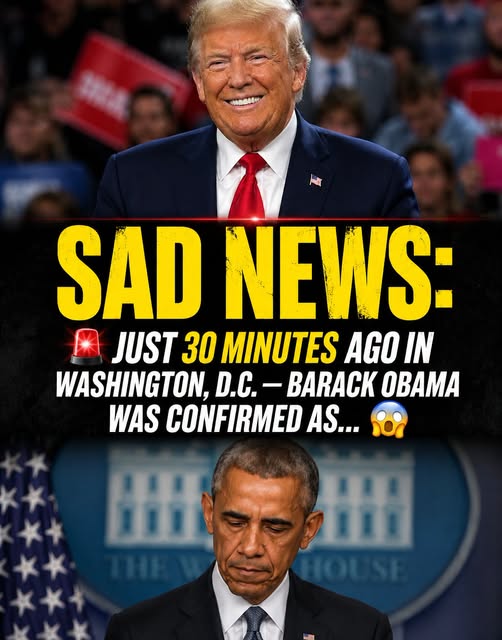
WASHINGTON — State and local election officials are warning that President Donald Trump’s proposed changes to the way mail-in ballots are prepared and processed could be extremely difficult to implement before the November 2026 midterm elections, citing a shortage of time, money, personnel and, in some jurisdictions, even paper.
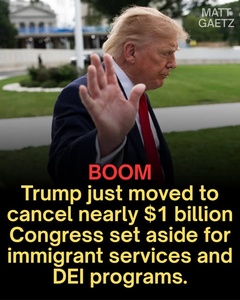
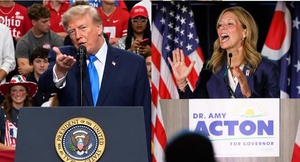
The warning was highlighted in a CNN report published September 2, which is the source of the graphic provided. CNN’s headline said there was “not enough money, people or paper” for election officials to comply with the proposed requirements.
But the situation has moved quickly since that report: the rules are currently blocked by a federal judge, while the Trump administration has taken the fight back to the U.S. Supreme Court.
What Trump’s mail-ballot plan would change
Trump signed an executive order in March directing the U.S. Postal Service to develop new standards for mail-in and absentee ballots.
Among the proposed requirements are standardized ballot envelopes, unique Intelligent Mail barcodes and the creation of state-specific lists identifying voters who are supposed to receive mail ballots. USPS would also use a federal portal through which election officials would submit information about mail-ballot recipients.
Under the rule, USPS could refuse to transmit ballots that do not meet the new requirements.
The administration argues that the changes would strengthen election security and improve the tracking of ballots. The White House says the system is intended to ensure that mail ballots are sent only to eligible voters.
Election officials and voting-rights groups, however, argue that implementing such a system only weeks before a major national election creates serious logistical risks.
Why election officials say the timeline is unrealistic
CNN reported that officials in several states said they could not realistically redesign, print and distribute millions of ballot envelopes under the proposed system on such short notice.
The concerns extend beyond printing.
Election offices would also have to train large numbers of workers to use the new USPS portal and accurately upload names, addresses and barcode information. CNN reported that officials feared administrative mistakes could result in large batches of ballots being rejected or returned.
In Washington state, the election director told CNN that meeting the USPS requirements was simply not possible on the existing timeline. A Colorado official similarly warned that election offices were already weeks away from sending ballots while basic questions about the new system remained unresolved.
The financial burden is another issue.
Local jurisdictions would potentially have to reprint millions of ballot envelopes and redesign election materials. CNN reported that some officials estimated the cost could reach millions of dollars—money that had not been budgeted for this election.
There is also a physical supply problem. Some election officials said vendors may not have enough paper stock available to handle a sudden nationwide reprinting effort.
Concerns over the USPS verification system
The controversy intensified after a USPS whistleblower raised concerns about the new ballot-verification system.
According to CNN's reporting, the whistleblower described the system as rushed and insufficiently tested. One particularly serious concern involved a so-called zero-error approach: if information associated with a batch of ballots did not match correctly, an entire batch could potentially be rejected and returned to an election office.
That could create significant delays for voters if ballots had to be corrected and processed again.
ProPublica separately reported that USPS officials involved in developing the new regulations had raised concerns internally that the system could delay or prevent ballots from reaching large numbers of eligible voters.
USPS, meanwhile, has defended its work, saying it has spent months developing a federal ballot-mail portal and that its efforts have been conducted consistently with court orders.
The courts have now stepped in
The most important development since the CNN report came on September 4.
U.S. District Judge Indira Talwani extended an injunction blocking USPS from enforcing the new mail-ballot requirements during the midterm elections. She said the executive branch does not have inherent authority to change election rules and raised concerns about the feasibility of forcing roughly 10,000 election jurisdictions to redesign ballots, print them and submit voter information to a new federal portal only weeks before Election Day.
The ruling came as states were beginning to send out ballots. North Carolina became the first state to mail ballots for the November 3 midterm elections on September 4.
The judge's decision means election officials are, for now, continuing under existing procedures rather than immediately implementing Trump's proposed USPS system.
Trump administration takes the fight to the Supreme Court
The legal battle is far from over.
On September 6, the Trump administration renewed its request for the Supreme Court to allow the USPS restrictions to take effect. The administration argues that leaving the injunction in place as states begin distributing ballots could itself create confusion and disrupt the election process.
The proposed system would require states to provide USPS with lists of mail-ballot recipients and would require unique barcodes on ballot envelopes. USPS could reject ballots that fail to meet the requirements.
The Supreme Court has not yet issued a final ruling on the legality of the rules.
What the viral graphic gets right — and what it leaves out
The graphic accurately reflects CNN's September 2 reporting that election officials were warning about shortages of time, money, staff and paper.
However, describing the rules simply as being implemented by Trump would be misleading as of September 7, 2026.
The requirements remain the subject of an intense legal battle and are currently blocked by a federal court. The Trump administration is seeking Supreme Court intervention to revive them.
That distinction is crucial: the logistical problems described by election officials are warnings about what could happen if the rules take effect—not evidence that the new system is already being used nationwide.
Why the dispute matters for the 2026 midterms
The fight comes at a particularly sensitive moment. Mail ballots are already beginning to move to voters, while election officials have spent months preparing ballots under existing state procedures.
If the federal rules are ultimately allowed to take effect, election offices could face a compressed deadline to modify their systems, print new materials and provide voter information to USPS.
If the rules remain blocked, states can continue operating under their existing mail-voting procedures—but the continuing litigation could still create uncertainty for election administrators and voters.
With control of Congress at stake in November, the dispute over mail ballots has become more than a technical disagreement about postal procedures. It is now a major legal and logistical battle over how the 2026 elections will be administered.
Comments (0)
Loading comments...
May You Like
OBAMA STUNS ON INSTAGRAM: MESSAGE MARKING 34-YEAR MILESTONE SPARKS A BUZZ
South Korea–Ukraine Rift Deepens Over North Korean POW Transfer as PURL Draws New Scrutiny
Shocking news from Ohio: an unexpected development ahead of Trump's rally