
ELON MUSK'S MILLION-SATELLITE MEGAPROJECT — THE NEXT FRONTIER OF AMERICAN SPACE POWER?
ELON MUSK'S ONE-MILLION-SATELLITE MEGAPROJECT: COULD AMERICA DOMINATE THE NEXT SPACE TECHNOLOGY REVOLUTION?
UNITED STATES — NOVEMBER 27, 2026
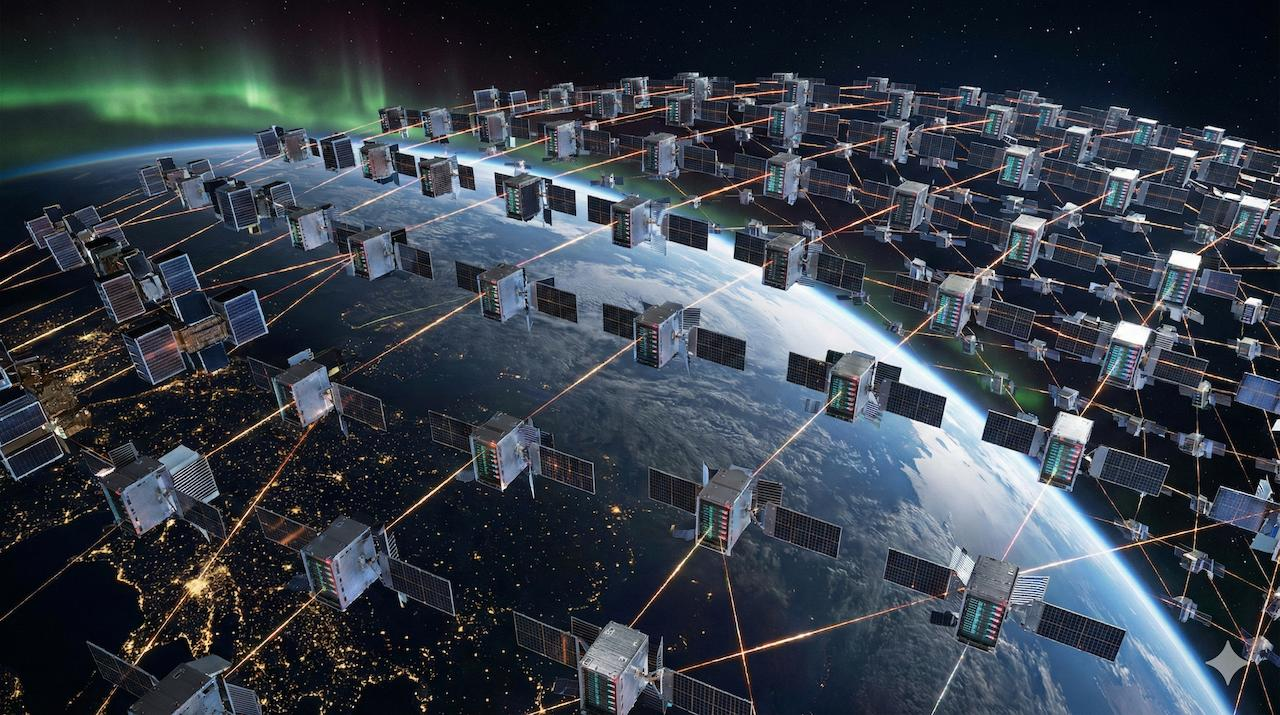
An extraordinary space technology project could transform the future of artificial intelligence, global communications and computing infrastructure! Elon Musk's SpaceX is pursuing an ambitious network involving up to one million satellites.
The concept could open a new chapter in the commercial use of outer space, potentially strengthening America's position in the global technology race.
However, a regulatory green light would not mean that one million satellites are already operational, nor would it give the United States ownership of outer space.
Could this ambitious project reshape civilization, or will its enormous technological and environmental challenges limit its potential?
1. The FCC Officially Approves SpaceX's Megaproject
On November 25, 2026, the Federal Communications Commission (FCC) granted SpaceX conditional authorization to deploy up to one million satellites designed to function as orbital data centers.
The project, known as Starmind, is intended to meet rapidly growing demand for artificial intelligence computing.
eu-assets.contentstack.com+2
Authorized satellites
1,000,000
Project name
Starmind
Approval date
Nov. 25, 2026
Full deployment deadline
2040
FCC Chairman Brendan Carr presented the authorization as an opportunity to advance American leadership in AI and space technology.
2. How Enormous Is Musk's Satellite Network?
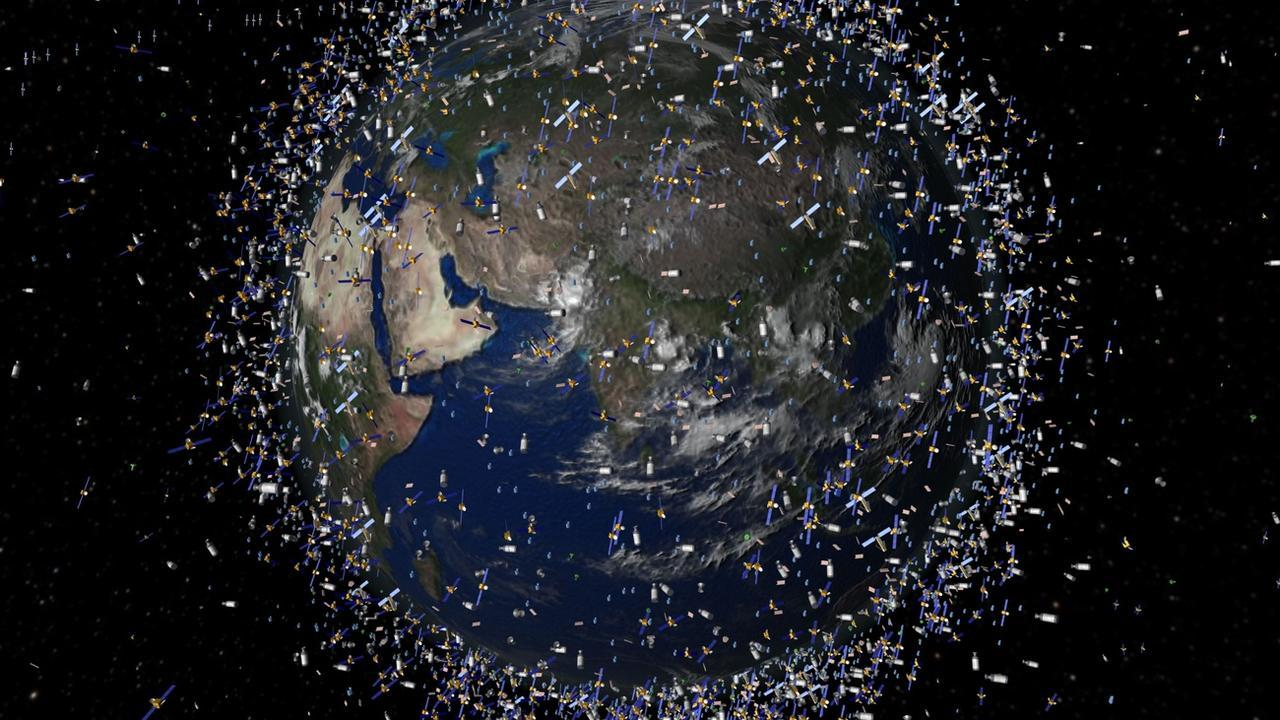
According to Reuters, approximately 17,000 satellites are currently in space, including more than 11,000 belonging to SpaceX's Starlink network.
Reuters
Satellite networks compared
Existing Starlink satellites
11,000
Current satellites in space worldwide
17,000
Authorized Starmind constellation
1,000,000
Approximate existing satellite counts versus Starmind's maximum authorized size. Starlink is included in the worldwide total.
A fully deployed Starmind constellation would contain approximately 59 times as many satellites as the current worldwide satellite population.
This would represent an extraordinary expansion of humanity's infrastructure in space.
3. How Will Data Centers in Space Actually Work?
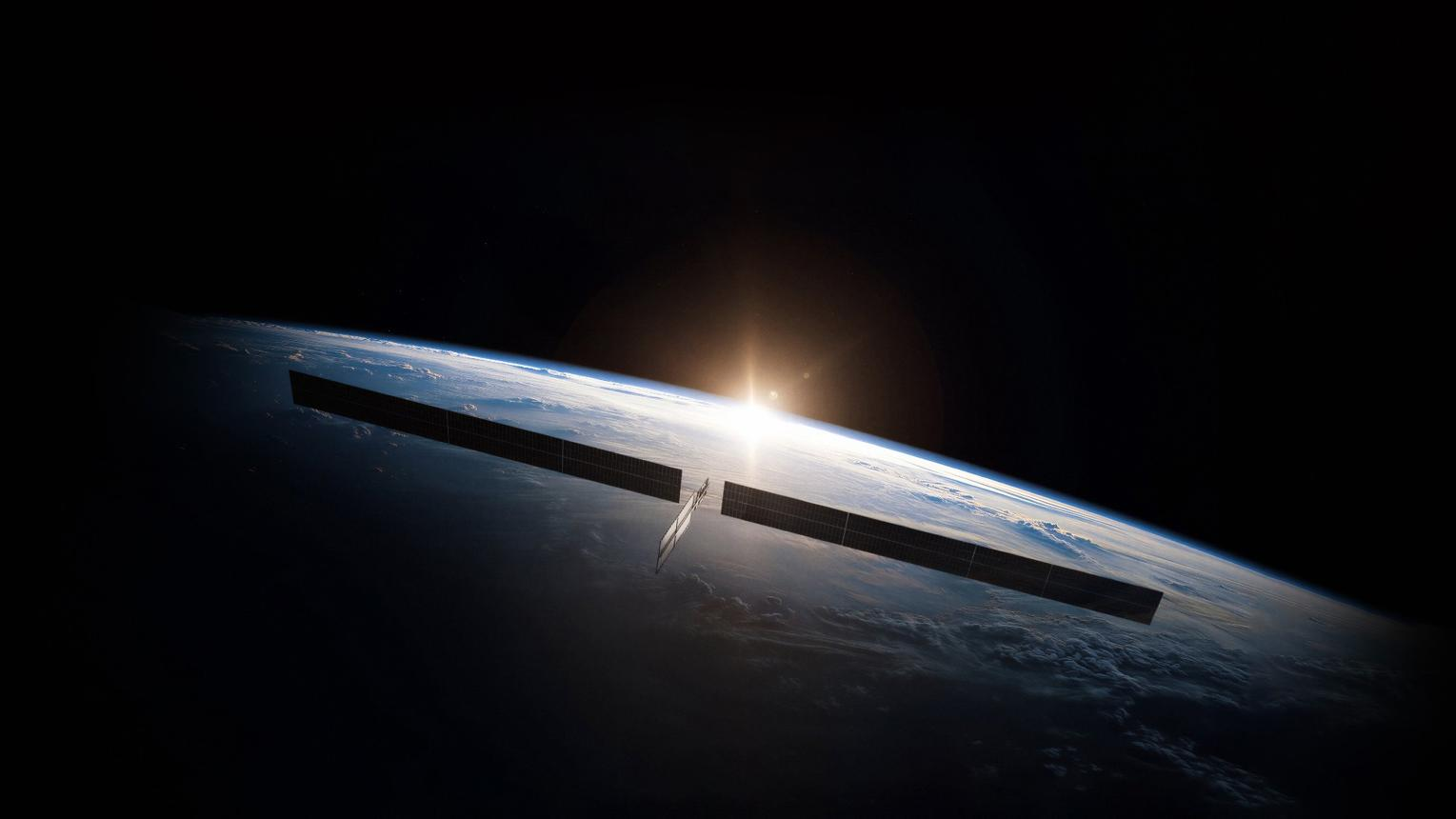
Unlike traditional communications satellites, Starmind is designed primarily to provide computing power for artificial intelligence applications.
The proposed system would harness solar energy and use optical communications to transfer information between satellites and other infrastructure.
Cục Quản lý Thông tin Liên bang
Conceptual illustration of orbital computing, not an official engineering blueprint.
If successful, this approach could allow some computing workloads traditionally performed by facilities on Earth to be processed in orbit.
4. When Will the One Million Satellites Be Deployed?
The FCC authorization establishes a long-term deployment schedule extending into 2040.
Starmind deployment milestones
2033
Initial operational satellite
2035
100,000 satellites
2038
500,000 satellites
2040
1,000,000 satellites
Regulatory milestones, not guaranteed deployment forecasts.
eu.36kr.com+1
SpaceX will need to demonstrate that it can meet these requirements or seek modifications to its authorization.
Whether the company will ultimately deploy the entire constellation remains uncertain.
5. Could This Project Reduce America's Electricity Costs?
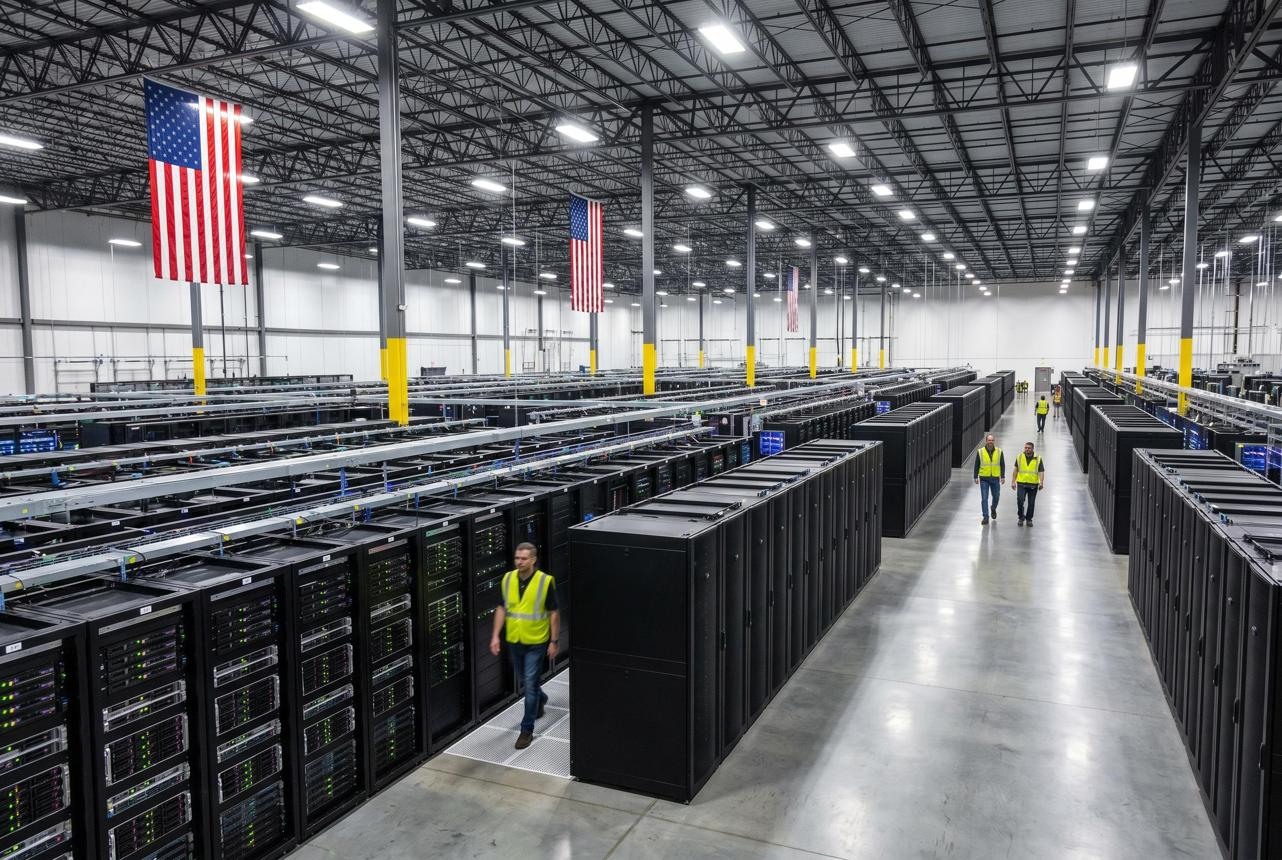
One of the most attractive potential benefits of orbital computing is access to abundant solar energy.
Moving some computing infrastructure into space could theoretically reduce demand for terrestrial electricity and cooling water.
However, lower electricity bills for American households are not guaranteed.
The costs of manufacturing, launching, maintaining and replacing satellites must also be considered. Scientists have questioned whether the energy advantages would be sufficient to overcome those expenses.
ABC News
6. Will America Become the World's Dominant Space Superpower?
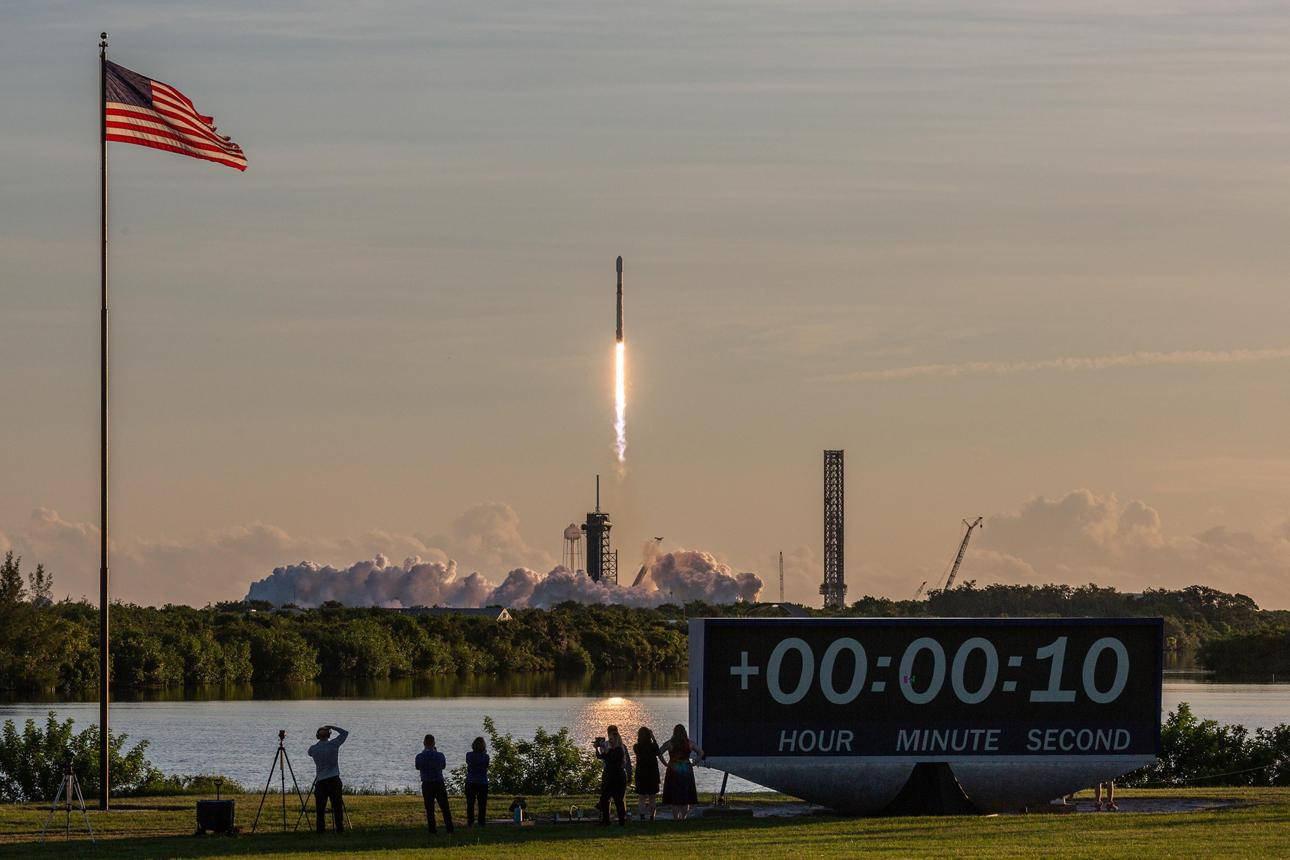
The development of orbital computing could introduce another dimension to international technological competition.
Countries and companies capable of providing affordable computing infrastructure in orbit could potentially gain advantages in scientific research, artificial intelligence and advanced commercial applications.
|
Area |
Potential strategic advantage
Artificial intelligence
Expanded computing capacity
Space transportation
Greater demand for launch services
Scientific research
Additional computing resources
Communications
Expansion of space-based infrastructure
Manufacturing
Investment in advanced aerospace technology
Global technology markets
New commercial opportunities
Nevertheless, authorization of a commercial satellite network does not grant the United States exclusive control over Earth's orbital environment.
International space law prohibits national appropriation of outer space, and other countries remain free to develop their own space programs in accordance with applicable international obligations.
7. Elon Musk Faces Five Enormous Technological Challenges
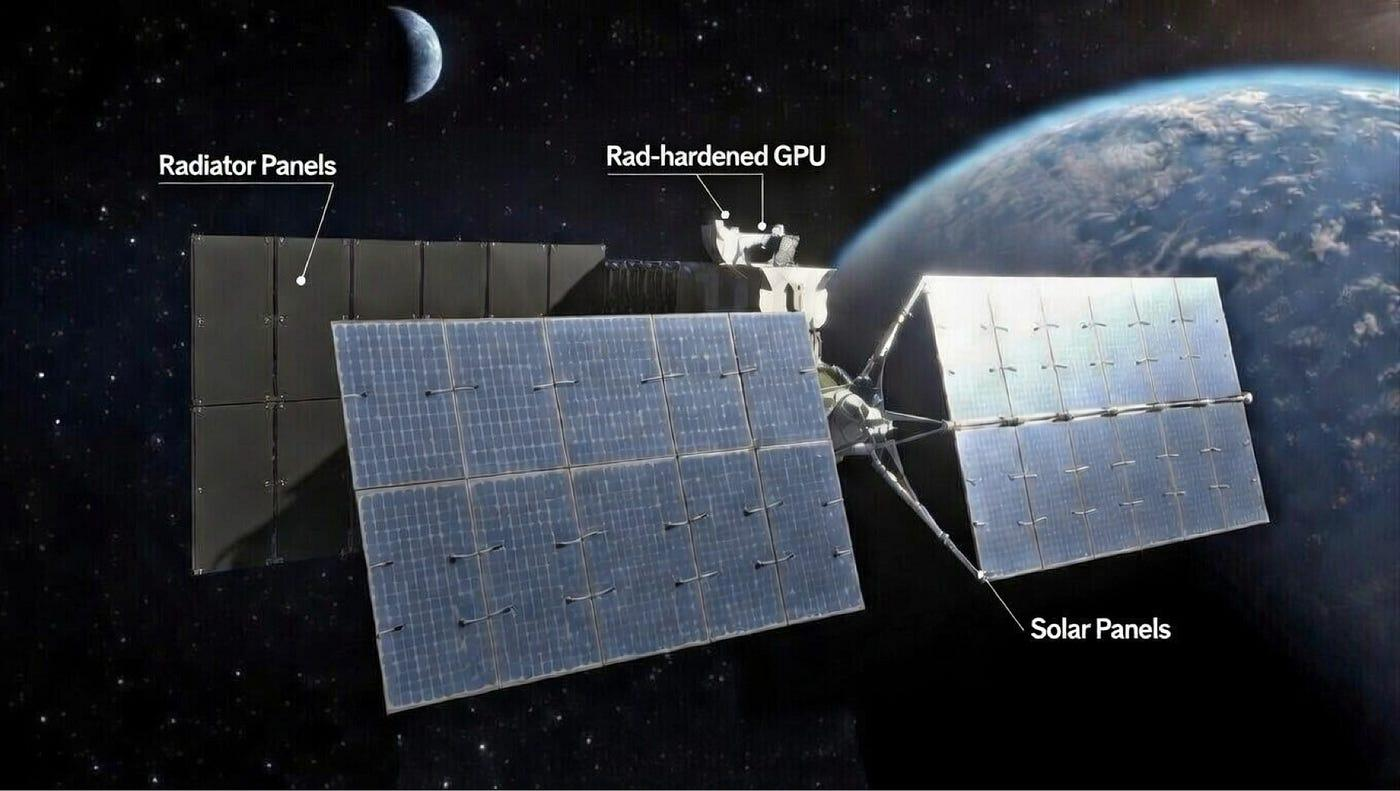
Despite its enormous potential, the project faces considerable engineering obstacles.
|
Challenge |
Why it matters
Heat management
Computing equipment generates substantial heat that must be radiated into space.
Launch expenses
Deployment requires affordable, reliable transportation.
Space radiation
Radiation can damage sensitive electronics.
Maintenance
Repairing equipment in orbit is difficult.
Satellite collisions
A vastly larger orbital population requires effective traffic coordination.
Space is cold, but its vacuum makes cooling powerful computer systems more complicated than many people realize.
These technical challenges must be addressed before orbital computing can compete economically with conventional data centers.
8. Scientists Warn of Serious Environmental Consequences
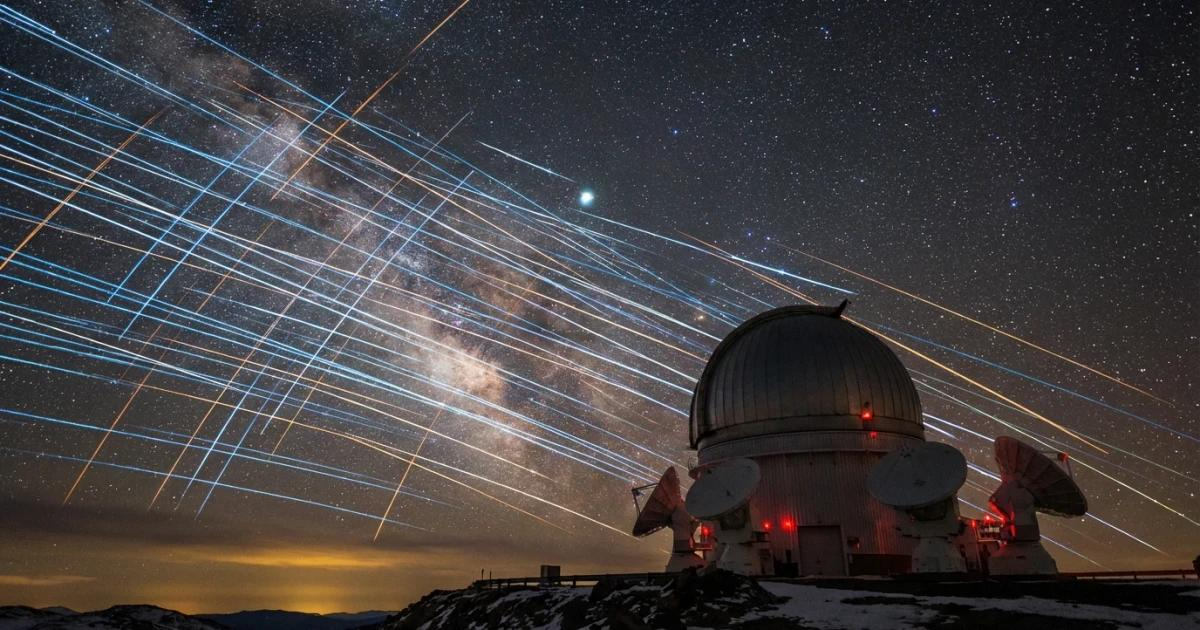
Astronomers and environmental organizations have raised concerns about the consequences of deploying satellites on such an unprecedented scale.
Their concerns include interference with astronomical observations, collisions between spacecraft, accumulating orbital debris and pollution associated with rocket launches and satellite reentries.
The Washington Post
A particularly concerning possibility is the Kessler syndrome, a theoretical chain reaction in which collisions generate debris that increases the likelihood of further collisions.
This does not mean that Starmind will necessarily trigger such an event, but it highlights the importance of responsible satellite management.
9. Could SpaceX's Project Become the First Step Toward a Type II Civilization?
SpaceX's original regulatory application described orbital computing as an initial step toward becoming a Type II civilization on the Kardashev scale.
Cục Quản lý Thông tin Liên bang
This hypothetical framework was introduced by astronomer Nikolai Kardashev in 1964 to categorize civilizations according to their energy-harnessing capabilities.
Type I — Planetary civilization
Harnesses energy on a planetary scale.
Type II — Stellar civilization
Harnesses the full energy output of its host star.
Type III — Galactic civilization
Harnesses energy on a galactic scale.
Hypothetical scientific framework, not a forecast of humanity's technological development.
Humanity remains far from achieving Type II status. Even a million solar-powered satellites would capture only a tiny fraction of the Sun's total energy output.
10. Will Elon Musk's Project Transform the Future of Humanity?
If orbital computing becomes technically and economically viable, it could create new opportunities in medicine, scientific research, robotics, artificial intelligence and space exploration.
However, it could also introduce difficult questions concerning corporate influence, environmental protection and equitable access to essential technological infrastructure.
The success of Starmind will ultimately depend on technological feasibility, financial sustainability, international cooperation and responsible management of Earth's orbital environment.
One million satellites could represent an extraordinary technological achievement. But regulatory approval is only the beginning of a much longer and more challenging journey.
WHAT DO YOU THINK? COULD ELON MUSK'S MEGAPROJECT USHER IN A NEW ERA OF HUMAN CIVILIZATION, OR COULD PLACING A MILLION SATELLITES IN SPACE CREATE MORE PROBLEMS THAN IT SOLVES? SHARE YOUR OPINION IN THE COMMENTS BELOW!
Comments (0)
Loading comments...
May You Like

PENTAGON'S DECLASSIFIED UFO FILES — THE MYSTERY OF AN UNDERGROUND STORAGE PROJECT!

PUTIN RAISES LUKOIL DEAL WITH TRUMP’S ENVOYS AS UKRAINE PEACE TALKS CONTINUE

10,000 CIA AND U.S. SPY RECORDS LEAKED—3 INTELLIGENCE AGENCIES ORDER EMERGENCY REVIEWS!














